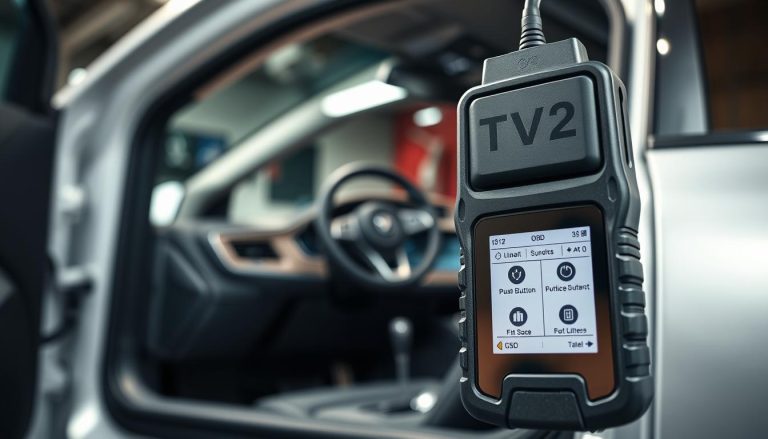
The Subaru Outback is known for its reliability and versatility, but like any vehicle, it’s not immune to issues. One common problem owners face is with the Rear Hatch Lock. A malfunctioning lock can be frustrating and compromise the security of your vehicle.
Addressing Rear Hatch Lock issues promptly is crucial to maintaining your vehicle’s integrity. This article will guide you through quick fixes for common problems, ensuring you can get back on the road safely and securely.
Key Takeaways
- Common causes of Rear Hatch Lock issues
- Step-by-step troubleshooting guides
- DIY repair tips for the Subaru Outback
- Preventative measures to avoid future lock problems
- When to seek professional help for complex issues
Understanding Subaru Outback Rear Hatch Lock Issues and Quick Fix Solutions
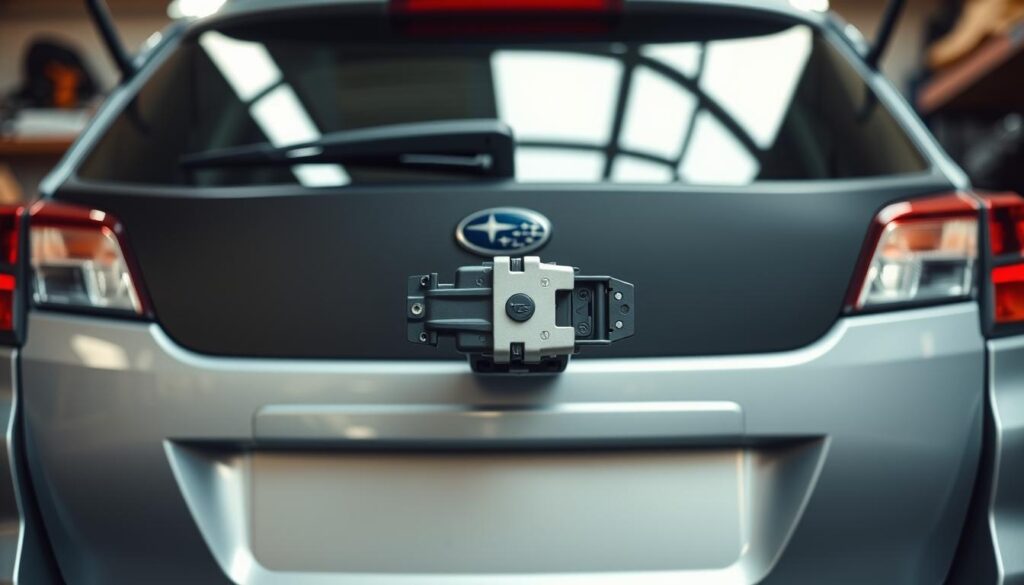
The Subaru Outback’s rear hatch lock is prone to certain issues that, if left unaddressed, can lead to more significant problems with the vehicle’s locking system. Understanding these issues is crucial for effective troubleshooting and repair.
Common Symptoms of Rear Hatch Lock Failures
When the rear hatch lock fails, it often exhibits specific symptoms. These can include the hatch not opening or closing properly, unusual noises during operation, or the lock mechanism not engaging as expected. Identifying these symptoms early can help prevent further damage to the locking system.
Affected Outback Models and Years
Rear hatch lock issues are not limited to specific model years of the Subaru Outback. However, certain years and models are more prone to these problems due to design or manufacturing factors. It’s essential to check the vehicle’s history and be aware of any recalls or common issues associated with your particular model.
Root Causes of Lock Mechanism Problems
The root causes of rear hatch lock problems can vary, including mechanical wear and tear, electrical faults, or issues with the lock actuator. Diagnosing the exact cause is critical for applying the correct fix. Common causes include worn-out lock components, faulty wiring, or a malfunctioning electronic control module.
Essential Tools and Preparation for DIY Repairs
To tackle rear hatch lock issues on your Subaru Outback, you’ll need the right tools and a bit of know-how. This preparation will ensure a smooth and effective DIY repair process.
Required Tools and Materials Checklist
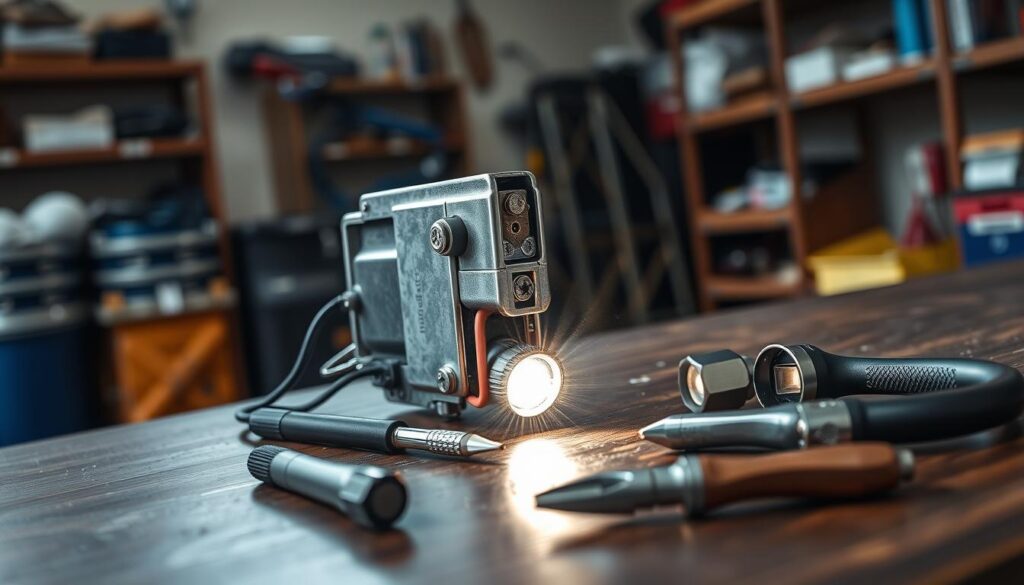
Gathering the necessary tools and materials is the first step in preparing for your DIY repair. You’ll need a screwdriver set, Torx bits, a multimeter for testing electrical connections, and potentially replacement parts such as a new lock actuator or wiring. It’s also a good idea to have a repair manual specific to your Subaru Outback model for detailed instructions and diagrams.
Safety Precautions Before Starting Repairs
Before diving into the repair, ensure your safety by disconnecting the vehicle’s battery to prevent any accidental starts or electrical shocks. Wear protective gear such as gloves and safety glasses to protect yourself from sharp edges and debris. Make sure your workspace is well-lit and free from clutter.
Accessing the Rear Hatch Lock Assembly
To access the rear hatch lock assembly, you’ll typically need to remove the interior trim panel of the rear hatch. This can usually be done by removing screws and gently prying the panel away from the hatch. Be cautious not to damage the trim or the clips holding it in place. For specific instructions, refer to your repair manual or consult online resources, such as guides for similar models like the Toyota Tacoma door lock problems, which may offer valuable insights.
Step-by-Step Troubleshooting Guide
To resolve Subaru Outback rear hatch lock problems efficiently, it’s essential to understand the step-by-step troubleshooting process. This guide will walk you through diagnosing mechanical lock failures, testing the power lock function and actuator, inspecting the wiring harness and connections, and checking for electronic control module issues.
Diagnosing Mechanical Lock Failures
Mechanical lock failures can be diagnosed by checking the lock’s operation manually. If the lock is stuck or not engaging properly, it may indicate a mechanical issue. Inspect the lock mechanism for any debris or wear that could be causing the failure.
Common signs of mechanical lock failure include:
- Difficulty in opening or closing the rear hatch
- The lock not engaging or disengaging properly
- Visible wear or damage to the lock mechanism
Testing the Power Lock Function and Actuator
The power lock function can be tested by operating the lock using the vehicle’s controls. If the lock does not respond, it could indicate a problem with the actuator or the electrical circuit. Listen for any unusual noises from the actuator when operating the lock.
Steps to test the power lock function:
- Operate the rear hatch lock using the vehicle’s key fob or interior controls
- Listen for the actuator’s response
- Check if the lock engages or disengages as expected
Inspecting Wiring Harness and Connections
A faulty wiring harness or loose connections can cause issues with the rear hatch lock. Inspect the wiring for any signs of damage, such as cuts, burns, or corrosion. Check all connections to ensure they are secure and not corroded.
| Inspection Point | Condition | Action Required |
|---|---|---|
| Wiring Harness | Damaged or corroded | Repair or replace |
| Connections | Loose or corroded | Clean or replace |
Checking Electronic Control Module Issues
The Electronic Control Module (ECM) plays a crucial role in controlling the rear hatch lock. Issues with the ECM can cause malfunctioning of the lock. Check for any software updates or consult a professional if you suspect an ECM issue.
It’s essential to diagnose ECM issues accurately to avoid unnecessary repairs.
Quick DIY Fixes for Common Rear Hatch Problems
With a few basic tools and some patience, Subaru Outback owners can apply these quick DIY fixes to common rear hatch lock problems. The rear hatch lock is a crucial component that can sometimes malfunction due to various reasons. Fortunately, many of these issues can be resolved without professional help.
Cleaning and Lubricating the Lock Mechanism
One of the simplest quick fixes for rear hatch lock issues is cleaning and lubricating the lock mechanism. Dirt, dust, and grime can accumulate over time, causing the lock to malfunction. To clean the lock, use a soft brush to remove any debris, then apply a suitable lubricant to the moving parts. This can help restore the lock’s functionality.
Replacing a Faulty Lock Actuator
If the lock actuator is faulty, it may need to be replaced. The actuator is responsible for the mechanical movement of the lock. To replace it, you’ll need to access the lock assembly, disconnect the faulty actuator, and install a new one. Ensure that the replacement part is compatible with your Subaru Outback model.
Repairing Damaged Wiring and Connections
Damaged wiring and connections can also cause lock issues. Inspect the wiring harness for any signs of damage or corrosion. Repair or replace any damaged wires, and ensure that all connections are secure. This can help resolve issues related to the power lock function.
Resetting the Electronic System
Sometimes, the electronic system controlling the rear hatch lock may need to be reset. Check your Subaru Outback’s manual for instructions on how to reset the electronic system. This can help resolve issues related to the lock’s electronic control.
When to Seek Professional Assistance
While many rear hatch lock issues can be resolved with DIY fixes, there are times when professional assistance is necessary. If you’re unsure about the diagnosis or feel uncomfortable with the repair process, it’s best to consult a professional mechanic. They can provide a more detailed diagnosis and perform complex repairs.
Conclusion: Maintaining Your Subaru Outback Rear Hatch Lock
Proper maintenance of your Subaru Outback’s rear hatch lock is crucial to prevent issues and ensure a hassle-free experience. By understanding the common symptoms of rear hatch lock failures and addressing them promptly, you can avoid more complex problems down the line.
Regularly cleaning and lubricating the lock mechanism, inspecting wiring harness and connections, and testing the power lock function can help identify potential issues before they become major problems. By following the DIY fixes outlined in this article, Subaru Outback owners can resolve common rear hatch lock issues and maintain their vehicle’s functionality.
To keep your Subaru Outback Rear Hatch Lock in optimal condition, it’s essential to be proactive. Regular checks and maintenance can help prevent Subaru Outback Rear Hatch Lock Issues, ensuring that your vehicle’s rear hatch lock continues to function smoothly.
FAQ
What are the common symptoms of a faulty Subaru Outback Rear Hatch Lock?
Common symptoms include the rear hatch not opening or closing properly, unusual noises when operating the lock, or the lock not responding to the key fob or interior controls.
Which Subaru Outback models and years are most affected by Rear Hatch Lock issues?
Various Subaru Outback models across different years have been reported to have Rear Hatch Lock issues, with some model years being more prone to specific problems due to design or manufacturing defects.
How do I diagnose a mechanical lock failure in my Subaru Outback?
Diagnosing a mechanical lock failure involves checking the lock mechanism for any blockages, wear, or damage, and testing the lock’s operation manually to identify any issues.
Can I clean and lubricate the Subaru Outback Rear Hatch Lock mechanism myself?
Yes, cleaning and lubricating the lock mechanism is a simple DIY task that can help resolve issues caused by dirt, grime, or wear, and is a recommended maintenance step.
What should I do if my Subaru Outback Rear Hatch Lock is not responding to the key fob?
If the lock is not responding to the key fob, check the battery in the key fob, ensure there are no obstructions or interference, and inspect the wiring and connections related to the lock actuator.
How do I reset the electronic system of my Subaru Outback Rear Hatch Lock?
Resetting the electronic system may involve disconnecting the vehicle’s battery, using a scan tool to reset the system, or following specific procedures outlined in the vehicle’s repair manual.
When should I seek professional assistance for my Subaru Outback Rear Hatch Lock issues?
If you are unsure about the diagnosis, uncomfortable with DIY repairs, or if the issue persists after attempting fixes, it’s recommended to seek professional assistance from a qualified mechanic or Subaru dealership.
Are there any specific tools required for repairing the Subaru Outback Rear Hatch Lock?
Yes, specific tools such as a trim removal tool, Torx screwdrivers, and a multimeter may be required for diagnosing and repairing the Rear Hatch Lock, depending on the nature of the issue.