Restoring a vehicle’s structural integrity is crucial when dealing with a rusted unibody frame. The unibody frame is a critical component that supports the entire vehicle, and any damage to it can compromise the safety and performance of the vehicle.
Rust can weaken the metal, leading to costly repairs if left unchecked. Fortunately, there are various restoration options available to repair a rusted unibody frame, ranging from patching and welding to replacing entire sections of the frame.
This article will explore the different methods for frame rust repair and provide guidance on how to choose the best approach for your vehicle.
Key Takeaways
- Restoring a rusted unibody frame is crucial for maintaining vehicle safety and performance.
- Various restoration options are available, including patching, welding, and replacing frame sections.
- Choosing the right repair method depends on the extent of the damage and the vehicle’s condition.
- Prompt action is necessary to prevent further damage and costly repairs.
- Professional expertise is often required for complex repairs.
Understanding Unibody Frame Rust and Its Implications
When rust begins to form on a unibody frame, it can lead to a cascade of problems that affect the vehicle’s performance and safety. Rust is a corrosive process that weakens the metal, potentially compromising the structural integrity of the vehicle.
How Rust Affects Structural Integrity
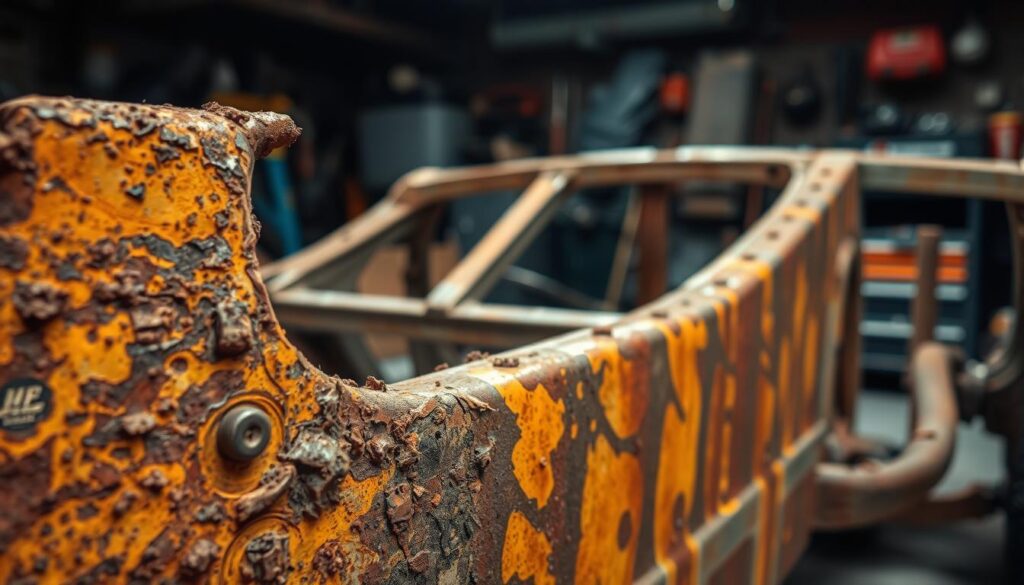
Rust on a unibody frame can significantly reduce its structural integrity. As rust progresses, it can eat away at the metal, creating weak points that can affect the vehicle’s overall stability and safety. The structural integrity is crucial for withstanding impacts and supporting the vehicle’s weight.
Common Rust-Prone Areas in Unibody Frames
Certain areas of the unibody frame are more prone to rust due to their location and exposure to moisture. These areas include the wheel wells, suspension mounts, and lower sections of the frame, where dirt and moisture tend to accumulate.
Safety Concerns of Driving with Frame Rust
Driving a vehicle with a rusted unibody frame poses serious safety risks. The compromised structural integrity can lead to reduced crashworthiness and increased risk of collapse. Furthermore, rust can cause parts to fail, potentially leading to loss of control while driving.
Legal and Insurance Implications
Rust damage to a unibody frame can have significant legal and insurance implications. In many jurisdictions, driving a vehicle that is deemed unsafe due to rust damage can result in fines or even vehicle impoundment. Insurance companies may also deny claims or void policies if the vehicle is found to be in an unsafe condition due to neglect.
Understanding the implications of unibody frame rust is crucial for vehicle owners to take proactive measures in maintaining their vehicle’s safety and integrity.
Assessing the Extent of Unibody Frame Damage
Understanding the severity of the damage to the unibody frame is crucial for a successful restoration project. A thorough assessment is necessary to determine the best course of action and to ensure that all damaged areas are identified and addressed.
Visual Inspection Techniques
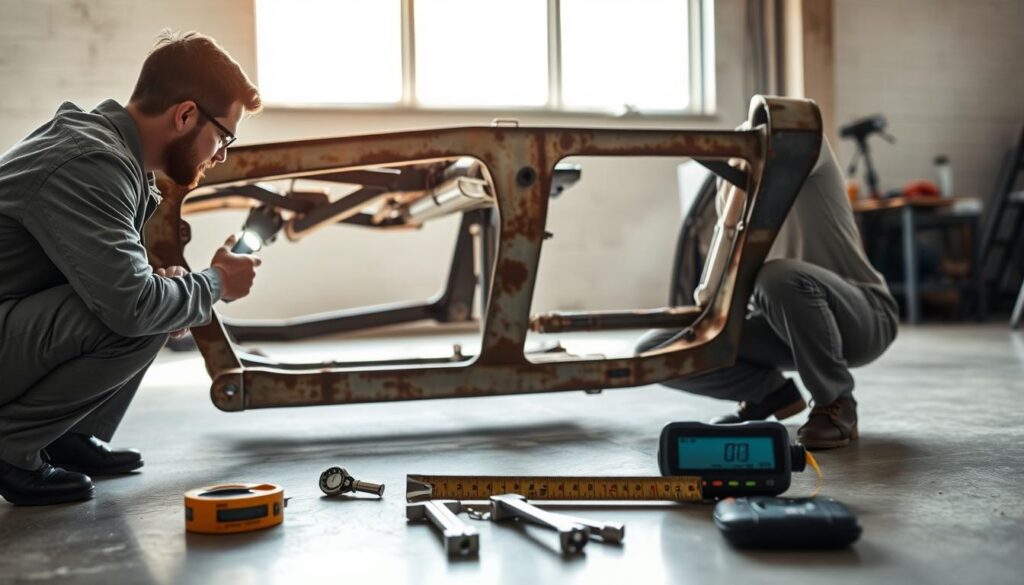
A visual inspection is the first step in assessing the extent of unibody frame damage. This involves a thorough examination of the vehicle’s frame, looking for signs of rust, corrosion, or structural damage. Inspectors should check for rust spots, flaking metal, and any signs of repair or patching. It’s also essential to inspect areas around mounts and brackets, as these are common places for rust to begin.
Using Diagnostic Tools to Measure Rust Severity
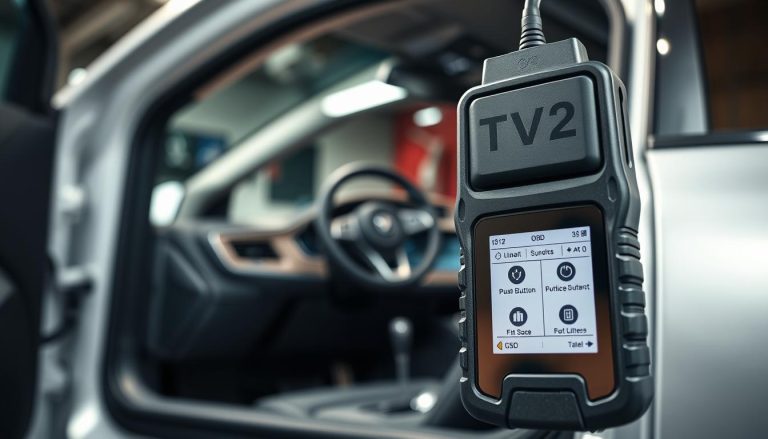
In addition to visual inspections, diagnostic tools can be used to measure the severity of rust. Ultrasonic thickness gauges can measure the thickness of metal, helping to identify areas where rust has caused significant material loss. Other tools, such as rust meters, can detect the presence and severity of corrosion.
Determining if Repair is Feasible
Once the extent of the damage has been assessed, the next step is to determine if repair is feasible. This involves considering the severity of the damage and the cost of repairs.
Light vs. Moderate vs. Severe Damage
Damage can be categorized as light, moderate, or severe. Light damage may involve minor rust spots that can be easily treated. Moderate damage requires more extensive repairs, such as patching or replacing sections of the frame. Severe damage may render the vehicle uneconomical to repair.
Cost-Benefit Analysis of Repair
A cost-benefit analysis is crucial in determining whether to proceed with repairs. This involves weighing the cost of repairs against the value of the vehicle and considering the potential outcomes of the repair work. Factors to consider include the cost of parts and labor, the potential for future problems, and the impact on the vehicle’s overall value.
Can a Rusted Unibody Frame Be Repaired? Exploring Restoration Possibilities
A rusted unibody frame can be repaired using various techniques, but the choice of method depends on the extent of the damage. Restoration possibilities range from patch panel installation to section replacement and frame rail restoration, each with its own set of considerations and best practices.
Patch Panel Installation
Patch panel installation is a common method for repairing rusted areas in unibody frames. This involves cutting out the rusted section and replacing it with a new panel.
Cutting and Fitting Techniques
Proper cutting and fitting techniques are crucial for a successful patch panel installation. This involves carefully cutting out the rusted area, ensuring a precise fit for the new panel, and preparing the surrounding area for welding.
Welding is a critical step in patch panel installation. It is essential to follow welding best practices to ensure a strong and durable bond.
Material Selection Considerations
The choice of material for the patch panel is also important. The material should be compatible with the existing frame material to ensure a strong bond and prevent further corrosion.
Section Replacement Methods
In cases where the rust damage is extensive, section replacement may be necessary. This involves replacing a larger section of the frame.
Jig Setup for Proper Alignment
Proper alignment is critical when replacing a section of the frame. A jig setup ensures that the new section is correctly aligned with the rest of the frame.
Structural Reinforcement Requirements
Depending on the extent of the damage, additional structural reinforcement may be required to ensure the integrity of the frame. This can involve adding additional supports or strengthening existing ones.
For more information on the inspection process after frame repair, you can visit this page to learn about the regulations and standards involved.
Frame Rail Restoration Procedures
Frame rail restoration is another critical aspect of repairing a rusted unibody frame. This involves restoring the frame rails to their original condition.
Welding Best Practices
Welding best practices are essential for a successful frame rail restoration. This includes ensuring proper weld penetration, using the correct welding technique, and inspecting the welds for quality.
Rust Inhibiting Treatments
After restoring the frame rails, applying rust-inhibiting treatments is crucial to prevent future corrosion. These treatments can include coatings, sealants, or other protective measures.
DIY vs. Professional Restoration: Making the Right Choice
A rusted unibody frame presents a significant restoration challenge, and choosing between DIY repair and professional services requires careful consideration. The decision hinges on several factors, including the extent of the damage, your skill level, and budget constraints.
Tools and Materials Needed for DIY Repair
For those opting for DIY frame restoration, having the right tools and materials is crucial. This includes a welding machine, metal cutting tools, sandpaper, rust converter, and replacement parts such as patch panels. Investing in quality tools can make a significant difference in the outcome of the restoration.
Safety Precautions During Restoration Work
Safety should be a top priority during any restoration work. This includes wearing protective gear such as gloves, safety glasses, and a welding helmet. Ensuring good ventilation in the work area is also crucial to avoid inhaling harmful fumes. Proper safety precautions can prevent serious injuries.
Skills Required for Successful Frame Restoration
Successful DIY frame restoration requires a range of skills, including welding, metalworking, and knowledge of automotive repair. Assessing your skill level honestly is vital before embarking on a DIY restoration project. If you’re unsure about your abilities, it may be wise to seek professional help.
When to Seek Professional Help
If the rust damage is extensive or you’re not confident in your DIY skills, seeking professional help is the best course of action. Professionals have the necessary experience, tools, and expertise to restore your vehicle’s frame to a safe and durable condition.
Cost Comparison Between DIY and Professional Services
The cost of DIY frame restoration versus professional repair can vary significantly. While DIY may seem cost-effective initially, factoring in the cost of tools and materials is essential. Professional services, although seemingly more expensive upfront, often provide a warranty and guarantee of workmanship, which can be invaluable in the long run.
| Cost Factor | DIY Restoration | Professional Restoration |
|---|---|---|
| Initial Cost | Lower | Higher |
| Tools and Materials | Additional Cost | Included |
| Warranty | None | Provided |
In conclusion, making the right choice between DIY and professional restoration for a rusted unibody frame involves careful consideration of your skills, budget, and the extent of the damage. By weighing these factors, you can ensure a successful restoration that is both cost-effective and safe.
Conclusion: Ensuring Long-Term Frame Protection
Restoring a rusted unibody frame is just the first step in maintaining your vehicle’s structural integrity. To ensure long-term frame protection, regular inspections and maintenance are crucial. This includes applying rust-inhibiting coatings and monitoring for signs of rust or damage.
Effective rust prevention involves more than just treating visible rust spots. It requires a comprehensive approach that includes cleaning, inspecting, and protecting all metal surfaces. Using products from reputable manufacturers like 3M or Rust-Oleum can help safeguard your vehicle’s frame.
Frame maintenance is an ongoing process that involves regular checks for rust, damage, or wear. By staying proactive, you can identify potential issues before they become major problems, reducing the risk of costly repairs down the line. Prioritizing long-term frame protection will help extend the life of your vehicle and maintain its safety and performance.
FAQ
What are the common signs of a rusted unibody frame?
Common signs include visible rust spots, flaking metal, and weakened structural integrity, often accompanied by a musty smell or water leakage into the vehicle’s interior.
How does rust affect the structural integrity of a unibody frame?
Rust compromises the structural integrity by weakening the metal, potentially leading to holes, cracks, or breaks in the frame, which can impair the vehicle’s safety and performance.
Can a rusted unibody frame be repaired, or does it need to be replaced?
A rusted unibody frame can often be repaired using techniques such as patch panel installation, section replacement, or frame rail restoration, but in severe cases, replacement may be necessary.
What are the safety concerns of driving a vehicle with a rusted unibody frame?
Driving a vehicle with a rusted unibody frame poses significant safety risks, including increased risk of collapse or failure of the frame, potentially leading to loss of control or accidents.
How do I assess the extent of damage to my vehicle’s unibody frame?
Assessing the extent of damage involves visual inspections, using diagnostic tools to measure rust severity, and determining the feasibility of repair based on the extent of the damage.
What are the legal and insurance implications of driving a vehicle with a rusted unibody frame?
Driving a vehicle with a significantly rusted unibody frame may have legal implications, such as failing to meet safety standards, and insurance implications, including potential denial of claims or increased premiums.
What skills are required for a successful DIY unibody frame restoration?
Successful DIY restoration requires skills in metalworking, welding, and knowledge of frame repair techniques, as well as the ability to assess damage and plan the repair.
When should I seek professional help for repairing a rusted unibody frame?
You should seek professional help if you’re unsure about the extent of the damage, lack the necessary skills or tools, or if the damage is extensive, to ensure a safe and effective repair.
How can I prevent future rust and damage to my vehicle’s unibody frame?
Preventing future rust involves regular inspections, applying rust-inhibiting treatments, ensuring the vehicle is stored in a dry environment, and addressing any rust spots promptly.