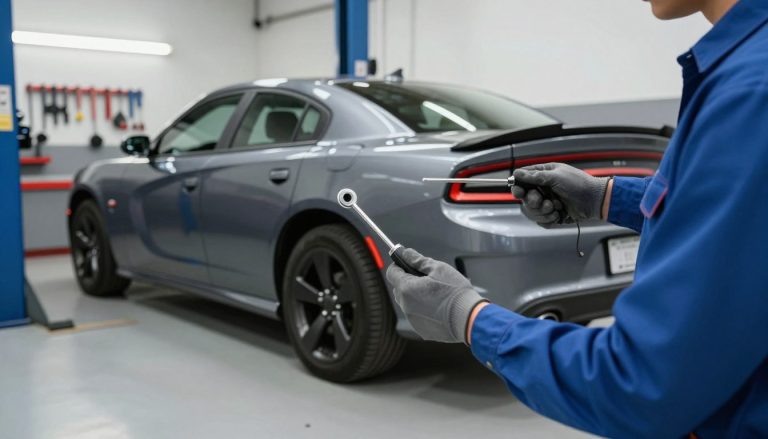
Modern vehicles value fuel efficiency through complex parts. Sometimes, a Dodge truck requires a bit of attention for keeping its peak performance. This technology is designed to reduce fumes while idling at lights or in heavy traffic.
When the engine fails to re-engage smoothly, drivers may feel frustrated. A proper reset auto start-stop procedure helps restore trust in your machine. It is a simple process that anyone can handle in their own driveway.
This guide simplifies the fixing process into manageable parts. By following our three specific instructions, you can resolve minor glitches without professional help. Let us dive into the details of keeping your vehicle running well.
Key Takeaways
- Efficiently restore engine cycling functionality.
- Minimize unwanted idling interruptions quickly.
- Improve battery and sensor communication.
- Avoid unnecessary dealership service appointments.
- Enhance overall vehicle fuel economy.
- Simplify car maintenance routines easily.
Understanding the Dodge Auto Start-Stop System
The Dodge Auto Start-Stop system is a sophisticated technology designed to enhance fuel efficiency in modern vehicles. This feature automatically shuts off the engine when the vehicle comes to a stop, such as at a red light or in traffic, and restarts it when the driver is ready to move again.
The Mechanics of Fuel Efficiency Technology
The Auto Start-Stop system works by monitoring various parameters such as vehicle speed, brake pedal position, and engine load. When the vehicle stops and the conditions are appropriate (e.g., the engine is warm, the battery is sufficiently charged, and the air conditioning or heating is not demanding), the system shuts off the engine. This reduces fuel consumption and lowers emissions. The system is designed to work seamlessly with other vehicle systems to minimize the impact on driver comfort.
The mechanics behind this technology involve complex interactions between the engine control unit (ECU), the battery, and various sensors. The ECU continuously monitors the vehicle’s operating conditions to determine when to stop and start the engine.
Why the System May Require a Reset
Despite its benefits, the Auto Start-Stop system can sometimes malfunction or require a reset due to various reasons. Common issues include problems with the battery voltage or state of charge, sensor calibration issues, or software glitches.
| Issue | Description | Potential Solution |
|---|---|---|
| Battery Voltage Issues | Low battery voltage can cause the Auto Start-Stop system to malfunction. | Check battery health and charge if necessary. |
| Sensor Calibration | Incorrect sensor calibration can lead to improper system operation. | Have the sensors recalibrated by a professional. |
| Software Glitches | Software issues can cause the system to fail or behave erratically. | Update the system software to the latest version. |
By understanding how the Dodge Auto Start-Stop system works and addressing potential issues, vehicle owners can ensure they get the most out of this fuel-saving technology.
How to Reset Dodge Auto Start Stop
To resolve issues with your Dodge Auto Start Stop, follow our step-by-step guide on how to reset the system. The process involves verifying the health of your vehicle’s battery, performing a hard reset procedure, and calibrating the system through a specific drive cycle.
Step One: Verifying Battery Health and System Status
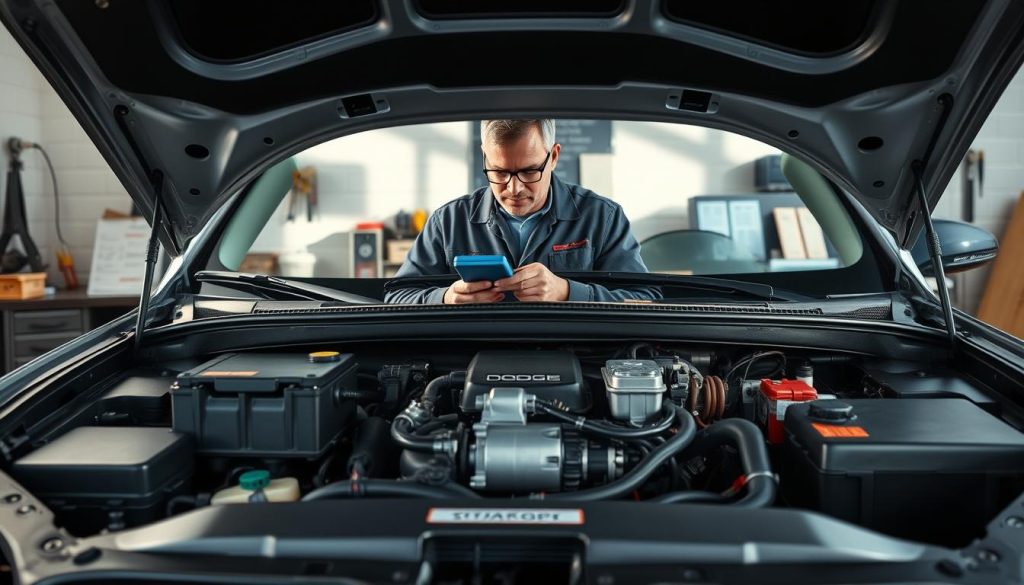
Before attempting to reset the Dodge Auto Start Stop system, it’s crucial to verify the health of your vehicle’s battery and the overall status of the system. A weak or dead battery can cause malfunctions in the Auto Start Stop technology.
Check your battery’s state of charge using a multimeter or consult a professional mechanic for assistance. Ensure that the battery terminals are clean and free of corrosion.
| Battery Voltage | System Status | Action Required |
|---|---|---|
| 12.4V or higher | Normal | Proceed to Step Two |
| 12.0V – 12.3V | Warning | Charge the battery |
| Below 12.0V | Critical | Replace the battery |
Step Two: Performing the Hard Reset Procedure
To perform a hard reset on your Dodge Auto Start Stop system, follow these steps:
- Turn off the engine and engage the parking brake.
- Disconnect the negative battery cable and wait for 30 minutes.
- Reconnect the negative battery cable and start the engine.
- Allow the engine to run for a few minutes to recalibrate the system.
Step Three: Calibrating the System via Drive Cycle
After completing the hard reset, calibrate the Dodge Auto Start Stop system by performing a specific drive cycle. This involves driving your vehicle under various conditions to allow the system to learn and adapt.
Drive your vehicle in the following conditions:
- City driving with frequent stops and starts.
- Highway driving at moderate speeds.
- A combination of uphill and downhill driving.
By following these steps, you should be able to successfully reset your Dodge Auto Start Stop system and resolve any issues you’re experiencing.
Common Reasons for Auto Start-Stop Malfunctions
Understanding the common causes of Auto Start-Stop malfunctions is crucial for Dodge owners to maintain their vehicle’s efficiency. The Auto Start-Stop system is a sophisticated technology designed to reduce fuel consumption and emissions, but its complexity can sometimes lead to issues.
Several factors can contribute to the malfunctioning of this system. It’s essential to identify these causes to apply the appropriate fix. Here are some of the primary reasons:
Battery Voltage and State of Charge Issues
The Auto Start-Stop system relies heavily on the vehicle’s battery. Issues with the battery’s voltage or its state of charge can significantly impact the system’s performance. A battery that is not holding a sufficient charge or has a low voltage can cause the system to malfunction.
- Insufficient Battery Charge: If the battery is not charged properly, the system may not function correctly.
- Low Battery Voltage: Voltage levels that are too low can disrupt the system’s operation.
- Battery Age: Older batteries may not hold a charge as well, leading to malfunctions.
Sensor Calibration and Software Glitches
The Auto Start-Stop system uses various sensors to determine when to stop and start the engine. Calibration issues with these sensors or software glitches can lead to malfunctions.
- Sensor Misalignment: If the sensors are not properly calibrated or are misaligned, the system may not work as intended.
- Software Issues: Like any computer-controlled system, software bugs or outdated software can cause problems.
In some cases, resolving these issues may require a visit to a certified Dodge technician who can diagnose and fix the problem accurately.
Safety Precautions and Professional Diagnostics
When it comes to the Auto Start-Stop System, safety precautions are not just recommended, they’re essential. The complexity of modern automotive technology, such as the Dodge Auto Start-Stop System, necessitates a cautious and informed approach to maintenance and repair.
Dealing with advanced vehicle systems can pose risks if not handled properly. It’s crucial to understand when to seek professional help to avoid potential hazards.
When to Consult a Certified Dodge Technician
If you’re experiencing persistent issues with your Dodge Auto Start-Stop System, it’s advisable to consult a certified Dodge technician. These professionals have the training and equipment necessary to diagnose and repair complex problems accurately.
A certified technician can provide guidance on whether a reset is sufficient or if more in-depth repairs are needed. They can also ensure that any repairs are done safely and effectively.
Risks of Ignoring Persistent Warning Lights
Ignoring persistent warning lights related to the Auto Start-Stop System can lead to more severe problems. These lights are indicators of potential issues that require attention.
Continuing to drive with unresolved issues can result in reduced vehicle performance, increased risk of component failure, and potentially, safety hazards. It’s essential to address these warnings promptly to maintain your vehicle’s reliability and safety.
In conclusion, while the Dodge Auto Start-Stop System is designed to enhance fuel efficiency and reduce emissions, it’s vital to prioritize safety when dealing with its maintenance and repair. Consulting a certified technician and addressing warning lights promptly are critical steps in ensuring your vehicle’s optimal performance and safety.
Maintenance Tips for Long-Term System Reliability
To ensure the longevity of your Dodge vehicle’s Auto Start-Stop system, regular maintenance is crucial. This system is designed to enhance fuel efficiency and reduce emissions, but like any other vehicle component, it requires consistent upkeep to function effectively.
The Auto Start-Stop system relies on various components, including the battery, sensors, and software. Maintaining these components is vital for the system’s overall performance. Regular battery maintenance is one of the key aspects of ensuring the system operates smoothly.
Regular Battery Maintenance and Terminal Cleaning
The battery is a critical component of the Auto Start-Stop system. Regular checks on the battery’s state of charge and health can prevent system malfunctions. It’s recommended to inspect the battery terminals for signs of corrosion and clean them as necessary.
Terminal cleaning can be done using a wire brush and a mixture of baking soda and water. This simple maintenance task can help prevent corrosion and ensure a good connection between the battery and the electrical system.
| Maintenance Task | Frequency | Benefit |
|---|---|---|
| Battery Inspection | Every 6 months | Prevents unexpected system failures |
| Terminal Cleaning | Every 12 months | Ensures good electrical connections |
| System Software Updates | As notified by the manufacturer | Enhances system performance and compatibility |
Monitoring System Updates and Recalls
Monitoring system updates and recalls is another crucial aspect of maintaining the Auto Start-Stop system. Manufacturers often release software updates to improve system performance and address any issues. Staying informed about these updates can help ensure your vehicle’s system remains optimized.
Additionally, being aware of any recalls related to the Auto Start-Stop system can help you address potential issues before they become major problems. Regularly checking with your dealership or the manufacturer’s website for updates and recalls is a proactive step in maintaining your vehicle’s overall health.
By following these maintenance tips, you can help ensure the long-term reliability of your Dodge vehicle’s Auto Start-Stop system, enjoying the benefits of improved fuel efficiency and reduced emissions.
Conclusion
The Dodge Auto Start-Stop System is designed to enhance fuel efficiency and reduce emissions. Properly resetting this system is crucial for its optimal performance. By following the steps outlined, vehicle owners can ensure their Dodge Auto Start-Stop System functions as intended.
Regular maintenance is key to the long-term reliability of the system. This includes monitoring battery health and ensuring the system is properly calibrated. By doing so, drivers can enjoy the benefits of improved fuel efficiency and reduced environmental impact.
Resetting the auto start-stop system may seem like a straightforward process, but it requires attention to detail. For persistent issues, consulting a certified Dodge technician is advisable to prevent potential complications.
By understanding how to reset and maintain the Dodge Auto Start-Stop System, vehicle owners can maximize its benefits. Proper care and attention to this system will contribute to a smoother driving experience and enhanced overall vehicle performance.
FAQ
Why does the Dodge Auto Start-Stop (ESS) system stop functioning unexpectedly?
The system typically halts operation when the Intelligent Battery Sensor (IBS) detects that the battery voltage or state of charge is insufficient to safely restart the engine. Other common factors include extreme cabin climate settings, engine operating temperature, or minor software glitches within the Powertrain Control Module (PCM).
How do I perform a hard reset on my Dodge Start-Stop system?
To initiate a hard reset, disconnect the negative terminal of your Mopar battery for approximately 10 to 15 minutes. This procedure clears the temporary memory in the vehicle’s computer, allowing the Electronic Control Unit (ECU) to recalibrate and potentially resolve communication errors between the sensors and the engine.
What is a “drive cycle” and why is it necessary for calibration?
After resetting the system, a specific drive cycle is required to help the IBS accurately map the battery’s state of health. This generally involves driving at consistent highway speeds followed by several minutes of idling, which confirms to the system that the power levels are stable enough to re-engage the fuel-saving auto-stop feature.
Can a failing AGM battery affect the performance of the system?
Yes. Dodge vehicles equipped with Auto Start-Stop technology rely on high-performance Absorbent Glass Mat (AGM) batteries. If the battery’s capacity drops below a specific threshold, the system will enter a “Disabled” state to prioritize engine cranking, which ultimately reduces your overall fuel economy during city driving.
What should I do if the yellow Start-Stop warning light remains illuminated?
If a persistent warning light or the “A” symbol with an exclamation point stays on after a reset, you should consult a certified Dodge technician. This may indicate a hardware failure, such as a faulty auxiliary battery, a damaged battery sensor, or the need for a critical Mopar software update that cannot be performed at home.
How often should I clean my battery terminals to ensure system reliability?
It is recommended to inspect and clean your terminals during every oil change. Corrosion or loose connections can create electrical resistance, leading to inaccurate data being sent to the PCM. Keeping the terminals clean ensures the Auto Start-Stop system receives the precise voltage readings it needs to function correctly and reliably.
Is it safe to ignore a malfunctioning Auto Start-Stop system?
While the vehicle will usually remain drivable, ignoring a malfunction can lead to decreased fuel efficiency and may mask underlying electrical issues. Over time, a faulty ESS system can put additional strain on the alternator and the primary starter, potentially leading to more expensive repairs at a Dodge dealership later on.