The Tire Pressure Monitoring System (TPMS) is a critical safety feature in modern vehicles, including the Ford Escape. It alerts drivers to underinflated tires, which can lead to reduced fuel efficiency, uneven tire wear, and increased risk of tire failure.
When the TPMS warning light is activated, it indicates a problem that needs to be addressed. Resetting the TPMS warning light can be a straightforward process if you follow the correct steps.
Understanding how to reset the TPMS is essential for maintaining your vehicle’s safety and performance. In this article, we will guide you through the easy steps to reset the TPMS warning light in your Ford Escape.
Key Takeaways
- Understanding the importance of the TPMS system
- Identifying the causes of TPMS warning light activation
- Learning the steps to reset the TPMS warning light
- Maintaining proper tire pressure for safety and efficiency
- Troubleshooting common TPMS issues
Understanding the TPMS System in Ford Escape
The Tire Pressure Monitoring System (TPMS) is a critical safety feature in modern vehicles, including the Ford Escape. It is designed to monitor the air pressure in the tires and alert the driver if the pressure falls below the recommended level.
What is TPMS and How Does it Work
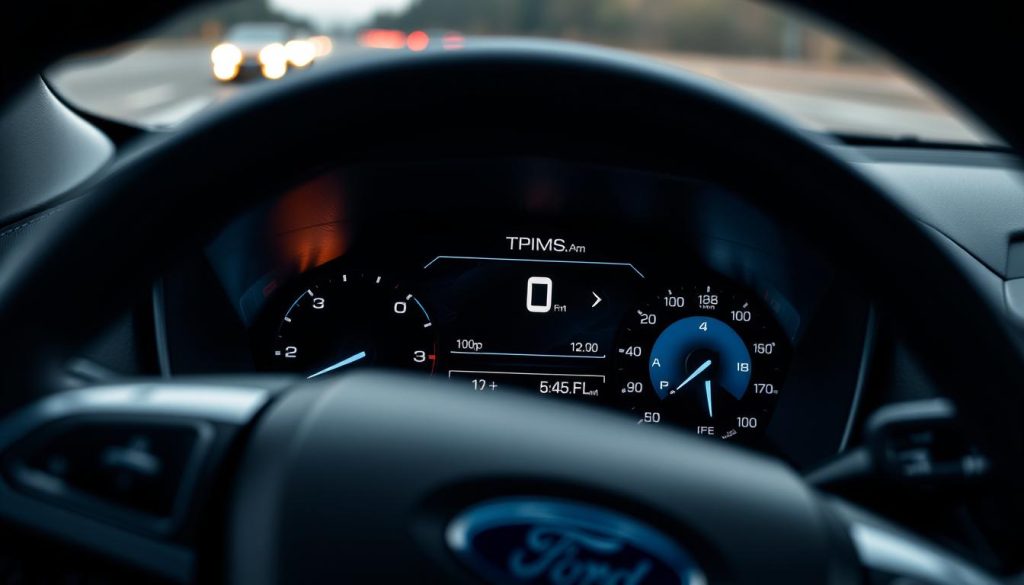
The TPMS system uses sensors located in each tire to measure the air pressure. These sensors transmit the pressure data to the vehicle’s onboard computer, which then compares it to the recommended pressure levels. If the pressure is too low, the system activates the TPMS warning light on the dashboard.
Key components of the TPMS system include:
- Sensors in each tire to measure air pressure
- An onboard computer to process the data
- A warning light on the dashboard to alert the driver
Why the TPMS Warning Light Activates
The TPMS warning light can activate due to several reasons, including underinflated tires, faulty tire pressure sensors, or a malfunction in the TPMS system itself. It’s essential to address the issue promptly to ensure the vehicle’s safety and performance.
Common reasons for TPMS warning light activation:
- Underinflated tires
- Faulty tire pressure sensors
- TPMS system malfunction
Tools and Preparation for TPMS Reset
To successfully reset the TPMS on your Ford Escape, you’ll need to prepare the right tools and follow safety precautions. The reset process can vary depending on the model year of your vehicle.
Required Tools for Different Reset Methods
The tools required for resetting the TPMS can differ based on the method you need to use. For some models, you might need a TPMS reset tool, while others can be reset using the vehicle’s menu system or a drive cycle. Check your owner’s manual to determine the specific tools needed for your Ford Escape.
Safety Precautions Before Starting
Before starting the TPMS reset process, ensure your vehicle is parked on a level surface and apply the parking brake. It’s also a good idea to consult your owner’s manual for any model-specific safety precautions. 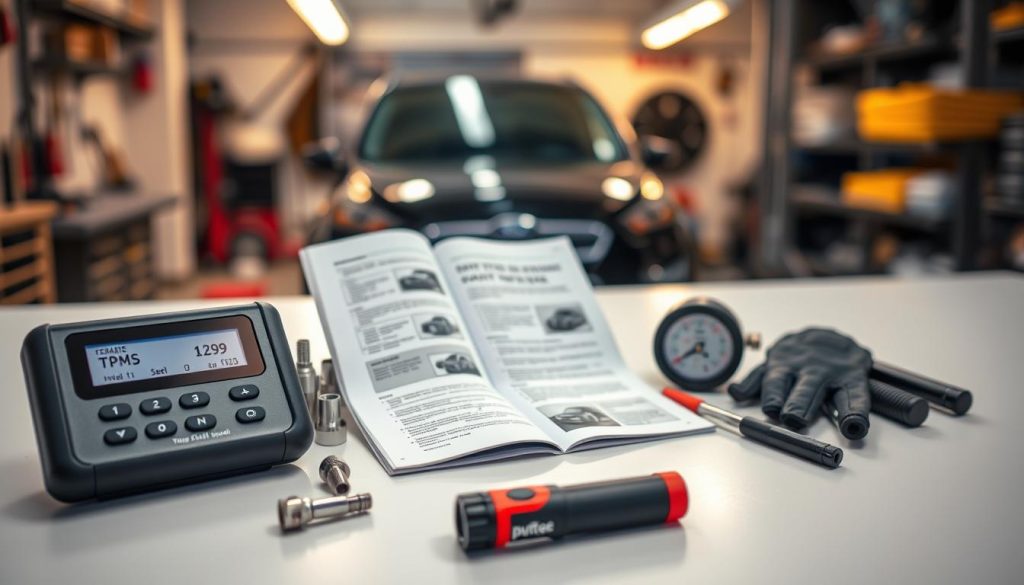
Ford Escape: How to Reset the TPMS Warning Light
Ford Escape owners can reset the TPMS warning light using methods that involve the vehicle’s menu system, a specific drive cycle, or a dedicated reset button. Resetting the TPMS warning light is essential after checking and adjusting tire pressures to ensure the system accurately monitors tire pressure.
Method 1: Using the Vehicle’s Menu System
The first method involves using the Ford Escape’s SYNC system to reset the TPMS warning light. This method is convenient as it utilizes the vehicle’s existing infotainment system.
Step-by-Step Navigation Through SYNC System
To reset the TPMS using the SYNC system, navigate to the “Settings” menu, then select “Vehicle Settings.” From there, choose “Tire Pressure Monitoring System” and follow the on-screen instructions to complete the reset process.
Confirming Successful Reset
After completing the reset process through the SYNC system, verify that the TPMS warning light has turned off. If the light remains on, it may indicate that the reset was not successful or there’s an underlying issue with the TPMS.
Method 2: Drive Cycle Reset Procedure
The drive cycle reset procedure is another effective method for resetting the TPMS warning light. This method involves driving the vehicle in a specific pattern to allow the system to recalibrate.
Proper Driving Pattern for Reset
To perform a drive cycle reset, drive at a speed of 25-30 mph for about 10 minutes. Ensure that the vehicle is driven in a consistent manner, avoiding sudden accelerations or braking.
Monitoring the Dashboard During Reset
During the drive cycle, monitor the dashboard for the TPMS warning light. If the light turns off during or after the drive cycle, it indicates a successful reset.
Method 3: Using the TPMS Reset Button
Some Ford Escape models come equipped with a dedicated TPMS reset button. Using this button is a straightforward method to reset the TPMS warning light.
Locating the Reset Button in Different Models
The location of the TPMS reset button can vary depending on the model year and trim level of your Ford Escape. Typically, it is found under the steering column or on the center console.
Button Sequence for Successful Reset
To reset the TPMS using the reset button, turn the ignition to the “ON” position, press and hold the reset button until the TPMS light blinks three times, then release. This indicates that the reset process has been initiated.
Model-Specific TPMS Reset Instructions
Different Ford Escape models have unique TPMS reset procedures, which we’ll outline in detail below. Resetting the TPMS warning light on your Ford Escape requires a model-specific approach to ensure that the system is properly recalibrated.
2008-2012 Ford Escape TPMS Reset
For Ford Escape models between 2008 and 2012, the TPMS reset process involves a simple drive cycle. Start by ensuring that your tire pressures are at the recommended levels, then drive at a speed of 25-30 mph for about 10 minutes. This allows the TPMS system to relearn the tire pressures.
The TPMS reset procedure for these models can also be initiated using the vehicle’s menu system. Navigate to the “Settings” menu, select “Tire Pressure,” and follow the on-screen instructions to complete the reset process.
| Model Year | TPMS Reset Method | Additional Notes |
|---|---|---|
| 2008-2012 | Drive Cycle or Menu System | Ensure tire pressures are at recommended levels before resetting |
| 2013-2019 | TPMS Reset Button or Menu System | Consult owner’s manual for specific instructions |
| 2020-Present | Advanced Menu System or TPMS Tool | May require specialized equipment for TPMS reset |
2013-2019 Ford Escape TPMS Reset
Ford Escape models from 2013 to 2019 offer multiple methods for resetting the TPMS warning light. One method involves using the TPMS reset button, typically located under the steering column. Press and hold the button until the TPMS light blinks three times, indicating that the reset process has begun.
Alternatively, you can use the vehicle’s menu system to reset the TPMS. Navigate to the “Tire Pressure” menu and follow the on-screen instructions to complete the reset process.
2020-Present Ford Escape TPMS Reset
For the latest Ford Escape models (2020 and later), the TPMS reset process is more advanced. You may need to use a specialized TPMS tool to reset the system. Consult your owner’s manual or contact a Ford dealership for specific instructions on resetting the TPMS warning light on your vehicle.
Additionally, some models may require a software update to properly reset the TPMS system. Ensure that your vehicle’s software is up-to-date to avoid any issues with the TPMS reset process.
Troubleshooting Common TPMS Issues in Ford Escape
Troubleshooting the TPMS system in your Ford Escape can resolve common issues that cause the warning light to illuminate. The TPMS system is designed to monitor tire pressure and alert you to any potential issues. However, sometimes the system can be triggered unnecessarily, or it may indicate a problem that needs attention.
TPMS Light Stays On After Reset
If the TPMS light stays on after you’ve reset the system, it could indicate that one or more tires are still underinflated. Check your tire pressures and adjust them according to the manufacturer’s recommendations. Ensure you check the pressure when the tires are cold, as driving can heat up the tires and give a false reading.
- Check tire pressure for all four tires.
- Adjust pressure according to the vehicle manufacturer’s specifications.
- If the light persists, consider checking for any tire damage or leaks.
TPMS Light Flashing Instead of Solid
A flashing TPMS light typically indicates a malfunction within the TPMS system itself. This could be due to a faulty sensor or an issue with the system’s electronics. Try resetting the system to see if it resolves the issue. If the problem persists, further diagnosis may be needed.
Faulty Sensors: Diagnosis and Solutions
Faulty TPMS sensors can cause the system to malfunction. To diagnose, check each sensor’s battery life and condition. Replacing the battery or the sensor itself may resolve the issue. It’s also crucial to check the sensor’s mounting and ensure it’s properly secured.
When to Seek Professional Assistance
If you’ve tried troubleshooting and the issue persists, it may be time to seek professional assistance. A professional mechanic can diagnose the problem more accurately and perform any necessary repairs. They can also check for any software updates for your vehicle’s TPMS system.
Conclusion
Properly resetting the TPMS warning light is crucial for maintaining your Ford Escape’s overall performance and safety. By understanding the TPMS system and following the reset methods outlined in this article, you can ensure your vehicle’s tire pressure is accurately monitored.
Regular Ford Escape maintenance, including TPMS resets, contributes to a smoother driving experience and can help prevent potential tire-related issues. If you encounter persistent TPMS problems, it is recommended to consult a professional mechanic for further assistance.
A well-maintained TPMS system is essential for optimal vehicle performance and safety. By following the guidelines provided, you can effectively manage your Ford Escape’s TPMS and enjoy a more reliable driving experience, ultimately concluding the TPMS reset process with confidence.
FAQ
What does TPMS stand for in my Ford Escape?
TPMS stands for Tire Pressure Monitoring System, a feature designed to monitor the air pressure in your tires and alert you if the pressure falls below recommended levels.
Why is my TPMS warning light on after I’ve checked my tire pressure?
If your TPMS warning light remains on after checking tire pressure, it could be due to a faulty sensor, a problem with the TPMS system itself, or the need to reset the system.
Can I reset the TPMS warning light on my Ford Escape without using any tools?
Yes, some Ford Escape models allow you to reset the TPMS warning light using the vehicle’s menu system or by performing a drive cycle reset, without the need for additional tools.
How do I know which TPMS reset method to use for my Ford Escape?
The appropriate TPMS reset method for your Ford Escape depends on the model year and the features of your vehicle. Consult your owner’s manual or the manufacturer’s instructions for the recommended method.
What should I do if the TPMS light continues to flash after attempting a reset?
If the TPMS light continues to flash after a reset attempt, it may indicate a problem with the TPMS system or a faulty sensor. You may need to consult a professional mechanic for further diagnosis and repair.
Are TPMS sensors in Ford Escape vehicles battery-powered?
Yes, TPMS sensors in Ford Escape vehicles are typically battery-powered. The battery life can vary, but sensors usually need to be replaced every 5-10 years or when the battery fails.
Can I drive my Ford Escape with the TPMS warning light on?
While you can drive your Ford Escape with the TPMS warning light on, it’s not recommended. The light indicates that one or more tires are underinflated, which can lead to reduced fuel efficiency, uneven tire wear, and increased risk of a tire blowout.
Will resetting the TPMS warning light fix a tire pressure issue?
Resetting the TPMS warning light does not fix a tire pressure issue. It only clears the warning. You should check and adjust your tire pressure to the recommended levels before attempting to reset the TPMS light.