Dealing with a broken oil dipstick tip can be frustrating for car owners and DIY enthusiasts. When the dipstick tip breaks off inside the oil reservoir, it poses a challenge to retrieve it without causing further damage.
Fortunately, with the right tools and a systematic approach, retrieving a broken dipstick tip is achievable. This guide provides a comprehensive step-by-step process to help you safely remove and replace the broken tip, ensuring your vehicle runs smoothly.
Understanding the problem and having the necessary materials are crucial steps in this process. By following this guide, you’ll be able to tackle the issue effectively and get back to maintaining your vehicle’s health.
Key Takeaways
- Understand the problem of a broken dipstick tip.
- Gather necessary tools and materials.
- Follow a step-by-step guide for retrieval.
- Learn various methods for safe removal.
- Replace the broken tip effectively.
Understanding the Problem of a Broken Dipstick Tip
Understanding the issue of a broken dipstick tip is crucial for effective retrieval. A broken oil dipstick tip can lead to difficulties in checking oil levels, potentially causing engine damage if not addressed promptly.
The breakage of a dipstick tip is often a result of wear and tear, improper installation, or corrosion. Over time, the dipstick can become brittle or weakened, making it prone to breaking.
Common Causes of Dipstick Breakage
The common causes of dipstick breakage include excessive use, incorrect handling, and exposure to harsh engine conditions. Corrosion and material fatigue are also significant factors that contribute to the weakening of the dipstick.
| Cause | Description | Prevention Method |
|---|---|---|
| Excessive Use | Frequent checking of oil levels can lead to wear and tear. | Handle the dipstick with care. |
| Improper Installation | Incorrectly installing the dipstick can cause it to break. | Follow the manufacturer’s installation guide. |
| Corrosion | Exposure to engine chemicals can corrode the dipstick. | Regularly inspect the dipstick for signs of corrosion. |
Potential Risks to Your Engine
If the broken dipstick tip is not retrieved, it can pose significant risks to the engine, including damage to internal components and potential oil leakage. The presence of a foreign object inside the engine can lead to costly repairs if not addressed.
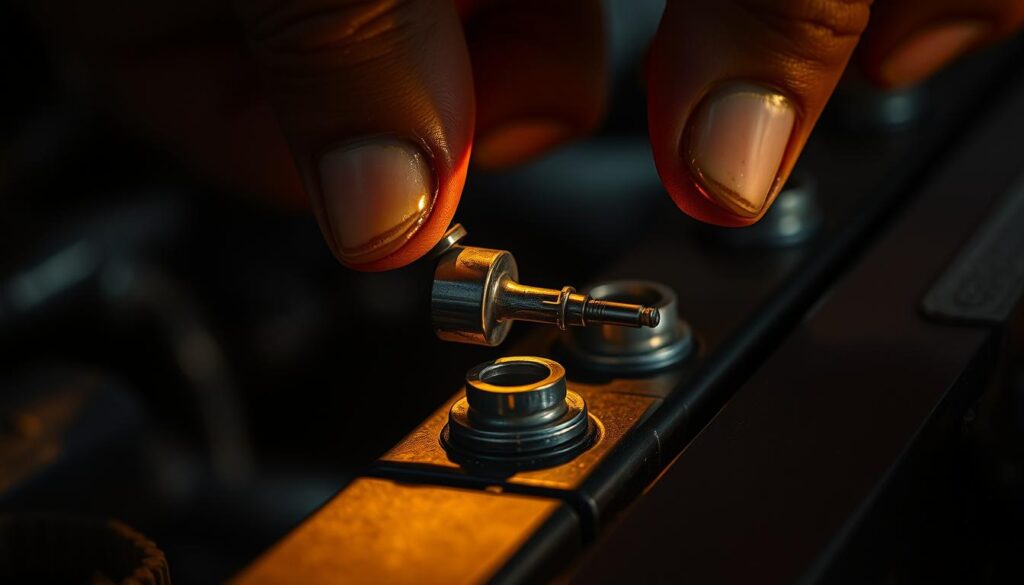
Signs That Your Dipstick Tip Has Broken Off
Signs that the dipstick tip has broken off include difficulty in checking oil levels and visible signs of breakage on the remaining dipstick. If you notice any of these signs, it’s essential to take immediate action to retrieve the broken tip.
Tools and Materials Needed for Retrieval
To successfully retrieve a broken oil dipstick tip, one must first assemble the appropriate retrieval tools and safety gear. The right equipment not only ensures a smooth process but also minimizes the risk of further damage to your vehicle’s engine.
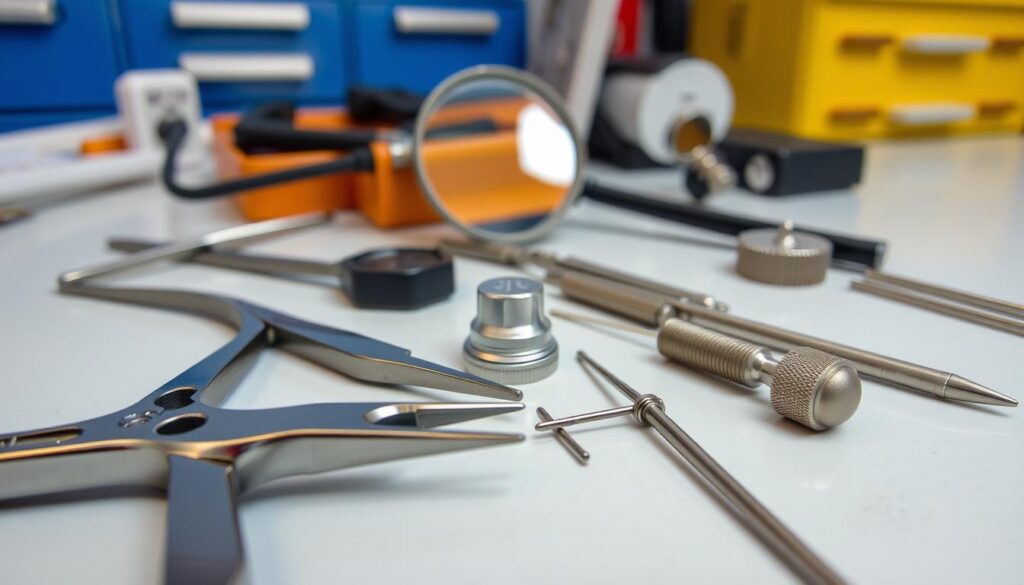
Essential Retrieval Tools
The primary tools needed for retrieving a broken oil dipstick tip include magnetic retrieval tools and mechanical grabbers. Magnetic retrieval tools are particularly useful as they can attract the metal tip of the dipstick, making it easier to pull out. Mechanical grabbers, on the other hand, provide a firm grip on the broken piece, allowing for a more controlled retrieval.
Safety Equipment Requirements
Safety should never be compromised. Essential safety equipment includes gloves to protect your hands from cuts and abrasions, and safety glasses to safeguard your eyes from any debris that might be dislodged during the retrieval process.
Preparing Your Workspace
Before starting, ensure your workspace is well-lit and clear of any obstructions. This preparation helps in avoiding any additional complications and makes the retrieval process more efficient.
Optional Specialized Tools
For more complex cases, borescope cameras can be invaluable. They allow for a precise location of the broken dipstick tip, making the retrieval process more targeted and less invasive.
Tip of Oil Dipstick Broke Off: How to Safely Retrieve and Replace it
If your oil dipstick tip has broken off, don’t panic – follow a systematic approach to retrieve and replace it. Retrieving a broken oil dipstick tip is a delicate process that requires patience and the right techniques to avoid causing further damage to your engine.
Locating the Broken Dipstick Tip
The first step in retrieving a broken oil dipstick tip is to locate it. Typically, the tip falls into the oil pan or gets stuck in the dipstick tube. To locate it, you may need to use a flashlight and a mirror to peer into the dipstick tube or consult your vehicle’s repair manual for guidance on accessing the oil pan.
Carefully inspect the area around the dipstick tube and oil pan for any signs of the broken tip. If it’s not immediately visible, you may need to proceed with retrieval methods to extract it.
Method 1: Using a Magnetic Retrieval Tool
One effective method for retrieving a broken oil dipstick tip is by using a magnetic retrieval tool. This tool can be inserted into the dipstick tube or oil pan to attract the metal tip.
To use this method, slowly insert the magnetic tool into the dipstick tube or oil pan, maneuvering it until it comes into contact with the broken tip. Once the tip is attracted to the magnet, carefully withdraw the tool, taking care not to touch the engine components.
Method 2: Using Mechanical Grabbers or Pliers
If the magnetic retrieval tool is not effective, you can try using mechanical grabbers or pliers. These tools are particularly useful if the broken tip is not made of a ferromagnetic material or if it’s stuck in a position that’s hard to reach with a magnet.
To use mechanical grabbers or pliers, carefully insert the tool into the dipstick tube or oil pan, attempting to grasp the broken tip. This method requires precision to avoid damaging the surrounding engine components.
Confirming Successful Retrieval
After attempting to retrieve the broken dipstick tip using one of the methods above, it’s crucial to confirm that the retrieval was successful. Check the dipstick tube and oil pan again to ensure that the tip has been completely removed.
Verify that your engine is safe to operate by checking for any signs of damage or remaining debris. If you’ve successfully retrieved the tip, you can proceed to replace your oil dipstick with a new one, following the manufacturer’s instructions.
Alternative Retrieval Methods for Stubborn Cases
For stubborn cases where conventional retrieval methods don’t work, several alternative techniques can be employed. These methods are designed to address the challenges posed by difficult-to-retrieve broken oil dipstick tips, ensuring that the problem is resolved efficiently and effectively.
Using a Vacuum Extraction Method
The vacuum extraction method is a delicate approach suitable for situations where the broken tip is lodged in a sensitive area or where other methods might cause damage. By creating a controlled suction, it’s possible to gently extract the broken tip without causing further damage to the engine components.
Draining the Oil to Access the Tip
In some cases, draining the oil from the engine can provide direct access to the broken dipstick tip. This method, while more invasive, allows for a straightforward retrieval process. It’s essential to follow proper oil drainage procedures to avoid spills and ensure the engine is not damaged during the process.
Using Borescope Cameras for Precise Location
Borescope cameras offer a precise way to locate the broken dipstick tip within the engine. By visually inspecting the area, technicians can determine the exact position of the tip and plan the most appropriate retrieval method. This approach minimizes guesswork and reduces the risk of causing additional damage.
When to Try Flushing Techniques
Flushing techniques can be considered as a last resort when other methods have failed. This involves circulating a fluid through the engine to dislodge the broken tip. However, caution is necessary to avoid damaging engine components or dislodging debris into critical areas.
| Retrieval Method | Description | Suitability |
|---|---|---|
| Vacuum Extraction | Gentle suction to remove the broken tip | Delicate situations |
| Draining Oil | Direct access by draining engine oil | More invasive cases |
| Borescope Cameras | Visual inspection for precise location | Uncertain tip location |
| Flushing Techniques | Circulating fluid to dislodge the tip | Last resort |
After Retrieval: Replacing and Preventing Future Issues
After retrieving the broken dipstick tip, it’s time to focus on replacing it and preventing future issues. This step is crucial to ensure your engine’s continued health and performance.
Selecting the Correct Replacement Dipstick
Choosing the right replacement dipstick is vital. Ensure it’s compatible with your vehicle’s make and model by checking the owner’s manual or consulting with a parts supplier. A high-quality dipstick made from durable materials will last longer and provide more accurate readings.
Proper Installation Techniques
To install the new dipstick correctly, follow these steps:
- Align the dipstick with the tube, ensuring it’s properly seated.
- Gently push the dipstick down until it reaches the stop.
- Withdraw the dipstick to check for any resistance or issues.
Proper installation prevents immediate future problems and ensures accurate oil level readings.
Maintenance Tips to Prevent Future Breakage
Regular maintenance can significantly extend the life of your new dipstick. Here are some tips:
| Maintenance Task | Frequency | Benefit |
|---|---|---|
| Check oil level regularly | Monthly | Early detection of oil leaks or consumption issues |
| Inspect dipstick for damage | During oil changes | Prevents breakage and ensures accurate readings |
| Clean the dipstick tube | During oil changes | Ensures smooth dipstick operation |
When to Seek Professional Help
If you’re unsure about any part of the replacement process or if your vehicle has a complex engine configuration, it’s advisable to seek help from a professional mechanic. They can ensure the job is done correctly and safely.
Conclusion
Retrieving a broken oil dipstick tip is a crucial aspect of car maintenance that ensures the longevity and health of your vehicle’s engine. By following the step-by-step guide outlined in this article, you can safely retrieve the broken tip and replace it, thus maintaining your car’s overall performance.
DIY repair of a broken oil dipstick tip not only saves you money but also equips you with the knowledge and skills necessary for future car maintenance tasks. The techniques and tools discussed in this article can be applied to other DIY repairs, enhancing your overall car maintenance capabilities.
For further guidance on car maintenance and repair, it’s recommended to consult reputable sources or seek advice from professional mechanics. Regular maintenance, including oil checks and dipstick inspections, is vital for preventing engine damage and ensuring your vehicle runs smoothly.
By mastering oil dipstick retrieval and other basic car maintenance tasks, you can take a proactive approach to vehicle care, reducing the risk of costly repairs and enhancing your overall driving experience.
FAQ
What are the common causes of oil dipstick breakage?
Oil dipstick breakage can occur due to wear and tear, improper installation, or corrosion. Regular maintenance and inspections can help identify potential issues before they lead to breakage.
What are the potential risks to my engine if the broken dipstick tip is not retrieved?
If the broken dipstick tip is not retrieved, it can cause damage to engine components or lead to oil leakage, potentially resulting in costly repairs and decreased engine performance.
How do I know if my oil dipstick tip has broken off?
Signs that your oil dipstick tip has broken off include difficulty in checking oil levels or visible signs of breakage. If you suspect that your dipstick tip has broken, it’s essential to investigate further.
What tools do I need to retrieve a broken oil dipstick tip?
Essential retrieval tools include magnetic retrieval tools or mechanical grabbers. Safety equipment such as gloves and safety glasses are also necessary to protect against potential hazards.
Can I use a magnetic retrieval tool to retrieve a non-metallic dipstick tip?
No, magnetic retrieval tools are only effective for metallic objects. If your dipstick tip is non-metallic, you may need to consider alternative retrieval methods, such as mechanical grabbers or vacuum extraction.
How do I prevent future oil dipstick breakage?
Regular maintenance, proper installation, and inspections can help prevent future breakage. Additionally, selecting a high-quality replacement dipstick and following proper installation techniques can also help extend its lifespan.
When should I seek professional help for retrieving a broken oil dipstick tip?
If you’re unsure about the retrieval process or if the breakage is complex, it’s recommended to seek professional help to avoid causing further damage to your engine.
Can I reuse my old oil dipstick after retrieving the broken tip?
No, it’s not recommended to reuse your old oil dipstick. Instead, select a correct replacement dipstick and follow proper installation techniques to ensure compatibility and quality.