Experiencing a rough idle when the air conditioning is on can be frustrating and concerning for vehicle owners. This common issue can manifest in various ways, from a slight vibration to a significant shaking of the vehicle.
The engine performance is affected, leading to an unpleasant driving experience. Understanding the causes behind this problem is crucial to addressing it effectively.
This article aims to explore the reasons behind a rough idle when the AC is on and provide practical fixes. For instance, issues with the idle air control valve can be a common culprit. You can also check how to fix related issues, such as high idle in Toyota Tacoma.
Key Takeaways
- Common causes of rough idle when AC is on include faulty idle air control valve and low refrigerant levels.
- Symptoms can range from slight vibrations to significant shaking.
- Diagnosing the issue involves checking the idle air control valve and AC system.
- Fixes may include cleaning or replacing the idle air control valve.
- Regular maintenance can help prevent rough idle issues.
Understanding Engine Idle and AC Operation
Understanding how engine idle and AC operation interact is essential for diagnosing potential issues. Engine idle refers to the speed at which the engine runs when it is not under load, typically measured in revolutions per minute (RPM).
What Constitutes a Normal vs. Rough Idle
A normal idle is characterized by a smooth, consistent engine speed, usually between 600-900 RPM, depending on the vehicle. In contrast, a rough idle is marked by fluctuations in engine speed, often accompanied by vibrations.
How Air Conditioning Affects Engine Performance
The air conditioning system places an additional load on the engine, as the AC compressor engages and disengages to cool the cabin. This affects engine performance.
The Additional Load Factor
When the AC is on, the engine must work harder to power the compressor, potentially leading to a rough idle if the engine is not properly compensated.
RPM Compensation Systems
Modern vehicles often employ RPM compensation systems to adjust engine speed when the AC is activated, helping to maintain a smooth idle.

Rough Idle When AC Is On? Why It Happens and Possible Fixes
A rough idle when the AC is on is a common issue that can be caused by various factors. Understanding the relationship between the AC compressor and engine load is crucial to diagnosing the problem.
The Relationship Between AC Compressor and Engine Load
The AC compressor places an additional load on the engine, which can cause a rough idle if the engine is not adjusted accordingly. Modern vehicles are equipped with systems that compensate for this load, but when these systems fail or are not functioning correctly, it can lead to idle problems.
Common Symptoms of AC-Related Idle Problems
When the AC is on, several symptoms can indicate idle-related issues. These include:
- Vibrations and Shaking: Noticable vibrations or shaking when the vehicle is stationary.
- Stalling or Near-Stalling: The engine may stall or almost stall when the AC is turned on.
Vibrations and Shaking
Vibrations can be felt through the steering wheel or seat, indicating an imbalance or issue with the engine’s idle control.
Stalling or Near-Stalling
Stalling occurs when the engine load becomes too much for the engine to handle at idle, often due to a failing component or incorrect engine calibration.
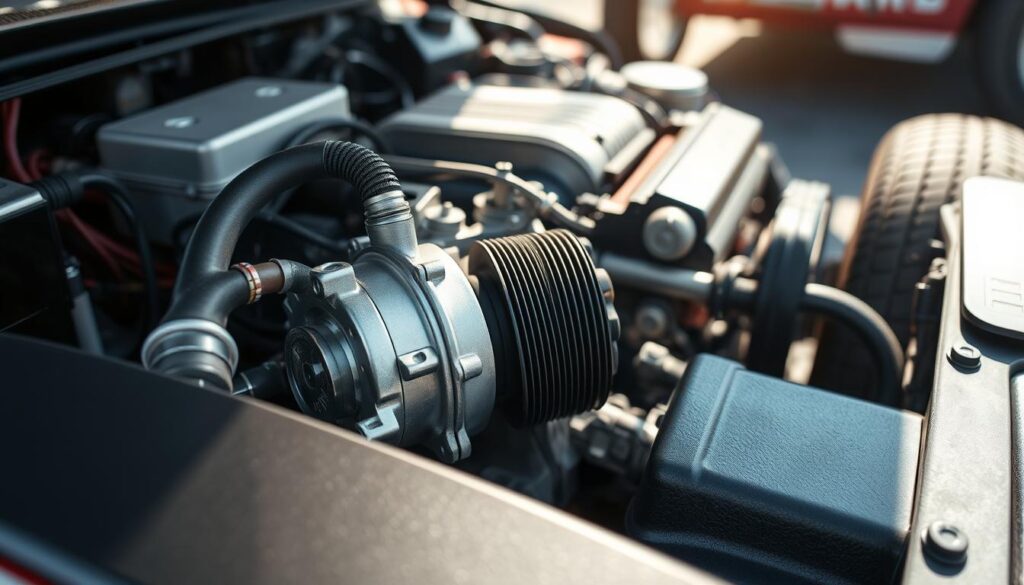
Identifying these symptoms early can help in diagnosing and fixing the underlying causes, ensuring a smoother and more efficient engine performance.
Common Causes of Rough Idle with AC Activation
When the AC is turned on, a rough idle can be a sign of underlying issues that need to be addressed. Several components and systems play a role in maintaining a smooth engine idle, and when the AC is activated, it can put additional stress on these systems, revealing potential problems.
Faulty Idle Air Control Valve
The idle air control valve regulates airflow when the engine is idling. A faulty valve can cause the engine to idle roughly, especially when the AC is on. Symptoms include stalling, rough idling, or inconsistent RPMs.
Dirty Throttle Body
A dirty throttle body can disrupt airflow, leading to rough idling. When the AC is activated, the increased engine load can exacerbate this issue. Regular cleaning of the throttle body can help prevent this problem.
Vacuum Leaks
Vacuum leaks can cause a rough idle by allowing unmetered air into the engine. When the AC is on, the engine’s vacuum system is under more stress, making leaks more noticeable. Inspecting hoses and connections for signs of wear or damage is crucial.
Failing AC Compressor
A failing AC compressor can put additional strain on the engine, leading to a rough idle. Issues with the compressor, such as worn clutch or bearings, can cause vibrations that affect engine performance. For more information on diagnosing AC-related issues, visit this resource.
Clogged Air Filter
A clogged air filter restricts airflow, causing the engine to work harder and potentially leading to a rough idle when the AC is on. Regularly replacing the air filter can help maintain optimal engine performance.
| Cause | Symptoms | Solution |
|---|---|---|
| Faulty Idle Air Control Valve | Rough idling, stalling | Replace idle air control valve |
| Dirty Throttle Body | Rough idling, inconsistent RPMs | Clean throttle body |
| Vacuum Leaks | Rough idling, decreased performance | Inspect and repair vacuum leaks |
| Failing AC Compressor | Vibrations, rough idling | Inspect and replace AC compressor if necessary |
| Clogged Air Filter | Reduced performance, rough idling | Replace air filter |
Diagnosing the Exact Problem
Diagnosing the issue of rough idle when the AC is on requires a systematic approach. It involves a series of steps that help identify the root cause of the problem.
Visual Inspection Steps
A visual inspection is the first step in diagnosing rough idle issues. Check for any signs of wear or damage on the AC components and engine. Look for leaks, worn-out belts, and loose connections. Ensure that all electrical connections are secure.
- Inspect the condition of the AC compressor and its clutch.
- Check the serpentine belt for signs of wear.
- Verify that all vacuum hoses are intact and not leaking.
Using OBD-II Scanner for Diagnosis
An OBD-II scanner is a valuable tool for diagnosing engine issues. It can provide error codes that indicate problems with the engine or AC system. Connect the scanner to the vehicle’s OBD-II port and follow the manufacturer’s instructions to retrieve any stored trouble codes.
Testing AC Components
Testing AC components involves checking their performance and integrity. Use a multimeter to test the electrical components, and inspect the AC compressor for proper operation.
When to Seek Professional Diagnosis
If you’re unsure about any aspect of the diagnosis or if the problem persists after your initial checks, it’s time to seek professional diagnosis. A professional mechanic has the tools and expertise to diagnose complex issues accurately.
Step-by-Step Fixes for AC-Related Idle Issues
Resolving AC-related rough idle issues involves a series of straightforward fixes. By addressing the potential causes systematically, you can identify and rectify the problem efficiently.
Cleaning the Throttle Body
A dirty throttle body can significantly affect engine performance, especially when the AC is on. Cleaning the throttle body is a relatively simple process that can improve idle stability.
- Disconnect the air intake duct.
- Spray a throttle body cleaner into the throttle body.
- Wipe away the dirt and grime with a lint-free cloth.
- Reassemble the components.
Replacing the Idle Air Control Valve
A faulty idle air control valve can cause rough idling. Replacing it involves:
- Locating the idle air control valve.
- Disconnecting the electrical connector.
- Removing the mounting screws.
- Installing a new idle air control valve.
Fixing Vacuum Leaks
Vacuum leaks can lead to rough idling when the AC is on. To fix them:
- Inspect vacuum hoses for cracks or damage.
- Use a vacuum gauge to detect leaks.
- Replace damaged hoses or tighten loose connections.
AC Compressor Maintenance and Replacement
The AC compressor plays a crucial role in the air conditioning system. Regular AC compressor maintenance can prevent issues.
DIY vs. Professional Repair Considerations
While some repairs, like cleaning the throttle body, can be DIY-friendly, others, such as replacing the AC compressor, may require professional expertise. Consider your comfort level and the complexity of the task.
Typical Repair Costs
Repair costs can vary widely depending on the issue and the vehicle. Here’s a rough estimate:
| Repair | Estimated Cost |
|---|---|
| Throttle Body Cleaning | $50-$100 |
| Idle Air Control Valve Replacement | $200-$500 |
| AC Compressor Replacement | $500-$1000 |
By following these step-by-step guides, you can address AC-related idle issues effectively. Whether you choose to DIY or seek professional help, understanding the potential fixes can save you time and money.
Vehicle-Specific Considerations
Vehicle-specific factors play a significant role in determining the causes of rough idle when the AC is activated. Different vehicle types and models exhibit unique characteristics that can influence engine behavior.
Common Issues in Domestic vs. Import Vehicles
Domestic and import vehicles often have distinct engine and AC system designs, which can affect how they respond to AC activation. For instance, some domestic vehicles may be more prone to idle issues due to vacuum leaks, while certain import vehicles might experience problems related to their idle air control valves.
| Vehicle Type | Common Issues |
|---|---|
| Domestic Vehicles | Vacuum leaks, faulty idle air control valves |
| Import Vehicles | Idle air control valve issues, throttle body problems |
Model-Specific Troubleshooting Tips
For model-specific troubleshooting, it’s essential to consult the vehicle’s repair manual or manufacturer’s guidelines. Certain models may have known issues that can be addressed with specific fixes.
Age-Related Factors
As vehicles age, components like the AC compressor, idle air control valve, and throttle body can wear out, contributing to rough idle issues. Regular maintenance is crucial for preventing these problems.
Conclusion
When the air conditioning is on, a rough idle can be frustrating and concerning. Throughout this article, we’ve explored the common causes of this issue, including a faulty idle air control valve, dirty throttle body, vacuum leaks, failing AC compressor, and clogged air filter. Understanding these potential causes is crucial for effective diagnosis and repair.
Proper diagnosis is key to resolving rough idle issues. Using an OBD-II scanner and performing visual inspections can help identify the root cause. By addressing the underlying problem, whether it’s cleaning the throttle body, replacing the idle air control valve, or fixing vacuum leaks, you can restore your engine’s smooth performance.
Maintaining your vehicle’s engine and AC system is essential for preventing rough idle issues. Regular checks and timely repairs can help ensure your engine runs smoothly, even when the AC is on. By following the steps outlined in this article, you can enjoy a more comfortable drive and prolong the life of your vehicle’s engine.
FAQ
What are the common causes of rough idle when the AC is on?
Common causes include a faulty idle air control valve, dirty throttle body, vacuum leaks, failing AC compressor, and clogged air filter.
How do I diagnose rough idle when the AC is on?
Diagnosis involves visual inspection steps, using an OBD-II scanner, testing AC components, and knowing when to seek professional help.
Can a faulty AC compressor cause rough idle?
Yes, a failing AC compressor can cause rough idle due to the additional load it puts on the engine.
How do I fix rough idle when the AC is on?
Fixes include cleaning the throttle body, replacing the idle air control valve, fixing vacuum leaks, and maintaining or replacing the AC compressor.
Is it safe to drive with rough idle when the AC is on?
While it may be safe to drive for a short period, rough idle can lead to further engine damage and decreased performance, so it’s recommended to diagnose and fix the issue as soon as possible.
Can a clogged air filter cause rough idle when the AC is on?
Yes, a clogged air filter can contribute to rough idle by reducing airflow to the engine, making it work harder and potentially causing idle issues.
What’s the difference between a normal idle and a rough idle?
A normal idle is smooth and consistent, while a rough idle is characterized by vibrations, shaking, or stalling, indicating a potential issue with the engine or its components.
How does the AC system affect engine performance?
The AC system puts an additional load on the engine, which can affect its performance, particularly when idling, and may cause rough idle if not properly managed by the engine’s compensation systems.