The automotive sector has undergone a profound transformation, embracing Run-Flat Tires as a pivotal innovation. These tires are engineered to maintain vehicle mobility even in the face of a puncture. This advancement has ignited fervent discussions among automotive aficionados and proponents of vehicular safety.
In the realm of tire safety, the merits and demerits of Run-Flat Tires demand meticulous examination. These tires are crafted to uphold the vehicle’s weight, enabling continued operation post-air loss. This attribute significantly bolsters vehicle mobility and could potentially avert fatalities during critical emergencies.
Key Takeaways
- Run-Flat Tires provide continued mobility after a puncture.
- They enhance vehicle safety by allowing drivers to reach a repair location.
- These tires can be more expensive than standard tires.
- Some vehicles are specially designed to accommodate Run-Flat Tires.
- The technology is evolving, with various brands offering their versions.
Understanding Run-Flat Tires
Run-flat tires signify a pivotal leap forward in tire technology, providing drivers with an elevated level of safety and convenience. These tires are engineered to bear the vehicle’s weight even when air pressure is lost, enabling continued driving to a secure location.
Definition and Basic Functionality
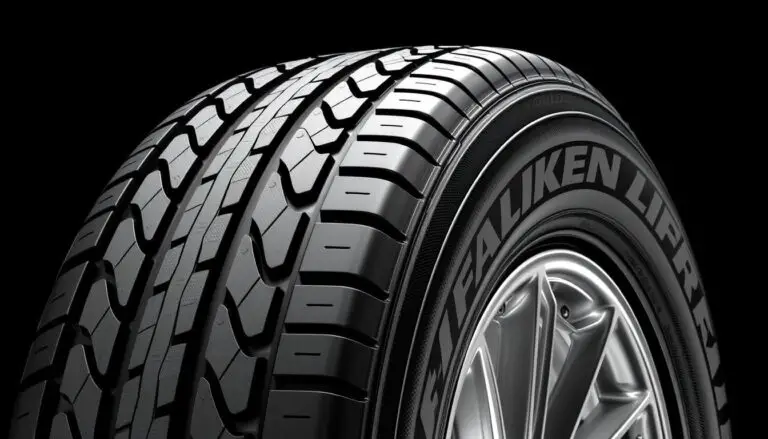
Run-flat tires boast reinforced sidewalls, capable of supporting the vehicle’s weight despite deflation. This self-supporting technology empowers drivers to navigate safely to a repair facility or a secure location for tire replacement or repair.
History and Development
The notion of run-flat tires has been in development for several decades, with notable progress in recent years. Initially conceived for military and aerospace applications, these tires have transitioned into a common feature in contemporary vehicles, propelled by automotive innovations.
Current Market Presence
Presently, run-flat tires are available from leading tire manufacturers such as Bridgestone, Michelin, and Continental. Their market share is expanding, fueled by consumer preference for enhanced safety features and the convenience they provide. The Run-Flat Tires market is anticipated to expand further as more automotive manufacturers integrate this technology into their vehicles as standard or optional features.

How Run-Flat Technology Works
The intricacies of run-flat tire functionality hinge on advanced technologies, enabling them to bear a vehicle’s load even when deflated. These tires are engineered to operate post-puncture, permitting the vehicle to traverse a specific distance and at a controlled velocity.
Self-Supporting Technology
Self-supporting run-flat tires boast reinforced sidewalls, engineered to uphold the vehicle’s weight in the face of air pressure loss. This capability is realized through the application of specialized rubber formulations and distinct sidewall architectures, adept at managing augmented stress.
Support Ring Systems
Integrating support ring systems into their design, certain run-flat tires leverage these components for enhanced support when deflated. These rings facilitate the tire’s retention of its form, thus enabling continued vehicular progression.
Tire Pressure Monitoring Systems (TPMS)
Tire Pressure Monitoring Systems (TPMS) are indispensable for the safe deployment of run-flat tires. TPMS continuously surveils tire air pressure, signaling the driver to any substantial pressure drop. This enables immediate response to puncture incidents.

The Advantages of Run-Flat Tires
Run-flat tires are engineered to ensure continued mobility and heightened safety in the event of a blowout. These tires present a multitude of advantages, profoundly impacting the driving experience.
Enhanced Safety During Blowouts
The primary benefit of run-flat tires lies in their ability to enhance safety during a blowout. Unlike conventional tires, they empower drivers to maintain control over their vehicle post-puncture, thus diminishing the likelihood of accidents.
Convenience of Continued Mobility
Run-flat tires afford drivers the convenience of continued driving post-puncture, obviating the immediate need for a tire change. This attribute is invaluable in hazardous or unfamiliar terrains.
Space and Weight Savings (No Spare Needed)
The adoption of run-flat tires results in substantial space and weight savings, obviating the necessity for a spare tire. This design advantage significantly influences vehicle design and efficiency.
Impact on Vehicle Design
Without the encumbrance of a spare tire, manufacturers enjoy greater flexibility in vehicle design. This can lead to enhanced aerodynamics, reduced weight, and potentially increased interior space.
Fuel Economy Benefits
The absence of a spare tire contributes to improved fuel economy due to reduced vehicle weight. Design optimizations facilitated by run-flat tires further augment a vehicle’s efficiency.
| Advantage | Description | Benefit |
|---|---|---|
| Enhanced Safety | Maintains vehicle control during blowouts | Reduces accident risk |
| Continued Mobility | Allows driving after a puncture | Convenience and safety |
| Space and Weight Savings | Eliminates the need for a spare tire | Improved vehicle design and fuel efficiency |
In summary, run-flat tires offer a spectrum of benefits that elevate the driving experience. These include enhanced safety, increased convenience, and potential fuel efficiency gains.
The Disadvantages of Run-Flat Tires
Run-flat tires, though beneficial in certain aspects, present notable drawbacks that necessitate careful consideration. These disadvantages are pivotal in determining the suitability of run-flat tires for a particular vehicle. An informed decision hinges on a thorough understanding of these limitations.
Higher Purchase and Replacement Costs
The elevated purchase and replacement costs of run-flat tires are a primary concern. The incorporation of advanced technology and premium materials escalates their expense. This disparity in pricing can significantly affect the overall financial burden of vehicle maintenance.
| Tire Type | Average Cost per Tire | Replacement Frequency |
|---|---|---|
| Run-Flat Tires | $200-$500 | Every 3-5 years |
| Conventional Tires | $100-$300 | Every 3-5 years |
Compromised Ride Comfort
The characteristic stiffer ride of run-flat tires can detract from the overall driving experience. The enhanced sidewalls, crucial for supporting the vehicle’s weight when deflated, contribute to a less-than-smooth ride, notably on uneven terrain.
Limited Repair Options
Unlike conventional tires, run-flat tires often present limited repair options. Frequently, they must be replaced following a puncture or damage, which can escalate maintenance costs. This necessitates more frequent replacements, further increasing the financial burden.
Availability Challenges in Remote Areas
For drivers traversing remote or rural terrains, run-flat tires can introduce availability challenges. Their specialized nature may limit their availability, rendering it difficult to procure replacements when required. This is a critical concern for those who frequently travel long distances or reside in areas with sparse automotive service providers.
In summary, while run-flat tires offer certain advantages, their drawbacks, including increased costs, compromised ride quality, limited repairability, and availability issues, are critical factors for consumers to weigh. These considerations are essential for making an informed decision regarding their adoption.
Performance Characteristics of Run-Flat Tires
In the realm of automotive technology, run-flat tires stand out for their multifaceted performance attributes, significantly impacting the driving experience. These tires are engineered to not only sustain a vehicle post-puncture but also to excel in various performance domains.
Handling and Grip Comparison
Run-flat tires are scrutinized against conventional tires in terms of handling and grip. Their robust design, albeit with stiffer sidewalls, can influence handling dynamics. Tests have shown that they can match standard tires in grip under typical driving scenarios. Yet, their performance may decline more precipitously in extreme conditions.
Fuel Efficiency Impact
The influence of run-flat tires on fuel efficiency is a critical factor. Typically, run-flat tires are heavier and possess stiffer construction than their conventional counterparts, potentially leading to a slight reduction in fuel efficiency. Yet, tire technology advancements have lessened this impact, rendering the difference less pronounced in contemporary run-flat tires.
Noise and Vibration Levels
Another critical aspect of run-flat tire performance is their noise and vibration levels. The stiffer sidewalls, which enable run-flat capability, can result in a rougher ride and potentially increased noise. Manufacturers have, though, optimized their designs to reduce these adverse effects, aiming to enhance the driving experience’s comfort.
Performance in Various Weather Conditions
Run-flat tires are engineered to perform across a spectrum of weather conditions, from dry roads to wet and snowy environments. Their performance in these diverse conditions is generally comparable to conventional tires, albeit with some models exhibiting slightly different characteristics. It is crucial to select a run-flat tire that is tailored to your local climate conditions.
| Performance Aspect | Run-Flat Tires | Conventional Tires |
|---|---|---|
| Handling and Grip | Comparable, with some degradation in extreme conditions | Standard performance |
| Fuel Efficiency | Slightly less efficient due to weight and stiffness | More efficient |
| Noise and Vibration | Potentially more noise and vibration | Generally quieter and smoother |
| Weather Performance | Generally comparable, with model-specific variations | Standard performance across conditions |
Leading Run-Flat Tire Brands and Models
In the realm of run-flat tires, a select few brands have distinguished themselves through their cutting-edge designs and steadfast performance. These market leaders have committed substantial resources to research and development, aiming to deliver the most superior products to consumers.
Bridgestone DriveGuard Series
The Bridgestone DriveGuard Series is celebrated for its pioneering technology, enabling continued mobility post-puncture. This series strikes a harmonious balance between comfort and performance, securing its position as a favorite among drivers.
Michelin ZP (Zero Pressure) Technology
Michelin’s ZP technology empowers vehicles to bear their weight even in the absence of air pressure. This groundbreaking approach guarantees safe transit to a repair station, offering drivers peace of mind.
Continental SSR (Self-Supporting Runflat)
Continental’s SSR tires are crafted to ensure a safe and comfortable driving experience. They boast a reinforced sidewall, designed to support the tire in the event of a loss of pressure.
Pirelli Run Flat Technology
Pirelli’s Run Flat tires are engineered to retain their structural integrity even when deflated. This technology instills drivers with the confidence to navigate to a safe location.
Goodyear RunOnFlat
Goodyear’s RunOnFlat tires enable drivers to traverse a limited distance and speed even after a puncture. This attribute proves invaluable in emergency scenarios.
The following table provides a comparison of the key features of these leading run-flat tire brands and models:
| Brand | Model/Technology | Key Features |
|---|---|---|
| Bridgestone | DriveGuard Series | Advanced puncture resistance, comfort, and performance |
| Michelin | ZP (Zero Pressure) | Self-supporting technology for safe driving after puncture |
| Continental | SSR (Self-Supporting Runflat) | Reinforced sidewall for safe driving and comfort |
| Pirelli | Run Flat Technology | Maintains structural integrity after deflation |
| Goodyear | RunOnFlat | Limited distance and speed driving after puncture |
In conclusion, these leading brands offer a diverse array of run-flat tire models, catering to various needs and preferences. When selecting a run-flat tire, it is crucial to weigh factors such as performance, comfort, and safety features.
Run-Flat Tires vs. Conventional Tires
Grasping the distinctions between run-flat tires and conventional tires is paramount for an informed vehicle equipping decision.
Performance Comparison
Run-flat tires are engineered to bear a vehicle’s weight post-puncture, enabling continued mobility at a controlled pace for a short span. In stark contrast, conventional tires necessitate immediate substitution or rectification upon encountering a puncture. Under typical driving scenarios, run-flat tires exhibit parity with conventional tires in terms of performance. Yet, their stiffer sidewalls may detract from ride comfort.
Cost Analysis Over Vehicle Lifetime
The initial premium of run-flat tires over conventional tires is offset by several variables, including the obviation of spare tire expenditures and diminished flat tire-related strandedness risk. A meticulous cost evaluation is imperative to ascertain the financially advantageous choice.
| Tire Type | Initial Cost | Lifetime Cost |
|---|---|---|
| Run-Flat Tires | Higher | Potentially Lower |
| Conventional Tires | Lower | Potentially Higher |
Longevity and Durability Differences
Run-flat tires, with their reinforced sidewalls, present a nuanced durability and longevity profile. Typically, their lifespan mirrors that of conventional tires, albeit with restricted repair avenues. Conventional tires, conversely, frequently benefit from puncture repair capabilities.
Emergency Situation Handling
In emergency contexts, run-flat tires’ capacity to facilitate vehicle progression to a secure locale is a critical advantage, mitigating the risk of abandonment. Conventional tires, though lacking this capability, can be complemented by a spare tire or tire repair kit to counteract such perils.
Maintenance and Care for Run-Flat Tires
The longevity and optimal performance of run-flat tires hinge on meticulous maintenance. These tires, akin to any advanced tire technology, necessitate specific care to uphold their safety and performance attributes.
Proper Inflation Practices
Adherence to the correct tire pressure is paramount for the enduring performance and longevity of run-flat tires. Inflation below the recommended level can precipitate accelerated wear and excessive heat, potentially culminating in tire failure. It is imperative to verify tire pressure at least monthly and prior to extended journeys, employing a premium tire pressure gauge.
Rotation Recommendations
Consistent tire rotation is imperative to foster even tread wear on run-flat tires. The rotation pattern may fluctuate based on the vehicle manufacturer’s directives. Generally, run-flat tires necessitate rotation every 6,000 to 8,000 miles.
Monitoring Wear Patterns
Regular examination of your run-flat tires for signs of uneven wear is crucial. Such wear can signal issues such as improper inflation, misaligned wheels, or other vehicular malfunctions that require prompt attention.
When to Replace Run-Flat Tires
Run-flat tires must be replaced when the tread depth falls below the manufacturer’s minimum threshold, typically 2/32″, or when uneven wear is evident. It is also imperative to replace run-flat tires post-use in supporting the vehicle during a puncture or other damage.
- Check tire pressure monthly
- Rotate tires every 6,000 to 8,000 miles
- Inspect tires regularly for uneven wear
- Replace tires when tread depth is low or after supporting the vehicle during damage
Who Should Consider Run-Flat Tires?
The decision to opt for run-flat tires hinges on various factors, including your driving environment and personal preferences. A thorough understanding of these elements is crucial for making an informed decision regarding the suitability of run-flat tires for your vehicle.
Urban vs. Rural Drivers
Urban drivers may find run-flat tires more beneficial due to the reduced likelihood of being stranded in remote areas. In contrast, rural drivers encounter different challenges, such as more rugged road conditions, which could affect the performance of run-flat tires.
Urban drivers should consider the following key factors:
- Frequent stop-and-go traffic
- Lower speeds
- Access to tire repair services
Geographic and Climate Considerations
Drivers residing in areas with extreme temperatures or weather conditions must evaluate how these factors influence run-flat tire performance. For example, run-flat tires may exhibit different handling characteristics in very hot or cold climates.
Driving Habits and Priorities
Your driving habits significantly influence whether run-flat tires are suitable for you. If comfort is a priority, you should consider the potential trade-offs in ride quality associated with run-flat tires.
Vehicle Types Best Suited for Run-Flats
Certain vehicle types are more compatible with run-flat tires, such as luxury vehicles and performance cars. These vehicles often possess the necessary suspension and chassis support to optimize the performance of run-flat tires.
Key benefits for these vehicle types include:
- Enhanced safety features
- Improved handling
- Reduced risk of being stranded due to a flat tire
Conclusion: Are Run-Flat Tires Right for You?
The selection of appropriate tires for your vehicle necessitates a comprehensive evaluation of several critical elements, including safety, convenience, and economic considerations. Run-flat tires, while enhancing safety during blowouts and offering the convenience of uninterrupted mobility, incur elevated acquisition and replacement costs. They also compromise on ride comfort and present limited repair options.
In deliberating on the adoption of run-flat tires, it is imperative to meticulously assess the balance between their advantages and disadvantages relative to your driving habits and requirements. For urban commuters who prioritize both safety and the convenience of uninterrupted travel, run-flat tires emerge as a superior choice. In contrast, drivers who traverse remote terrains or emphasize ride comfort may find conventional tires more advantageous.
Ultimately, the determination of whether run-flat tires are appropriate hinges on a thorough understanding of your driving habits and how they correlate with the attributes of run-flat tires. By scrutinizing your typical driving environment, the type of vehicle you operate, and your personal preferences, you can make a well-informed decision that aligns with your lifestyle.
FAQ
What are run-flat tires?
Run-flat tires are engineered to uphold the vehicle’s weight, enabling continued operation post-puncture. This provision grants the driver a margin to locate a repair facility or a secure location for tire substitution.
How do run-flat tires work?
The functionality of run-flat tires is attributed to advanced technologies. These include self-supporting mechanisms, support ring systems, and Tire Pressure Monitoring Systems (TPMS). Such innovations facilitate the maintenance of structural integrity and vehicle weight support even in deflated states.
Are run-flat tires more expensive than regular tires?
Affirmatively, run-flat tires command a premium due to their sophisticated design and technology. These attributes are pivotal in ensuring safe operation post-puncture, elevating their cost relative to conventional tires.
Can run-flat tires be repaired?
The repairability of run-flat tires is constrained by their distinct construction. Typically, replacement is advocated post-puncture, as repair reliability and safety are compromised.
Do run-flat tires affect vehicle performance?
Run-flat tires can influence handling, traction, and ride quality when contrasted with standard tires. Performance disparities are brand and model-specific, potentially manifesting as increased noise or vibration.
Are run-flat tires available for all vehicle types?
Availability of run-flat tires spans a broad spectrum, encompassing passenger vehicles, SUVs, and certain light trucks. Notwithstanding, compatibility with all models or sizes is not universal.
How do I maintain run-flat tires?
Adherence to maintenance protocols for run-flat tires is imperative. This entails regular inflation checks, tire rotation, monitoring wear patterns, and timely replacement, mirroring the regimen for conventional tires.
Can I switch from conventional tires to run-flat tires?
Transition from conventional to run-flat tires is feasible, contingent upon vehicle compatibility verification. It is crucial to ascertain the run-flat tires’ correct size and specification for your vehicle.
What are the benefits of run-flat tires for urban drivers?
Urban drivers derive several advantages from run-flat tires. These include enhanced safety, uninterrupted mobility post-puncture, and space optimization by obviating the need for a spare tire.
Are there any specific driving habits that are recommended for run-flat tires?
Drivers utilizing run-flat tires must remain cognizant of their vehicle’s handling nuances. They should drive with caution and adhere to the manufacturer’s stipulations regarding speed and distance when operating on a deflated run-flat tire.