Having trouble with your RV air conditioner not functioning properly can be frustrating, especially during hot summer trips. If your RV AC is not turning on, it’s essential to identify the root cause and take corrective action.
Before calling a professional, you can try resetting the unit or checking the circuit breaker. Issues like a tripped breaker or faulty thermostat can often be resolved with simple troubleshooting. For more complex problems, understanding the reasons behind the malfunction is crucial.
By following the right troubleshooting steps, you can get your RV’s air conditioning system up and running again. This guide will walk you through the process, helping you to diagnose and potentially fix the issue.
Key Takeaways
- Check the circuit breaker for any tripped issues.
- Try resetting the RV air conditioner unit.
- Inspect the thermostat for any faults.
- Understand common issues that cause RV AC malfunction.
- Follow a step-by-step troubleshooting guide.
Understanding Your RV’s Air Conditioning System
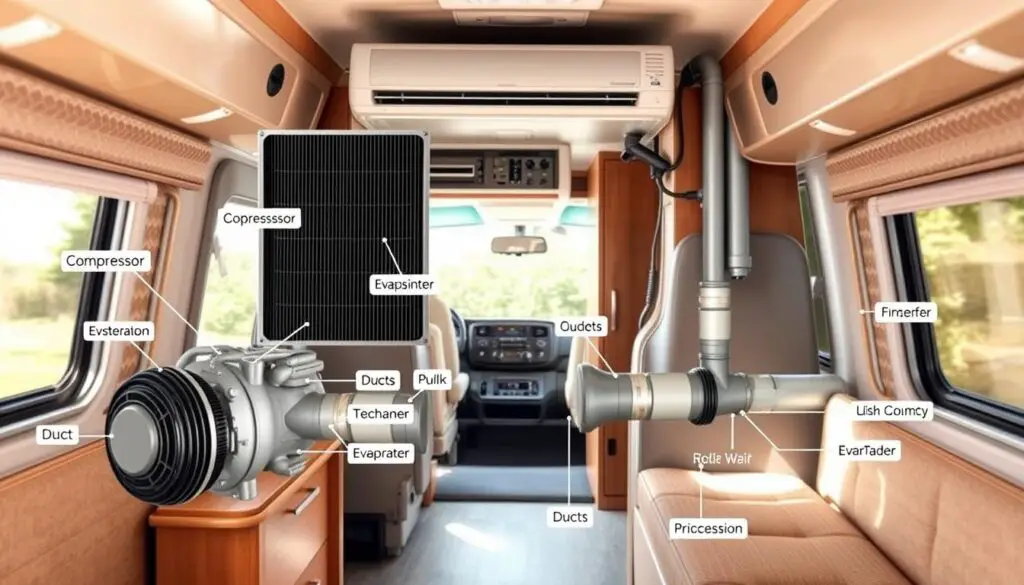
To troubleshoot RV AC problems, it’s essential to comprehend the components and functionality of the air conditioning system. The RV AC system is made up of several key components that work together to provide cooling. These components include the compressor, condenser coils, evaporator coils, and thermostat.
Common RV AC Components and How They Work
The compressor is often considered the heart of the AC system, responsible for compressing the refrigerant that cools the air. The condenser coils dissipate heat from the refrigerant, while the evaporator coils absorb heat from the RV’s interior. Understanding how these components interact is crucial for diagnosing issues.
Different Types of RV Air Conditioners (Dometic, Coleman, Airxcel)
RV air conditioners come in various brands, including Dometic, Coleman, and Airxcel. Each brand has its unique features and benefits. For instance, Dometic is known for its high-efficiency models, while Coleman offers robust units designed for harsh conditions.
| Brand | Model Type | Efficiency Rating |
|---|---|---|
| Dometic | High-Efficiency | 15 SEER |
| Coleman | Robust | 13 SEER |
| Airxcel | Compact | 12 SEER |
How Power Flows to Your RV AC Unit
Power to the RV AC unit typically comes from either shore power, a generator, or batteries. Ensuring a stable power supply is crucial for the AC to function correctly. For more information on maintaining your RV’s electrical system, you can visit this resource on automotive air conditioning.
Common Reasons Why Your RV AC Won’t Turn On
If your RV’s air conditioner is not turning on, it’s crucial to identify the root cause, which could range from power supply problems to compressor failures. Understanding these potential issues can help you troubleshoot effectively.
Power Supply Issues (Shore Power, Generator, Battery)
A common reason for an RV AC not turning on is a power supply issue. This can be due to problems with shore power, generator failure, or battery drain. Ensuring that your RV is properly connected to a power source or that your generator is functioning correctly is essential.
Thermostat Problems and Control Board Failures
Thermostat malfunctions or control board failures can also prevent your RV AC from turning on. The thermostat regulates the temperature, and if it’s not working correctly, the AC won’t start. Similarly, a faulty control board can disrupt the entire AC system.
Circuit Breaker and Fuse Failures
Circuit breaker trips or blown fuses are another common issue. If the circuit breaker has tripped or a fuse has blown, it will cut off power to the AC unit, preventing it from turning on. Checking and resetting or replacing these components can often resolve the issue.
Compressor and Capacitor Issues
The compressor and capacitor are critical components of the AC system. A faulty compressor or a malfunctioning capacitor can prevent the AC from turning on. These components require professional diagnosis and repair.
| Issue | Possible Cause | Potential Solution |
|---|---|---|
| Power Supply Issues | Shore power, generator, or battery problems | Check connections, ensure generator is working |
| Thermostat Problems | Thermostat malfunction | Replace thermostat if necessary |
| Circuit Breaker Failures | Tripped circuit breaker or blown fuse | Reset or replace circuit breaker or fuse |
| Compressor Issues | Compressor or capacitor failure | Consult a professional for diagnosis and repair |
RV AC Won’t Turn On: Steps To Reset and Solve This Issue
Before you call a professional, try resetting your RV AC by following a series of troubleshooting steps designed to identify and potentially fix the problem. Resetting your RV’s air conditioning unit can be a simple process if you follow the right steps, starting with ensuring your safety while troubleshooting.
Safety Precautions Before Troubleshooting
Before you begin troubleshooting your RV AC, it’s crucial to take some safety precautions. Always turn off the power supply to the AC unit before starting any work. This can usually be done by switching off the circuit breaker or removing the fuse that controls power to the AC. Verify that the unit is completely powered down using a non-contact voltage tester to avoid electrical shock.
How to Reset Your RV Air Conditioner
Resetting your RV AC involves several steps, starting with power cycling the entire system.
Power Cycling the Entire System
To power cycle your RV AC, turn off the AC unit and then switch off the power supply at the circuit breaker or fuse box. Wait for 30 seconds before turning the power back on. This simple reset can sometimes resolve issues caused by temporary glitches.
Resetting the Thermostat
If power cycling doesn’t work, try resetting the thermostat. Ensure it’s set to “cool” mode and the temperature is set low enough to activate the AC. Some thermostats may have a reset button; consult your user manual for specific instructions.
Resetting Circuit Breakers and Checking Fuses
Check your RV’s electrical panel for tripped circuit breakers or blown fuses related to the AC unit. Reset any tripped breakers or replace blown fuses as necessary.
| Component | Action | Notes |
|---|---|---|
| Circuit Breaker | Reset | If tripped, reset it |
| Fuses | Check and Replace | Replace if blown |
| Thermostat | Reset | Consult user manual |
Checking and Resetting the Capacitor
A faulty capacitor can prevent your RV AC from turning on. To check it, discharge the capacitor using a screwdriver with an insulated handle, then inspect it for any signs of damage or wear. If damaged, consider replacing it.
By following these steps, you can troubleshoot and potentially reset your RV AC to get it working again. Remember, safety should always be your top priority when working with electrical systems.
DIY Troubleshooting and Repair Guide
A malfunctioning RV AC can disrupt your travel plans, but by following a step-by-step troubleshooting guide, you can get back on track. Troubleshooting your RV’s air conditioning unit can seem daunting, but with the right tools and knowledge, you can identify and potentially fix the issue.
Tools You’ll Need for RV AC Troubleshooting
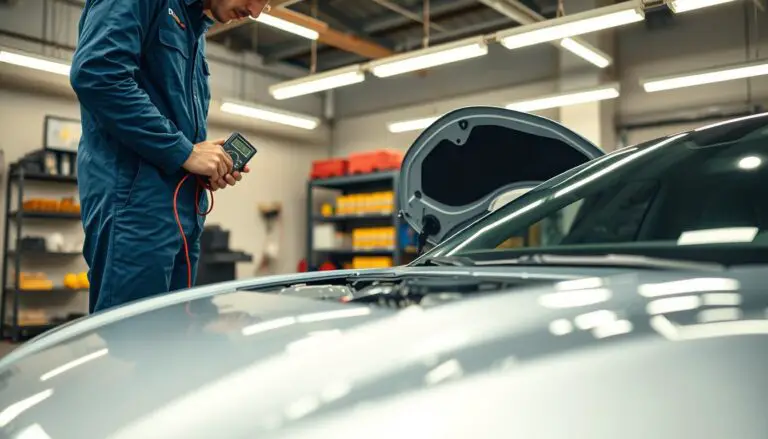
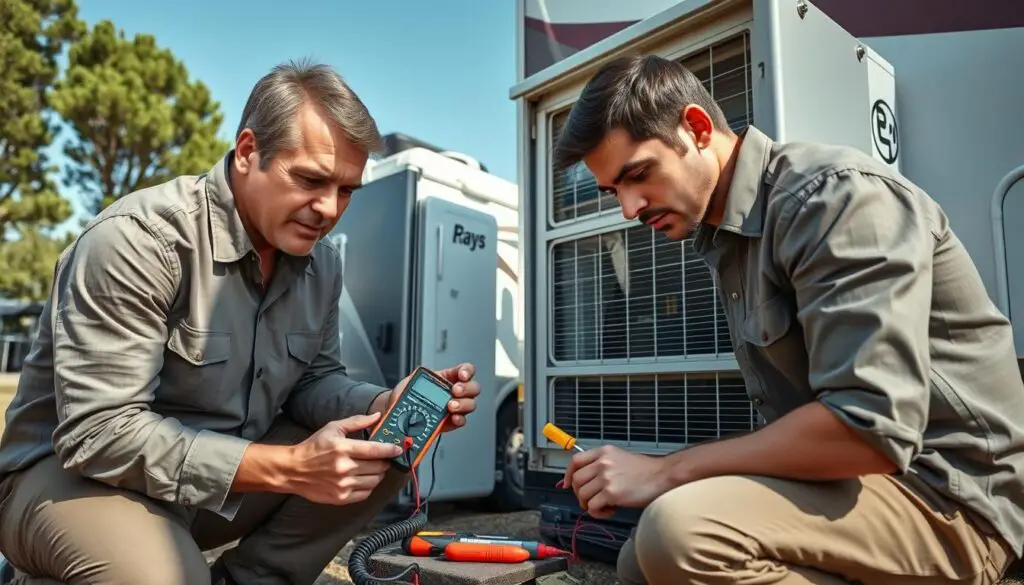
Before you start troubleshooting your RV AC, it’s essential to have the right tools. These include a multimeter for checking electrical connections, a screwdriver set for accessing internal components, and a soft brush for cleaning condenser coils.
- Multimeter
- Screwdriver set
- Soft brush
- Vacuum cleaner
- Replacement air filters
Testing Power Supply and Connections
One of the first steps in troubleshooting your RV AC is to check the power supply and connections. Ensure that your RV is properly connected to a power source and that the circuit breaker hasn’t tripped.
Steps to test power supply:
- Check the shore power connection.
- Verify the generator is functioning correctly.
- Inspect the circuit breaker and fuses.
Cleaning or Replacing Air Filters
Dirty or clogged air filters can significantly reduce the efficiency of your RV AC. Regularly cleaning or replacing these filters can improve airflow and cooling performance.
| Filter Type | Cleaning Frequency | Replacement Interval |
|---|---|---|
| Standard Air Filter | Every 1 month | Every 6 months |
| High-Efficiency Filter | Every 2 months | Every 12 months |
Inspecting and Cleaning the Condenser Coils
The condenser coils play a crucial role in dissipating heat from your RV AC. Inspecting and cleaning these coils regularly can help maintain optimal performance.
Tip: Use a soft brush and vacuum cleaner to gently clean the condenser coils.
Checking for Frozen Evaporator Coils
Frozen evaporator coils can indicate a problem with airflow or refrigerant levels. Checking for ice buildup and addressing the underlying cause can help prevent further damage.
Signs of frozen evaporator coils:
- Ice buildup on the coils
- Reduced airflow
- Increased energy consumption
Preventative Maintenance and When to Call a Professional
Preventative maintenance is essential for ensuring your RV’s air conditioner operates effectively. Regular checks and maintenance tasks can help prevent major issues and prolong the lifespan of your AC unit.
Regular Maintenance Schedule for RV Air Conditioners
To keep your RV AC in top condition, follow a regular maintenance schedule. This includes inspecting and cleaning filters, checking for refrigerant leaks, and ensuring proper airflow around the unit.
| Maintenance Task | Frequency |
|---|---|
| Inspect and clean air filters | Monthly |
| Check refrigerant levels | Every 6 months |
| Clean condenser coils | Every 3 months |
Signs of Major AC System Failure
Be aware of signs indicating major AC system failure, such as unusual noises, reduced airflow, or increased energy bills. If you notice any of these symptoms, it’s crucial to address them promptly.
Refrigerant Issues That Require Professional Help
Refrigerant leaks or low refrigerant levels can significantly impact your RV AC’s performance. These issues often require professional assistance to diagnose and repair.
Finding a Qualified RV AC Repair Specialist
When seeking professional help, look for certified technicians with experience in RV AC repair. Check online reviews and ask for referrals to find a reliable specialist.
Cost Considerations: Repair vs. Replacement
When deciding between repairing and replacing your RV AC, consider factors like the unit’s age, repair costs, and overall condition. In some cases, replacement may be more cost-effective in the long run.
Conclusion
Properly maintaining your RV’s air conditioning system is crucial for its longevity and efficiency. By following the troubleshooting steps and maintenance tips outlined in this article, you can ensure your RV AC operates smoothly throughout its lifespan.
A comprehensive RV AC troubleshooting summary involves checking the power supply, thermostat, circuit breaker, and capacitor. Regularly cleaning or replacing air filters and inspecting condenser coils also play a significant role in maintaining your RV AC’s performance.
For long-term reliability, adhere to a regular RV AC maintenance summary schedule. This includes inspecting electrical connections, checking refrigerant levels, and ensuring proper airflow around the condenser coils. By doing so, you can prevent common issues and reduce the need for costly repairs.
By understanding how to troubleshoot and maintain your RV AC, you can enjoy a comfortable and stress-free RV experience. Whether you’re a seasoned RV owner or new to the world of recreational vehicles, staying on top of your AC’s maintenance will pay dividends in the long run.
FAQ
What are the common reasons why my RV AC won’t turn on?
Common reasons include power supply issues, thermostat problems, circuit breaker failures, and compressor or capacitor issues.
How do I reset my RV air conditioner?
To reset your RV AC, try power cycling the entire system, resetting the thermostat, or resetting circuit breakers and checking fuses.
What safety precautions should I take before troubleshooting my RV AC?
Ensure you switch off the power supply to the AC unit, wear protective gear, and avoid touching electrical components to prevent injury.
How often should I perform maintenance on my RV air conditioner?
Regular maintenance is recommended at least once a year, or more frequently if you use your RV extensively.
Can I clean or replace the air filters in my RV AC myself?
Yes, cleaning or replacing air filters is a simple DIY task that can improve airflow and efficiency.
What are the signs of major AC system failure?
Signs include reduced airflow, unusual noises, increased energy bills, and visible signs of refrigerant leaks.
How do I know if my RV AC needs repair or replacement?
Consider factors like the age of the unit, cost of repairs, and overall performance to decide between repair and replacement.
Can I troubleshoot power supply issues with my RV AC?
Yes, you can test the power supply and connections to identify potential issues, such as faulty circuit breakers or fuses.
What tools do I need for RV AC troubleshooting?
Basic tools include a multimeter, screwdrivers, and pliers, while more advanced troubleshooting may require specialized equipment.
How do I inspect and clean the condenser coils?
Turn off the power, remove debris, and gently clean the coils with a soft brush or specialized cleaning solution to maintain efficiency.