A vehicle’s engine is a complex system, and one of its critical components is the head gasket. The head gasket plays a vital role in sealing the engine’s cylinders, ensuring proper compression, and preventing coolant and engine oil from mixing. When a head gasket fails, it can lead to significant engine damage if not addressed promptly.
Recognizing the symptoms of a blown head gasket is crucial for early detection and repair. Some common indicators include engine overheating, white smoke from the exhaust, and a significant loss of coolant. Understanding these signs can help vehicle owners take timely action to prevent further damage.
Key Takeaways
- Understanding the role of a head gasket in a vehicle’s engine.
- Recognizing common symptoms of a blown head gasket.
- Importance of early detection and repair.
- Causes of head gasket failure.
- Potential consequences of neglecting a blown head gasket.
Understanding Head Gaskets and Their Function
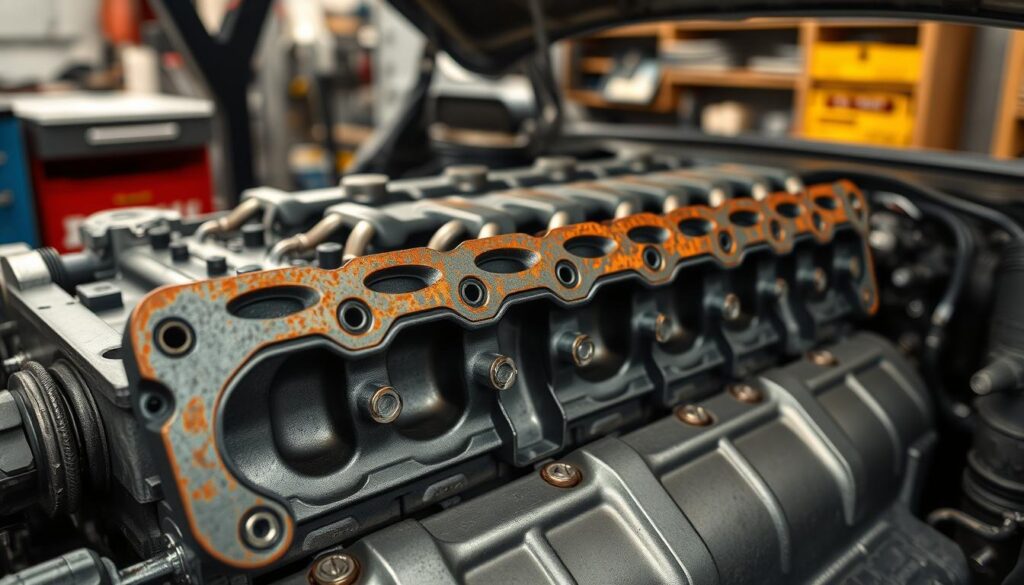
The head gasket serves as a crucial seal between the engine block and cylinder head, playing a vital role in the engine’s operation. It is designed to withstand the high pressures and temperatures within the engine, ensuring that the combustion process is contained and efficient.
What a Head Gasket Does in Your Engine
A head gasket is a critical engine component that seals the cylinder head to the engine block, preventing leaks of coolant, oil, and combustion gases. Its primary function is to maintain the integrity of the engine’s combustion chambers, ensuring that the engine operates efficiently and effectively. By sealing the engine’s cylinders, the head gasket helps to regulate engine temperature and prevent damage from overheating.
Common Causes of Head Gasket Failure
Head gasket failure can be attributed to several factors, including overheating, poor maintenance, and manufacturing defects. When an engine overheats, the head gasket can become damaged, leading to leaks and decreased engine performance. Regular maintenance, such as checking coolant levels and ensuring proper engine cooling, can help prevent head gasket failure. Additionally, manufacturing defects can also contribute to premature head gasket failure.
Sign #1: White or Blue Exhaust Smoke
One of the most noticeable signs of a blown head gasket is the presence of white or blue smoke emanating from your vehicle’s exhaust. This symptom occurs when coolant or engine oil leaks into the combustion chamber and is burned along with the fuel.
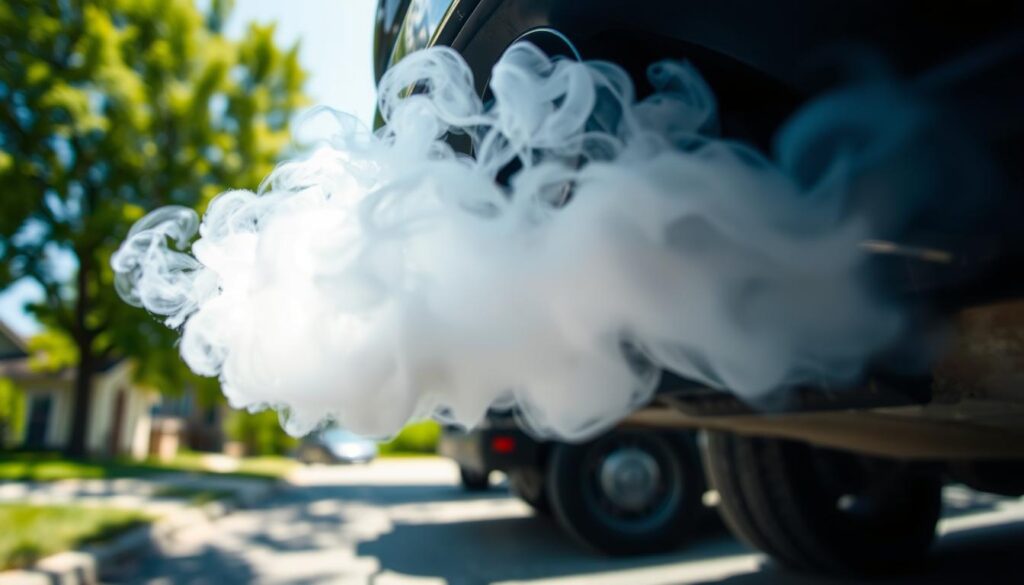
A blown head gasket allows fluids to seep into the engine’s combustion chamber, resulting in colored exhaust smoke. White smoke typically indicates coolant is being burned, while blue smoke suggests engine oil is being consumed.
What Causes Smoke from a Blown Head Gasket
The primary cause of smoke from a blown head gasket is the leakage of coolant or oil into the combustion chamber. When this happens, these fluids are burned, producing visible smoke.
- Coolant leakage results in white smoke.
- Engine oil leakage leads to blue smoke.
How to Test and Confirm This Symptom
To confirm if white or blue exhaust smoke is due to a blown head gasket, you can perform a few simple tests:
- Check your coolant and oil levels regularly to identify any unusual consumption.
- Look for signs of leakage around the head gasket area.
- Use a compression test to identify any potential leaks in the engine.
By following these steps, you can determine if your vehicle’s symptoms are related to a blown head gasket.
Sign #2: Engine Overheating Issues
A blown head gasket can cause your engine to overheat, leading to potentially catastrophic engine damage. Engine overheating is a serious issue that drivers should not ignore, as it can lead to costly repairs if not addressed promptly.
Why Head Gasket Failures Cause Overheating
When a head gasket fails, it can allow coolant to leak into the engine’s combustion chamber or into the engine’s oil system. This leakage can lead to a decrease in the coolant level, causing the engine to overheat. Head gasket failure is a common cause of engine overheating because it disrupts the engine’s ability to regulate its temperature properly.
For instance, if you’re driving a BMW and suspect a blown head gasket, you might want to check out the BMW head gasket replacement cost to understand the potential financial implications of such a repair.
Monitoring Your Temperature Gauge
One of the simplest ways to detect engine overheating is by monitoring your temperature gauge. Most modern vehicles are equipped with a temperature gauge on the dashboard that indicates the engine’s operating temperature. If the gauge needle enters the red zone or you see a warning light, it’s a sign that your engine is overheating.
Regularly checking your coolant level and ensuring that your cooling system is functioning correctly can help prevent overheating issues. It’s also crucial to address any signs of overheating promptly to avoid severe engine damage.
| Symptom | Description | Possible Cause |
|---|---|---|
| Temperature Gauge in Red Zone | The temperature gauge needle moves into the red zone, indicating high engine temperature. | Low Coolant Level, Faulty Thermostat, or Blown Head Gasket |
| Coolant Leak | Visible signs of coolant leakage around the head gasket area. | Blown Head Gasket, Damaged Coolant Hose, or Loose Connection |
| Overheating Warning Light | The dashboard warning light illuminates, signaling engine overheating. | Engine Overheating due to Various Causes Including Blown Head Gasket |
Sign #3: Contaminated Fluids
One of the critical signs of a head gasket failure is the contamination of engine fluids. When the head gasket is compromised, it can allow coolant to leak into the engine’s oil system, leading to contaminated fluids. This contamination can have serious consequences for your engine’s health.
Identifying “Milky” Oil or Contaminated Coolant
A common sign of coolant leakage into the engine oil is the presence of “milky” or creamy oil. This occurs when coolant mixes with the oil, creating a distinct appearance. To check for this, look at your oil dipstick; if the oil has a milky color, it may indicate a leak. Similarly, inspect the coolant for signs of oil contamination, such as a thick, sludgy texture or an oily sheen on the surface.
Step-by-Step Fluid Inspection Process
Inspecting your engine fluids regularly can help you catch potential issues early. Here’s a step-by-step guide:
- Check the oil dipstick for milky or creamy oil.
- Inspect the coolant reservoir for signs of oil contamination.
- Look for any unusual odors or colors in the fluids.
Regular inspections can help identify contamination early, potentially preventing more severe damage.
| Fluid Type | Signs of Contamination | Possible Cause |
|---|---|---|
| Engine Oil | Milky or creamy color | Coolant leakage |
| Coolant | Thick, sludgy texture or oily sheen | Oil leakage into coolant |
Sign #4: External Leaks and Sweet Smells
External leaks and sweet smells are two critical indicators that your vehicle’s head gasket might be compromised. When a head gasket fails, it can lead to various symptoms, including leaks and unusual odors.
Locating and Identifying Head Gasket Leaks
To identify head gasket leaks, start by visually inspecting the engine area for signs of moisture or oil leakage. You can also perform a pressure test to detect any leaks in the cooling system or engine.
A simple way to check for leaks is to look for:
- Drips or puddles under the vehicle, especially after it has been running.
- Coolant or oil residue on the engine or surrounding components.
- White smoke or bubbles in the coolant reservoir.
| Symptom | Possible Cause | Action |
|---|---|---|
| External Leaks | Damaged Head Gasket | Inspect and replace the head gasket if necessary. |
| Sweet Smells | Coolant Leak | Check coolant levels and inspect for leaks. |
The Significance of Sweet Smells from Your Engine
The presence of sweet smells around the engine area can indicate a coolant leak, which is often associated with a blown head gasket. Coolant contains ethylene glycol, which has a distinct sweet odor.
If you notice a sweet smell:
- Check the coolant level to see if it’s lower than expected.
- Inspect the engine and surrounding areas for signs of leakage.
- Consider having a professional mechanic inspect your vehicle.
Signs You May Have a Blown Head Gasket: Performance Issues
A failing head gasket can cause a range of performance problems, affecting your driving experience. When a head gasket fails, it can lead to several issues that affect how your engine runs. Understanding these performance issues is crucial for diagnosing a blown head gasket.
Power Loss, Rough Idling, and Misfiring
A blown head gasket can result in power loss, rough idling, and misfiring. These symptoms occur because the head gasket failure compromises the engine’s ability to maintain proper compression and combustion. Power loss is often felt as a decrease in the vehicle’s acceleration and overall performance. Rough idling can cause the engine to vibrate more than usual, and misfiring can lead to a decrease in fuel efficiency and engine performance.
Compression and Pressure Tests to Confirm
To confirm if a blown head gasket is causing the performance issues, mechanics often conduct compression tests and pressure tests. These tests help identify any leaks or weaknesses in the engine’s cylinders. A compression test measures the pressure within each cylinder, while a pressure test checks for leaks. The results of these tests can help diagnose a blown head gasket and determine the extent of the damage.
| Test Type | Purpose | Indications |
|---|---|---|
| Compression Test | Measures cylinder pressure | Low pressure indicates a leak or blown head gasket |
| Pressure Test | Checks for engine leaks | Leaks detected can signify a blown head gasket |
Diagnosing and Addressing the Problem
A blown head gasket can be diagnosed using a range of techniques, from simple observations to advanced testing procedures. The key is to identify the symptoms accurately and then apply the appropriate diagnostic method.
DIY Testing Methods
For those who prefer to diagnose issues themselves, several DIY testing methods can be employed. These include checking for signs of leakage around the head gasket area, using a compression test to identify any loss of compression in the engine cylinders, and performing a leak-down test to pinpoint where the pressure is escaping.
Compression tests are particularly useful as they can indicate if there’s a leak between the engine’s cylinders or between a cylinder and the cooling system.
Professional Diagnostic Procedures
While DIY methods can be helpful, professional diagnostic procedures offer a more precise diagnosis. Mechanics use advanced tools like chemical leak detectors to identify the presence of combustion gases in the cooling system, indicating a head gasket failure.
Temporary Solutions vs. Permanent Repairs
Once a blown head gasket is diagnosed, the next step is to decide on the repair approach. Temporary solutions, such as using sealants, might offer a short-term fix but are generally not recommended as they can lead to further engine damage.
A permanent repair involves replacing the head gasket, which is a more time-consuming and costly process but ensures the longevity and health of the engine.
Conclusion: Next Steps and Prevention
Identifying the signs of a blown head gasket is crucial for taking prompt action to prevent further engine damage. Regular maintenance is key to avoiding head gasket failure. This includes monitoring coolant levels, checking for signs of leakage, and addressing any issues promptly.
To take next steps, consider having a professional mechanic inspect your engine if you suspect a blown head gasket. They can perform diagnostic tests to confirm the issue and recommend the necessary repairs. In some cases, a blown head gasket may require a costly overhaul, but addressing the problem early can save you from more extensive damage.
Effective blown head gasket maintenance involves being proactive about your engine’s health. Regularly check your vehicle’s fluids, monitor the temperature gauge, and address any unusual symptoms. By staying on top of maintenance, you can reduce the risk of head gasket failure and ensure your engine runs smoothly for years to come.
By understanding the signs and taking proactive steps, you can protect your engine and avoid costly repairs. Stay vigilant, and prioritize prevention to keep your vehicle in top condition.