A blown head gasket is a serious issue that can lead to significant engine damage if not addressed promptly. For Subaru owners, identifying the symptoms of a blown head gasket is crucial to prevent costly repairs.
Recognizing the signs of head gasket failure early on can save you from more extensive engine damage. This article aims to guide you through the common indicators of a blown head gasket and provide a step-by-step diagnosis process.
Key Takeaways
- Understanding the symptoms of a blown head gasket
- Importance of early diagnosis
- Steps to diagnose head gasket issues
- Preventing further engine damage
- Common signs of head gasket failure
Understanding Subaru Head Gaskets and Their Vulnerability
Understanding the role of head gaskets in Subaru’s Boxer engines is essential for maintaining engine health. Head gaskets serve as a critical seal between the engine block and cylinder head, preventing leaks of coolant, oil, and combustion gases.
The Function of Head Gaskets in Boxer Engines
In Subaru’s Boxer engines, head gaskets play a vital role in maintaining the integrity of the combustion chamber. They are designed to withstand the high pressures and temperatures generated during engine operation. A faulty head gasket can lead to significant engine performance issues, including overheating and loss of power.
Common Subaru Models Affected by Head Gasket Issues
Several Subaru models are known to be prone to head gasket issues, particularly those produced between 1996 and 2004. The Subaru Outback, Legacy, and Impreza models from these years are commonly affected. Owners of these vehicles should be vigilant about monitoring their engine’s performance and watching for signs of head gasket failure.
| Model | Year Range | Common Issues |
|---|---|---|
| Subaru Outback | 1996-2004 | Head gasket failure, overheating |
| Subaru Legacy | 1996-2004 | Head gasket leaks, coolant loss |
| Subaru Impreza | 1996-2004 | Engine overheating, power loss |
Why Subaru Engines Are Prone to Head Gasket Failures
Subaru engines are more susceptible to head gasket failures due to their Boxer configuration and design specifications. The flat, horizontal layout of the Boxer engine can lead to uneven cooling and increased stress on the head gasket. Additionally, factors such as improper tightening of head bolts, poor engine maintenance, and manufacturing defects can contribute to head gasket failure.
How to Tell if Subaru Head Gasket Is Blown: Signs & Diagnosis
Recognizing the symptoms of a blown head gasket is crucial for maintaining your Subaru’s performance and longevity. A blown head gasket can lead to serious engine damage if not addressed promptly. In this section, we will explore the key signs and diagnostic methods to identify a blown head gasket in your Subaru.
External Symptoms: Visible Leaks and Residue
One of the most noticeable signs of a blown head gasket is the presence of external leaks and residue around the head gasket area. Coolant or engine oil leaks can be visible on the ground or on the engine itself. Inspect the area around the head gasket for any signs of leakage or residue. A milky substance in the oil filler cap or on the dipstick can also indicate coolant leakage into the engine.
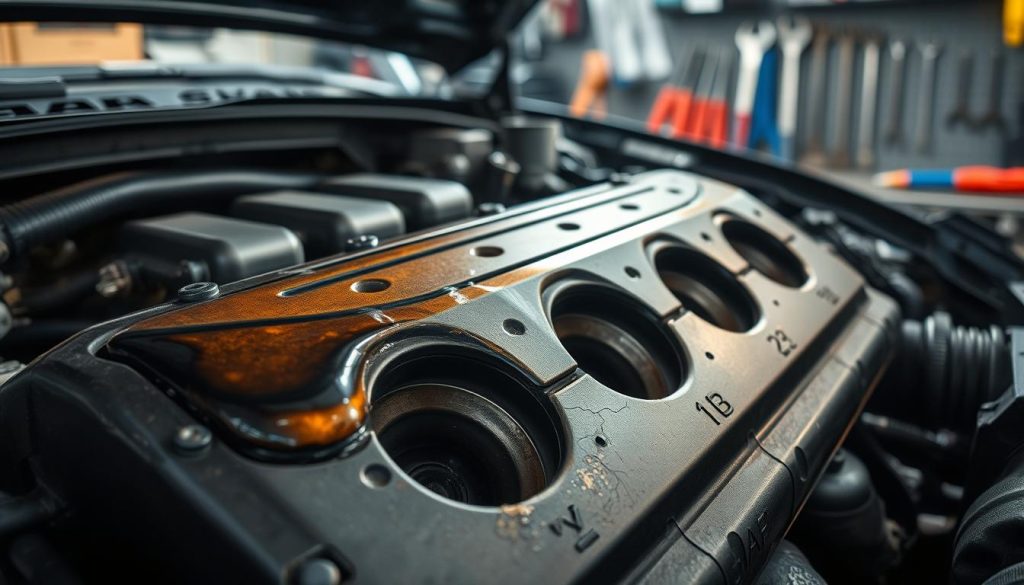
Additionally, look for white smoke emanating from the exhaust pipe, which can be a sign of coolant leaking into the combustion chamber. External symptoms like these require immediate attention to prevent further damage.
Performance Issues: Power Loss and Overheating
A blown head gasket can cause significant performance issues, including power loss and overheating. If your Subaru is experiencing a noticeable decrease in power or is overheating frequently, it could be a sign of a blown head gasket. The engine may also run rough or stall frequently.
Overheating can occur because the coolant leaks out, reducing the engine’s ability to regulate its temperature. Power loss is often due to the compression loss resulting from the head gasket failure, which can cause the engine to misfire.
Fluid Contamination: Oil and Coolant Mixing
Another critical sign of a blown head gasket is fluid contamination, where engine oil and coolant mix. This can be identified by checking the coolant reservoir and engine oil for any signs of contamination. A milky appearance in the oil or coolant is a clear indication of mixing.
Fluid contamination can lead to serious engine damage, as it compromises the lubrication and cooling systems. Regular checks can help identify this issue early, allowing for timely repairs.
Visual Inspection Techniques
Before diving into complex diagnostic tests, a simple visual inspection can provide valuable insights into your Subaru’s head gasket condition. This initial step allows owners to identify potential issues early on.
Checking Engine Bay for External Leaks
A thorough examination of the engine bay is essential for detecting signs of external leaks that could indicate a blown head gasket. Look for any signs of coolant or oil leakage around the head gasket area. Check the ground under your Subaru for any signs of dripping fluids, as this could be a sign of an internal leak that has manifested externally.
Inspect the engine’s surface for any residue or staining that might suggest a leak. Pay particular attention to the area around the head gasket, as this is a common location for leaks to occur.
Examining Coolant Reservoir and Radiator
The coolant reservoir and radiator are critical components to inspect when diagnosing head gasket issues. Check the coolant level to ensure it’s at the recommended level, and look for any signs of contamination or oil mixing with the coolant.
Inspect the radiator for any signs of leakage or damage. A leak in the radiator can sometimes be mistaken for a head gasket issue, so it’s crucial to verify the condition of the radiator.
Analyzing Exhaust Smoke Color and Consistency
The color and consistency of your Subaru’s exhaust smoke can be a telling indicator of its engine health. White smoke could indicate coolant leaking into the combustion chamber, a common sign of a blown head gasket. Black smoke typically suggests a rich fuel mixture, while blue or gray smoke indicates oil burning.
Observing the exhaust smoke can provide immediate clues about the condition of your Subaru’s engine, helping you decide on the next steps for diagnosis or repair.
DIY Diagnostic Tests for Subaru Owners
For Subaru owners suspecting a blown head gasket, DIY diagnostic tests can provide clarity. These tests can help determine if your vehicle needs professional attention. Here, we’ll explore three crucial DIY diagnostic tests.
Cooling System Pressure Test
A cooling system pressure test is a straightforward method to identify leaks in the cooling system, which can be indicative of a blown head gasket. To perform this test, you’ll need a cooling system pressure tester. Ensure your engine is cool before starting. Remove the radiator cap, and attach the pressure tester to the radiator filler neck. Pump the tester to the recommended pressure, usually around 15 PSI. Listen for hissing sounds or observe if the pressure drops, indicating a leak.
Combustion Leak Detection Test
The combustion leak detection test is another effective method to diagnose a blown head gasket. This test checks for the presence of combustion gases in the cooling system. You’ll need a combustion leak tester, which typically includes a test fluid. Start by running your engine until it reaches operating temperature. Then, turn off the engine and remove the radiator cap. Squeeze the tester’s bulb, then release it into the radiator filler neck. If the fluid changes color or bubbles, it indicates combustion gases are leaking into the cooling system, suggesting a blown head gasket.
Cylinder Compression Testing
Cylinder compression testing can also help identify issues related to a blown head gasket. This test measures the compression pressure within each cylinder. You’ll need a compression gauge. Remove the spark plug from the cylinder you want to test, then thread the compression gauge into the spark plug hole. Crank the engine several times until the gauge stops rising. A low compression reading in one or more cylinders could indicate a blown head gasket, among other issues. For a more detailed analysis, you can compare your results with the manufacturer’s specifications or consult a professional mechanic.
| Diagnostic Test | Purpose | Tools Needed |
|---|---|---|
| Cooling System Pressure Test | Identify leaks in the cooling system | Cooling system pressure tester |
| Combustion Leak Detection Test | Detect combustion gases in the cooling system | Combustion leak tester |
| Cylinder Compression Testing | Measure compression pressure in cylinders | Compression gauge |
For more information on head gasket replacement costs and procedures, you can visit this resource on BMW head gasket replacement, which provides valuable insights into the process and associated costs.
Professional Diagnosis and Repair Options
For accurate diagnosis and effective repair of a blown head gasket, consulting a professional mechanic is advisable. They possess the necessary tools and expertise to diagnose the issue correctly and recommend the best course of action.
When to Seek Professional Help
If you’re experiencing symptoms of a blown head gasket, such as overheating, white smoke from the exhaust, or coolant leakage, it’s time to seek professional help. A professional mechanic can provide a thorough inspection and diagnosis.
Advanced Diagnostic Methods Used by Mechanics
Professional mechanics use advanced diagnostic methods, including pressure testing the cooling system and performing a combustion leak test, to determine if the head gasket is blown. They may also use specialized tools to inspect the engine’s condition.
For instance, a mechanic might use a combustion leak detection kit to identify if combustion gases are leaking into the cooling system, a common sign of a blown head gasket.
Repair Costs and Replacement Options
The cost of repairing or replacing a blown head gasket can vary significantly based on the extent of the damage and the vehicle model. Here’s a comparison of typical costs:
| Repair Option | Cost Range | Description |
|---|---|---|
| Head Gasket Replacement | $1,000 – $3,000 | Replacing the head gasket, including labor and parts. |
| Engine Overhaul | $3,000 – $6,000 | A comprehensive overhaul of the engine, including replacing the head gasket, machining the head, and other repairs. |
For more information on head gasket replacement costs, you can visit this resource for insights, although it pertains to Toyota Tacoma, the principles can be similar.
Conclusion: Protecting Your Subaru’s Engine Integrity
Protecting your Subaru engine from damage caused by a blown head gasket requires prompt attention to the signs and symptoms discussed in this article. By understanding the importance of head gasket maintenance, you can take proactive steps to ensure your engine remains in good condition.
Early detection is crucial in preventing further engine damage. Regular visual inspections and DIY diagnostic tests can help identify potential issues before they become major problems. By addressing head gasket issues promptly, you can avoid costly repairs and maintain the integrity of your Subaru’s engine.
Proper maintenance is key to extending the life of your Subaru’s engine. By staying vigilant and addressing any issues promptly, you can ensure your vehicle continues to run smoothly and efficiently. This includes regular checks on the cooling system, monitoring for signs of leaks, and performing routine maintenance tasks.
By prioritizing head gasket maintenance and engine integrity, you can enjoy a reliable and high-performance driving experience in your Subaru. Regular care and attention will help prevent costly repairs and ensure your vehicle remains in top condition.
FAQ
What are the common signs of a blown head gasket in a Subaru?
Common signs include visible leaks, residue, power loss, overheating, and fluid contamination where oil and coolant mix.
How do I diagnose a blown head gasket in my Subaru?
Diagnosis can be done through visual inspections, cooling system pressure tests, combustion leak detection tests, and cylinder compression testing.
Can I drive my Subaru with a blown head gasket?
No, driving with a blown head gasket can cause further engine damage, including overheating and costly repairs.
What is the average cost to repair a blown head gasket in a Subaru?
The cost varies depending on the model, labor costs, and whether additional repairs are needed, but it can range from $1,000 to $3,000 or more.
Are certain Subaru models more prone to head gasket issues?
Yes, certain models like the Subaru 2.0L and 2.5L engines are known to have higher rates of head gasket failure due to their design and manufacturing.
How can I prevent head gasket failure in my Subaru?
Regular maintenance, including checking coolant levels, monitoring engine temperature, and addressing any issues promptly, can help prevent head gasket failure.
What is a combustion leak detection test, and how is it performed?
A combustion leak detection test checks for the presence of combustion gases in the cooling system, indicating a blown head gasket. It’s performed using a specialized kit that detects CO2 in the coolant.
Can a blown head gasket be repaired, or does it need to be replaced?
In most cases, a blown head gasket needs to be replaced. Repairing it is not typically feasible or recommended.
Are certain Subaru models more prone to head gasket issues?
Yes, certain models like the Subaru 2.0L and 2.5L engines are known to have higher rates of head gasket failure due to their design and manufacturing.
How can I prevent head gasket failure in my Subaru?
Regular maintenance, including checking coolant levels, monitoring engine temperature, and addressing any issues promptly, can help prevent head gasket failure.
What is a combustion leak detection test, and how is it performed?
A combustion leak detection test checks for the presence of combustion gases in the cooling system, indicating a blown head gasket. It’s performed using a specialized kit that detects CO2 in the coolant.
Can a blown head gasket be repaired, or does it need to be replaced?
In most cases, a blown head gasket needs to be replaced. Repairing it is not typically feasible or recommended.