A malfunctioning snow blower impeller can bring your winter clearing to a grinding halt. The impeller plays a crucial role in throwing snow away from your driveway or sidewalk.
When it’s not turning, it can be a real headache. Understanding the importance of this component and knowing how to fix a snow blower is essential for maintaining your equipment.
A faulty impeller can lead to inefficient snow removal, putting extra strain on other parts of your snow blower. Fortunately, diagnosing and fixing the issue can be straightforward with the right guidance.
Key Takeaways
- Understanding the role of the impeller in snow removal
- Common reasons why the impeller may not be turning
- Step-by-step guide to diagnosing the issue
- Tips for maintaining your snow blower
- Precautions to prevent future malfunctions
Understanding Your Snow Blower’s Impeller System
A well-functioning impeller system is the backbone of any snow blower. It is responsible for throwing snow away from the area being cleared. To appreciate its importance, it’s crucial to understand what the impeller is and how it works.
What Is an Impeller and How Does It Work?
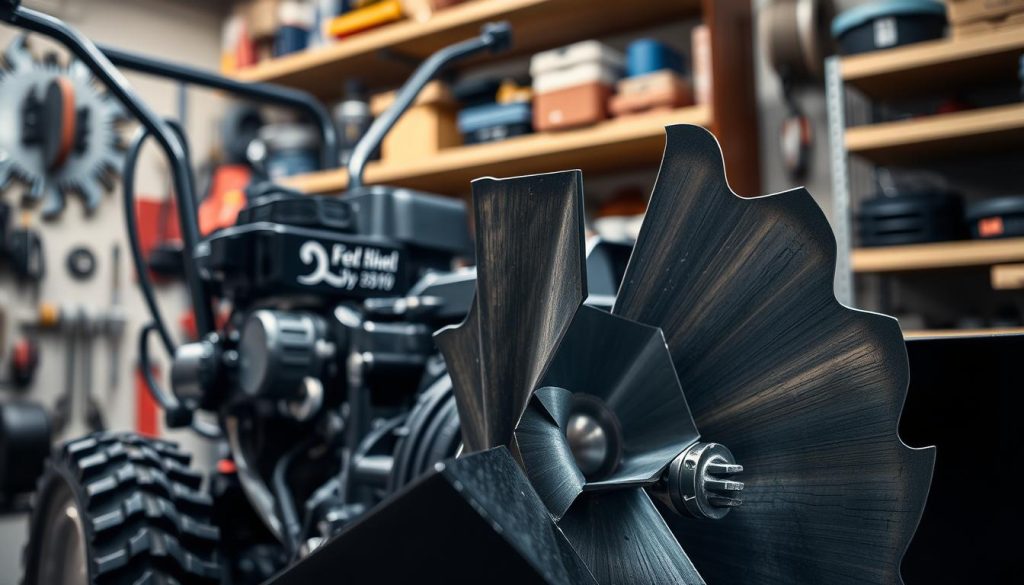
The impeller is a critical component of your snow blower, typically a fan-like structure that picks up snow and debris and throws it out through a chute. As the auger feeds snow into the impeller, it accelerates the snow and expels it out of the chute, often at a considerable distance. The impeller’s effectiveness directly impacts the snow blower’s performance and efficiency.
Signs of Impeller Problems
Identifying impeller problems early can save you from more significant issues down the line. Common signs include:
- Reduced throwing distance
- Unusual noises during operation
- Visible damage or wear on the impeller blades
Regular snow blower maintenance can help prevent these issues. If you notice any of these signs, it’s essential to diagnose and address the problem promptly.
| Signs | Possible Cause | Action |
|---|---|---|
| Reduced throwing distance | Clogged chute or worn impeller | Clear chute, inspect impeller |
| Unusual noises | Damaged or loose parts | Inspect and repair or replace parts |
| Visible damage | Wear and tear or obstruction | Inspect and replace damaged parts |
Snow Blower Impeller Not Turning: Quick Fix Guide
When your snow blower’s impeller stops turning, it’s crucial to identify the cause quickly to get back to clearing snow efficiently. A functional impeller is vital for the snow blower’s operation, and resolving issues promptly can save time and effort in the long run.
Safety Precautions Before You Start
Before attempting any repairs, ensure your safety by following these precautions:
- Disconnect the spark plug wire to prevent accidental start-ups.
- Wear protective gear, including gloves and safety glasses.
- Ensure the snow blower is on a flat, stable surface.
Tools You’ll Need for Diagnosis and Repair
Having the right tools on hand can make the diagnosis and repair process smoother. You’ll need:
- A wrench or socket set for removing bolts.
- Pliers for gripping small parts.
- A screwdriver for accessing internal components.
Quick Fixes to Try First
There are several quick fixes you can try to get your snow blower’s impeller turning again. Start by checking for obstructions and inspecting shear pins.
Checking for Obstructions
Obstructions are a common cause of impeller failure. Check the auger and impeller housing for any debris or ice buildup. Clear any blockages you find, as this may resolve the issue.
Inspecting Shear Pins
Shear pins are designed to break if the impeller encounters an obstruction, protecting the snow blower from damage. Inspect the shear pins for signs of breakage or wear. Replacing a broken shear pin can be a simple fix to get your snow blower operational again.
By following these steps, you can often fix snow blower issues related to the impeller not turning. Regular maintenance and prompt repairs can extend the life of your snow blower and ensure it continues to perform well.
Common Causes of Impeller Failure
Understanding the common causes of impeller failure can save you time and money in repairs. The impeller is a crucial component of your snow blower, responsible for throwing snow. When it fails, it can bring your snow blower to a halt.
Shear Pin Issues
One of the most common causes of impeller failure is shear pin breakage. Shear pins are designed to break when the auger encounters an obstacle, protecting more critical components from damage. However, this sacrificial design means that shear pins can break frequently, especially if you often clear heavy or icy snow. Replacing a shear pin is relatively straightforward, but repeated breakage may indicate a need to adjust your snow blower’s usage or maintenance routine.
Auger or Drive Belt Problems
The auger and drive belts play a vital role in transferring power to the impeller. Over time, these belts can wear out or become misaligned, leading to impeller failure. Regular inspection and maintenance of these belts are crucial. If you notice signs of wear, such as cracks or frays, it’s essential to replace them promptly to avoid more significant problems.
Impeller Jam or Obstruction
Sometimes, the impeller can become jammed or obstructed by debris, ice, or heavy snow. Clearing the obstruction is usually straightforward, but it’s crucial to ensure that the impeller is entirely free from blockages to prevent further issues. Regular cleaning and maintenance can help prevent jams.
Gear Box Failures
Gear box failures can also lead to impeller failure. The gear box is responsible for transmitting power from the engine to the auger and impeller. Wear and tear, lack of lubrication, or excessive stress can cause gear box failure. Regular maintenance, including lubrication and inspection, can help identify potential issues before they lead to more severe problems.
By understanding these common causes of impeller failure, you can take proactive steps to maintain your snow blower and potentially avoid costly repairs. Regular maintenance, timely replacements, and careful operation are key to ensuring your snow blower’s impeller continues to function effectively throughout the winter season.
Step-by-Step Repair Guide
Fixing a non-turning snow blower impeller requires a systematic approach to identify and fix the issue. This guide will walk you through the necessary steps to get your snow blower operational again.
Replacing Broken Shear Pins
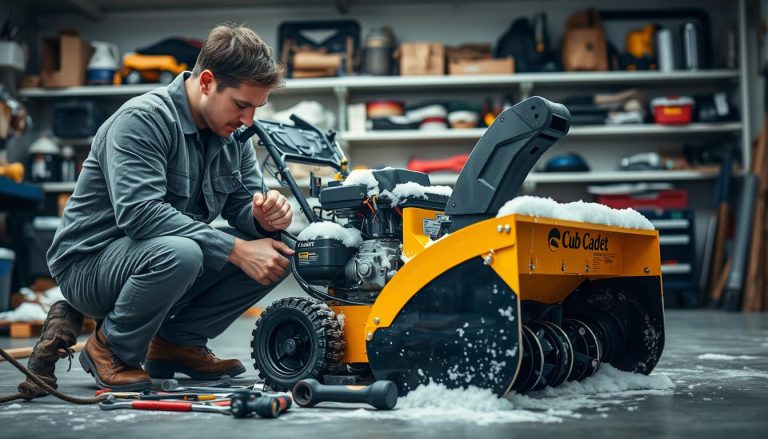
Shear pins are designed to break when the auger encounters an obstacle, protecting the snow blower’s gearbox. To replace a broken shear pin, first, ensure the snow blower is turned off and the spark plug wire is disconnected for safety. Then, remove the cotter pin or retaining clip holding the shear pin in place. Pull out the broken shear pin and replace it with a new one. Secure the new shear pin with the cotter pin or retaining clip.
Tip: Always carry spare shear pins to avoid being stuck with a non-functional snow blower during a snowstorm.
Fixing or Replacing Belts
Inspect the drive belts for signs of wear or damage. If a belt is cracked or broken, it needs to be replaced. To replace a belt, first, loosen the tensioner pulley to release the tension. Then, remove the old belt and install a new one, ensuring it is properly seated on the pulleys. Tighten the tensioner pulley to apply the correct tension.
Clearing Jams and Obstructions
Sometimes, the impeller can become jammed due to ice or debris. Turn off the snow blower and disconnect the spark plug wire. Use a wooden or plastic tool (to avoid damaging the auger or impeller) to carefully remove the obstruction. Once cleared, inspect the area for any remaining debris and ensure the impeller can turn freely.
Addressing Gear Box Issues
If the gear box is faulty, it may need to be repaired or replaced. Check for any signs of leakage or damage. If you’re not comfortable with gear box repairs, it’s advisable to seek professional help.
When to Seek Professional Help
If you’re unsure about any aspect of the repair or if the problem persists after trying the above steps, it’s time to consult a professional. They can diagnose and fix complex issues, ensuring your snow blower is in good working condition.
Conclusion
Regular snow blower maintenance is crucial to ensure your equipment is in good working condition when you need it most. By following the steps outlined in this guide, you can fix your snow blower impeller and get back to clearing snow efficiently.
To prevent future issues, make sure to regularly inspect your snow blower’s impeller system, checking for signs of wear or damage. Replacing worn-out parts, such as shear pins or belts, can help prevent more costly repairs down the line.
Proper snow blower maintenance also involves keeping the machine clean and storing it in a dry location. By taking these steps, you can extend the life of your snow blower and ensure it continues to perform optimally.
By understanding how to fix your snow blower and performing regular maintenance, you can enjoy a hassle-free winter season, knowing your equipment is ready to handle whatever snow comes your way.
FAQ
What are the signs that my snow blower’s impeller is not turning?
If your snow blower’s impeller is not turning, you may notice that it’s not throwing snow, or it’s making a strange noise. You might also see that the auger is not moving or is jammed.
How do I check for obstructions in my snow blower’s impeller?
To check for obstructions, turn off your snow blower and inspect the impeller and auger for any blockages, such as ice or debris. Remove any obstructions you find, and then try turning the impeller by hand to ensure it’s moving freely.
What is a shear pin, and how does it relate to my snow blower’s impeller?
A shear pin is a safety device that connects the impeller to the auger shaft. If the impeller becomes jammed, the shear pin will break, preventing damage to the snow blower. If your shear pin is broken, you’ll need to replace it before your snow blower will work properly.
Can I fix my snow blower’s impeller myself, or do I need to hire a professional?
Many issues with your snow blower’s impeller can be fixed yourself, such as checking for obstructions or replacing a broken shear pin. However, if you’re not comfortable with DIY repairs or if the problem is more complex, such as a gearbox failure, it’s best to seek professional help.
How do I maintain my snow blower’s impeller to prevent problems?
Regular maintenance, such as lubricating the auger and impeller, checking for wear on the shear pins, and keeping the snow blower clean, can help prevent problems with your snow blower’s impeller.
What are some common causes of impeller failure in snow blowers?
Common causes of impeller failure include shear pin issues, auger or drive belt problems, impeller jams or obstructions, and gearbox failures. Regular maintenance and inspections can help identify these issues before they become major problems.