The DPF regeneration process is crucial for maintaining the performance and emissions control system of your Ram 2500. When the diesel particulate filter becomes clogged, a forced regeneration may be necessary to ensure your truck operates efficiently.
Forcing a regen involves understanding your truck’s regeneration system and identifying when intervention is required. This guide will walk you through the steps to perform a forced regeneration on your Ram 2500, helping you to maintain your vehicle’s health and avoid potential issues.
Key Takeaways
- Understand the importance of DPF regeneration for your Ram 2500.
- Learn when a forced regeneration is necessary.
- Follow a step-by-step guide to perform a forced regen.
- Maintain your truck’s performance and emissions control system.
- Identify potential issues before they become major problems.
Understanding DPF Regeneration in Ram 2500 Trucks
Understanding the DPF regeneration process is key to ensuring your Ram 2500 runs smoothly and efficiently. The diesel particulate filter (DPF) is a critical component of the vehicle’s emissions control system, capturing soot and other particulates that result from the combustion process.
What is DPF Regeneration?
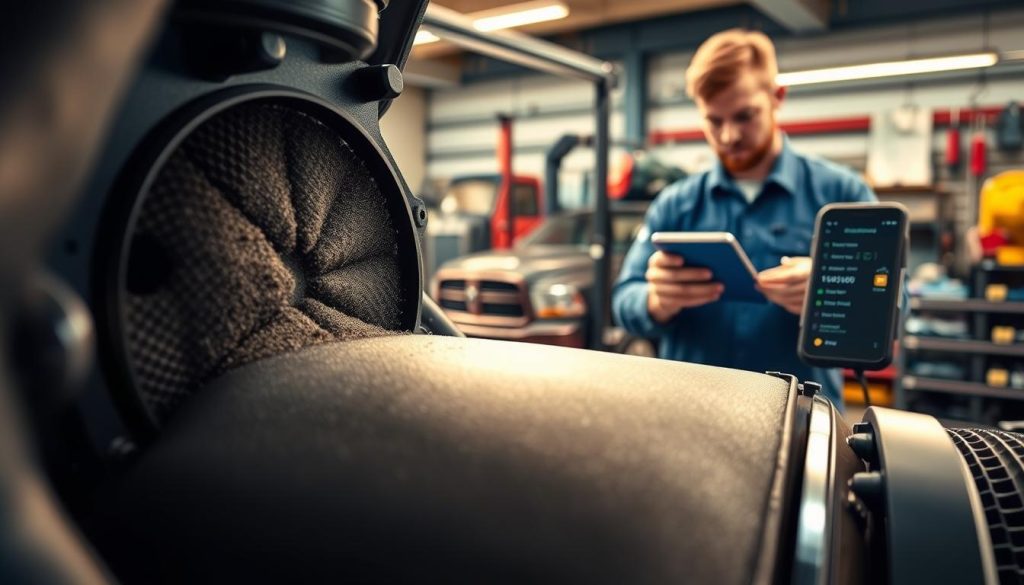
DPF regeneration is the process by which the diesel particulate filter is cleaned of accumulated soot and particulates. This is achieved through a regeneration process that burns off these unwanted substances, ensuring the filter continues to function effectively.
How the Regeneration System Works in Ram 2500
The Ram 2500’s regeneration system is sophisticated, operating in two main modes: passive and active regeneration. Passive regeneration occurs naturally during driving when the exhaust temperature is sufficiently high to burn off soot. On the other hand, active regeneration is initiated by the truck’s onboard computer when it detects a clogged DPF, involving the injection of fuel into the exhaust to raise temperatures.
Passive vs. Active Regeneration Cycles
The distinction between passive and active regeneration cycles is crucial. While passive regeneration is a continuous, natural process, active regeneration is a more intense, computer-initiated process. Understanding these cycles helps in diagnosing potential issues and determining when a forced regeneration might be necessary.
Signs Your Ram 2500 Needs a Forced Regeneration
Recognizing the signs that your Ram 2500 needs a forced regeneration is crucial for maintaining its performance and preventing costly repairs. A forced regeneration is a process that helps clear out the Diesel Particulate Filter (DPF) of soot and other debris that can accumulate over time.
Dashboard Warning Lights and Messages
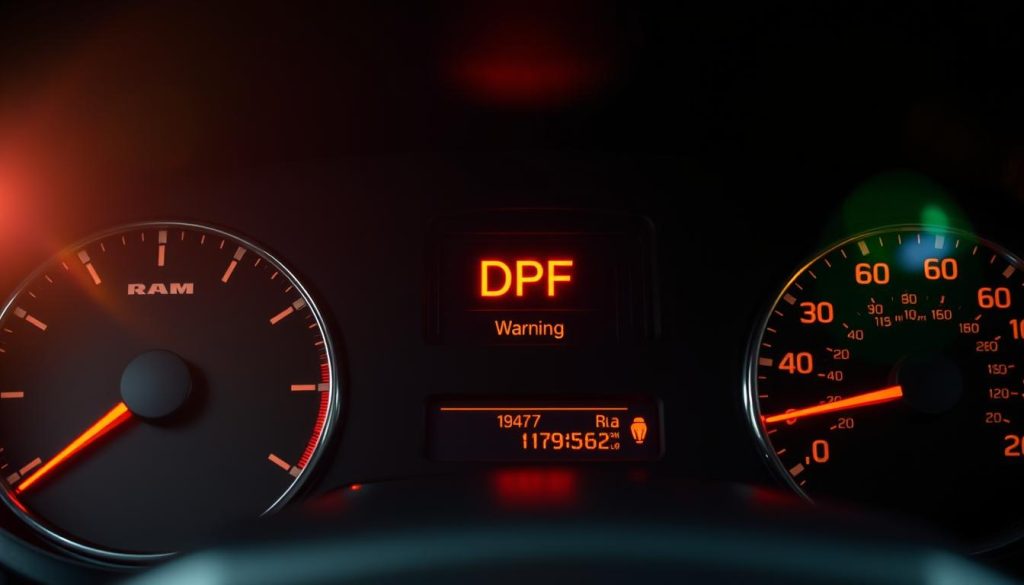
One of the first indicators that your Ram 2500 needs a forced regeneration is the appearance of specific warning lights or messages on your dashboard. These lights are designed to alert you to potential issues with your DPF, such as a clog or excessive soot buildup. If you notice a light that resembles an engine or a message that mentions “DPF” or “regeneration,” it’s a sign that your truck needs attention.
Performance Issues Indicating DPF Problems
Performance issues can also be a sign that your Ram 2500’s DPF is clogged and needs a forced regeneration. You might notice a decrease in power, slower acceleration, or an increase in exhaust temperatures. These symptoms occur because a clogged DPF restricts the flow of exhaust gases, causing your engine to work harder and less efficiently. Addressing these issues promptly can help prevent more severe problems down the line.
Mileage and Driving Pattern Indicators
Your driving patterns and mileage can also indicate when your Ram 2500 needs a forced regeneration. Frequent short trips, prolonged idling, or driving in stop-and-go traffic can lead to a buildup of soot in the DPF. If you’ve been driving under these conditions, it’s a good idea to check your DPF status and consider a forced regeneration if necessary. Regular maintenance, including monitoring your mileage and adjusting your driving habits, can help keep your Ram 2500 running smoothly.
Tools and Preparation for Forced Regeneration
Preparing for a forced regeneration involves having the right equipment and following safety guidelines. This ensures the process is carried out effectively and safely.
Required Equipment
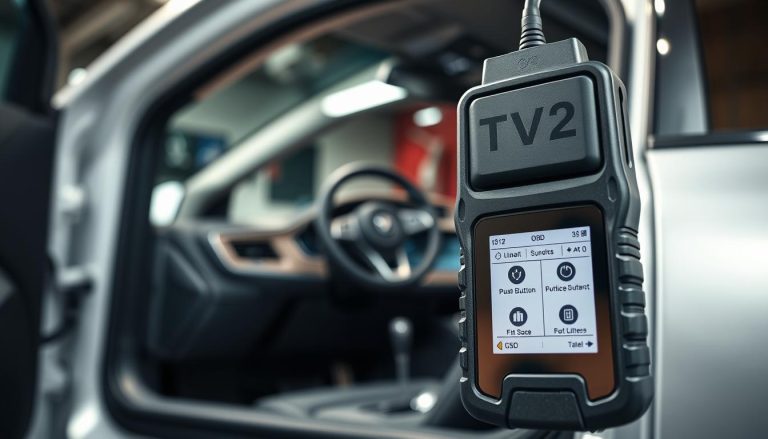
To initiate a forced regeneration on your Ram 2500, you’ll need diagnostic tools that are compatible with the vehicle’s onboard computer. These tools enable you to interface with the engine control module and start the regeneration process.
Diagnostic Tools Compatible with Ram 2500
Some of the diagnostic tools that work with the Ram 2500 include scan tools like the DRB III or more modern equivalents that support the vehicle’s specific protocol. Ensure the tool you choose is updated and compatible.
Safety Precautions Before Starting
Before beginning the forced regeneration, take necessary safety precautions. Park your Ram 2500 in a well-ventilated area, away from flammable materials. Wear protective gear, including gloves and safety glasses, to protect yourself from potential hazards.
By having the right tools and following safety guidelines, you can ensure a successful forced regeneration process.
How to Force Regen on Ram 2500: Step-by-Step Process
Forcing a regen on your Ram 2500 involves a series of steps that must be followed carefully to ensure the process is completed successfully. To begin, connect a diagnostic tool to the truck’s onboard computer. This tool will allow you to access the menu and initiate the regen cycle.
Once connected, navigate to the regeneration option and follow the on-screen instructions. It’s crucial to monitor the process to ensure it’s completed without issues. The Ram 2500 regen process may take some time, so be patient and let it complete the cycle.
Regular truck maintenance, including DPF regeneration, is essential to maintain your truck’s performance and reduce emissions. By following these steps, you’ll be able to force regen on your Ram 2500, helping to prevent potential damage to the DPF and engine. Proper maintenance will also ensure your vehicle runs efficiently and effectively.
FAQ
What is DPF regeneration and why is it necessary for my Ram 2500?
DPF regeneration is the process by which the diesel particulate filter is cleaned of soot and other particulates that accumulate during normal engine operation. It’s necessary to maintain your truck’s performance, reduce emissions, and prevent damage to the DPF and engine.
How do I know if my Ram 2500 needs a forced regeneration?
Signs that your Ram 2500 needs a forced regeneration include specific dashboard warning lights and messages, performance issues such as reduced power or increased exhaust temperatures, and certain mileage or driving pattern indicators.
What are the differences between passive and active regeneration cycles in my Ram 2500?
Passive regeneration occurs during normal driving conditions when the exhaust temperature is high enough to burn off the accumulated soot. Active regeneration, on the other hand, is initiated by the truck’s onboard computer when it detects that the DPF is becoming clogged, involving the injection of fuel into the exhaust system to raise the temperature and burn off the soot.
What tools do I need to perform a forced regeneration on my Ram 2500?
You’ll need diagnostic tools compatible with the Ram 2500, which can interface with the truck’s onboard computer to initiate the regen process.
What safety precautions should I take before starting a forced regeneration on my Ram 2500?
Ensure the truck is parked in a well-ventilated area away from flammable materials, and wear protective gear like gloves and safety glasses to avoid potential risks.
Can I perform a forced regeneration on my Ram 2500 without a diagnostic tool?
No, a diagnostic tool is required to interface with the truck’s onboard computer and initiate the regen process.
How often should I perform a forced regeneration on my Ram 2500?
The frequency of forced regeneration depends on various factors, including driving conditions and mileage. Consult your owner’s manual or a dealership for specific guidance.
Will a forced regeneration on my Ram 2500 affect its performance or fuel efficiency?
A properly performed forced regeneration should not negatively impact your truck’s performance or fuel efficiency. In fact, it can help maintain performance and reduce emissions.