Maintaining a smooth idle and peak power requires great precision. A proper engine tune-up often involves checking spark synchronization for better fuel economy. When the spark fires at the right moment, the motor delivers consistent results.
Achieving the right ignition timing ensures that your vehicle runs efficiently without knocking. This professional guide explores essential steps for a successful 4.3 Vortec timing adjustment. Proper alignment helps restore performance and reliability.
Many mechanics find small errors in distributor alignment lead significant power loss. Following a structured approach helps avoid common pitfalls during routine maintenance. Let us look at the necessary tools and prep work.
Key Takeaways
- Precision ensures optimal engine performance.
- Correct spark synchronization boosts fuel economy.
- Proper alignment avoids engine knocking and internal damage.
- Accurate maintenance restores vehicle reliability and throttle response.
- Following a guide minimizes power loss from distributor errors.
- Good preparation simplifies the mechanical alignment process.
Understanding the 4.3 Vortec Timing System
To get the most out of your 4.3 Vortec engine, understanding its timing system is crucial. The timing system is a vital component that ensures your engine runs efficiently and effectively.
What is Ignition Timing and How It Works
Ignition timing refers to the precise moment when the spark plug fires, igniting the fuel-air mixture inside the engine’s combustion chamber. Proper ignition timing is essential for optimal engine performance, fuel efficiency, and to prevent engine damage.
The ignition timing is controlled by the engine’s distributor, which is adjusted to ensure that the spark plugs fire at the correct time relative to the engine’s piston position. The 4.3 Vortec engine uses a specific timing specification to achieve optimal performance.
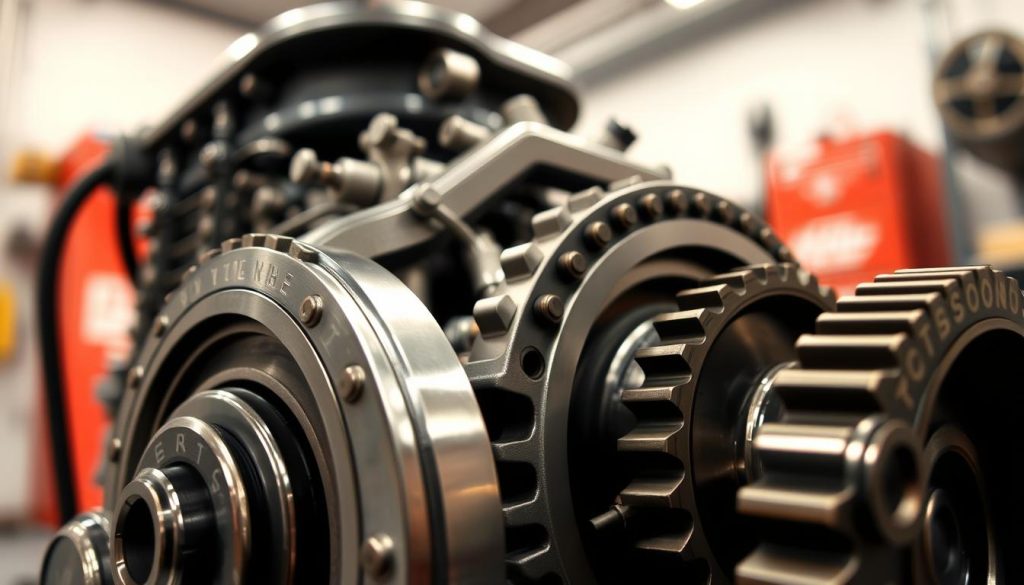
4.3 Vortec Engine Timing Specifications
The 4.3 Vortec engine has specific timing specifications that must be followed for optimal performance. The recommended base timing for the 4.3 Vortec engine is typically between 0° and 10° BTDC (Before Top Dead Center), depending on the model year and specific engine configuration.
| Model Year | Base Timing |
|---|---|
| 1996-2002 | 0° BTDC |
| 2003 and later | 10° BTDC |
Signs Your Timing Needs Adjustment
If your 4.3 Vortec engine is experiencing any of the following symptoms, it may be a sign that the ignition timing needs adjustment: poor engine performance, decreased fuel efficiency, or unusual engine noises.
- Engine hesitation or stumbling
- Decreased power output
- Fuel efficiency issues
- Unusual engine noises
Adjusting the ignition timing can help resolve these issues and restore your engine’s performance. It’s essential to consult your vehicle’s repair manual or a professional mechanic if you’re unsure about how to adjust the timing or if you’re not comfortable with DIY adjustments.
Essential Tools and Materials You’ll Need
To accurately set the timing on your 4.3 Vortec engine, you’ll need a specific set of tools. Having the right equipment not only makes the process smoother but also ensures accuracy and safety.
Primary Tools Required
The following tools are essential for adjusting the timing on your 4.3 Vortec engine:
Timing Light
A timing light is crucial for checking and adjusting the ignition timing. It allows you to see the timing marks on the harmonic balancer and adjust them accordingly. When choosing a timing light, consider one that is compatible with your engine type and has adjustable timing advance.
Wrench Set and Socket Set
A comprehensive wrench set and socket set are necessary for loosening and tightening various bolts and nuts during the timing adjustment process. Ensure that your sets include the sizes needed for your 4.3 Vortec engine.
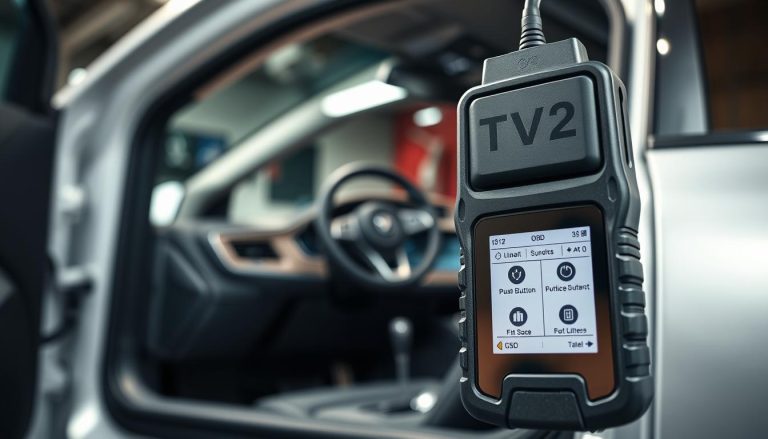
Scan Tool or Jumper Wire
A scan tool or a jumper wire is used to bypass the computer’s timing control, allowing you to set the base timing. Depending on your vehicle’s configuration, you might need one or both of these tools.
Safety Equipment
Safety should always be a priority when working with engines. Ensure you have:
- Safety glasses to protect your eyes from debris or sparks.
- Gloves to protect your hands from cuts and abrasions.
- A well-ventilated workspace to prevent inhalation of fumes.
Optional Tools for Better Results
While not mandatory, the following tools can make the timing adjustment process easier or more accurate:
- A distributor wrench can simplify the process of adjusting the distributor.
- A service manual specific to your vehicle can provide detailed instructions and specifications.
Preparation and Safety Procedures
Before diving into the timing adjustment process, it’s crucial to prepare your 4.3 Vortec engine and ensure a safe working environment. This step is vital to avoid any potential risks or damage to the engine.
Critical Safety Precautions
When working with engines, safety should always be your top priority. Ensure the engine is turned off and the keys are removed from the ignition before starting any work. Wear protective gear such as gloves and safety glasses to protect yourself from potential hazards.
Additionally, make sure the workspace is well-ventilated to avoid inhaling harmful fumes. It’s also a good practice to have a fire extinguisher nearby.
Locating the Timing Tab and Marks
The timing tab and marks are critical for adjusting the ignition timing. Typically, the timing tab is located near the harmonic balancer, and it has markings that correspond to different degrees of timing advance or retard.
To locate these marks, consult your vehicle’s repair manual or look for a diagram specific to your engine model. Understanding the timing tab and marks is essential for making precise adjustments.
Warming Up the Engine
Warming up the engine to its operating temperature is a necessary step before adjusting the timing. This ensures that the engine is in a stable condition, providing a more accurate basis for timing adjustments.
Drive the vehicle for a few minutes or let it idle until the temperature gauge indicates it’s within the normal operating range.
Setting the Correct Engine Conditions
To accurately set the timing, the engine must be in the correct condition. This typically means the engine should be at idle speed and in the specified timing mode (e.g., base timing mode).
| Engine Condition | Specification |
|---|---|
| Engine Speed | Idle Speed (around 600-700 RPM) |
| Timing Mode | Base Timing Mode |
| Transmission | In Park (Automatic) or Neutral (Manual) |
Refer to your vehicle’s repair manual for the exact specifications and procedures for your particular engine model.
How to Set Timing on 4.3 Vortec
Setting the timing on a 4.3 Vortec engine involves a series of detailed steps that, when followed correctly, guarantee optimal engine performance. This process requires precision and attention to detail to ensure that your engine runs smoothly and efficiently.
Step 1: Bypass the Computer Timing Control
The first step in setting the timing on your 4.3 Vortec engine is to bypass the computer timing control. This is necessary to allow for manual adjustment of the timing.
Locating the ALDL Connector
The Assembly Line Diagnostic Link (ALDL) connector is typically found under the dashboard. It’s essential to consult your vehicle’s repair manual for the exact location in your specific model.
Disconnecting the Timing Advance
To disconnect the timing advance, you need to locate the wire connected to the ALDL connector that controls the timing. Once identified, disconnecting this wire will allow you to bypass the computer’s control over the timing.
Step 2: Connect and Position the Timing Light
A timing light is a crucial tool for adjusting the timing on your 4.3 Vortec engine. It allows you to see the timing marks on the engine’s harmonic balancer.
Proper Timing Light Hookup
Connect the timing light to the number one spark plug wire and to the battery. Ensure all connections are secure to get an accurate reading.
Aiming at the Timing Marks
Aim the timing light at the timing marks on the harmonic balancer. The light will illuminate the marks, allowing you to see the current timing setting.
Step 3: Check the Current Base Timing
With the timing light aimed at the timing marks, you can now check the current base timing of your engine.
Reading the Timing Marks
The timing marks will indicate the current timing setting. Compare this to the recommended setting found in your vehicle’s repair manual.
Recording Your Initial Reading
Record the initial timing reading for future reference. This will help you track any changes you make during the adjustment process.
Step 4: Loosen and Adjust the Distributor
To adjust the timing, you need to loosen the distributor hold-down bolt and rotate the distributor.
Loosening the Distributor Hold-Down Bolt
Loosen the bolt just enough to allow the distributor to be rotated. Be careful not to remove it completely.
Rotating the Distributor to Correct Timing
Rotate the distributor in the direction indicated by your vehicle’s repair manual until the timing marks align with the recommended setting.
Step 5: Tighten and Verify the Adjustment
Once the timing is adjusted, you need to secure the distributor and verify that the adjustment is correct.
Securing the Distributor
Tighten the distributor hold-down bolt to secure the distributor in its new position.
Final Timing Verification
Use the timing light again to verify that the timing is now set correctly according to the manufacturer’s specifications.
Step 6: Reconnect the Timing Control System
After verifying the timing adjustment, reconnect the timing control system to allow the computer to once again control the timing.
By following these steps, you can ensure that your 4.3 Vortec engine’s timing is set correctly, optimizing its performance and efficiency.
Verification and Troubleshooting Common Issues
Verifying the timing adjustment and addressing potential problems is a critical step in ensuring your 4.3 Vortec engine runs smoothly and efficiently. After making the necessary adjustments, it’s essential to test the engine under various conditions to confirm that the timing is correctly set.
Post-Adjustment Testing Procedures
To ensure the timing adjustment is correct and the engine is running as expected, perform the following tests:
Road Test Evaluation
Take your vehicle for a road test, paying attention to its performance under different driving conditions. Check for any signs of engine pinging or detonation, which can indicate that the timing is still not perfectly adjusted. If you experience any unusual noises or performance issues, it may be necessary to revisit the timing adjustment.
Idle Quality Check
After the road test, check the idle quality. The engine should idle smoothly and consistently. If the idle is rough or stalling occurs, it could be a sign of a timing issue or another underlying problem that needs to be addressed.
Common Timing-Related Problems and Solutions
Despite careful adjustment, some timing-related issues may still arise. Here are some common problems and their potential solutions:
Engine Pinging or Detonation
If you notice engine pinging or detonation, it may be necessary to slightly retard the timing. Consult your vehicle’s repair manual for specific guidance on adjusting the timing to alleviate this issue. For more complex issues, consider consulting a professional mechanic or referencing guides on related automotive troubleshooting.
Rough Idle or Stalling
A rough idle or stalling can be caused by incorrect timing or other engine issues. Check the timing adjustment and ensure that it’s correctly set according to the manufacturer’s specifications.
Poor Acceleration or Power Loss
If your vehicle experiences poor acceleration or a noticeable power loss, it could be related to the timing. Verify that the timing is correctly adjusted and consider checking other factors that might be contributing to the issue.
Timing Marks Not Visible or Difficult to Read
If the timing marks are not visible or are difficult to read, it may be necessary to clean the area around the timing tab or consult a professional for assistance.
| Issue | Potential Cause | Solution |
|---|---|---|
| Engine Pinging | Timing too advanced | Retard timing slightly |
| Rough Idle | Incorrect timing or engine issues | Check and adjust timing; diagnose other engine issues |
| Poor Acceleration | Timing too retarded or other engine issues | Adjust timing; check for other contributing factors |
When Professional Diagnosis is Necessary
If, after following these steps, you continue to experience issues with your 4.3 Vortec engine, it may be necessary to seek professional diagnosis. Complex problems or those that are not clearly related to timing adjustments may require specialized tools and expertise.
Conclusion
Properly setting the timing on a 4.3 Vortec engine is crucial for achieving optimal engine performance and longevity. By following the step-by-step guide outlined in this article, you can ensure your engine is running at its best.
Correctly setting timing on 4.3 Vortec involves understanding the engine’s timing system, using the right tools, and following safety procedures. Regular engine maintenance, including timing adjustments, is vital for preventing issues and maintaining peak performance.
By mastering the process of setting timing on your 4.3 Vortec engine, you can improve fuel efficiency, reduce emissions, and prevent costly repairs down the line. With the knowledge gained from this guide, you’re well-equipped to tackle this essential aspect of engine maintenance.
FAQ
What is the factory-specified base timing for a Chevrolet 4.3 Vortec engine?
For most classic 4.3 Vortec configurations, particularly those in the Chevrolet S10 or GMC Sierra, the base timing should be set to 0 degrees Top Dead Center (TDC) while the timing bypass wire is disconnected. Always verify the specific calibration on the Vehicle Emission Control Information label located in the engine bay.
Which scan tool brands are recommended for monitoring the camshaft offset on newer GMC engines?
Professional technicians often utilize high-end diagnostic equipment like the Snap-on Zeus or the Innova 5610 to monitor the Camshaft Retard Offset. On later models, ensuring this value is within the +/- 2-degree specification is critical for preventing P1345 fault codes.
Where is the ALDL connector located on a Chevrolet Blazer or GMC Jimmy?
On these specific models, the Assembly Line Diagnostic Link (ALDL) or OBD-II port is typically located under the dashboard on the driver’s side, often near the steering column. This port is essential for bypassing computer control to set the base timing accurately.
Can a worn harmonic balancer affect the accuracy of my timing marks?
Yes, if the rubber isolator on the harmonic balancer has dry-rotted or failed, the outer ring can slip. This movement causes the timing marks to shift, leading to an incorrect reading. If you suspect slippage, replacing it with an ACDelco or Dorman unit is recommended before proceeding.
Do I need to remove the spark plugs to find Top Dead Center (TDC)?
While not mandatory for a basic check, removing the number one spark plug and using a compression gauge or a piston stop tool is the most reliable method to ensure the engine is physically at TDC on the compression stroke, rather than relying solely on the pointer.
What role does the Ignition Control Module (ICM) play during timing adjustment?
The ACDelco Ignition Control Module manages the spark delivery based on signals from the crankshaft position sensor. When you disconnect the tan/black bypass wire, you are preventing the ICM from receiving advance commands from the ECM (Engine Control Module), allowing you to set the mechanical base timing.
Why is my 4.3 Vortec still pinging after setting the timing to 0 degrees?
If ignition “knock” or pinging persists, check the health of your knock sensor and ensure you are using high-quality fuel. Additionally, a worn distributor gear or a stretched timing chain can cause erratic timing fluctuations that a simple adjustment cannot fix.
Is a specific timing light required for the Vortec ignition system?
While a standard inductive timing light works, using a digital dial-back light from a brand like Actron or Blue-Point can make the process easier. These tools allow you to see the exact degrees of advance on a digital display, which is helpful if your timing tab is difficult to read.