Retro tapes have returned with modern polish. New releases from brands like We Are Rewind and FiiO blend classic load-and-play ritual with Bluetooth and rechargeable power. Budget options such as the Gracioso add AM/FM and onboard speakers for casual listening.
In this roundup we explain what a modern portable cassette player can realistically deliver. Expect warm analog vibe rather than hi‑fi perfection. Lab tests show treble often caps near 10 kHz and signal‑to‑noise ratios around 50–55 dB, and most new builds omit Dolby noise reduction.
Our goal is clear: pair measured performance with daily usability so you can pick a unit that fits your music tastes and lifestyle. We note where wireless features and battery life help the listening experience and where they are just extras.
Key Takeaways
- Modern players mix nostalgia with practical updates like Bluetooth and charging.
- Expect analog limits in treble and noise; focus on vibe and usability.
- We balance lab data and real‑world comfort for a clear choice.
- Design, weight, and controls shape how you carry and use a unit.
- Feature sets that matter most now: wireless, battery life, and build quality.
Why cassette players still matter in 2026 for U.S. buyers
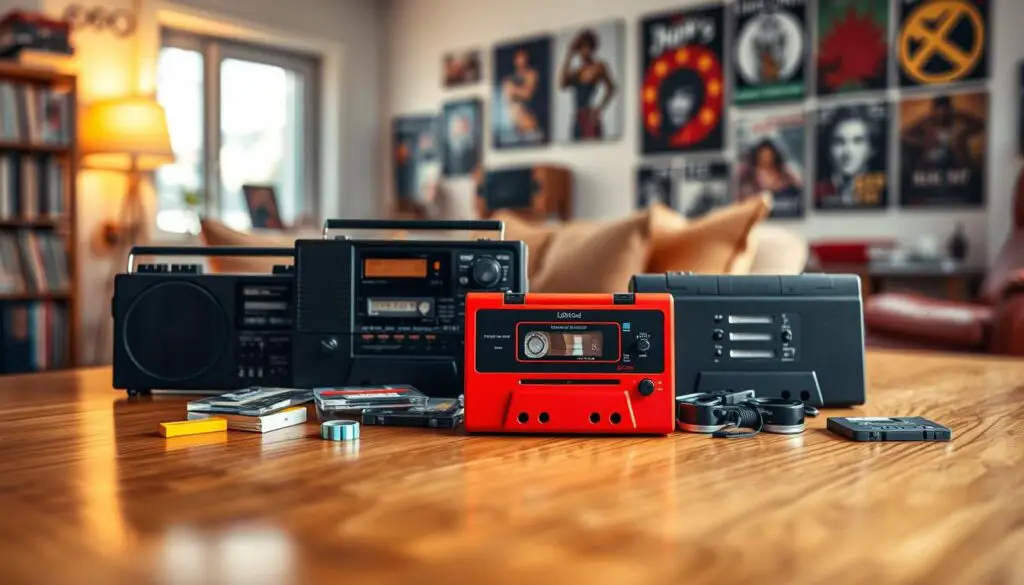
Tape-based listening has reemerged as a hands-on alternative to streaming for many U.S. buyers. New launches like the FiiO CP13 and models from We Are Rewind arrived during a wider interest in physical media.
The appeal is simple: tapes are inexpensive to explore and often cheaper than vinyl when you start collecting. Artists and labels again press releases on tape, and Amazon, Bandcamp, and local record stores stock both new issues and used finds.
The ritual—press play, flip sides, and hear the mechanical rewind—makes listening feel more intentional. Shells are durable, so casual use and sharing are less stressful than with delicate alternatives.
The trade-offs and expectations
Modern players trade absolute fidelity for convenience. Many lack Dolby noise reduction and have limited treble, but they deliver a warm, unique character that suits full-album listening and careful curation.
| Feature | Tapes | Vinyl | Streaming |
|---|---|---|---|
| Entry cost | $ (cheaper decks and releases) | $$ (turntables and records cost more) | Free–$$ (subscriptions ongoing) |
| Durability | Good (sturdy shell) | Fragile (prone to scratches) | Digital files (no wear) |
| Listening ritual | High (mechanical, tactile) | High (careful handling) | Low (instant, skip-friendly) |
How we selected and tested these portable cassette players
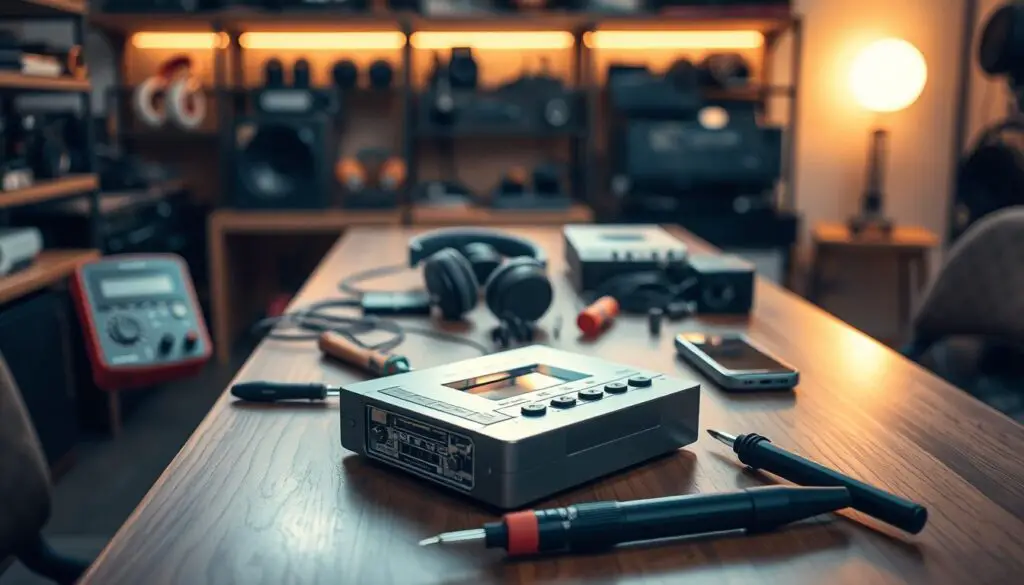
Selection relied on technical measurements and practical use to find players that deliver steady playback. We blended lab sweeps with everyday listening to judge sound and usability.
Objective measurements came from Innovative Audio using NAK T-100 software with Paul DeMara overseeing frequency and noise runs. Every unit shared the same transport mechanism, so differences showed up in electronics, head alignment, and overall design.
Real-world listening checked modern releases and vintage tape reels through neutral headphones and warmer sets. We noted treble roll-off near ~10 kHz across units and a bass dip around ~70 Hz on the FiiO CP13. Some record functions added hiss, so we emphasized reliable playback over recording features.
Practical checks weighed control feel, door robustness, and ergonomics. Headphone pairing matters: neutral cans reveal balance while bass-tilted sets can mask flaws.
| Test area | Finding | Impact |
|---|---|---|
| Frequency response | Treble rolls off near 10 kHz | Less sparkle, affects air |
| Bass consistency | Varied; FiiO CP13 dip ~70 Hz | Kick drum and warmth change by model |
| Transport & mechanics | Same mechanism on many units | Sound differences tied to electronics and head alignment |
| Recording | Some hiss and distortion noted | Playback preferred for listening quality |
The 10 Best Portable Cassette Players to Buy in 2026
We narrowed the field to models that deliver clear playback, sensible features, and reliable builds. Below is a concise guide to which model suits specific needs, using lab data and hands-on tests.
Top overall: The We Are Rewind portable cassette player wins for clear, balanced sound and built‑in Bluetooth. Its all‑metal design gives longevity and a premium feel, though it makes the unit less pocketable.
Best value: The fiio cp13 is compact, has a large rotary volume dial, and rechargeable power. Vocals sound lively, but expect a subtle bass dip near 70 Hz and a stiffer door latch.
Budget with extras: Gracioso Player Recorder adds an onboard speaker, AM/FM, Bluetooth, and USB power for a low price. It’s mono and tuned for casual listening rather than audiophile fidelity.
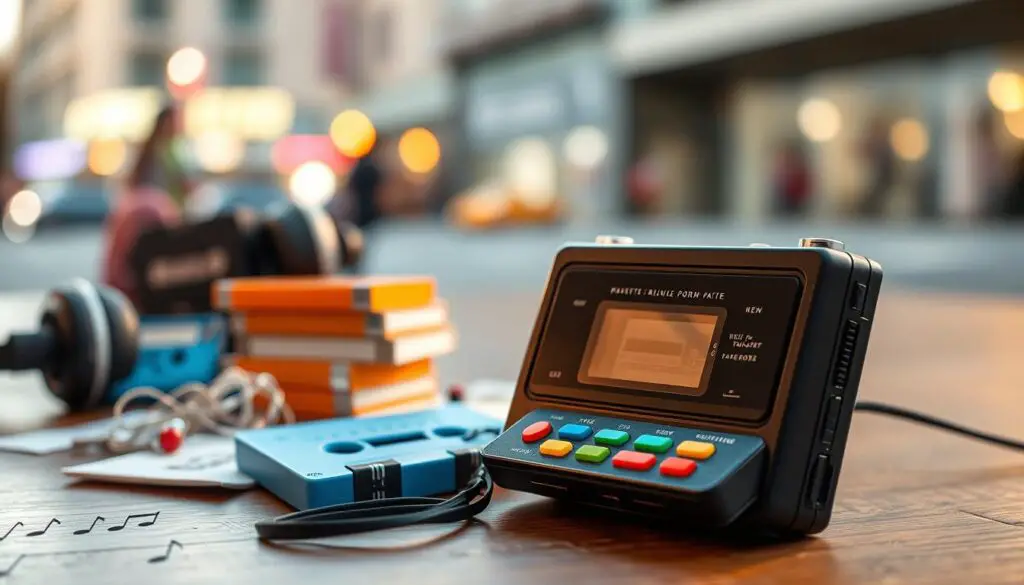
Durability pick: Choose all‑metal housings and stout transport buttons for long life and consistent operation.
For collectors: Favor models that pair easily with modern headphones via Bluetooth or 3.5 mm and that complement your preferred tonal balance.
Travel and quiet listening: For commutes pick lightweight designs with long battery life. For late-night sessions, seek smoother transports with lower mechanical noise floors.
Recording and home use: Most new units struggle with hiss and distorted records; vintage decks still outperform for archiving. For living‑room listening, pick players with steady line outputs and usable volume range for powered speakers.
- Editor’s wild card: A legacy-inspired player with playful design can keep the format fun while offering practical features.
Best picks by use case and listening style
Choose a model that follows your daily rhythm rather than the spec sheet. Below are clear options based on how you listen and where you use the player most.
Portability first
If size and battery life matter, favor slim builds like the FiiO CP13. Small weight and efficient power trump extra features when you commute or walk.
Bluetooth convenience
Wireless is handy, but most wireless units still lack Dolby noise reduction. Use closed-back headphones to keep tape hiss from becoming distracting.
Budget hunters
Under a modest price, models such as the Gracioso give many features but often deliver mono output and simpler ergonomics. Focus on steady playback and usable controls.
Recording reality check
Recording on current portables usually brings added hiss and distortion. For reliable transfers, prefer a dedicated deck or pro service when preserving tapes matters most.

- Match the player to your headphones — a warmer unit pairs with neutral cans, while mid-forward units highlight vocals.
- Think about accessories and warranty when you assess price and long-term experience. See related gear for travel and storage here.
Key features and specs to compare in 2026
Choosing a good unit depends on realistic expectations. Compare measured sound limits, power choices, and the ergonomics you’ll use every day. Focus on parts that change how you listen more than headline specs.
Sound quality expectations
Treble, bass, and noise
Most models show treble rolling off near ~10 kHz and SNRs around 50–55 dB. Midrange clarity varies by design and head alignment. The FiiO CP13, for example, often has a bass dip near 70 Hz.
Power options
Rechargeable, USB, or AA
Decide if a rechargeable battery is worth added weight. USB charging reduces cable clutter and is common, while AA batteries give flexible backups for travel. Check port compatibility before you leave home.
Controls and usability
Transport, volume, and doors
Tactile transport buttons and a responsive volume dial matter for daily use. Look for a secure door mechanism that opens reliably. Ergonomics affect satisfaction more than rare extras.
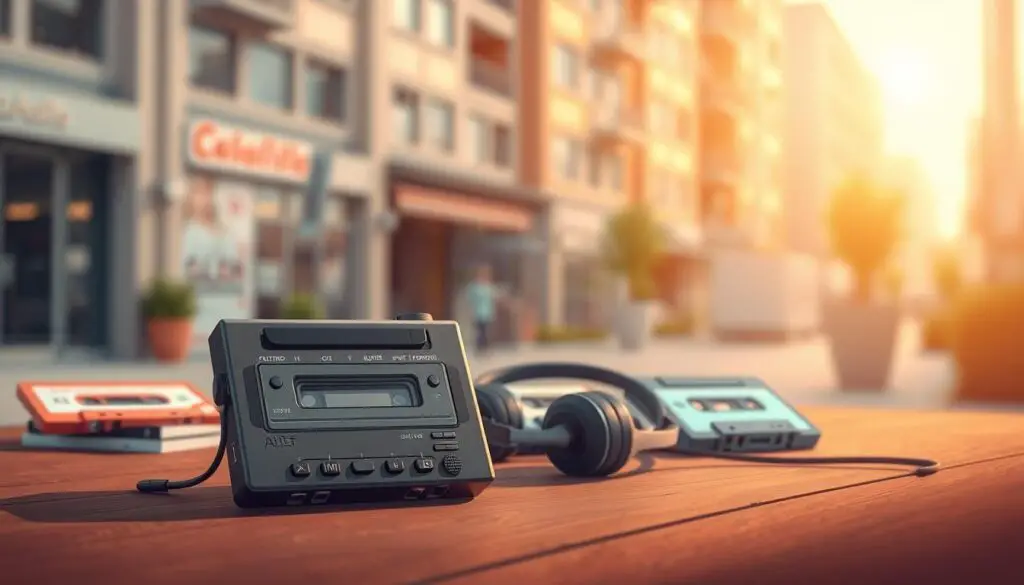
- Playback reliability: prefer smoother transports to reduce mechanical noise.
- Design trade-offs: metal builds add durability at the cost of weight.
- Output checks: test the player with your headphone or speakers for usable volume range.
Where to buy players and tapes in the United States
Sourcing quality gear and cassettes in the U.S. is straightforward when you know where to look. Choices range from brand-new retail stock to curated used finds. Follow a simple plan: decide your budget, check warranty terms, and confirm return policies before you pay.
New and used players: Retailers, vintage specialists, and auction sites
Major online retailers and audio shops carry current models like We Are Rewind and FiiO. Compare price and warranty to find the right option for daily use.
Auction sites and classifieds are the place for vintage hi‑fi decks with Dolby B/C. These often offer superior playback, but factor in service needs and shipping risks.
Refurbished specialists such as Innovative Audio sell tested units with basic guarantees. That can be the safest route for restored gear.
Tape sources: Amazon, Bandcamp, and local record stores
Amazon gives broad selection and fast delivery for new tapes. Bandcamp often bundles physical tapes with digital downloads, which adds value.
Local record stores remain a top way to inspect shells and spools in person. You can find rare cassettes and curated mixes at fair prices.
- Budget portable options often include USB charging, AM/FM radio, and swap-friendly batteries — check specs before buying.
- For home setups, pair a player with powered speakers or a turntable-friendly system for easy integration.
- Set alerts on marketplaces; good tapes and gear appear sporadically and sell fast.
| Source | What you get | Consider |
|---|---|---|
| Audio retailers | New models, warranty | Price, return policy |
| Auction sites | Vintage decks, low cost | Shipping risk, service |
| Local stores & Bandcamp | Curated tapes, instant check | Condition, limited stock |
Price, value, and the digital comparison
When you weigh price and performance, streaming frequently outpaces analog options for clarity and value.
Streaming at high bitrates usually delivers clearer treble, wider stereo separation, and less crosstalk than tape sources. In controlled tests, Spotify 320 kbps streams sounded cleaner and more detailed than portable analog playback.
That said, the tactile ritual of loading a tape and committing to an album is a major reason people choose physical media. The ritual creates focus and a different kind of enjoyment than a curated playlist.
Value-wise, a modestly priced player plus a few tapes often costs less than an entry-level vinyl rig. But most current models omit Dolby noise reduction and measure SNR near 50–55 dB, so expect some hiss and mechanical noise.
- When to pick streaming: You want the cleanest audio, lowest ongoing cost, and widest catalog for music discovery.
- When tape or vinyl fits: You value ritual, physical collecting, or the specific character of analog sound.
- Recording note: New portable units usually compromise recording quality; use dedicated gear for archival work.
| Format | Strength | Trade-off |
|---|---|---|
| Streaming | Clarity, convenience, low marginal cost | Less tactile, requires subscription for some features |
| Tape | Ritual, compact collection costs | Hiss, limited treble, mechanical noise |
| Vinyl | Rich analog presence and dynamics | Higher entry cost and fragile media |
Over the years, listening priorities change. The smartest approach is to mix formats and match them to the moment. Ergonomics and noise floor in each player will affect perceived value more than small spec differences.
Conclusion
This guide helps you make a clear choice between sound, size, and features for portable cassette players. If you want the one best all‑around pick, choose We Are Rewind for clear Bluetooth sound and a sturdy metal build.
For lighter daily use, the FiiO CP13 pairs compact design with a rechargeable battery and engaging mids. On a strict budget, Gracioso offers many extras for casual listening, though it is often mono.
Modern units forgo Dolby and sit near a 50–55 dB noise floor, so treat these players as joyful replay devices rather than archival tools. Match your portable cassette player with headphones, small speakers, or a living‑room setup that includes a turntable, and enjoy the rewind ritual and your tapes over time.