The Jeep Wrangler is renowned for its ruggedness and off-road capabilities, but its ride comfort can sometimes be compromised due to its design and suspension system. Enhancing the ride comfort is crucial for a more enjoyable driving experience, whether you’re navigating through rough terrains or cruising on highways.
Improving the smoother ride of your Jeep Wrangler involves a combination of adjustments and upgrades. By focusing on handling improvement, you can significantly enhance the overall driving experience. This guide will walk you through practical tips to achieve a more comfortable ride.
Key Takeaways
- Understand the importance of suspension in ride comfort
- Learn how to adjust your Jeep Wrangler’s suspension for a smoother ride
- Discover additional upgrades that can enhance handling and comfort
- Explore maintenance tips to keep your Jeep Wrangler in optimal condition
- Find out how tire selection affects ride comfort and handling
Understanding Why Jeep Wranglers Have a Rough Ride
While the Jeep Wrangler excels in off-road conditions, its on-road ride can be less than ideal due to its design trade-offs. The Wrangler’s ruggedness is a hallmark of its brand identity, making it a favorite among off-road enthusiasts. However, this capability comes with the cost of comfort on paved roads.
The Trade-off Between Off-Road Capability and On-Road Comfort
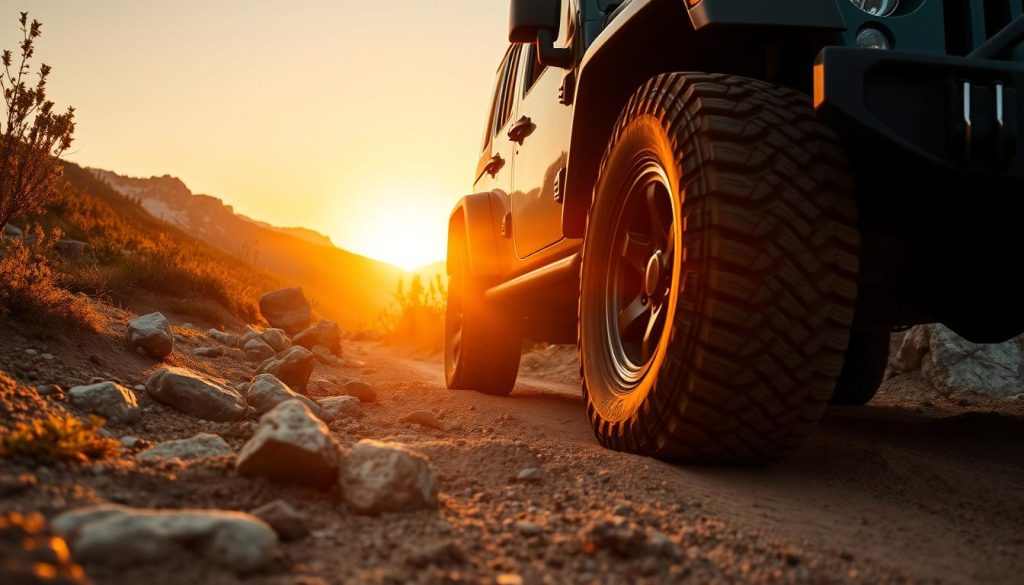
The Wrangler’s design prioritizes off-road capability, with features like high ground clearance, solid axles, and a robust suspension system. While these features are beneficial for navigating rough terrain, they can result in a harsher ride on smoother roads. This trade-off is a common challenge for vehicles designed for both on-road and off-road use.
Common Causes of Rough Rides in Wranglers
Several factors contribute to the rough ride often associated with Jeep Wranglers. These include the vehicle’s solid axle design, which, while beneficial for off-road durability, can transmit more road vibration to the cabin. Additionally, the Wrangler’s leaf springs and coil springs are designed to support its off-road capability but can be less forgiving on paved roads. For more information on addressing ride issues, you can visit this resource.
Identifying Problem Areas in Your Specific Wrangler
To address the rough ride in your Jeep Wrangler, it’s essential to identify the specific problem areas. This involves inspecting the vehicle’s suspension system, checking for worn-out components, and ensuring proper tire pressure. Regular maintenance and adjustments can significantly improve the on-road comfort of your Wrangler.
How to Make a Jeep Wrangler Ride Smoother: Suspension Upgrades
Improving the ride comfort of your Jeep Wrangler can be as simple as upgrading its suspension system. A well-designed suspension upgrade can significantly enhance the overall driving experience, making it more comfortable on paved roads without compromising its off-road capabilities.
Replacing Factory Springs and Coils
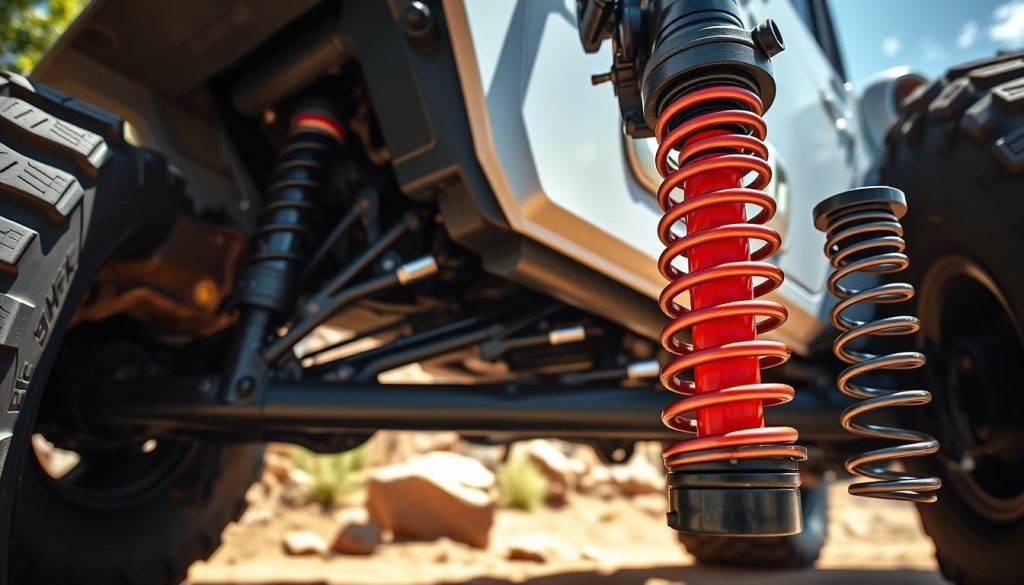
One of the first steps in upgrading your Jeep Wrangler’s suspension is replacing the factory springs and coils. The stock springs and coils are often designed to support the vehicle’s weight and provide a certain level of comfort, but they can be limiting. Aftermarket springs and coils can offer improved ride quality by providing a more progressive spring rate, which helps in absorbing bumps and irregularities on the road.
Benefits of aftermarket springs and coils include improved ride comfort, enhanced handling, and the ability to support additional weight from accessories or modifications. When selecting aftermarket springs and coils, it’s essential to consider the material, design, and compatibility with your Jeep Wrangler’s specific model and any other suspension components.
Installing Aftermarket Suspension Systems
For a more comprehensive suspension upgrade, consider installing an aftermarket suspension system. These systems are designed to work together as a cohesive unit, providing a balanced improvement in ride quality, handling, and off-road capability. Aftermarket suspension systems often include a combination of shocks, springs, and other components tailored to the Jeep Wrangler’s specifications.
When choosing an aftermarket suspension system, look for systems that are specifically designed for your Jeep Wrangler’s model year and configuration. It’s also crucial to read reviews and consult with professionals to ensure the system meets your expectations for ride comfort and performance.
Lift Kits: Pros and Cons for Ride Quality
Lift kits are a popular modification for Jeep Wrangler owners, offering increased ground clearance and a more aggressive stance. However, their impact on ride quality can be mixed. On one hand, a lift kit can improve ride quality by allowing for larger tires and providing additional suspension travel. On the other hand, if not properly designed or installed, a lift kit can lead to a rougher ride due to the changed suspension geometry and increased weight.
- Pros: Increased ground clearance, larger tire options, enhanced off-road capability.
- Cons: Potential for rougher ride if not properly designed, additional cost, possible impact on handling.
Budget-Friendly Suspension Modifications
Not all suspension upgrades require a significant investment. There are several budget-friendly options available that can still improve the ride quality of your Jeep Wrangler. These include upgrading to aftermarket shocks, installing sway bar upgrades, and adjusting or replacing bushings.
| Modification | Cost | Benefit |
|---|---|---|
| Aftermarket Shocks | $200-$500 | Improved damping, better ride quality |
| Sway Bar Upgrades | $100-$300 | Enhanced handling, reduced body roll |
| Bushing Replacement | $50-$200 | Reduced vibration, improved suspension travel |
By considering these suspension upgrades and modifications, Jeep Wrangler owners can significantly enhance their vehicle’s ride comfort, making it more enjoyable for daily driving while still capable of handling off-road adventures.
Optimizing Your Tires and Wheels for Comfort
For Jeep Wrangler owners, achieving a smoother ride involves more than just suspension upgrades; it also requires optimizing tires and wheels. The right tires and wheels can significantly impact the comfort and overall driving experience of your vehicle.
Choosing the Right Tire Type and Size for Smoother Rides
Selecting the appropriate tire type and size is crucial for a comfortable ride. All-terrain tires are a popular choice for Wrangler owners as they offer a balance between off-road capability and on-road comfort. However, the size of the tire also plays a significant role. Larger tires can provide better ground clearance but may compromise on comfort due to their stiffer sidewalls.
- Consider all-terrain or highway tires for a smoother ride on paved roads.
- Ensure the tire size is compatible with your Wrangler’s specifications.
- Look for tires with a higher aspect ratio for potentially better comfort.
Proper Tire Pressure Maintenance for Different Driving Conditions
Maintaining the correct tire pressure is vital for both comfort and safety. Underinflated tires can lead to a rougher ride, while overinflated tires may improve fuel efficiency but can be harsh on the road. It’s essential to check tire pressure regularly and adjust it according to the driving conditions.
- Check the recommended tire pressure for your Wrangler in the owner’s manual.
- Adjust tire pressure based on the load and driving conditions.
- Use a reliable tire pressure gauge for accurate readings.
Balancing, Alignment, and Rotation Schedule
Regular maintenance of your tires includes balancing, alignment, and rotation. Proper balancing ensures that the weight of the wheel and tire is evenly distributed, reducing vibrations. Alignment affects how your tires wear and can impact the ride quality. Regular tire rotation ensures even wear across all tires.
- Balance your wheels every 6,000 to 8,000 miles.
- Check alignment if you notice uneven tire wear.
- Rotate tires every 5,000 to 7,500 miles.
Wheel Selection Impact on Ride Quality
The type of wheels you choose can also affect the ride quality. Aftermarket wheels can offer different characteristics compared to stock wheels, such as reduced weight or different offset, which can influence the ride.
| Wheel Type | Impact on Ride Quality |
|---|---|
| Lightweight Wheels | Can improve ride quality by reducing unsprung weight. |
| Wheels with Different Offset | May affect suspension geometry and ride comfort. |
Advanced Modifications for Maximum Comfort
To achieve maximum comfort in your Jeep Wrangler, consider implementing advanced modifications that go beyond basic suspension upgrades. These enhancements can significantly improve your vehicle’s ride quality, making it more enjoyable for both daily driving and off-road adventures.
Premium Shock Absorber Options for Wranglers
Upgrading to premium shock absorbers can dramatically enhance your Jeep Wrangler’s ride comfort. Brands like Fox, Bilstein, and Rancho offer high-performance shock absorbers designed to absorb bumps and vibrations more effectively. These advanced shock absorbers provide better damping control, resulting in a smoother ride on various terrain types.
When selecting premium shock absorbers, consider factors such as your vehicle’s lift height, typical driving conditions, and personal preferences regarding ride firmness. Some shock absorbers are designed specifically for lifted Jeeps, while others offer adjustable settings to fine-tune your ride.
Steering Stabilizer Upgrades
A high-quality steering stabilizer is crucial for maintaining a smooth ride, especially at higher speeds or during off-road excursions. Upgrading your steering stabilizer can reduce shimmy and vibration, providing a more stable steering experience. Look for stabilizers with advanced damping technology and robust construction to withstand the rigors of off-road driving.
Bushings and Body Mount Replacements
Worn-out bushings and body mounts can contribute significantly to a rough ride. Replacing these with high-quality, aftermarket components can reduce vibration and improve overall ride quality. Bushings replacement is a relatively simple and cost-effective modification that can make a noticeable difference in your Jeep’s comfort level.
Consider using polyurethane bushings, which offer improved durability and performance compared to stock rubber bushings. Additionally, upgrading body mounts can help reduce flex and vibration, further enhancing your Jeep’s ride comfort.
Cabin Modifications to Reduce Noise and Vibration
Cabin modifications can play a significant role in reducing noise and vibration, creating a more comfortable driving environment. Adding sound-deadening materials to the cabin, such as mass-loaded vinyl or sound-absorbing foam, can significantly reduce road noise. Additionally, upgrading to sound-reducing windshield seals and door weatherstripping can help minimize external noise intrusion.
Consider also upgrading your Jeep’s seats to more comfortable, aftermarket options. Some seats offer advanced features like adjustable bolsters and lumbar support, which can greatly enhance comfort during long drives.
Conclusion
Improving the ride quality of your Jeep Wrangler requires a combination of strategic upgrades and maintenance. By focusing on suspension upgrades, optimizing tires and wheels, and implementing advanced modifications, you can significantly enhance your vehicle’s comfort and handling.
A smoother ride is achievable through suspension upgrades such as replacing factory springs and coils or installing aftermarket suspension systems. Additionally, optimizing your tires and wheels by choosing the right tire type and size, maintaining proper tire pressure, and ensuring regular balancing and alignment can contribute to a more comfortable driving experience.
For maximum comfort, consider advanced modifications like premium shock absorber options, steering stabilizer upgrades, and cabin modifications to reduce noise and vibration. These enhancements can lead to a notable handling improvement, making your Jeep Wrangler more enjoyable to drive on various terrain.
By implementing these strategies, you can enjoy a Jeep Wrangler comfort level that rivals that of more comfort-oriented vehicles, without sacrificing its renowned off-road capabilities. Whether you’re cruising down the highway or tackling rugged trails, a smoother ride is within reach.
FAQ
What are the most common causes of a rough ride in a Jeep Wrangler?
The most common causes include the vehicle’s design and off-road capability trade-offs, worn-out or inadequate suspension components, improper tire pressure, and unbalanced or misaligned wheels.
Will upgrading my Jeep Wrangler’s suspension improve its ride comfort?
Yes, suspension upgrades such as replacing factory springs and coils, installing aftermarket suspension systems, or using premium shock absorbers can significantly improve ride comfort.
How do I choose the right tire type and size for a smoother ride?
To choose the right tire, consider factors such as driving conditions, vehicle trim level, and personal preference. Larger tires with a more aggressive tread pattern may be suitable for off-road driving, while smaller tires with a less aggressive tread may be better for on-road comfort.
Can proper tire pressure maintenance really make a difference in ride quality?
Yes, maintaining the correct tire pressure for different driving conditions can improve ride quality, handling, and overall vehicle performance.
What is the impact of wheel selection on ride quality?
Wheel selection can affect ride quality, as heavier or improperly balanced wheels can lead to a rougher ride, while lighter, balanced wheels can contribute to a smoother ride.
Are there any budget-friendly suspension modification options available?
Yes, budget-friendly options include replacing factory springs and coils, using aftermarket suspension spacers, or upgrading to performance-oriented shock absorbers.
How can I reduce noise and vibration in my Jeep Wrangler’s cabin?
Cabin modifications such as sound-deadening materials, insulation, and vibration-damping mounts can help reduce noise and vibration, enhancing overall ride comfort.
Are lift kits a good option for improving ride quality?
Lift kits can have both positive and negative effects on ride quality, depending on the type and quality of the kit, as well as the vehicle’s overall configuration.