The illumination of a space, when optimized with the appropriate lighting, can profoundly elevate its ambiance and utility. Energy-efficient lighting solutions, notably LED bulbs, have garnered widespread acclaim for their capacity to deliver superior illumination while concurrently minimizing energy usage.
Natural light bulbs, engineered to replicate the essence of natural daylight, emerge as a premier option for indoor illumination. They not only elevate the visual appeal of a room but also foster a more eco-conscious lifestyle.
Key Takeaways
- Energy-efficient lighting enhances space ambiance and functionality.
- LED bulbs offer high-quality illumination with reduced energy consumption.
- Natural light bulbs mimic natural daylight, improving indoor lighting.
- They contribute to a sustainable lifestyle and aesthetic appeal.
- Choosing the right natural light bulbs can significantly brighten up a space.
What Makes Light Bulbs “Natural”
The notion of “natural” light bulbs centers on the creation of illumination that mirrors the daylight we encounter outdoors. This endeavor necessitates a comprehension of natural light’s attributes and the replication thereof through cutting-edge LED technology.
The Science Behind Natural Light Simulation
Attaining natural light simulation in bulbs entails emulating the color temperature and spectrum of outdoor daylight. LED lighting enables the fabrication of bulbs boasting a superior Color Rendering Index (CRI). This metric quantifies a light source’s capability to accurately depict an object’s colors. A high CRI ensures the illumination is not only natural but also vivid and faithful to reality.
Health Benefits of Natural Light Exposure
Exposure to natural light is associated with a plethora of health benefits, including the regulation of circadian rhythms, the enhancement of mood, and the augmentation of productivity. By simulating natural light, these bulbs can counteract the adverse impacts of prolonged indoor illumination, such as eye strain and disrupted sleep patterns. The adoption of LED lighting that emulates natural daylight can significantly contribute to a more salubrious indoor environment.
Conversely, natural light simulation proves invaluable in areas with restricted natural illumination, such as basements or rooms with sparse windows. By integrating natural light bulbs, individuals can foster a more hospitable and salubrious environment.
How We Selected Our Top Picks
In our quest to identify the premier natural light bulbs, we undertook a meticulous selection process. This entailed a thorough examination of numerous LED bulbs on the market, with a particular emphasis on their capacity to mimic natural daylight.
Our Testing Methodology
Our evaluation framework consisted of subjecting each bulb to a series of rigorous tests. These assessments aimed to gauge their performance across various environments. We scrutinized parameters such as luminosity, color temperature, and energy efficiency. Reliable performance and superior light quality were paramount in our evaluation criteria.

Key Evaluation Criteria
Our assessment of natural light bulbs was guided by several critical factors. These encompassed the bulb’s Color Rendering Index (CRI), lumen output, and energy usage. A superior CRI was deemed indispensable for delivering a natural and vivid illumination. As illuminated by a lighting connoisseur, “A high CRI is imperative for tasks necessitating precise color fidelity.”
“The right lighting can completely transform a space, making it feel more welcoming and comfortable.”
10 Best Natural Light Bulbs for Your Home
In the quest for optimal illumination within your domicile, the selection of natural light bulbs emerges as a pivotal factor. The elite echelon of natural light bulbs proffers a spectrum of advantages, encompassing enhanced mood and augmented energy efficiency.
Understanding Light Temperature and CRI
The luminescence’s hue, quantified in Kelvin (K), significantly influences the ambiance of a space. Warm white light (2700K-3000K) imparts a sense of coziness, whereas cool white light (3500K-5000K) imbues a brighter, more invigorating quality. The Color Rendering Index (CRI) serves as a metric for the fidelity with which a light source renders colors. A superior CRI signifies a more authentic color presentation.
Energy Efficiency Considerations
In the realm of energy conservation, the selection of natural light bulbs holds paramount importance. LED bulbs stand out due to their parsimonious energy consumption and extended lifespan. In the marketplace, bulbs bearing the ENERGY STAR label signify compliance with stringent energy efficiency benchmarks.
- Examine the bulb’s lumens per watt (lm/W) to assess its energy efficiency.
- Consider bulbs with adjustable brightness to tailor your lighting preferences.
- Seek out bulbs crafted from eco-friendly materials and designed for recyclability.
1. GE Reveal HD+ LED Light Bulbs
GE’s Reveal HD+ LED Light Bulbs represent a paradigm shift for homeowners desiring to illuminate their living spaces with the essence of natural light. These bulbs are engineered to replicate the luminosity and spectrum of daylight, providing a more authentic lighting experience.

Key Characteristics
The GE Reveal HD+ LED Light Bulbs exhibit distinct attributes that differentiate them from conventional lighting solutions.
Pros
- Enhanced Color Accuracy: These bulbs boast a high CRI, ensuring that colors are rendered with greater vibrancy and fidelity.
- Energy Efficiency: As LED bulbs, they are characterized by their energy efficiency, consuming less power while delivering luminous, natural light.
Cons
- Higher Upfront Cost: Though they promise long-term savings, the initial investment in GE Reveal HD+ bulbs may be more substantial than that of standard bulbs.
- Dimmability Issues: Users have encountered difficulties with dimmability, contingent upon the type of dimmer switch employed.
Features
- Natural Light Simulation: Engineered to mimic natural daylight, they are exceptionally suited for reading and task lighting applications.
- Long Lifespan: Their extended lifespan minimizes the necessity for frequent replacements.
In summary, the GE Reveal HD+ LED Light Bulbs are an exemplary choice for those aiming to introduce more natural light into their residences. They offer a harmonious blend of quality, efficiency, and comfort.
2. Philips Natural Light LED Bulbs
Philips has pioneered advancements in lighting technology with the introduction of Natural Light LED Bulbs, providing a more authentic illumination experience. These bulbs are engineered to replicate natural daylight, thus creating a comfortable and invigorating ambiance in any setting.

Key Features and Benefits
The Philips Natural Light LED Bulbs are distinguished by their capability to emulate the natural daylight cycle, which can significantly boost mood and productivity. With a superior Color Rendering Index (CRI), these bulbs guarantee that colors are rendered accurately and with enhanced vibrancy.
Pros
- Natural Light Simulation: Closely mimics natural daylight, improving the ambiance of any room.
- High CRI: Ensures colors are rendered accurately and vividly.
- Energy Efficiency: LED technology means lower energy consumption compared to traditional lighting.
Cons
- Higher Upfront Cost: While they may be more expensive initially, their longevity and energy efficiency can offset this over time.
- Dimmability Issues: Some users may experience issues with dimming, depending on the dimmer switch used.
Features
- Long Lifespan: Philips Natural Light LED Bulbs are designed to last, reducing the need for frequent replacements.
- Eco-Friendly: Made with environmentally friendly materials and designed for recyclability.
Overall, Philips Natural Light LED Bulbs present a compelling option for those seeking to elevate their home’s lighting with a more natural and inviting glow.
3. Cree TW Series Natural Daylight Bulbs
Cree’s TW Series revolutionizes indoor lighting with its cutting-edge LED technology, mirroring the essence of natural daylight. This innovation is tailored for those seeking to elevate their home or office environments with a vibrant, energizing ambiance.

Key Features and Overview
The Cree TW Series Natural Daylight Bulbs are crafted to deliver superior illumination that is both energy-efficient and enduring. By replicating the spectrum of natural daylight, these bulbs create a welcoming and stimulating atmosphere.
Cree TW Series Overview
The Cree TW Series stands out for its high CRI (Color Rendering Index), ensuring that colors are depicted with unparalleled accuracy and vibrancy. This attribute is crucial for environments where precise color rendition is essential, such as in kitchens and reading nooks.
Pros
- Excellent color accuracy and brightness
- Energy-efficient, reducing electricity costs
- Long lifespan, minimizing the need for frequent replacements
Cons
- May be more expensive than standard bulbs
- Some users may find the light too bright
Features
| Feature | Description | Benefit |
|---|---|---|
| High CRI | Accurate color rendering | Enhances visual comfort and task performance |
| Energy Efficiency | Low wattage consumption | Reduces energy costs and environmental impact |
| Long Lifespan | Durable construction | Minimizes maintenance and replacement costs |
4. Sunlite Natural Spectrum LED Bulbs
The Sunlite Natural Spectrum LED Bulbs are distinguished by their capacity to replicate natural daylight, thus elevating the ambiance of any environment. These bulbs are meticulously crafted to deliver a lighting experience akin to the sun’s natural illumination, rendering them an ideal selection for both residential and commercial settings.

Overview of Sunlite Natural Spectrum
Engineered with a focus on superior lighting quality and energy efficiency, Sunlite’s Natural Spectrum LED Bulbs excel. They are characterized by a high Color Rendering Index (CRI), ensuring that colors are rendered vividly and accurately under their illumination.
Pros
- Energy Efficiency: These bulbs exhibit a marked reduction in energy consumption relative to traditional lighting alternatives.
- Long Lifespan: Boasting a lifespan of up to 25,000 hours, they significantly diminish the necessity for frequent replacements.
Cons
- Higher Upfront Cost: Though they promise long-term savings, the initial expenditure is higher than certain other LED bulbs.
- Dimmability Issues: Certain users have encountered difficulties with dimmability, contingent upon the dimmer switch employed.
Features
| Feature | Description |
|---|---|
| Color Temperature | 5000K, simulating daylight |
| CRI | High CRI (>90) for accurate color representation |
| Lumen Output | 800 lumens for bright lighting |
5. Sylvania Natural Series Light Bulbs
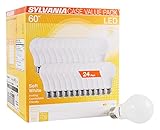
The Sylvania Natural Series embodies a collection of LED bulbs, meticulously crafted to replicate the essence of natural daylight. This endeavor aims to elevate the ambiance within any environment, aligning with a burgeoning trend. This trend emphasizes the utilization of LED lighting, which not only conserves energy but also offers a more authentic lighting experience.
Key Characteristics
Engineered with precision, Sylvania’s Natural Series bulbs are a paragon of energy-efficient and visually comfortable illumination. Their design is intended to diminish eye strain, thus enhancing the overall lighting quality within domestic settings.
Pros
- Energy Efficiency: These bulbs exhibit a notable reduction in power consumption relative to conventional lighting alternatives.
- Natural Light Simulation: Their capacity to emulate natural daylight makes them an exemplary choice for indoor applications.
Cons
- Higher Upfront Cost: While LED bulbs may present a higher initial investment, their extended lifespan compensates for this premium.
- Color Temperature Variability: Some consumers might encounter discrepancies in color temperature preferences, despite Sylvania’s diverse offerings.
Features
- Long Lifespan: The Sylvania Natural Series bulbs are engineered to endure for an extended period, surpassing the longevity of traditional bulbs.
- Dimmable: Many variants within the series are capable of dimming, affording users greater control over their lighting environment.
In summary, the Sylvania Natural Series Light Bulbs represent a commendable option for those seeking to refine their home’s illumination with a natural, energy-efficient approach.
6. Yuji High CRI LED Bulbs
The Yuji High CRI LED Bulbs represent a paradigm shift in lighting technology, offering a luminosity that closely approximates natural daylight. These bulbs are engineered to replicate the ambiance of natural illumination, rendering them suitable for a myriad of environments, from domestic to commercial settings.
Exceptional Lighting Quality
Yuji High CRI LED Bulbs are distinguished by their superior color rendering index (CRI), a metric that quantifies the fidelity with which a light source reproduces the hues of an object. With a CRI of high magnitude, these bulbs ensure that the colors of objects are rendered with unparalleled vibrancy and fidelity.
Pros
- High CRI: Provides accurate color representation.
- Natural Light Simulation: Mimics natural daylight, enhancing the ambiance.
- Energy Efficiency: LED technology ensures energy savings.
Cons
- Higher Cost: May be more expensive than standard LED bulbs.
- Limited Availability: Might not be as widely available as other brands.
Features
| Feature | Description | Benefit |
|---|---|---|
| High CRI | Accurate color rendering | Enhances visual experience |
| Energy Efficiency | LED technology | Reduces energy consumption |
| Natural Light Simulation | Mimics daylight | Improves ambiance and comfort |
In conclusion, the Yuji High CRI LED Bulbs stand as a premier option for those in pursuit of superior, natural illumination. Their capacity to emulate natural daylight, coupled with their energy-efficient design, positions them as a crucial component in any lighting scheme.
7. LOHAS Natural Daylight LED Bulbs
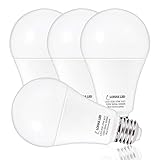
The LOHAS Natural Daylight LED Bulbs distinguish themselves in the market by replicating natural daylight, thus elevating the ambiance of any environment. These bulbs are crafted to offer a lighting experience akin to natural daylight, making them quintessential for spaces necessitating bright and clear illumination.
Key Characteristics
LOHAS Natural Daylight LED Bulbs are engineered with a high Color Rendering Index (CRI), ensuring that colors appear more vivid and true to life under their illumination. This feature is notably beneficial for areas where tasks require precision and clarity, such as reading nooks or home offices.
Pros
- Energy Efficiency: These LED bulbs consume significantly less energy compared to traditional lighting options, making them an eco-friendly choice.
- Longevity: With a longer lifespan, LOHAS Natural Daylight LED Bulbs reduce the need for frequent replacements.
- Health Benefits: By mimicking natural daylight, they can help regulate circadian rhythms and improve mood.
Cons
- Higher Upfront Cost: While they are cost-effective in the long run, the initial purchase price may be higher than that of traditional bulbs.
- Sensitivity to Dimming: Some users may find that these bulbs are not compatible with all dimmer switches, potentially affecting their performance.
Features
- High CRI: Ensures accurate color representation.
- Natural Daylight Simulation: Provides a lighting experience similar to natural daylight.
- Eco-Friendly: Made with environmentally friendly materials and designed for energy efficiency.
In conclusion, LOHAS Natural Daylight LED Bulbs are a commendable choice for those seeking to enhance their living or working spaces with natural daylight simulation. Their energy efficiency, longevity, and health benefits make them a valuable investment for a brighter and healthier environment.
8. Hyperikon Full Spectrum LED Bulbs
The Hyperikon Full Spectrum LED Bulb is engineered to deliver a superior lighting experience, closely mimicking the sun’s natural spectrum. It is an exemplary choice for both residential and commercial environments, where the absence of natural light necessitates its replication.
Overview of Hyperikon Full Spectrum LED Bulbs
Hyperikon Full Spectrum LED Bulbs are crafted to provide high-quality illumination, boasting a Color Rendering Index (CRI) of 95 or higher. This ensures that colors are rendered vividly and accurately. These bulbs are also designed to be energy-efficient, leveraging LED technology that significantly reduces power consumption compared to traditional lighting methods.
Pros
- Energy Efficiency: Hyperikon Full Spectrum LED Bulbs are engineered to optimize energy usage, thus reducing your electricity expenses.
- High CRI: With a CRI of 95+, these bulbs offer lighting that closely approximates natural daylight, making them ideal for tasks requiring precise color representation.
Cons
- Higher Upfront Cost: Though they offer long-term cost savings, Hyperikon Full Spectrum LED Bulbs are more costly to acquire upfront compared to standard LED bulbs.
- Dimmability Issues: Certain users have encountered difficulties with dimmability, underscoring the importance of verifying compatibility with your dimmer switch.
Features
- Full Spectrum Lighting: These bulbs emit a full spectrum light that closely mimics natural daylight, enhancing both the ambiance and functionality of any space.
- Long Lifespan: Hyperikon Full Spectrum LED Bulbs are constructed to endure, boasting a significantly longer lifespan than traditional incandescent bulbs.
In conclusion, Hyperikon Full Spectrum LED Bulbs present a compelling option for those seeking to elevate their living or working environments with natural, high-quality illumination. Their energy efficiency, high CRI, and extended lifespan justify the initial investment, despite the higher upfront cost.
9. Waveform Lighting NorthLux LED Bulbs
Waveform Lighting’s NorthLux LED Bulbs epitomize an unparalleled lighting experience, solidifying their position as the premier choice for those in pursuit of superior illumination. Their design, centered on natural light simulation, aims to create a comfortable and healthy ambient lighting environment.
Exceptional Lighting Quality
The NorthLux series, crafted by Waveform Lighting, is engineered to deliver unparalleled lighting quality. Boasting a high CRI (Color Rendering Index), these LED bulbs ensure that colors are rendered accurately and vividly. This makes them an ideal choice for various settings, including homes, offices, and art galleries.
Pros
- High CRI: Ensures accurate color rendering.
- Energy Efficiency: Consumes less energy compared to traditional lighting.
- Long Lifespan: Designed to last, reducing the need for frequent replacements.
Cons
- Higher Upfront Cost: More expensive than some other LED options.
- Dimmability Issues: May not be compatible with all dimmer switches.
Features
- Natural Light Simulation: Mimics natural daylight for a comfortable environment.
- High-Quality LED: Utilizes advanced LED technology for superior performance.
- Environmentally Friendly: Made with eco-friendly materials and designed for recyclability.
In conclusion, Waveform Lighting NorthLux LED Bulbs stand as a superior choice for those in pursuit of high-quality, natural lighting. Their exceptional color rendering, energy efficiency, and long lifespan render them a valuable investment for any lighting requirement.
10. TCP Natural Full Spectrum LED Bulbs
TCP’s latest innovation, the Natural Full Spectrum LED Bulbs, is designed to mimic natural daylight, providing a more comfortable and inviting atmosphere in any room.
These bulbs are engineered to offer a high level of color accuracy and brightness, making them ideal for various applications, from living spaces to work areas.

Key Characteristics
The TCP Natural Full Spectrum LED Bulbs boast several key features that set them apart from other lighting solutions. They offer a full spectrum output that closely resembles natural daylight, enhancing the ambiance and functionality of any space.
Pros
- Energy Efficiency: These LED bulbs consume significantly less energy compared to traditional lighting options.
- Long Lifespan: With a longer lifespan, they reduce the need for frequent replacements.
- High CRI: The high Color Rendering Index (CRI) ensures that colors are displayed accurately and vividly.
Cons
- Higher Upfront Cost: While they are cost-effective in the long run, the initial purchase price may be higher than traditional bulbs.
- Dimmability Issues: Some users may experience issues with dimming, depending on the dimmer switch used.
Features
- Full Spectrum Output: Designed to mimic natural daylight, enhancing the lighting quality.
- Eco-Friendly: Made with environmentally friendly materials and designed to be recyclable.
- Versatile: Suitable for a wide range of applications, from residential to commercial use.
Conclusion
The selection of appropriate natural light bulbs is pivotal in elevating both the ambiance and functionality of domestic environments. Our comprehensive analysis of the premier natural light bulbs has underscored the paramount importance of LED lighting, renowned for its energy-efficient prowess.
LED bulbs, sourced from esteemed brands such as GE, Philips, and Cree, excel in replicating natural light, thus enhancing the aesthetic and comfort of residential areas. These bulbs not only facilitate a more natural illumination but also contribute to substantial energy savings.
In the process of selecting natural light bulbs, it is imperative to consider variables such as light temperature, CRI, and energy efficiency. This ensures the acquisition of bulbs that align perfectly with individual requirements. By embracing energy-efficient LED lighting, homeowners can revel in a luminous, more comfortable domicile while concurrently diminishing their ecological impact.
By integrating the most suitable natural light bulbs into your living space, you can metamorphose it into a warm, inviting sanctuary. Delve into the options meticulously reviewed herein to identify the optimal natural light bulbs for your abode. Embark on the journey towards a brighter, more energy-efficient domestic environment.
FAQ
What is the difference between natural light bulbs and standard light bulbs?
Natural light bulbs are engineered to replicate the spectrum and intensity of daylight, offering a more authentic and aesthetically pleasing illumination compared to conventional bulbs, which can impart a harsh or yellowish hue.
How do I choose the right natural light bulb for my needs?
In selecting a natural light bulb, one must consider the light’s temperature, Color Rendering Index (CRI), and energy consumption. This ensures the chosen bulb aligns with the specific requirements of the user.
What is CRI, and why is it important?
CRI quantifies a bulb’s capacity to faithfully reproduce the colors of objects. A bulb with a higher CRI offers a more lifelike and vibrant color representation, crucial for tasks necessitating precise color fidelity.
Are natural light bulbs energy-efficient?
Yes, many natural light bulbs, notably those employing LED technology, are crafted to be energy-efficient. They consume less power while delivering superior lighting quality.
Can natural light bulbs improve my health and wellbeing?
Exposure to light that closely mimics natural daylight has been linked to numerous health benefits. These include enhanced mood, diminished eye strain, and a more synchronized circadian rhythm.
How do I know if a natural light bulb is compatible with my existing fixtures?
Verify the bulb’s base type, wattage, and voltage to confirm compatibility with your fixtures. Consulting the manufacturer’s specifications or contacting their customer support is advisable.
What is the average lifespan of natural light bulbs?
The longevity of natural light bulbs is contingent upon the technology employed. LED bulbs generally exhibit a longer lifespan compared to traditional incandescent or fluorescent bulbs.
Can I dim natural light bulbs?
Certain natural light bulbs are designed to be dimmable. It is imperative to verify the product’s specifications or manufacturer’s instructions to ascertain compatibility with your dimmer switch.
Are there any certifications I should look for when purchasing natural light bulbs?
When acquiring natural light bulbs, seek certifications such as ENERGY STAR, UL (Underwriters Laboratories), or DLC (DesignLights Consortium). These ensure the bulb adheres to standards for energy efficiency, safety, and performance.