Is your Toro lawn mower having trouble moving on its own? A malfunctioning self-propel system can make maintaining your yard a chore. Understanding the common issues that cause this problem is the first step towards a solution.
When the self-propel feature isn’t working, it can be due to a variety of factors. Fortunately, many of these issues can be resolved with some basic troubleshooting and maintenance. By identifying the root cause, you can take the necessary steps to get your lawn mower moving again.
Key Takeaways
- Identify the root cause of the self-propel issue
- Perform basic troubleshooting steps
- Understand the importance of regular maintenance
- Learn how to fix common problems
- Get your Toro lawn mower back in working order
Understanding Your Toro Lawn Mower’s Self-Propel System
Understanding the mechanics behind Toro’s self-propel system can significantly improve your lawn mowing experience. The self-propel system is a critical feature that makes Toro lawn mowers efficient and easy to use.
How the Self-Propel System Works
The self-propel system in Toro lawn mowers is designed to assist in moving the mower forward, reducing the effort required to cut the lawn. This system is powered by the mower’s engine and engages when the user activates it via a handle or lever. For a comparison with other brands, you can check out Toro Super Recycler vs Honda HRX.
Different Types of Toro Self-Propel Systems
Toro offers various self-propel systems, including the Personal Pace System and the Standard Bail System. The Personal Pace System allows users to adjust the speed according to their walking pace, providing a more personalized mowing experience. On the other hand, the Standard Bail System engages the self-propel feature when the user squeezes a bail handle, offering a more traditional self-propel mechanism.
Personal Pace System
The Personal Pace System is designed for ease of use, automatically adjusting the mower’s speed to match the user’s walking pace.
Standard Bail System
The Standard Bail System provides a straightforward self-propel mechanism, engaging when the bail handle is squeezed, and is a reliable option for many Toro lawn mower models.
Safety Precautions Before Troubleshooting
Ensuring your safety is paramount when diagnosing problems with your Toro lawn mower’s self-propel system. Before starting, take a few moments to prepare your workspace and equipment.
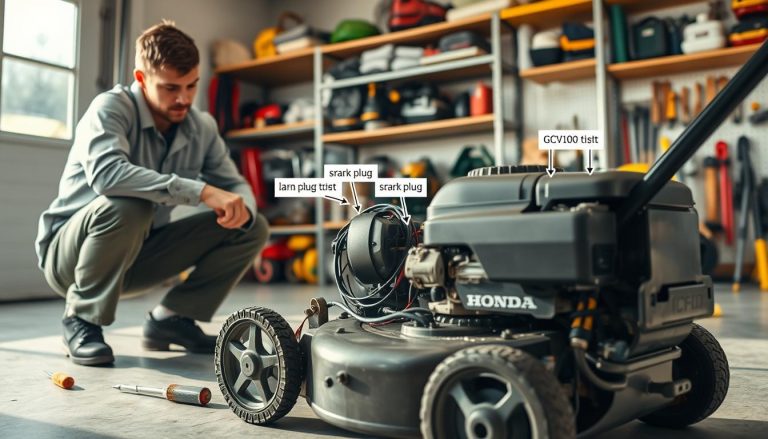
Disconnecting the Spark Plug
First and foremost, disconnect the spark plug to prevent any accidental engine starts. This simple step can significantly reduce the risk of injury.
Proper Work Environment Setup
Ensure your work area is well-lit, clear of clutter, and free from any flammable materials. A clean and organized workspace helps in focusing on the task at hand and reduces the risk of accidents.
Required Tools and Equipment
Gather the necessary tools and equipment before you begin. Refer to your Toro lawn mower’s manual for a list of recommended tools. Commonly needed items include a socket wrench, pliers, and a screwdriver.
| Tool/Equipment | Purpose |
|---|---|
| Spark Plug Socket | Removing the spark plug |
| Socket Wrench | Loosening bolts and nuts |
| Pliers | Gripping small objects |

Toro Lawn Mower Self-Propel Not Working: Common Causes and Fixes
If your Toro lawn mower is having trouble with its self-propel feature, there are several potential causes to investigate. The self-propel system is designed to make yard work easier, but when it fails, it’s crucial to identify the cause quickly to get back to mowing.
Identifying Symptoms of Self-Propel Failure
Symptoms of self-propel failure can vary, but common issues include a complete loss of self-propulsion, inconsistent or intermittent operation, or a noticeable decrease in power. If you notice any of these symptoms, it’s essential to troubleshoot the issue promptly.
Quick Diagnostic Checklist
To diagnose the issue with your Toro lawn mower’s self-propel system, follow this quick checklist:
- Check the drive cable for any signs of damage or wear.
- Inspect the drive belt for wear or breakage.
- Verify that the transmission is functioning correctly.
- Ensure the self-propel control is engaging properly.
| Symptom | Possible Cause | Fix |
|---|---|---|
| Complete loss of self-propulsion | Broken drive cable or belt | Replace the damaged part |
| Inconsistent operation | Loose or worn drive cable | Adjust or replace the drive cable |
| Decrease in power | Transmission issues | Clean and lubricate the transmission |
Model-Specific Considerations
Different Toro lawn mower models may have unique features or requirements for their self-propel systems. For instance, some models may have a more complex transmission system or specific drive belt configurations. Always consult your owner’s manual or manufacturer’s instructions for model-specific troubleshooting and repair guidance.
By following these steps and considering the specific characteristics of your Toro lawn mower model, you can effectively diagnose and potentially fix issues with the self-propel feature, getting your lawn care back on track.
Drive Cable Issues and Solutions
The drive cable is a critical component of your Toro lawn mower’s self-propel system. When it malfunctions, it can cause the mower to stop working altogether. Understanding how to identify and fix drive cable issues is essential for DIY enthusiasts looking to repair their lawn mowers.
Inspecting the Drive Cable
To diagnose drive cable issues, start by inspecting the cable for any signs of damage or wear. Check for fraying, rust, or corrosion, as these can weaken the cable and cause it to fail. Ensure that the cable is properly connected to both the handle and the transmission.
Adjusting a Loose Drive Cable
If the drive cable is loose, it may not be engaging the self-propel system correctly. To adjust a loose drive cable, locate the adjustment nut and turn it clockwise to tighten the cable. Be cautious not to overtighten, as this can cause other issues.
Replacing a Damaged Drive Cable
If the drive cable is damaged beyond repair, it will need to be replaced. Replacing a drive cable involves several steps, including removing the old cable, inspecting the cable housing, and installing a new cable.
Step-by-Step Cable Replacement Guide
- Disconnect the spark plug to ensure safety.
- Remove the old drive cable from the handle and transmission.
- Inspect the cable housing for damage or blockages.
- Install the new drive cable, ensuring it is properly seated.
- Reconnect the spark plug and test the mower.
| Symptoms | Possible Cause | Fix |
|---|---|---|
| Lawn mower not self-propelling | Loose or damaged drive cable | Tighten or replace drive cable |
| Intermittent self-propel engagement | Worn or frayed drive cable | Replace drive cable |
By following these steps and understanding the common issues related to drive cables, you can effectively diagnose and repair problems with your Toro lawn mower’s self-propel system.
Drive Belt Problems and Repairs
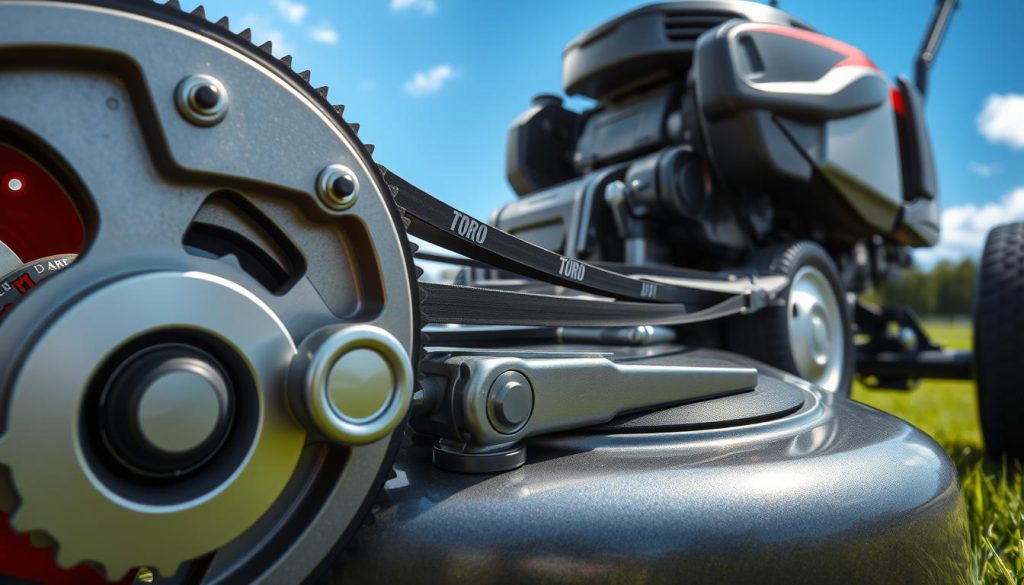
The drive belt plays a crucial role in your Toro lawn mower’s self-propel system. A worn or broken drive belt can cause the self-propel feature to malfunction, making it difficult to maneuver the mower.
Signs of a Worn or Broken Drive Belt
Identifying a worn or broken drive belt is essential for timely repairs. Common signs include:
- Cracks or frays on the belt surface
- Excessive wear or stretching of the belt
- Belt slippage or misalignment
- Unusual noises coming from the belt area
Accessing the Drive Belt
To access the drive belt, you may need to remove certain components such as the mower deck or the belt cover. Consult your Toro lawn mower’s manual for specific instructions on how to access the drive belt on your particular model.
How to Replace the Drive Belt
Replacing the drive belt involves removing the old belt and installing a new one. Ensure that the new belt is properly seated on the pulleys and aligned correctly. Proper belt tension is crucial for the self-propel system to function correctly.
Belt Tension Adjustment Tips
Adjusting the belt tension is critical to ensure smooth operation. To adjust the belt tension, follow these steps:
- Loosen the tension adjustment bolt
- Check the belt tension by applying moderate pressure
- Tighten the adjustment bolt until the belt is snug
- Test the self-propel feature to ensure it’s working smoothly
By following these steps, you can diagnose and repair drive belt problems, ensuring your Toro lawn mower operates efficiently.
Transmission and Gear Issues
Understanding transmission and gear issues is crucial for maintaining your Toro lawn mower’s performance. Transmission problems can lead to a significant decrease in the mower’s efficiency and overall functionality.
Diagnosing Transmission Problems
To diagnose transmission issues, start by checking for any signs of wear or damage on the gears and transmission components. Listen for unusual noises during operation, as these can be indicative of internal problems.
Common symptoms include slipping gears, unusual noises, and difficulty engaging or disengaging the self-propel feature.
Cleaning and Lubricating the Transmission
Regular cleaning and lubrication are essential for maintaining the health of your Toro lawn mower’s transmission. Use a recommended lubricant to keep the gears and other moving parts well-lubricated.
- Disconnect the spark plug before starting maintenance.
- Use a soft brush to remove debris from the transmission area.
- Apply lubricant according to the manufacturer’s instructions.
When to Replace Transmission Components
Knowing when to replace transmission components is vital for preventing further damage to your lawn mower. If you notice significant wear or damage, it’s time to consider replacement.
Common Transmission Failure Points
Some of the most common failure points in Toro lawn mower transmissions include worn gear teeth, damaged bearings, and cracked transmission housings. Regular inspection can help identify these issues early.
| Component | Signs of Failure | Action Required |
|---|---|---|
| Gear Teeth | Wearing down or chipping | Replace gears |
| Bearings | Noise, vibration | Replace bearings |
| Transmission Housing | Cracks, damage | Replace housing |
Preventative Maintenance for Self-Propel Systems
A well-maintained self-propel system is essential for the optimal functioning of your Toro lawn mower. To achieve this, it’s crucial to follow a structured maintenance routine.
Seasonal Maintenance Schedule
At the start of each mowing season, inspect your lawn mower’s self-propel system for any signs of wear or damage. Regularly check and replace the drive belt as needed, and ensure the drive cable is properly adjusted.
Proper Storage Practices
When storing your lawn mower during the off-season, make sure to clean it thoroughly and lubricate the moving parts. Store it in a dry, protected area to prevent damage from the elements.
Lubrication and Cleaning Routines
Regular lubrication of the self-propel system’s moving parts is vital. Use a suitable lubricant and follow the manufacturer’s instructions. Cleaning the mower deck and other components regularly will also help maintain its performance.
| Maintenance Task | Frequency |
|---|---|
| Inspect Drive Belt | Seasonally |
| Lubricate Moving Parts | Monthly |
| Clean Mower Deck | After Each Use |
Conclusion: When to Seek Professional Help
While DIY troubleshooting and repair can resolve many Toro lawn mower self-propel issues, some problems may be too complex or require specialized expertise. Knowing when to seek professional help is crucial to avoid further damage or safety risks.
If you’ve followed the troubleshooting steps outlined in this guide and still experience issues with your lawn mower’s self-propel system, it may be time to consult a professional. Lawn mower repair services can diagnose and fix complex problems, such as transmission or gear issues, that may be beyond your troubleshooting limits.
Seeking professional help can also be beneficial if you’re unsure about performing repairs yourself or lack the necessary tools and equipment. A professional can provide a safe and effective solution, ensuring your lawn mower is back in working order.
By understanding the limits of DIY troubleshooting and knowing when to seek professional help, you can keep your Toro lawn mower in optimal condition and ensure a well-manicured lawn.
FAQ
What are the common causes of Toro lawn mower self-propel not working?
Common causes include issues with the drive cable, drive belt, transmission, and gear problems, as well as improper maintenance and worn-out parts.
How do I inspect the drive cable on my Toro lawn mower?
To inspect the drive cable, check for signs of wear, damage, or corrosion, and ensure it is properly adjusted and not loose.
What are the signs of a worn or broken drive belt on a Toro lawn mower?
Signs of a worn or broken drive belt include cracks, frays, or breaks in the belt, as well as slipping or uneven movement of the lawn mower.
How do I replace the drive belt on my Toro lawn mower?
To replace the drive belt, access the belt by removing any necessary covers or guards, then remove the old belt and install a new one, ensuring proper tension and alignment.
What is the proper way to store my Toro lawn mower to maintain the self-propel system?
To properly store your Toro lawn mower, clean and lubricate the self-propel system, and store it in a dry, protected area, following the manufacturer’s guidelines.
How often should I perform maintenance on my Toro lawn mower’s self-propel system?
Perform maintenance on your Toro lawn mower’s self-propel system according to the manufacturer’s recommended seasonal maintenance schedule.
Can I fix transmission problems on my Toro lawn mower myself?
While some transmission issues can be addressed through cleaning and lubrication, more complex problems may require professional assistance, so it’s essential to diagnose the issue accurately.
What are the benefits of using a Toro Personal Pace System?
The Toro Personal Pace System provides a self-propel system that automatically adjusts to the user’s pace, making it easier to maneuver and control the lawn mower.
How do I adjust the belt tension on my Toro lawn mower?
To adjust the belt tension, locate the tensioning mechanism, loosen or tighten it as needed, and ensure the belt is properly seated and aligned.