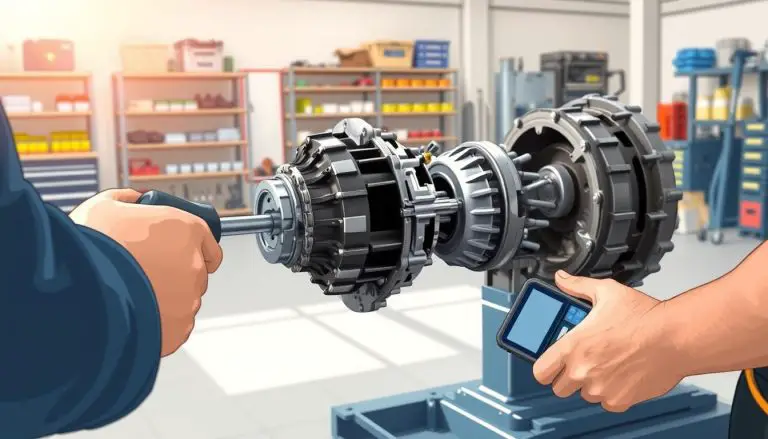
A functioning car air conditioning system is crucial for a comfortable driving experience, especially during hot summer months. However, if your car’s AC system starts blowing hot air after a recharge, it can be frustrating and concerning.
Several factors could be contributing to this issue, including problems with the refrigerant, condenser coil, or compressor. Understanding the root cause is essential for effective AC troubleshooting and repair.
Proper car AC repair involves identifying and addressing the underlying issues, which may require professional assistance. A successful refrigerant recharge is just the first step; ensuring the system operates correctly is equally important.
Key Takeaways
- Identify potential causes of AC blowing hot air after recharge.
- Understand the importance of proper AC troubleshooting.
- Recognize the need for professional car AC repair.
- Learn about the role of refrigerant recharge in AC maintenance.
- Discover expert tips for maintaining your vehicle’s AC system.
Understanding Vehicle AC Systems
To tackle the problem of AC blowing hot air, it’s crucial to comprehend the inner workings of vehicle AC systems. Automotive AC systems are designed to provide a comfortable driving experience by controlling the temperature and humidity inside the vehicle.
How Automotive AC Systems Work
The operation of automotive AC systems revolves around the refrigeration cycle, which involves the circulation of refrigerant through various components.
Refrigeration Cycle Explained
The refrigeration cycle is a process that transfers heat from the interior of the vehicle to the outside air. It involves four stages: compression, condensation, expansion, and evaporation.
Key Components and Their Functions
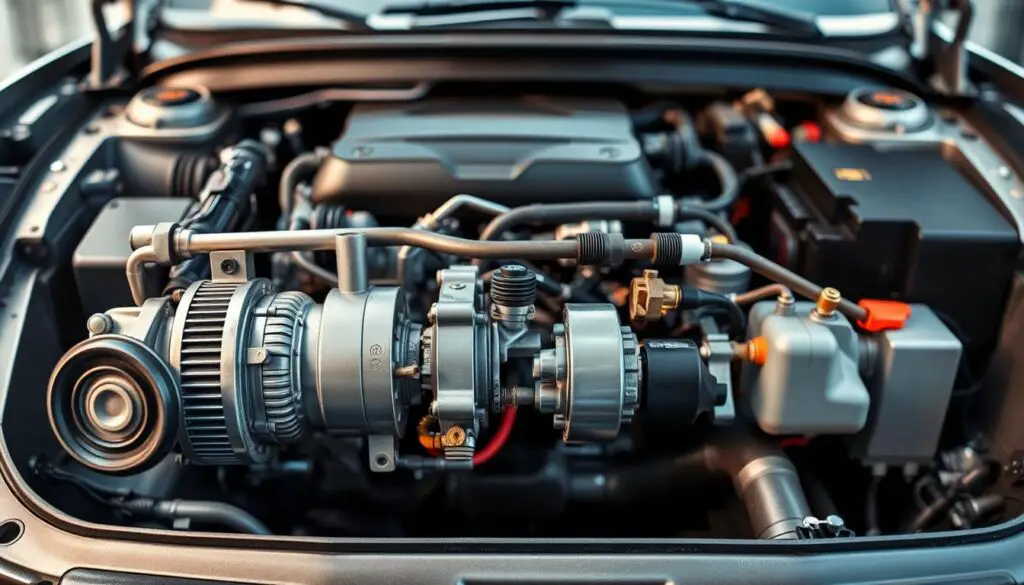
Key components include the compressor, condenser, expansion valve, and evaporator. Each component plays a vital role in the refrigeration cycle.
The Importance of Proper Refrigerant Levels
Maintaining the correct refrigerant level is crucial for the efficient operation of the AC system.
Pressure-Temperature Relationship
The pressure and temperature of the refrigerant are closely related. Incorrect refrigerant levels can disrupt this balance, leading to poor AC performance.
Effects of Overcharging and Undercharging
Overcharging can cause excessive pressure, potentially damaging the system, while undercharging reduces the system’s ability to cool effectively.
| Component | Function |
|---|---|
| Compressor | Compresses refrigerant, raising its pressure and temperature |
| Condenser | Dissipates heat from the refrigerant to the outside air |
| Expansion Valve | Reduces the pressure of the refrigerant, allowing it to expand |
| Evaporator | Absorbs heat from the vehicle’s interior, cooling the air |
Why Is My AC Blowing Hot Air After Recharge: Common Causes
If your vehicle’s AC is blowing hot air after a recharge, it’s crucial to identify the root cause. Several factors could be at play, and understanding these can help you troubleshoot the issue effectively.
Improper Recharge Procedure
An improper recharge procedure can lead to your AC blowing hot air. This can happen due to incorrect refrigerant type or air in the system.
Incorrect Refrigerant Type
Using the wrong type of refrigerant can disrupt the AC’s cooling capability. It’s essential to refer to your vehicle’s manual or consult with a professional to ensure the correct refrigerant is used.
Air in the System
Air contamination in the AC system can cause it to malfunction. Evacuating the system properly before recharging is crucial to remove any air that might have entered.
Refrigerant Leaks
Refrigerant leaks are another common cause of AC blowing hot air. Identifying and fixing these leaks is essential.
Common Leak Points
Leaks often occur at the connections, seals, and hoses within the AC system. Regular inspections can help identify these issues early.
Leak Detection Methods
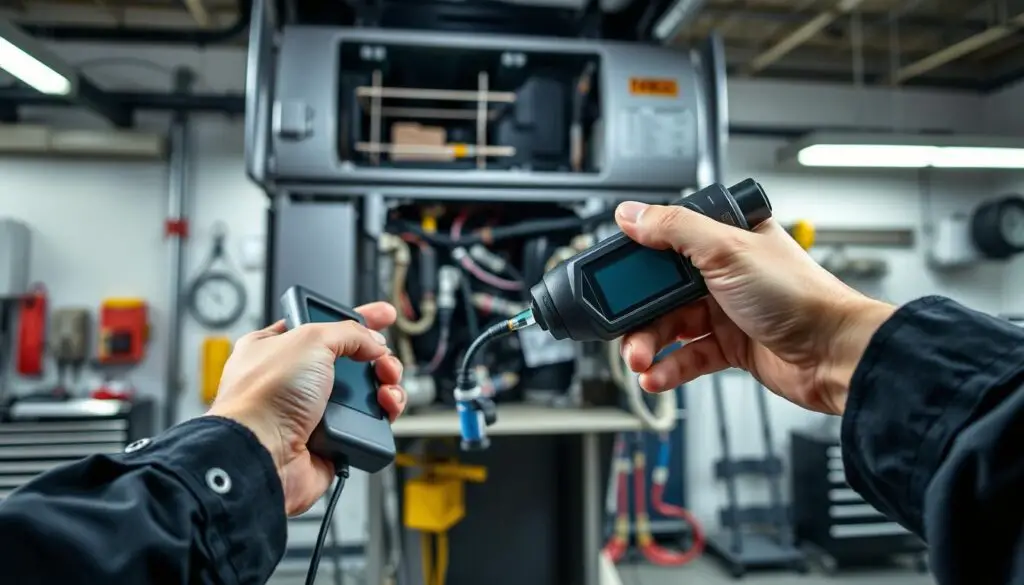
Using a leak detection kit or UV dye can help locate refrigerant leaks. These tools are invaluable for diagnosing issues.
Compressor Issues
The compressor is a critical component of the AC system. Problems here can lead to hot air being blown.
Clutch Engagement Problems
If the compressor clutch fails to engage, the compressor won’t work, leading to hot air. Checking the clutch and electrical connections is necessary.
Internal Compressor Damage
Internal damage to the compressor can also cause issues. In such cases, replacing the compressor might be the only solution.
Electrical Problems
Electrical issues can also affect the AC’s performance. Faults in this area can cause the AC to blow hot air.
Blown Fuses and Relays
Checking for blown fuses or faulty relays is a straightforward step in diagnosing electrical problems.
Faulty Pressure Switches
A malfunctioning pressure switch can disrupt the AC’s operation. Ensuring that the pressure switches are functioning correctly is vital.
| Cause | Symptoms | Solution |
|---|---|---|
| Improper Recharge | Hot air, low cooling | Recharge correctly, check refrigerant type |
| Refrigerant Leaks | Gradual loss of cooling | Detect and fix leaks, recharge |
| Compressor Issues | No cooling, clutch not engaging | Check clutch, replace compressor if damaged |
| Electrical Problems | Intermittent cooling, blown fuses | Check fuses, relays, and pressure switches |
Essential Tools for AC Troubleshooting
When troubleshooting AC issues, having the right tools is crucial for an accurate diagnosis. Technicians rely on a variety of equipment to identify and fix problems efficiently.
Pressure Gauge Manifold Set
A pressure gauge manifold set is a fundamental tool for assessing the condition of an AC system. It measures both high and low side pressures, providing valuable insights into the system’s operation.
Reading High and Low Side Pressures
Understanding how to read the pressures on both the high and low sides is critical. These readings help technicians diagnose issues such as refrigerant leaks or compressor problems.
Interpreting Pressure Readings
Interpreting the pressure readings involves comparing the measured values against the manufacturer’s specifications. This comparison helps identify if the system is overcharged, undercharged, or functioning correctly.
Leak Detection Equipment
Leak detection is a critical aspect of AC troubleshooting. There are several methods and tools available for detecting leaks, including UV dye and electronic leak detectors.
UV Dye Methods
UV dye is injected into the AC system, and with the aid of a UV light, technicians can identify leaks. This method is effective for pinpointing the exact location of refrigerant leaks.
Electronic Leak Detectors
Electronic leak detectors are highly sensitive devices that can detect even the smallest refrigerant leaks. They are an essential tool for ensuring the integrity of the AC system.
Safety Gear Requirements
Safety is paramount when working with AC systems. Technicians must wear appropriate safety gear, including gloves and eye protection, to prevent injuries.
Gloves and Eye Protection
Gloves protect against chemical exposure and physical abrasions, while eye protection safeguards against refrigerant splashes or debris.
Ventilation Considerations
Proper ventilation is crucial when working with refrigerants, as they can displace oxygen and cause health issues in enclosed spaces.
| Tool | Purpose |
|---|---|
| Pressure Gauge Manifold Set | Measures high and low side pressures |
| UV Dye | Detects refrigerant leaks |
| Electronic Leak Detectors | Detects small refrigerant leaks |
Diagnosing the Specific Problem
To effectively troubleshoot your vehicle’s AC system, it’s crucial to follow a structured diagnostic process. This involves checking various components and systems to identify the root cause of the problem.
Checking Refrigerant Pressure Levels
Refrigerant pressure levels are a critical indicator of your AC system’s health. Abnormal pressures can signify issues such as leaks or blockages.
Normal Operating Pressures
Typically, the low-side pressure should be around 25-30 psi, while the high-side pressure should be between 150-250 psi when the engine is running and the AC is on.
Abnormal Pressure Symptoms
Low pressure on both sides may indicate a refrigerant leak, while high pressure on both sides could suggest an overcharged system or a blockage.
Inspecting for Visible Leaks
Visible leaks are a common cause of AC malfunction. Inspecting the system thoroughly can help identify such issues.
Hose Connections and Seals
Check all hose connections for signs of wear or damage. Leaks often occur at these connection points.
Condenser and Evaporator Inspection
Inspect the condenser and evaporator coils for any damage or blockages that could impede their function.
| Component | Common Issues | Inspection Tips |
|---|---|---|
| Hose Connections | Leaks, Wear | Check for signs of moisture or oil residue |
| Condenser Coils | Blockages, Damage | Inspect for bent fins or debris accumulation |
| Evaporator Coils | Freeze-ups, Leaks | Check for ice formation or water leakage |
Testing Compressor Function
The compressor is a vital component of the AC system. Testing its function can help diagnose issues related to cooling.
Clutch Engagement Test
When the AC is turned on, the compressor clutch should engage. Failure to do so may indicate an electrical or mechanical issue.
Compressor Noise Analysis
Unusual noises from the compressor, such as grinding or squealing, can indicate internal problems or wear.
Examining Electrical Connections
Electrical issues can also cause AC malfunctions. Checking the electrical connections and components is crucial.
Circuit Testing Procedures
Use a multimeter to test the continuity and voltage at various points in the AC circuit to identify any faults.
Sensor Verification
Ensure that temperature sensors and pressure sensors are functioning correctly, as faulty sensors can lead to improper system operation.
Step-by-Step Troubleshooting Process
When your car’s AC starts blowing hot air after a recharge, it’s time to follow a systematic troubleshooting process. This approach will help you identify the root cause of the problem and take corrective action.
Initial System Assessment
The first step in troubleshooting your car’s AC system is to perform an initial assessment. This involves a visual inspection and performance testing.
Visual Inspection Checklist
- Check for signs of physical damage or wear on AC components.
- Inspect electrical connections for any signs of corrosion or damage.
- Verify that all AC system components are properly secured.
Performance Testing
Turn on the AC and listen for any unusual noises. Check the air temperature coming from the vents to ensure it’s cold. If the air isn’t cold, proceed with further troubleshooting.
Pressure Testing Procedure
Pressure testing is crucial for diagnosing AC system issues. It involves connecting a gauge set to the AC system and analyzing the pressure readings.
Connecting Gauge Set Safely
Ensure the engine is off and the AC system is not running. Connect the gauge set to the low and high-pressure ports. Refer to your car’s repair manual for the correct port locations.
Analyzing Pressure Readings
Compare your readings to the manufacturer’s specifications. Abnormal pressure readings can indicate issues such as refrigerant leaks or blockages. For a detailed guide on recharging your car’s AC, you can refer to this resource.
Compressor Clutch Engagement Check
The compressor clutch plays a vital role in the AC system. Checking its engagement is essential for diagnosing compressor issues.
Testing Electrical Circuit
Verify that the electrical circuit to the compressor clutch is functioning correctly. Use a multimeter to check for voltage at the clutch connector.
Mechanical Inspection
Inspect the compressor clutch for signs of wear or damage. Ensure it’s engaging properly when the AC is turned on.
Blockage and Restriction Testing
Blockages or restrictions in the AC system can cause poor performance. Checking the expansion valve or orifice tube and condenser airflow is crucial.
Checking Expansion Valve/Orifice Tube
Inspect the expansion valve or orifice tube for any signs of blockage or malfunction. Clean or replace it as necessary.
Inspecting Condenser Airflow
Ensure the condenser is free from debris and that airflow is not restricted. Clean the condenser if necessary to improve airflow.
Fixing Common AC Issues After Recharge
When your car’s AC blows hot air despite being recharged, it’s crucial to identify and address the underlying problem. Several common issues can cause this problem, and resolving them requires a systematic approach.
Correcting Refrigerant Levels
One of the primary reasons for AC blowing hot air after recharge is incorrect refrigerant levels. Ensuring the right amount of refrigerant is crucial for the system’s proper functioning.
Proper Evacuation Techniques
Proper evacuation techniques are essential to remove air and moisture from the AC system before recharging.
Accurate Charging Methods
Using accurate charging methods ensures that the refrigerant level is correct, which is vital for the AC’s performance.
Addressing Refrigerant Leaks
Refrigerant leaks are another common issue that can cause the AC to blow hot air. Identifying and fixing these leaks is essential.
Temporary Sealing Solutions
Temporary sealing solutions can provide a quick fix, but they are not a permanent solution.
Permanent Repair Options
Permanent repair options, such as replacing damaged components, offer a more reliable fix.
Resolving Compressor Problems
Compressor issues can also cause the AC to malfunction. Diagnosing and repairing or replacing the compressor as needed is crucial.
| Issue | Symptoms | Fix |
|---|---|---|
| Refrigerant Leak | Low refrigerant level, hot air | Seal or replace damaged components |
| Compressor Failure | No cooling, strange noises | Repair or replace compressor |
Preventative Maintenance to Avoid Future Issues
Maintaining your vehicle’s AC system is not just about fixing issues, but preventing them from arising in the first place. By adopting a proactive approach, you can ensure your AC system operates efficiently and effectively.
Regular AC System Checks
Regular checks are vital for the longevity of your AC system. These checks should be performed seasonally to ensure that the system is functioning correctly before the hot weather sets in.
Seasonal Inspection Schedule
Schedule your AC system inspections at the beginning of spring to prepare for the summer heat. This allows you to identify and address any issues before they become major problems.
What to Look For
During inspections, look for signs of wear and tear, such as leaks, worn-out belts, and dirty filters. Addressing these issues promptly can prevent more significant problems from developing.
Proper Use of AC System
Using your AC system correctly is crucial for its longevity. Avoid extreme temperatures and ensure the system is turned off when not in use to prevent unnecessary strain.
Best Practices for Longevity
- Use the AC system regularly, even in cold weather, to keep the compressor lubricated.
- Avoid using the AC at maximum capacity immediately; gradually increase the cooling.
Common User Mistakes
Common mistakes include not replacing the cabin air filter regularly and ignoring unusual noises. For more information on troubleshooting AC issues, you can visit this guide.
Early Warning Signs of Problems
Being aware of early warning signs can help you address issues before they escalate. Unusual noises and changes in performance are key indicators that something might be wrong.
Unusual Noises
Grinding, squealing, or hissing noises can indicate problems with the compressor, belt, or refrigerant leaks.
Performance Changes
A decrease in cooling performance or the AC blowing hot air can signal issues that need immediate attention.
| Maintenance Task | Frequency | Importance |
|---|---|---|
| Check Refrigerant Levels | Seasonally | High |
| Inspect for Leaks | Every 12,000 miles | High |
| Replace Cabin Air Filter | Every 15,000 miles | Medium |
Conclusion
Properly diagnosing and maintaining your vehicle’s AC system is crucial for optimal performance. By understanding how automotive AC systems work and being aware of common issues, you can take the necessary steps to troubleshoot and repair problems.
A thorough AC troubleshooting conclusion involves checking refrigerant levels, inspecting for leaks, and testing compressor function. Regular maintenance, including proper use of the AC system and early detection of potential issues, can help prevent future problems.
A well-maintained AC system not only provides a comfortable driving experience but also helps to prevent costly repairs. By following the steps outlined in this article, you can ensure your car’s AC is functioning correctly and efficiently, providing a comprehensive car AC repair summary.
FAQ
What are the common causes of AC blowing hot air after recharge?
Common causes include improper recharge procedure, refrigerant leaks, compressor issues, and electrical problems.
How do I know if my AC system has a refrigerant leak?
Signs of a refrigerant leak include hissing sounds, ice formation on the evaporator coils, and decreased cooling performance. You can also use leak detection equipment like UV dye or electronic leak detectors to identify leaks.
What is the proper way to recharge my AC system?
To recharge your AC system properly, you need to evacuate the system, check for leaks, and then charge it with the correct type and amount of refrigerant. It’s also essential to follow the manufacturer’s guidelines and use the correct equipment.
Can I fix a faulty AC compressor myself?
While some compressor issues can be diagnosed and fixed by a DIY enthusiast, complex problems often require professional assistance. If you’re not experienced with AC repairs, it’s recommended to seek help from a qualified mechanic or AC specialist.
How often should I perform AC system maintenance?
Regular AC system checks are recommended at least once a year, ideally before the hot season. This includes inspecting the system, checking refrigerant levels, and cleaning the condenser coils.
What are the signs of an overcharged or undercharged AC system?
An overcharged system may exhibit high pressure readings, reduced cooling performance, and potentially cause compressor damage. An undercharged system may show low pressure readings, decreased cooling performance, and potentially cause the compressor to work harder, leading to premature failure.
Can I use any type of refrigerant in my AC system?
No, you should only use the type of refrigerant specified by the vehicle’s manufacturer. Using the wrong refrigerant can cause compatibility issues, reduced performance, and potentially damage the AC system.
How do I diagnose electrical problems in my AC system?
To diagnose electrical problems, you should check the circuit breaker, fuses, and relays. You can also use a multimeter to test voltage and continuity in the electrical circuit. Consult a wiring diagram and follow proper safety precautions when working with electrical systems.
What safety precautions should I take when working with AC systems?
When working with AC systems, wear protective gear like gloves and safety glasses. Ensure good ventilation, and avoid working with the system when it’s under pressure or when the engine is running.