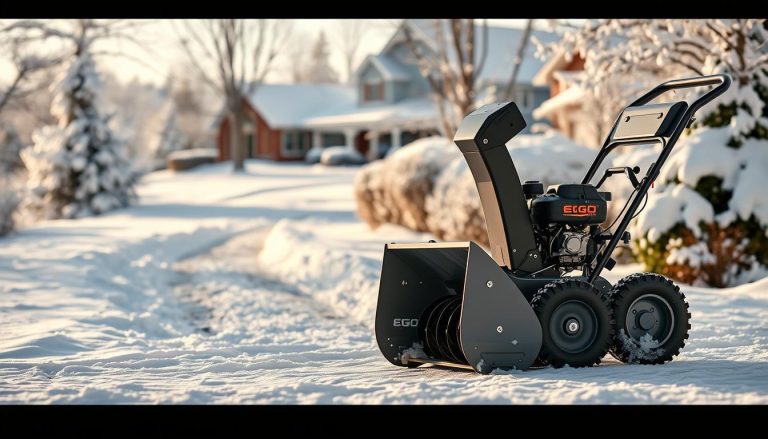
Winter can be unforgiving, especially when your Cub Cadet snow blower refuses to start. A malfunctioning snow blower can leave you stranded in the cold, making it essential to troubleshoot and fix the issue promptly.
Regular maintenance is key to ensuring your snow blower operates efficiently. However, even with proper care, issues can arise. Understanding the common problems that prevent a snow blower from starting can help you identify and resolve the issue quickly.
Effective troubleshooting involves checking the basics first, such as the spark plug, fuel level, and ignition system. By following a systematic approach, you can diagnose and fix the problem, getting your snow blower up and running in no time.
Key Takeaways
- Regular maintenance is crucial for snow blower performance.
- Check the spark plug, fuel level, and ignition system first.
- Systematic troubleshooting can help identify and fix issues.
- Understanding common problems can aid in quick resolution.
- Proper repair techniques can extend the lifespan of your snow blower.
Understanding Your Cub Cadet Snow Blower
Understanding your Cub Cadet snow blower is crucial for effective snow removal. Cub Cadet offers a variety of snow blower models, each designed to handle different snow removal tasks.
Common Models and Their Features
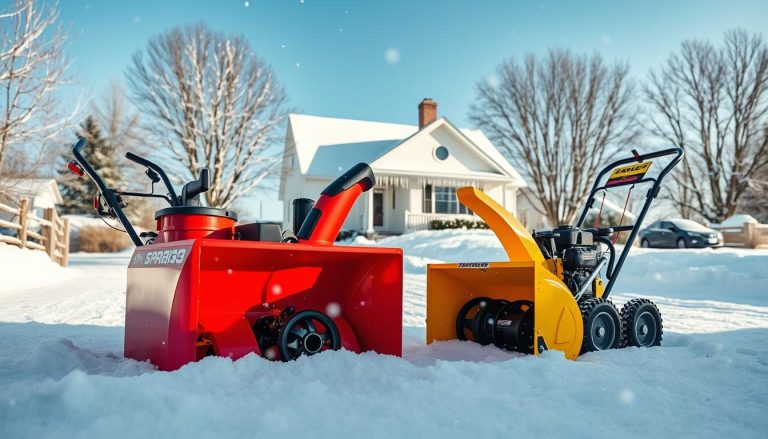
Cub Cadet snow blowers come in several models, including single-stage and two-stage snow blowers. Single-stage models are ideal for light snow and small areas, while two-stage models can handle heavier snow and larger areas.
Single-Stage vs Two-Stage Models
Single-stage snow blowers use a single auger to gather and throw snow, whereas two-stage models use an auger to gather snow and an impeller to throw it further. Two-stage models are more powerful and suitable for larger snow removal tasks.
Engine Types and Specifications
Cub Cadet snow blowers are equipped with various engine types, including gasoline-powered engines. The engine specifications vary by model, with some featuring high-torque engines for heavy-duty snow removal.
How Snow Blowers Should Function Properly
A properly functioning Cub Cadet snow blower should be able to start easily, move snow efficiently, and have a reliable auger and impeller system. Regular maintenance is key to ensuring optimal performance.
Safety Precautions Before Troubleshooting
Before diving into troubleshooting your Cub Cadet snow blower, it’s crucial to take necessary safety precautions to avoid accidents. This includes having the right tools and materials, wearing appropriate safety gear, and preparing your workspace.
Required Tools and Materials
To troubleshoot your Cub Cadet snow blower safely, you’ll need a set of basic tools and materials. These typically include a socket set, pliers, screwdrivers, and potentially a multimeter for electrical checks. Ensure you have a clean, well-lit workspace to lay out your tools and snow blower parts.

Safety Gear and Workspace Preparation
Safety gear is essential when working with machinery. Wear protective gloves (on Amzon), safety glasses (on Amazon), and sturdy boots (on Amazon) to protect yourself from potential hazards. Prepare your workspace by clearing it of clutter and ensuring good ventilation to prevent inhalation of fumes.
Disconnecting Power Sources
Always disconnect the spark plug wire or switch off the ignition to prevent accidental starts. For electric models, unplug the snow blower from the power source.
Proper Ventilation Requirements
Ensure your workspace is well-ventilated to prevent the buildup of harmful fumes from fuel or other sources. Open windows or use a fan to circulate air if working in a garage or enclosed space.
Quick Diagnostic Checklist
When your Cub Cadet snow blower fails to start, a systematic diagnostic approach can help identify the root cause. This checklist is designed to guide you through a series of checks to diagnose the problem efficiently.
Visual Inspection Steps
A visual inspection is crucial in identifying potential issues with your Cub Cadet snow blower. This involves checking various components and systems.
Exterior Component Check
Inspect the exterior of your snow blower for any damage or wear. Check for loose or missing parts, and ensure all controls are functioning properly. Verify that the auger and chute are clear of debris.
Check the fuel level to ensure it’s adequate. Also, inspect the engine oil level and look for any signs of leaks around the engine and fuel tank. Address any leaks promptly to prevent further damage.
Common Starting Issues Overview
Cub Cadet snow blowers can experience various starting issues, including stale fuel, faulty spark plugs, or ignition problems. Understanding these common issues can help you diagnose and potentially fix the problem. Review the owner’s manual for specific troubleshooting guides.
Cub Cadet Snow Blower Not Starting: Troubleshooting & Fixes
Troubleshooting a Cub Cadet snow blower that won’t start requires a systematic approach to identify the root cause. Understanding the symptoms and potential causes is crucial for effective repair.
Identifying Symptoms of Starting Problems
When a Cub Cadet snow blower fails to start, it’s essential to observe the symptoms. Common issues include a lack of spark, insufficient fuel, or mechanical problems. Check if the spark plug is sparking, if there’s fuel in the tank, and if the choke is functioning correctly. For more detailed guidance on troubleshooting, you can refer to resources like Troy-Bilt TB110 troubleshooting, which may offer insights applicable to Cub Cadet models.
Diagnostic Process Flowchart
A systematic diagnostic process can be visualized using a flowchart. Here’s a simplified overview:
| Step | Action | Outcome |
|---|---|---|
| 1 | Check Spark Plug | Spark present? Yes/No |
| 2 | Check Fuel Level | Fuel sufficient? Yes/No |
| 3 | Inspect Choke and Primer | Functioning correctly? Yes/No |
When to DIY vs. When to Call a Professional
Deciding whether to DIY or call a professional depends on the complexity of the issue and your comfort level with repairs. Simple issues like a faulty spark plug or stale fuel can often be resolved through DIY. However, complex problems such as engine or transmission issues may require professional assistance. Always refer to your owner’s manual for guidance on troubleshooting and repair procedures.
Fuel System Problems and Solutions
Cub Cadet snow blower owners often encounter fuel system problems that prevent their machines from starting. The fuel system is a critical component of your snow blower, and issues here can lead to significant operational problems.
Checking and Replacing Stale Fuel
One common issue is stale fuel. Fuel can deteriorate over time, causing starting problems. To address this, check the fuel for any signs of staleness, such as a darker color or a sour smell.
Proper Fuel Storage Techniques
To prevent fuel from becoming stale, it’s essential to store it properly. Use a fuel container that is airtight and keep it in a cool, dry place.
Fuel Stabilizer Benefits
Using a fuel stabilizer can also help maintain fuel freshness. Fuel stabilizers work by preventing the breakdown of fuel components, ensuring your snow blower starts reliably.
Fuel Line and Filter Inspection
Another critical aspect is the condition of the fuel line and filter. Inspect these components for any blockages or damage. A clogged fuel line or filter can prevent fuel from reaching the engine, causing starting issues.
Carburetor Cleaning and Adjustment
The carburetor is another key component of the fuel system. Over time, it can become dirty or clogged, affecting performance. Cleaning or adjusting the carburetor can often resolve starting problems.
Removing and Disassembling the Carburetor
To clean the carburetor, you’ll need to remove it from the engine and disassemble it. Use a carburetor cleaning kit to remove any varnish or debris.
Reassembly and Tuning Tips
After cleaning, reassemble the carburetor carefully, ensuring all parts are properly secured. Adjust the carburetor according to the manufacturer’s instructions to achieve the optimal mixture of fuel and air.
Electrical System Troubleshooting
When your Cub Cadet snow blower fails to start, examining the electrical system is a key step in identifying the problem. The electrical system is responsible for generating the spark needed to ignite the fuel. A faulty electrical system can prevent your snow blower from starting.
Spark Plug Inspection and Replacement
The spark plug is a critical component of the electrical system. Over time, spark plugs can become worn or fouled, leading to starting issues.
Checking for Spark
To check for spark, remove the spark plug and reattach it to the spark plug wire. Ground the spark plug against the engine block and crank the engine. If you see a spark, the ignition system is functioning.
Gap Adjustment Procedure
The spark plug gap should be set according to the manufacturer’s specifications. Use a spark plug gap gauge to check the gap, and adjust as necessary.
Ignition Coil Testing
The ignition coil generates the high voltage needed for spark. Testing the ignition coil involves checking its resistance using a multimeter. Compare the reading to the manufacturer’s specifications.
Battery and Starter Issues (Electric Models)
For electric start models, battery and starter issues can prevent the engine from turning over.
Testing Battery Voltage
Use a multimeter to check the battery voltage. A fully charged battery should read around 12.6 volts. If the voltage is low, charge or replace the battery.
Starter Motor Troubleshooting
If the battery is good, the starter motor may be faulty. Check the starter motor connections and test the starter motor by applying direct current from the battery.
Mechanical Problems and Repairs
Cub Cadet snow blowers, like any other machinery, can suffer from mechanical failures that require immediate attention. Addressing these issues promptly is crucial to getting your snow blower operational again.
Engine Compression Testing
Engine compression testing is a vital diagnostic tool for identifying internal engine problems. Low compression can indicate issues such as blown head gaskets, cracked engine blocks, or damaged piston rings. To perform a compression test, you’ll need a compression gauge, which can be attached to the spark plug hole. The engine should be cranked several times to obtain a reading.
Recoil Starter Mechanism Repairs
The recoil starter mechanism is prone to wear and tear. Issues such as broken recoil springs or damaged pull cords can prevent the engine from starting.
Replacing Broken Recoil Springs
To replace a broken recoil spring, first, remove the starter housing. Then, carefully extract the old spring and replace it with a new one, ensuring it’s properly seated.
Repairing Pull Cord Issues
If the pull cord is damaged, inspect it for frays or breaks. Replacing the cord or reattaching it to the starter mechanism can resolve the issue.
Auger and Drive System Checks
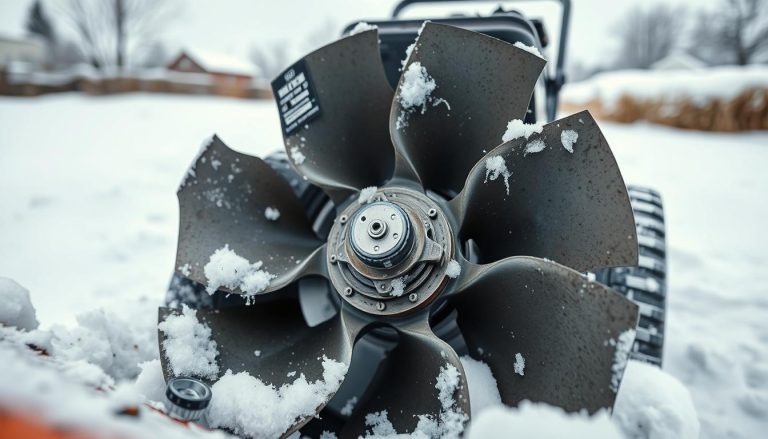
The auger and drive system are critical for the snow blower’s operation. Check for any blockages or damage to the auger blades and ensure the drive system is properly engaged.
| Mechanical Issue | Symptoms | Repair Action |
|---|---|---|
| Low Engine Compression | Hard starting, low power | Check for internal engine damage |
| Broken Recoil Spring | Starter doesn’t function | Replace recoil spring |
| Damaged Auger | Auger doesn’t turn | Inspect and replace auger blades |
Conclusion
Regular maintenance is crucial for the optimal performance of your Cub Cadet snow blower. By following the troubleshooting steps outlined in this article, you can identify and fix common issues, ensuring your snow blower is ready for the next winter season.
A comprehensive troubleshooting guide can help you tackle problems efficiently, from fuel system issues to mechanical repairs. Proper maintenance includes checking and replacing stale fuel, inspecting spark plugs, and ensuring the auger and drive system are in good condition.
By summarizing the key points from this article, you now have a clear understanding of how to keep your Cub Cadet snow blower in top working condition. Regular Cub Cadet snow blower maintenance and a thorough troubleshooting summary will help you avoid common pitfalls and ensure your snow blower continues to perform reliably.
FAQ
What are the common reasons why a Cub Cadet snow blower won’t start?
Common reasons include stale fuel, faulty spark plugs, clogged fuel filters, and issues with the ignition coil or recoil starter mechanism.
How do I check the fuel system of my Cub Cadet snow blower?
To check the fuel system, inspect the fuel tank for stale fuel, check the fuel line for blockages, and replace the fuel filter if necessary. You can also use a fuel stabilizer to prevent fuel from deteriorating.
What is the proper way to store fuel for my Cub Cadet snow blower?
Store fuel in a well-ventilated area, away from ignition sources, and use a fuel stabilizer to prevent fuel from breaking down over time.
How do I inspect and replace the spark plug in my Cub Cadet snow blower?
Remove the spark plug and inspect it for wear or damage. Clean or replace the spark plug as needed, and ensure the spark plug gap is set correctly.
What are the signs of a faulty ignition coil in my Cub Cadet snow blower?
Signs of a faulty ignition coil include a lack of spark, difficulty starting the engine, or the engine not running at all.
How do I troubleshoot the recoil starter mechanism on my Cub Cadet snow blower?
Inspect the recoil starter mechanism for worn or broken parts, and replace the recoil spring or other damaged components as needed.
What are the common issues with the auger and drive system in Cub Cadet snow blowers?
Common issues include worn or damaged auger belts, clogged auger housing, or problems with the drive system gears or bearings.
How do I perform engine compression testing on my Cub Cadet snow blower?
Use a compression gauge to test the engine compression, and compare the results to the manufacturer’s specifications to determine if the engine is suffering from low compression.
When should I call a professional to repair my Cub Cadet snow blower?
If you’re unsure about how to diagnose or repair an issue, or if the problem is complex or requires specialized tools, it’s best to consult a professional small engine repair technician.