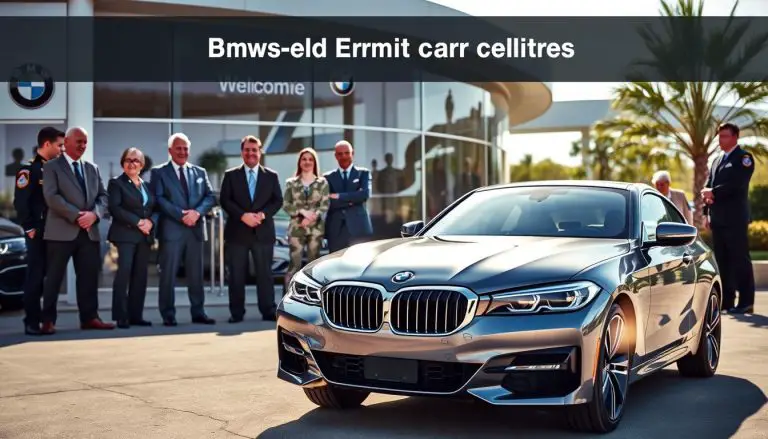
The automotive sector is undergoing a perpetual transformation, with BMW’s Life Cycle Impulse (LCI) strategy being a pivotal force in this metamorphosis. LCI is an integral component of BMW’s product strategy, facilitating the rejuvenation and enhancement of its models throughout their lifecycle.
Through the implementation of LCI, BMW is adept at adapting to shifting market dynamics, integrating cutting-edge technologies, and elevating the performance of its vehicles. This methodology empowers BMW to uphold its competitive advantage, delivering to consumers innovative products that cater to their evolving preferences.
Key Takeaways
- Understanding the significance of BMW’s Life Cycle Impulse strategy
- Exploring the role of LCI in BMW’s product development
- Learning how LCI enhances BMW’s competitiveness in the market
- Discovering the benefits of LCI for BMW customers
- Gaining insights into the impact of LCI on the automotive industry
What is BMW LCI: Understanding the Life Cycle Impulse
The concept of LCI is pivotal in comprehending BMW’s dominance in the automotive sector. It embodies a strategic methodology, aimed at revitalizing existing models to sustain their competitive edge.
Definition and Purpose in BMW’s Product Strategy
The LCI is a mid-cycle enhancement, designed by BMW to elevate the allure of its models. This initiative encompasses substantial transformations in design, technology, and performance. Its core objective is to sustain customer engagement and ensure BMW’s models remain at the forefront of a dynamically shifting market.

How LCI Differs from Complete Model Redesigns
Contrasting with comprehensive model overhauls, LCI updates concentrate on enhancing and refining existing designs. These updates are less profound and economical, enabling BMW to optimize resource allocation while delivering superior products to its clientele.
LCI updates signify BMW’s unwavering dedication to perpetual enhancement and customer contentment. Grasping the significance of LCI within BMW’s product strategy empowers consumers to make more discerning choices when acquiring a BMW vehicle.
The History and Evolution of BMW’s LCI Program
An examination of BMW’s Life Cycle Impulse (LCI) program unveils the marque’s methodology for maintaining its models’ relevance and competitiveness. This program is pivotal in BMW’s product strategy, facilitating the mid-cycle refreshment of its models.

Origins of the LCI Concept
BMW introduced the Life Cycle Impulse concept as a strategy to revitalize its models throughout their lifecycle, ensuring sustained consumer interest. This methodology enables BMW to adapt to shifting consumer preferences and technological progress without necessitating a full model overhaul.
Notable Milestones in LCI Development
Throughout its history, BMW has executed several significant LCI updates across its model range. For example, the 3 Series LCI updates have introduced substantial improvements to exterior aesthetics, interior technology, and performance capabilities.
| Model | LCI Update Features | Year Introduced |
|---|---|---|
| 3 Series | Exterior design refresh, interior technology upgrades | 2019 |
| 5 Series | Performance enhancements, new infotainment system | 2020 |
| X5 | Design updates, improved fuel efficiency | 2021 |
The progression of BMW’s LCI program exemplifies the company’s dedication to innovation and customer satisfaction. Through continuous model updates, BMW ensures its offerings remain at the forefront of the automotive industry.
Key Features and Improvements in BMW LCI Updates
BMW’s Life Cycle Impulse (LCI) updates introduce substantial enhancements to their models, ensuring they remain competitive in the dynamic automotive market. These updates are pivotal in BMW’s product strategy, aiming to refresh both the aesthetic and functional aspects of their vehicles.
Exterior Design Enhancements
The exterior design enhancements in BMW LCI updates often include revised front and rear bumpers, new grille designs, and updated LED lighting signatures. These modifications not only enhance the vehicle’s appearance but also improve its aerodynamics and overall visual appeal. For instance, the updated LED headlights can provide better illumination and a more distinctive look.
Interior and Technology Upgrades
Inside, BMW LCI models typically receive significant technology upgrades, including improved infotainment systems, new driver assistance features, and enhanced connectivity options. The interior design may also be updated with new materials, trim options, and seating configurations, providing a more comfortable and connected driving experience.
The infotainment system, for example, might be upgraded to a newer version with a larger display, improved user interface, and additional features like wireless Apple CarPlay and Android Auto.
Performance and Mechanical Refinements
Performance and mechanical refinements are also a key focus of BMW LCI updates. These can include engine tuning for better efficiency and performance, improvements to the suspension for a smoother ride, and enhancements to the transmission for quicker and more precise shifting. Such refinements help maintain the driving dynamics that BMW is known for.
For example, an LCI update might include a more efficient engine variant or an upgraded transmission with more responsive gear changes, enhancing the overall driving experience.
Comprehensive Review of Recent BMW LCI Models
BMW’s Life Cycle Impulse (LCI) updates have profoundly elevated the luxury automaker’s lineup, with recent models showcasing substantial enhancements. The LCI program is pivotal in maintaining BMW’s models’ competitiveness, and the latest updates exemplify this.
3 Series LCI (G20/G21) Analysis
The 3 Series LCI has undergone significant upgrades, positioning it as a more compelling choice in the luxury sedan segment.
Key Improvements and Features
The 3 Series LCI features an updated exterior design, with new LED headlights and taillights. The interior has also seen enhancements, including improved infotainment systems and driver assistance features.
Performance and Driving Experience
The 3 Series LCI offers a variety of engine options, including a powerful M340i variant. The driving experience is further enhanced by refined suspension and steering improvements.
5 Series LCI (G30/G31) Evaluation
The 5 Series LCI has also undergone significant updates, solidifying its position as a top contender in the luxury sedan market.
Design and Technology Updates
The 5 Series LCI features a refreshed design, with a new front bumper and updated LED lighting. The interior now includes a larger infotainment screen and advanced driver assistance systems.
Value Proposition
The 5 Series LCI offers a compelling value proposition, with its enhanced features and performance capabilities making it a strong competitor in its class.
X Series LCI Transformations
The X Series LCI models, including the X5 and X7, have received notable updates, further enhancing their appeal in the luxury SUV segment.
| Model | Key Features | Performance |
|---|---|---|
| 3 Series LCI | Updated exterior design, enhanced infotainment | Range of engine options, including M340i |
| 5 Series LCI | Refreshed design, advanced driver assistance | Enhanced performance capabilities |
| X Series LCI | Notable updates to design and technology | Improved performance and handling |
Overall, the recent BMW LCI models have demonstrated significant improvements across various aspects, from design and technology to performance and driving experience.
Buying Guide: Pros and Cons of BMW LCI Models
The BMW LCI models introduce substantial updates, necessitating a thorough examination of their advantages and disadvantages for prospective buyers. As BMW implements Life Cycle Impulse (LCI) updates, it is imperative for consumers to assess whether these enhancements meet their specific requirements and preferences.
Advantages of Purchasing an LCI Model
The primary benefits of BMW LCI models lie in their integration of the most recent technological advancements and design refinements. These updates frequently encompass enhanced exterior aesthetics, cutting-edge interior functionalities, and optimized performance capabilities. For example, the LCI iteration of the BMW 3 Series (G20/G21) introduced notable exterior redesigns, such as novel LED headlights and taillights, thus elevating both the vehicle’s visual appeal and operational efficiency.
| Feature | Pre-LCI | LCI Update |
|---|---|---|
| Exterior Design | Previous design elements | Updated LED headlights and taillights |
| Interior Features | Older infotainment system | New infotainment system with larger display |
| Performance | Existing engine options | Refined engine options with improved efficiency |
Potential Drawbacks to Consider
Despite the numerous advantages, BMW LCI models also present certain drawbacks. A significant concern is the elevated cost associated with these updated models. Some consumers might also perceive the enhancements as insufficient, failing to justify the premium price. Automotive experts have noted that the updates are more evolutionary than revolutionary, which could deter those seeking more substantial transformations.
“The LCI update is a refinement of the existing model rather than a complete overhaul, which can be both a positive and a negative depending on the buyer’s perspective.”
Ideal Buyers for LCI Models
Prospective buyers who prioritize the latest technological, design, and performance enhancements will find BMW LCI models most appealing. These individuals, often tech-savvy and appreciative of advanced driver assistance systems, will benefit from the subtle yet significant improvements. Such buyers will likely value the cutting-edge infotainment systems and other advanced features incorporated into the LCI models.
Conclusion: Is a BMW LCI Model Right for You?
BMW’s Life Cycle Impulse (LCI) program represents a strategic evolution in their model updates, ensuring they maintain a competitive edge and consumer appeal. This approach allows buyers to discern the enhancements in BMW LCI updates, facilitating informed purchasing decisions.
The LCI initiative introduces substantial improvements in exterior aesthetics, interior technology, and performance capabilities. Recent iterations, such as the 3 Series and 5 Series, have undergone significant upgrades, rendering them compelling choices for those desiring a revitalized driving experience.
Prospective buyers must consider the advantages and disadvantages of opting for a BMW LCI model. The benefits include cutting-edge features, enhanced performance, and potentially reduced depreciation. Yet, there are also drawbacks, including elevated prices for the newest models and the risk of encountering novel technological challenges.
In conclusion, a BMW LCI model is the quintessential choice for those eager to embrace the latest advancements and design enhancements. By meticulously assessing your personal requirements and preferences, you can ascertain whether a BMW LCI model meets your driving ambitions.
FAQ
What does LCI stand for in the context of BMW models?
LCI, an acronym for Life Cycle Impulse, signifies a pivotal mid-cycle transformation within BMW’s model lifecycle, occurring approximately halfway through its production tenure.
How often does BMW release LCI updates for their models?
BMW’s LCI updates are typically disseminated every 4 to 6 years, contingent upon the model’s lifecycle and competitive dynamics, ensuring a continuous refreshment of their product range.
What are the main differences between a BMW LCI model and its predecessor?
The primary distinctions encompass enhanced exterior aesthetics, interior and technological advancements, and mechanical enhancements, all aimed at elevating the driving experience and maintaining competitive edge.
Are BMW LCI models worth the investment compared to the pre-LCI versions?
The value proposition of BMW LCI models hinges on various considerations, including the scope of updates, individual preferences, and the financial disparity between LCI and pre-LCI iterations.
How do BMW LCI updates impact the resale value of the vehicle?
LCI updates can significantly enhance the resale value by introducing updated features, design, and technological advancements, potentially elevating the vehicle’s market worth relative to its pre-LCI counterparts.
Can I retrofit LCI updates to my pre-LCI BMW model?
While certain LCI updates, such as interior or technological enhancements, may be retrofitted to pre-LCI BMWs, others, including exterior redesigns or substantial mechanical overhauls, might prove impractical or economically unviable for retrofitting.
How do I identify if a BMW model is an LCI version?
To ascertain if a BMW is an LCI version, one should scrutinize the vehicle’s production date, VIN, or visually inspect for cues such as updated exterior motifs, novel interior elements, or refreshed badging and trim.