This short guide explains why a skid plate or splash shield sits beneath many vehicles today. A molded underbody cover guards vital engine parts, oil pan, transmission, and suspension from rocks, salt, and moisture.
Beyond protection, a well-fit shield trims drag and calms cabin noise. Many mass-market plastic panels are light and affordable but can crack or sag at fasteners. Metal choices add durability at a weight cost, while hybrids balance both.
Expectations matter: a shield reduces splash noise and debris strikes but does not block all moisture. Regular checks prevent trapped grit and slow corrosion on oil-adjacent parts. This piece will help readers decide whether to keep, repair, or upgrade that cover for U.S. roads today.
Key Takeaways
- Skid plates shield engine components from road hazards and splash damage.
- Plastic panels are light and cheap; metal options last longer in tough use.
- Shields improve airflow and can lower cabin noise and drag.
- Watch for worn clips, sagging edges, and debris buildup that speed corrosion.
- Regular inspection helps balance short-term drivability with long-term protection.
What That “Plastic Cover” Really Does Under Your Car
Mounted beneath the front subframe, underbody covers act as a first line of defense against road hazards.
Where it sits and what it is
This part usually attaches under the engine area, spanning from the front crossmember toward the transmission. Common labels include splash shield, skid plate, or underbody cover; all describe the same protective concept for vital components.
Materials and common designs
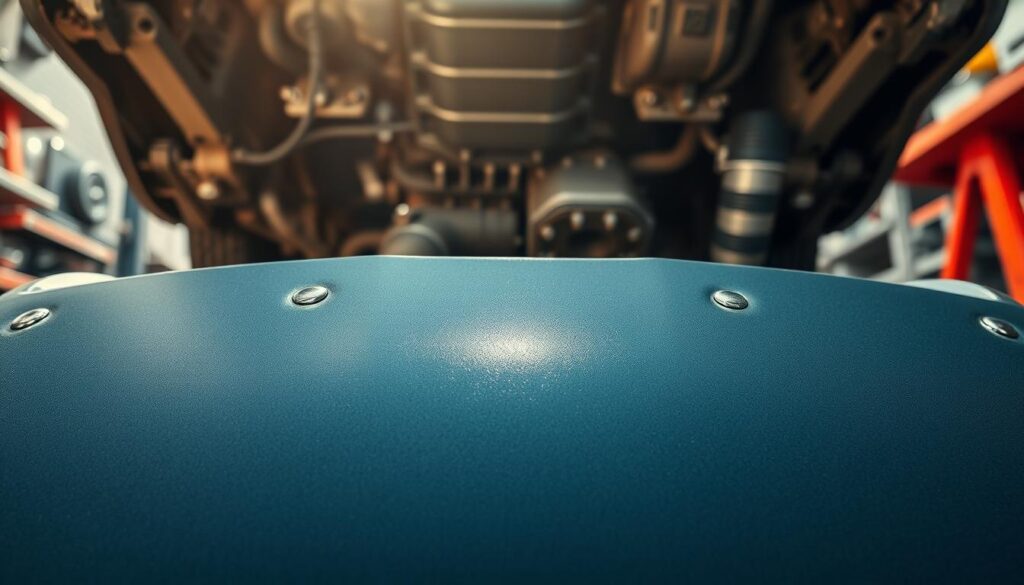
Most cars use molded plastic panels for light weight and low cost. Some models fit aluminum or steel for rugged use, while hybrids mix both to balance weight and strength.
Benefits and limits
Benefits: reduced splash into the bay, smoother under-car airflow, lower cabin noise, and some thermal routing that helps engine cooling.
Limits: gaps still let salt and water reach parts, mud can trap moisture, and repeated removals wear fasteners so panels can sag or flap. These shields offer added protection but are not heavy-duty skid plates against major impacts.
- Protects oil pan, transmission, and other engine components from gravel and debris.
- Requires periodic inspection and cleaning to remain effective.
Do You Need the Plastic Under Your Car? Unveiling Its Purpose and Perks
For many daily drivers in the U.S., a mounted splash barrier reduces repair risk from road grit and moisture.
When a splash shield is essential
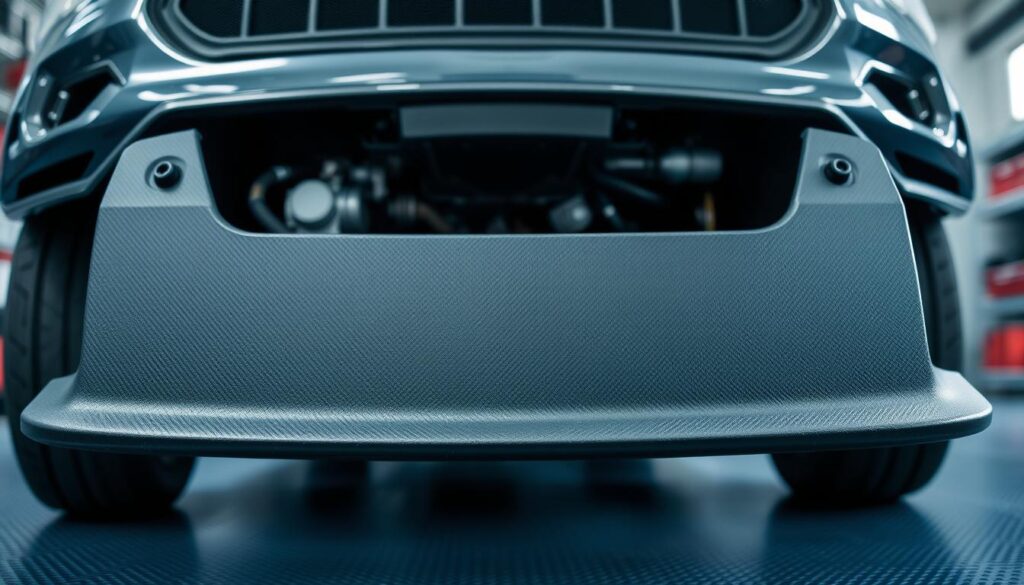
Frequent highway travel, rainy seasons, snow, and salted streets raise exposure to debris and corrosive splash. In those conditions a splash shield gives practical protection for the oil pan and nearby engine components.
Risks when a shield fails or goes missing
A torn or absent cover increases splash reach and debris intrusion. That raises likelihood of damage to the oil pan, transmission pan, and other components.
“Short-term driving is possible to reach service, but limit speed and avoid deep puddles or unpaved routes.”
Plastic versus aluminum upgrade
Plastic is light and low-cost but rips more easily. Aluminum adds impact strength, resists corrosion via an oxide layer, and helps heat dissipation on long runs.
- Aluminum splash shield kits range near $100–$450 before labor.
- For off-road or rough-road use, consider a thicker plate or true skid plate for better impact resistance.
Practical tip: inspect at each oil change (about every 5,000–7,500 miles), clean trapped grime, and secure loose edges until proper repair or replacement can be done.
How to Maintain, Clean, and Replace Your Splash Shield the Right Way
A quick inspection routine helps spot loose clips, cracks, and sagging before damage starts.
Inspect on an oil-change cadence. Check fasteners, clips, and edges every 5,000–7,500 miles. Look for rubbing, gaps, or visible cracks near the oil pan and mounting points.
Undercarriage cleaning matters. Flush salt, packed mud, and standing water to prevent corrosion on brake lines and frame components. Many washes offer targeted undercarriage service and protective sealants that reduce future buildup.
Snapshot DIY install. Work on level ground with a jack and stands. Remove old hardware, align new shield to mounting points, torque fasteners, then lower and test for clearance. Confirm service access to pan and filters remains easy.
“Inspect at each oil service, keep spare clips on hand, and document findings to spot repeat issues.”
- Tie inspections to oil changes to catch wear early.
- Rinse away salt and debris after winter drives.
- Carry spare clips and bolts for quick fixes.
| Task | Frequency | Signs to Watch | Time / Cost |
|---|---|---|---|
| Fastener & clip check | Every oil change | Loose, missing, or broken clips | 10–20 min / low cost |
| Undercarriage rinse | Seasonal / after salt exposure | Salt buildup, packed grime | 15–30 min / car wash or DIY |
| Replacement install | As needed | Sagging, large cracks, scraping | 30–60 min DIY; $100–$450 parts |
| Upgrade to metal skid plate | When conditions demand | Frequent impacts, rough roads | $100–$450 + labor |
Conclusion
A steady, well-secured splash shield keeps vital engine parts safer on wet and rough roads.
Quick summary: A fitted shield adds protection, trims noise, and helps airflow while on pavement. It can trap grime and hold moisture, so inspect at each oil change and clear built-up debris to limit corrosion.
Plastic panels offer low weight and low cost but often need clip or fastener attention. Upgrading to metal improves durability, resists corrosion, and handles heat better, though a plate can cost $100–$450 before labor.
Balance protection with maintenance time. For harsh climates or long-term ownership, choose a sturdier material, confirm fitment for the vehicle, and replace worn hardware promptly to avoid sagging or dragging.
Final note: Regular checks, timely cleaning, and correct installation deliver reliable protection with minimal fuss and preserve oil-related parts and overall vehicle health.
FAQ
What is an engine splash shield or underbody cover?
An engine splash shield, often called an underbody cover or skid plate, is a panel mounted beneath a vehicle to protect the engine, oil pan, and transmission from road debris, water, and corrosion. It also improves airflow under the car, which can reduce drag and cabin noise.
What materials are splash shields made from?
Common materials include plastic (polypropylene or ABS), metal such as aluminum or steel, and hybrid designs that combine plastic panels with metal reinforcements. Plastic offers light weight and corrosion resistance, while metal delivers greater impact strength for off-road use.
How does a splash shield help with engine and oil pan protection?
The panel blocks rocks, sticks, and road salt from striking vulnerable components like the oil pan and lower engine. By deflecting debris, it reduces the chance of punctures, fluid leaks, and damage that can cause expensive repairs or roadside breakdowns.
Can a missing or damaged splash shield affect drivability?
Short-term driving without a shield is often possible, but risks rise on highways, rough roads, or in winter conditions. Damage to fasteners or large holes can allow debris to hit components, so repair or replacement should happen before severe exposure occurs.
When is a splash shield essential?
A shield becomes essential for daily drivers, long highway commutes, areas with heavy roadside debris, and regions that use road salt in winter. It’s especially important for lower-clearance cars and vehicles frequently driven near construction zones.
What are common failure points for splash shields?
Fastener clips, screws, and plastic tabs wear or break first. Panels can crack from impact or sag due to heat cycles. Trapped moisture and road grime may accelerate wear around mounting points, causing rattles or loose sections.
How often should the splash shield be inspected?
Check the shield each oil change or at least every 5,000 miles. Inspect fasteners, look for cracks, rubbing, or sagging, and verify nothing contacts moving parts. Early checks prevent larger problems and avoid undercarriage damage.
What’s the best way to clean the undercarriage and splash shield?
Use a pressure washer or hose to flush salt, mud, and grime from beneath the vehicle, focusing on seams and mounting points. Allow the area to dry, then inspect for corrosion or damaged clips. Regular cleaning reduces corrosion on metal components.
Can I install a replacement splash shield myself?
Yes. Basic DIY tasks include aligning the panel, reusing or replacing fasteners, and tightening to manufacturer torque specs. Follow a vehicle-specific guide and perform a final check for clearance and secure attachment to avoid rubbing or drag.
When should I upgrade to an aluminum or steel skid plate?
Upgrade if driving off-road, encountering frequent impacts, or needing increased durability and heat resistance. Metal plates offer superior protection and corrosion resistance when treated properly, but they add weight and cost compared with OEM plastic covers.
How much does splash shield replacement cost?
Costs vary by material and vehicle. OEM plastic panels typically range from modest parts prices plus labor, while aftermarket aluminum skid plates cost more for materials and installation. Expect higher labor for complex mounting or rusted fasteners.
Will a splash shield improve fuel economy or noise reduction?
Yes. Properly installed underbody covers streamline airflow and can slightly improve fuel efficiency. They also dampen road and engine noise, improving cabin comfort, especially at highway speeds.
Are there dangers from trapped moisture under a plastic shield?
Trapped moisture can encourage corrosion on metal components and fasteners. Regular cleaning and inspection reduce this risk. Ensuring proper drainage and replacing damaged shields helps prevent long-term damage to the undercarriage.
What signs indicate immediate repair or replacement?
Immediate attention is needed for panels dragging on the road, missing sections that expose the oil pan or transmission, loud rattles from loose fasteners, or visible punctures. Addressing these issues avoids fluid leaks and component damage.