Understanding car cabin temperature is crucial, especially when the outside weather is around 50 degrees. The temperature inside a vehicle can rise significantly, posing risks to both the interior and occupants.
When left in certain conditions, the cabin temperature in 50 degree weather can become dangerously high. This can lead to vehicle temperature risks, including damage to the interior and potential harm to children or pets left inside.
Effective management of these temperatures is essential for safety and comfort. This article will guide you through understanding and managing cabin temperatures.
Key Takeaways
- Understanding the risks associated with high car cabin temperatures.
- Learning how to manage cabin temperature effectively.
- Identifying vehicle temperature risks in 50-degree weather.
- Practical tips for maintaining a safe and comfortable cabin temperature.
- Strategies for mitigating the effects of high temperatures on your vehicle’s interior.
The Science Behind Car Cabin Temperatures
Understanding why car cabin temperatures increase in sunlight is essential for mitigating potential risks. The interior of a vehicle can become significantly hotter than the outside environment due to several factors.
The Greenhouse Effect in Vehicles
The greenhouse effect is a primary contributor to the rise in car cabin temperatures. When sunlight enters the vehicle, it heats up the interior surfaces. These surfaces then emit long-wave radiation, which is trapped by the vehicle’s windows, leading to a buildup of heat. This natural phenomenon is intensified in vehicles due to their enclosed structure.

How External Factors Affect Internal Temperatures
External factors such as ambient temperature, sunlight intensity, and wind speed play a significant role in determining the internal temperature of a vehicle. For instance, a car parked in direct sunlight on a hot day will experience a more rapid increase in internal temperature compared to one parked in the shade.
Temperature Variation Based on Vehicle Type and Color
The type and color of a vehicle also influence its internal temperature. Dark-colored vehicles absorb more sunlight than light-colored ones, leading to higher internal temperatures. Similarly, the design and glazing of a vehicle can affect how much sunlight is absorbed and retained.
Key factors that contribute to temperature variation include the vehicle’s exterior color, the type of glazing used, and the overall design of the vehicle.
How Hot Does a Car Get in 50 Degree Weather: Unpacking Cabin Temperature Risks
Cabin temperatures can soar even when the outside temperature is a moderate 50 degrees. This significant rise in temperature poses various risks, including discomfort, health hazards for children and pets left inside, and potential damage to the vehicle’s interior.
Expected Temperature Ranges in Different Conditions
The temperature inside a car can vary greatly depending on several factors, including the vehicle’s color, the presence of tinted windows, and whether it’s parked in direct sunlight or shade. For instance, a study found that on a 50-degree day, a black car parked in direct sunlight can reach internal temperatures of up to 94 degrees within just 30 minutes.
| Vehicle Color | Temperature After 30 Minutes | Temperature After 1 Hour |
|---|---|---|
| Black | 94°F (34°C) | 104°F (40°C) |
| Silver | 86°F (30°C) | 96°F (36°C) |
| White | 82°F (28°C) | 92°F (33°C) |
Timeline of Temperature Increase
The rate at which the cabin temperature increases is alarming. Within the first 10 minutes, the temperature can rise by as much as 20 degrees. This rapid increase is due to the greenhouse effect caused by the sun’s rays entering through the windows and being trapped inside.
Hotspots Within Your Vehicle
Certain areas within your vehicle can become hotter than others. Understanding these hotspots is crucial for mitigating potential risks.
Dashboard and Steering Wheel Temperatures
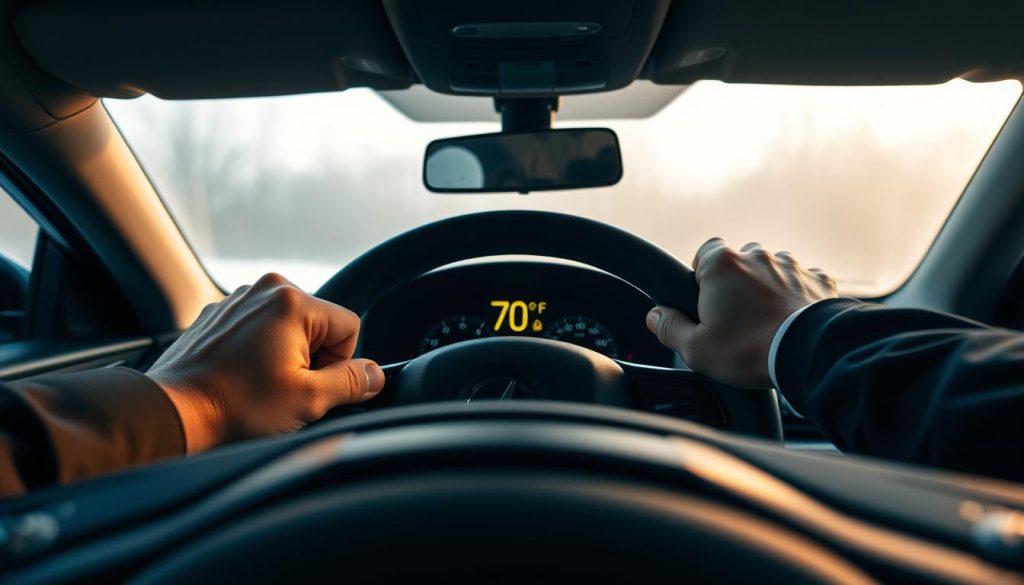
The dashboard and steering wheel are among the hottest areas inside a car. Temperatures on the dashboard can reach as high as 157°F (69°C) when parked in direct sunlight on a warm day. For more information on how extreme temperatures can affect your vehicle, especially electric vehicles, check out this article on EV battery performance in hot temperatures.
Seat Surface Temperatures
Seat surfaces can also become extremely hot, posing a risk of burns upon contact. Using sunshades or seat covers can help mitigate this risk.
Safety Concerns and Health Risks
High cabin temperatures pose significant safety concerns and health risks, particularly for vulnerable individuals. When temperatures soar, the interior of a vehicle can become a hazardous environment.
Dangers for Children and Pets
Leaving children or pets unattended in a vehicle can be fatal due to the rapid increase in cabin temperature. It’s crucial to understand that:
- Temperatures inside a car can rise by as much as 20°F in just 10 minutes.
- Heatstroke can occur in a matter of minutes, leading to serious health complications or even death.
For more information on dashboard warning signs, you can visit Rivian Dashboard Symbols and Meanings.
Effects on Vehicle Electronics and Materials
Extreme temperatures can also affect the vehicle’s electronics and interior materials. Prolonged exposure to high temperatures can:
- Cause damage to electronic components, such as batteries and circuit boards.
- Lead to the degradation of interior materials, including leather and plastics.
Seasonal Variations and Weather Considerations
Seasonal changes and varying weather conditions play a significant role in cabin temperatures. For instance:
- Cloud cover can reduce the rate at which the cabin temperature increases.
- Parking in shaded areas can mitigate some of the heat buildup.
Understanding these factors can help in managing cabin temperatures more effectively.
Practical Steps to Manage Cabin Temperatures
There are several effective ways to manage and reduce cabin temperatures in vehicles. By implementing a few simple strategies, you can significantly improve your driving comfort and safety.
Preventative Measures Before Parking
Before parking your vehicle, there are several preventative measures you can take to reduce cabin temperatures. Parking in the shade or using a sunshade can block direct sunlight, which is a major contributor to heating. Additionally, cracking your windows slightly can help to ventilate the cabin and reduce the temperature.
Quick Cool-Down Techniques
When you return to your vehicle, there are a few quick techniques to cool it down rapidly. Rolling down the windows and turning on the air conditioning can quickly lower the temperature. Some vehicles also come equipped with remote start features that allow you to start the engine and air conditioning before entering the vehicle.
Long-Term Solutions for Temperature Management
For a more permanent solution, consider window tinting and installing advanced ventilation systems. Window tinting can block UV rays and reduce heat gain, while advanced ventilation systems can improve airflow and cooling efficiency.
Window Tinting and Sunshades
Window tinting and sunshades are effective long-term solutions. They not only reduce heat but also protect your vehicle’s interior from UV damage. Various types of window tints are available, including those that block UV rays without affecting visibility.
Ventilation Systems and Technological Solutions
Advanced ventilation systems, including solar-powered vent fans, can significantly reduce cabin temperatures. These systems work by circulating air and reducing the heat buildup inside the vehicle.
| Solution | Benefits | Cost |
|---|---|---|
| Window Tinting | Reduces UV rays and heat gain | $100-$300 |
| Sunshades | Blocks direct sunlight, easy to use | $20-$50 |
| Advanced Ventilation Systems | Improves airflow, reduces heat buildup | $200-$500 |
Managing Cabin Temperatures for a Safer Drive
Understanding how to manage cabin temperatures is crucial for vehicle safety and overall driving comfort. As discussed, car cabin temperatures can soar in warm weather, posing risks to both occupants and vehicle electronics.
By implementing effective temperature control strategies, drivers can significantly reduce these risks. Simple measures such as parking in shaded areas, using sunshades, and ensuring proper ventilation can make a substantial difference in managing cabin temperatures.
Furthermore, being aware of the potential hotspots within your vehicle and taking preventative measures before parking can help mitigate the effects of high temperatures. By adopting these strategies, you can enhance your vehicle’s safety and longevity.
Stay proactive in managing cabin temperatures to ensure a safer and more comfortable driving experience. By doing so, you not only protect your vehicle’s interior and electronics but also safeguard the well-being of your passengers.
FAQ
What is the average temperature inside a car parked in 50-degree weather?
The average temperature inside a car can rise to around 80-100 degrees Fahrenheit within a short period, depending on factors like sunlight and vehicle color.
How quickly can the temperature rise inside a parked car?
The temperature inside a parked car can increase by as much as 20-40 degrees in just 10-20 minutes, especially when exposed to direct sunlight.
Are there any safety concerns associated with high cabin temperatures?
Yes, high cabin temperatures pose significant risks, particularly for children and pets left unattended in vehicles, as it can lead to heatstroke and other serious health issues.
Can high cabin temperatures damage vehicle electronics and materials?
Yes, extreme temperatures can affect the longevity and performance of vehicle electronics and materials, such as dashboard plastics and upholstery.
What are some effective ways to manage cabin temperatures?
Strategies include using sunshades, window tinting, parking in shaded areas, and utilizing ventilation systems to reduce the temperature inside the vehicle.
How can I quickly cool down my car’s cabin?
Quick cool-down techniques include rolling down windows, using the air conditioning on a high setting, and employing cooling devices like portable fans or cooling pads.
Are there any long-term solutions for managing cabin temperatures?
Yes, long-term solutions include installing window tinting, using sunshades, upgrading to advanced ventilation systems, and incorporating thermal insulation materials.
Can the color of my vehicle affect the cabin temperature?
Yes, vehicles with darker colors tend to absorb more heat, leading to higher cabin temperatures compared to lighter-colored vehicles.