Pop the hood of any modern vehicle, and you’ll likely be greeted by a large plastic cover concealing the intricate components of your engine. These engine covers, once rare, have become standard features in most contemporary automobiles. Yet many car owners find themselves wondering: what exactly do these covers do? Are they merely cosmetic additions, or do they serve essential functions for your vehicle’s performance and longevity? This comprehensive guide unveils the true purpose of engine covers and explores the numerous benefits they provide to your vehicle.
The Primary Purposes of Engine Covers
Engine covers aren’t just decorative elements added by manufacturers to make the engine bay look more organized. These components serve multiple practical functions that contribute to your vehicle’s performance, longevity, and your overall driving experience.
Noise Reduction and Sound Dampening
One of the most significant functions of engine covers is noise reduction. Modern consumers expect quiet, refined driving experiences, and engine covers play a crucial role in meeting these expectations.
The cover acts as a barrier that absorbs and deflects sound waves produced by the moving parts of your engine. This dampening effect is particularly noticeable with direct injection engines, which tend to be noisier than their predecessors.
Thermal Management and Heat Insulation
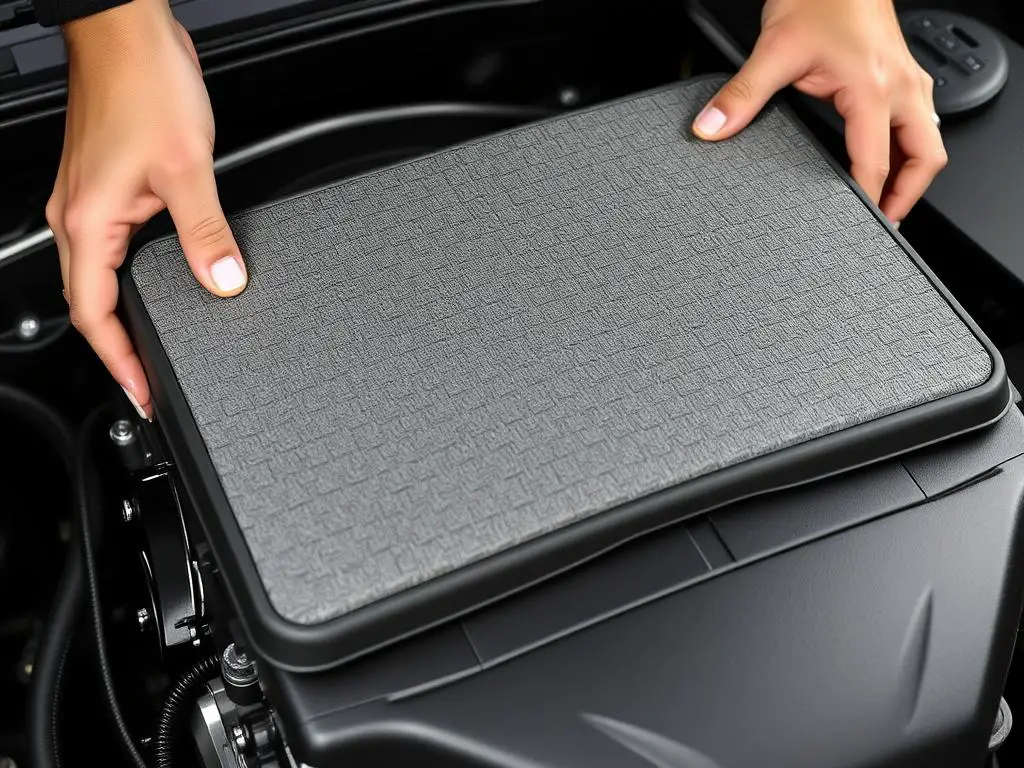
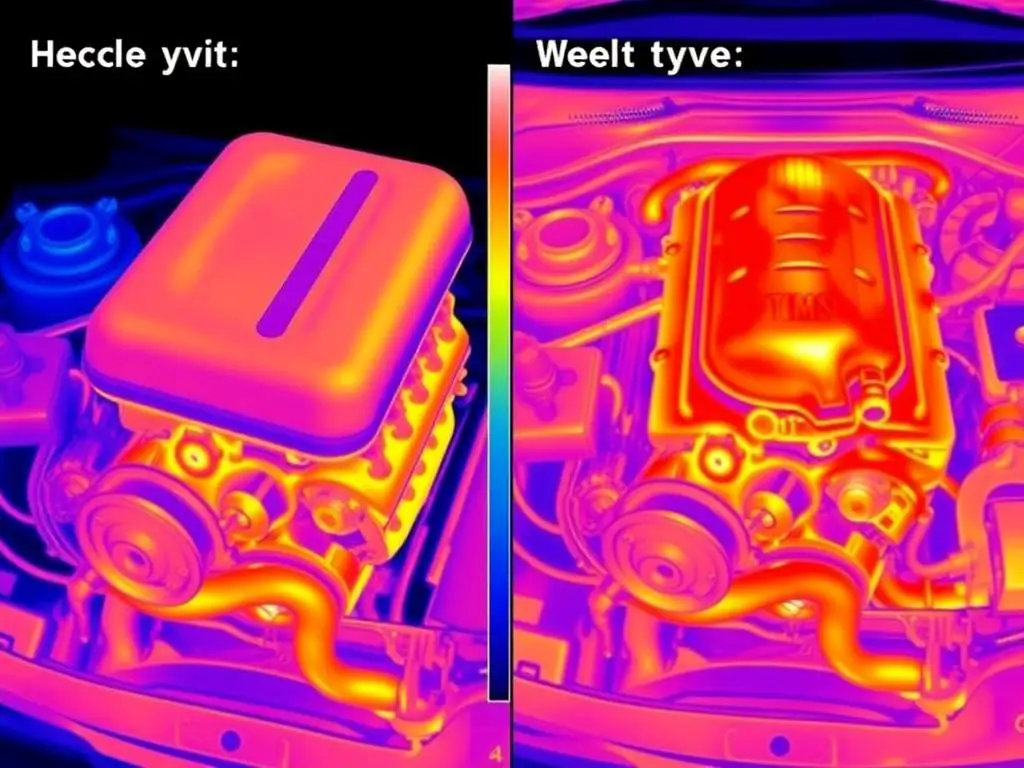
Engine covers play a vital role in managing the heat generated by your engine. They help maintain optimal operating temperatures by providing insulation that keeps heat where it belongs.
By containing heat within the engine area, covers help engines reach ideal operating temperatures more quickly, especially in cold weather. This improves fuel efficiency and reduces emissions during the critical warm-up period.
Protection from Dust, Debris, and Moisture
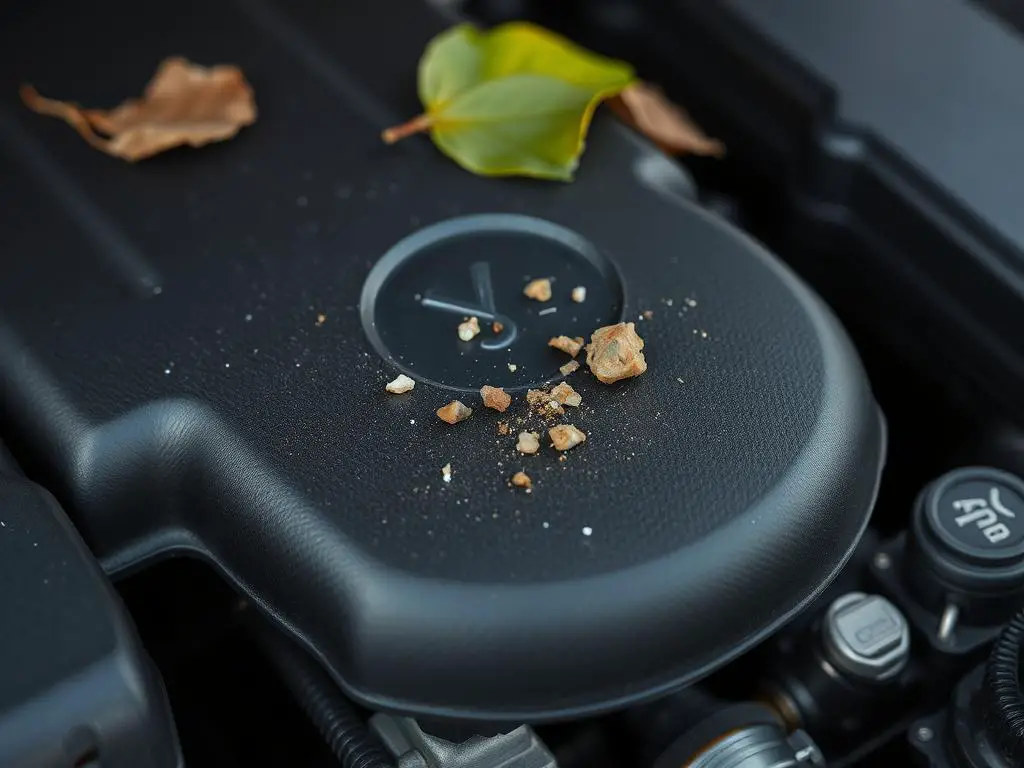
Engine covers serve as a protective shield against environmental contaminants. They prevent dust, leaves, water, and road debris from settling on critical engine components.
This protective barrier is especially valuable in harsh weather conditions or when driving through areas with significant airborne particles. By keeping these contaminants away from sensitive parts, engine covers help prevent premature wear and potential electrical issues.
Aesthetic Enhancement and Engine Bay Organization
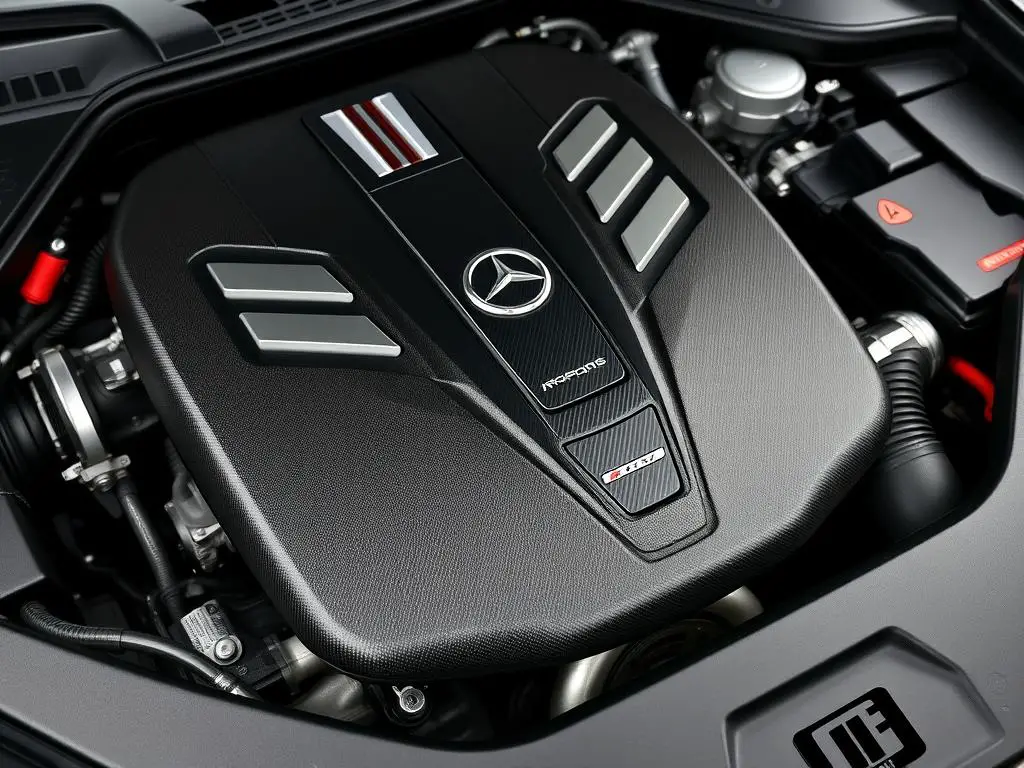
There’s no denying the visual appeal that engine covers bring to the engine bay. They transform a complex array of components, wires, and hoses into a clean, organized space that’s visually pleasing.
Manufacturers often use engine covers as branding opportunities, featuring logos, model names, or distinctive designs that enhance the premium feel of the vehicle. This aesthetic function shouldn’t be underestimated, as it contributes to owner satisfaction and potentially to resale value.
Safety Features for Technicians and Owners
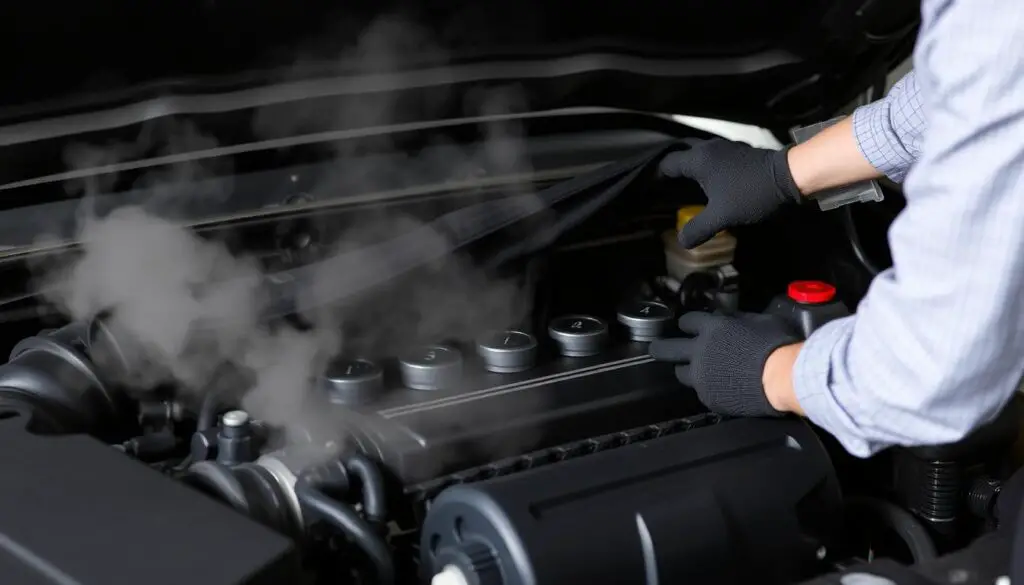
Engine covers provide an important safety function by covering hot components and moving parts. This reduces the risk of burns or injuries when checking fluid levels or performing basic maintenance.
The covers also prevent accidental contact with electrical components, reducing the risk of shocks or short circuits during routine inspections. This safety aspect is particularly valuable for vehicle owners who may not be familiar with all the potential hazards under the hood.
Benefits Engine Covers Provide to Vehicle Owners
Beyond their fundamental purposes, engine covers offer several practical benefits that directly impact vehicle owners in terms of maintenance, performance, and long-term value.
Extended Engine Component Lifespan
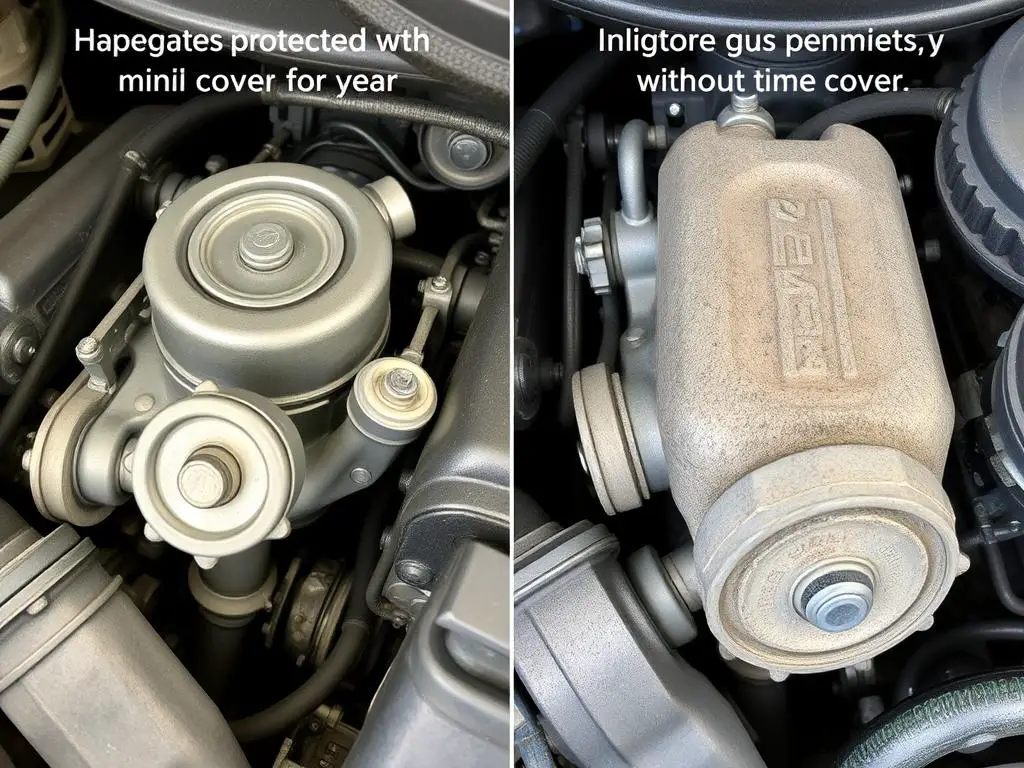
By shielding engine components from contaminants and regulating temperature, engine covers help extend the lifespan of various parts. Electrical connections, belts, and hoses benefit from reduced exposure to heat cycles, moisture, and debris.
This protection translates to fewer replacements and repairs over time. Components that remain clean and operate at optimal temperatures typically last longer and maintain their efficiency throughout the vehicle’s life.
Improved Engine Performance Consistency
Engine covers contribute to more consistent performance by helping maintain stable operating temperatures. This thermal regulation is particularly beneficial in extreme weather conditions, where it helps prevent overheating in summer and promotes faster warm-up in winter.
The result is more predictable engine behavior, improved fuel efficiency, and potentially lower emissions. These benefits are especially noticeable in modern engines with precise electronic controls that depend on consistent operating conditions.
Reduced Maintenance Requirements
With proper engine covers in place, engine bays stay cleaner, reducing the frequency of deep cleaning needed to maintain optimal performance. This cleanliness extends to various components that would otherwise require more frequent attention.
Additionally, by protecting wiring harnesses and electrical connections from moisture and contaminants, engine covers help prevent electrical issues that can be both difficult to diagnose and expensive to repair.
Enhanced Resale Value Through Preserved Engine Appearance
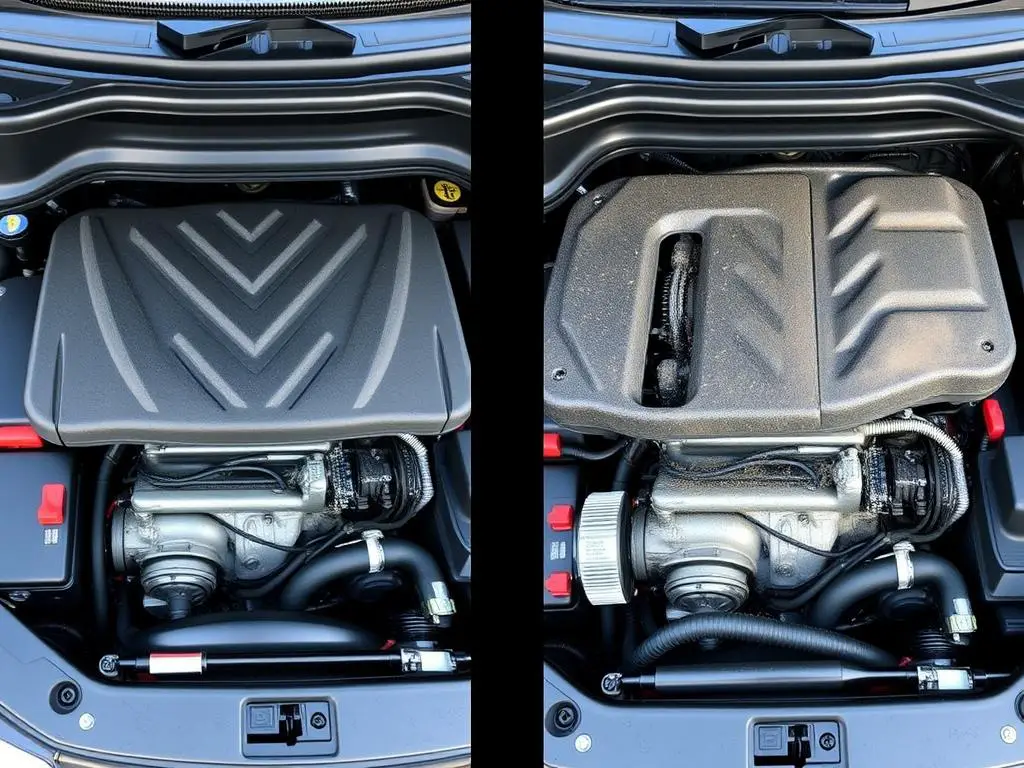
First impressions matter when selling a vehicle, and a clean, well-organized engine bay makes a strong positive impression on potential buyers. Engine covers help maintain this clean appearance over years of use.
Beyond aesthetics, a protected engine suggests careful ownership and proper maintenance, potentially increasing buyer confidence and the perceived value of your vehicle when it’s time to sell or trade in.
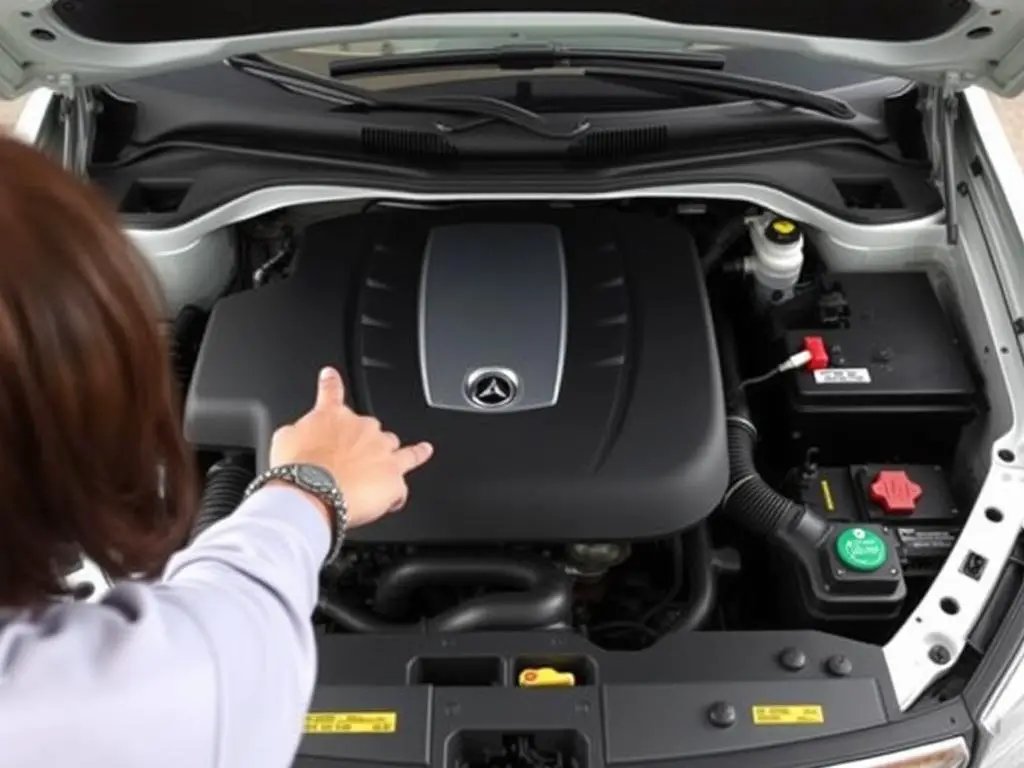
“A well-designed engine cover doesn’t just hide components—it actively contributes to engine longevity, performance stability, and overall vehicle value retention.”
Practical Information About Engine Covers
Understanding when and how to interact with your engine cover is essential for proper vehicle maintenance. This practical knowledge ensures you can maintain your vehicle effectively while preserving the benefits that engine covers provide.
When and Why to Remove Engine Covers for Maintenance
While engine covers provide numerous benefits, there are specific maintenance tasks that require their temporary removal. Understanding when to remove them ensures you can properly maintain your vehicle without unnecessary complications.
| Maintenance Task | Cover Removal Needed? | Reason |
| Oil Check | Usually No | Most dipsticks are accessible without removing the cover |
| Oil Change | Often Yes | Better access to oil filter and fill cap |
| Spark Plug Replacement | Yes | Covers typically conceal spark plugs |
| Air Filter Replacement | Sometimes | Depends on filter location relative to cover |
| Belt Inspection | Often Yes | Belts may be partially hidden by covers |
| Coolant Check | Usually No | Reservoir typically accessible without removal |
When removing engine covers, it’s important to identify all fastening points to avoid damaging the cover or its mounting points. Most covers use plastic clips, screws, or rubber grommets that require gentle handling.
Proper Care and Cleaning of Engine Covers
Maintaining your engine cover helps preserve both its appearance and functionality. Regular cleaning prevents buildup of oil, grime, and debris that can degrade the material over time.
- Use mild cleaners: Harsh chemicals can damage the plastic or composite materials. Opt for mild soap and water or specialized automotive plastic cleaners.
- Check for cracks: Regularly inspect your engine cover for cracks, warping, or damage to mounting points that might compromise its effectiveness.
- Clean both sides: Remember to clean both the visible top surface and the underside of the cover, where oil and grime often accumulate.
- Dry thoroughly: After cleaning, ensure the cover is completely dry before reinstallation to prevent moisture from being trapped against engine components.
- Replace damaged fasteners: If clips or mounting points are damaged, replace them with appropriate parts to ensure the cover remains securely attached.
Potential Drawbacks and Considerations
While engine covers offer numerous benefits, there are some considerations and potential drawbacks to be aware of when maintaining your vehicle.
Benefits to Consider
- Noise reduction and improved driving comfort
- Protection of vital components from debris and moisture
- Improved thermal management and efficiency
- Enhanced engine bay aesthetics
- Potential contribution to resale value
Drawbacks to Consider
- Can make some maintenance tasks more time-consuming
- May conceal fluid leaks or other issues
- Potential for heat retention in certain driving conditions
- Replacement costs if damaged
- Additional weight (though typically minimal)
Some performance enthusiasts choose to remove engine covers permanently, citing better heat dissipation or easier access to components. However, this eliminates the benefits covers provide and may affect warranty coverage on newer vehicles.
Important Note: If you choose to drive without your engine cover, be aware that this may void aspects of your vehicle warranty on newer cars. Manufacturers design engine systems with covers as integral components, and their removal can affect everything from noise levels to engine temperature management.
Real-World Examples and Scenarios
Understanding the practical benefits of engine covers becomes clearer when examining specific scenarios where they prove particularly valuable.
Extreme Weather Protection
In regions with harsh winters, engine covers help engines reach optimal operating temperatures more quickly. This reduces wear during cold starts and improves heater performance for passenger comfort.
Similarly, in extremely hot climates, covers help manage heat distribution and prevent localized overheating of sensitive components like ignition coils and wiring harnesses.

Off-Road and Dusty Environments
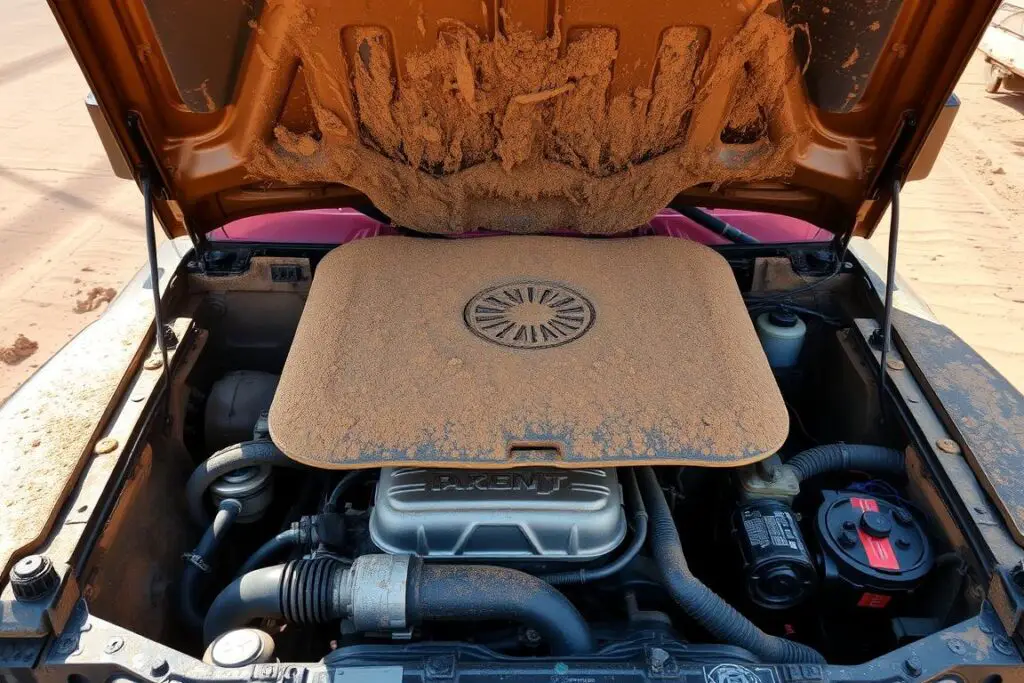
Vehicles frequently driven on unpaved roads or in dusty conditions benefit significantly from engine covers. The covers prevent fine dust particles from settling on engine components, which can accelerate wear and potentially cause electrical issues.
Off-road enthusiasts often note that properly secured engine covers help keep mud, water, and debris from directly contacting sensitive engine parts during challenging terrain navigation.
Urban Stop-and-Go Driving
In urban environments with frequent stop-and-go traffic, engine covers help manage the heat buildup that occurs during idle periods. This is particularly important for turbocharged engines, which can experience heat soak when stopped after high-load operation.
The noise reduction provided by engine covers also enhances the driving experience in congested urban environments, where engine noise would otherwise be more noticeable during frequent acceleration and deceleration.
Frequently Asked Questions About Engine Covers
Can I drive without my engine cover?
Yes, you can technically drive without an engine cover, and your vehicle will still operate. However, doing so eliminates the benefits of noise reduction, thermal management, and component protection. On newer vehicles, removing the engine cover may also affect warranty coverage, as manufacturers design engine systems with these covers as integral components.
Do engine covers affect performance?
Engine covers primarily affect performance through thermal management rather than direct power output. By helping maintain consistent operating temperatures, they contribute to stable performance across various conditions. Some performance enthusiasts remove covers claiming better heat dissipation, but this often sacrifices other benefits like noise reduction and component protection.
How do I know if my engine cover needs replacement?
Signs that your engine cover needs replacement include visible cracks or warping, broken mounting points that prevent secure attachment, melted areas from contact with hot components, or significant oil saturation that can’t be cleaned. If your cover no longer fits properly or makes rattling noises while driving, it should be inspected and potentially replaced.
Are aftermarket engine covers better than OEM covers?
Aftermarket engine covers vary widely in quality and design purpose. Some focus on aesthetic improvements with carbon fiber or custom designs, while others claim performance benefits through improved thermal properties. OEM covers are specifically designed for your vehicle’s needs and typically provide the best balance of noise reduction, heat management, and protection. If considering aftermarket options, research thoroughly to ensure they maintain the functional benefits of the original cover.
The Value of Engine Covers in Modern Automotive Design
Engine covers represent a thoughtful engineering solution that addresses multiple needs in modern vehicles. Far from being mere decorative elements, they serve essential functions that benefit both the vehicle and its owner.
From noise reduction and thermal management to component protection and aesthetic enhancement, engine covers contribute significantly to the driving experience, maintenance requirements, and long-term value of your vehicle. Understanding their purpose helps you make informed decisions about their care and maintenance.
As automotive technology continues to evolve, engine covers are likely to become even more sophisticated in their design and functionality. By appreciating their value now, you can better maintain your vehicle and potentially extend the life of its critical components for years to come.