Modern vehicles rely on advanced automotive technology to deliver improved performance, efficiency, and reliability. One crucial innovation is the Variable Timing Technology, commonly referred to as the VTR system.
The VTR system plays a vital role in optimizing engine performance, allowing car owners to enjoy a smoother driving experience. Understanding how VTR technology works is essential for car owners who want to get the most out of their vehicles.
As a car owner, having a comprehensive understanding of the VTR system can help you make informed decisions about your vehicle’s maintenance and performance. In this guide, we will delve into the details of VTR technology and explore its significance in modern vehicles.
Key Takeaways
- Understanding VTR technology is crucial for car owners to optimize their vehicle’s performance.
- The VTR system plays a vital role in delivering improved engine performance and efficiency.
- Knowledge of VTR technology can help car owners make informed decisions about maintenance and performance.
- VTR technology is a significant innovation in modern automotive technology.
- The VTR system contributes to a smoother driving experience.
Understanding VTR in Modern Vehicles
The Variable Timing Technology, commonly referred to as VTR, has become a crucial component in modern vehicles. This technology has significantly impacted the automotive industry by improving engine performance, reducing emissions, and enhancing fuel efficiency.
What VTR Stands For in Automotive Terms
VTR stands for Variable Timing Technology, which is a sophisticated engine management system. It allows for the optimization of engine valve timing, enabling the engine to operate more efficiently under various driving conditions.
The Purpose and Function of VTR Systems
The primary purpose of VTR systems is to optimize engine performance by adjusting the timing of valve operations. This adjustment enables the engine to achieve better fuel economy, increased power output, and reduced emissions. The VTR system functions by using complex algorithms and sensor data to determine the optimal valve timing for the current driving conditions.
Historical Development of Variable Timing Technology
The development of Variable Timing Technology has been a gradual process, with significant advancements over the years. Initially, VTR systems were simple and limited in their capabilities. However, with advancements in technology and computer simulations, modern VTR systems have become more sophisticated and efficient.
| Year | Development Stage | Key Features |
|---|---|---|
| Early 2000s | Introduction of Basic VTR | Simple timing adjustment |
| 2010s | Advancements in VTR Systems | Improved algorithms and sensor integration |
| 2020s | Modern VTR Systems | Advanced computer simulations and optimizations |
VTR technology has come a long way, transforming from a basic system to a highly sophisticated engine management technology. Its evolution has played a crucial role in shaping the modern automotive industry.
What is VTR on a Car: Everything You Need to Know!
Understanding VTR is crucial for car owners who want to optimize their vehicle’s performance. VTR, or Variable Timing technology, is a sophisticated engine management system that has become a cornerstone in modern automotive engineering.
Core Components of Vehicle VTR Systems
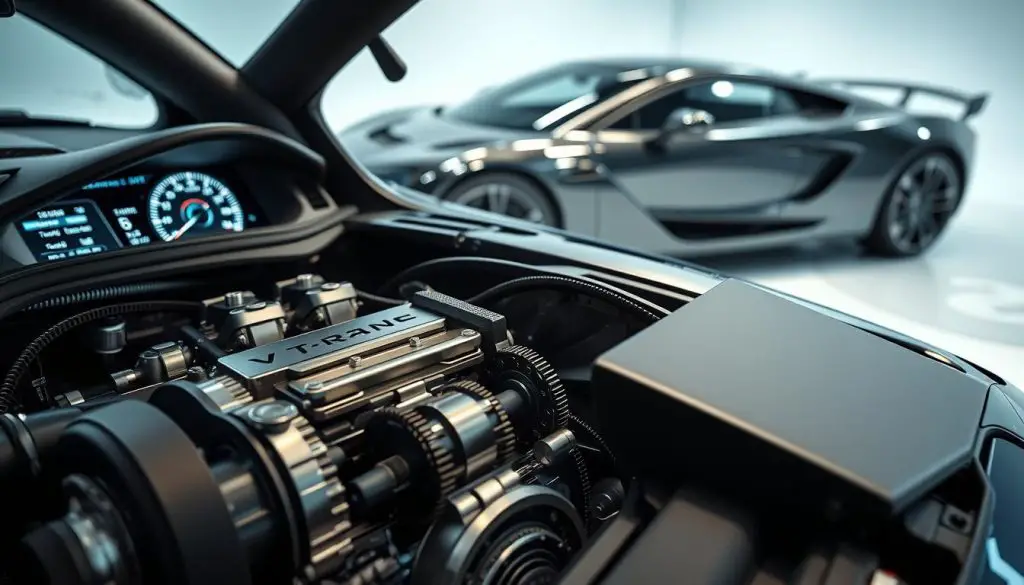
The core components of VTR systems include hydraulic actuators, solenoids, and timing gears. These elements work in concert to adjust the timing of engine valves, allowing for more efficient combustion and improved engine performance.
The hydraulic actuators play a crucial role in adjusting the valve timing based on engine speed and load. Meanwhile, solenoids control the flow of hydraulic fluid to the actuators, ensuring precise timing adjustments.
How VTR Works in Internal Combustion Engines
In internal combustion engines, VTR technology optimizes engine performance by adjusting valve timing according to engine speed and load. At low speeds, the system retards valve timing to reduce emissions and improve fuel efficiency.
At higher speeds, it advances valve timing to increase power output. This dynamic adjustment is made possible by sophisticated engine management software and high-speed actuators.
Variable Timing Technologies Across Different Manufacturers
Various automotive manufacturers have developed their own versions of VTR technology. For instance, Honda uses VTEC, while Toyota employs VVT-i. Each system has its unique characteristics but shares the common goal of improving engine efficiency.
Domestic vs. Foreign Implementation Differences
Domestic manufacturers, such as Ford and General Motors, have implemented VTR technologies that are tailored to their specific engine designs. Foreign manufacturers, like Toyota and Honda, have also developed sophisticated VTR systems that are often more advanced in terms of technology and application.
A key difference lies in the approach to VTR implementation. Domestic manufacturers tend to focus on robust, straightforward designs, while foreign manufacturers often incorporate more complex and nuanced technologies.
How VTR Impacts Your Vehicle’s Performance
By adjusting the timing of engine valves, VTR technology contributes to a more efficient and powerful driving experience. This is achieved through various mechanisms that enhance fuel economy, optimize power and torque, and reduce emissions.
Fuel Economy Improvements Through VTR
VTR technology improves fuel economy by optimizing engine timing according to driving conditions. This results in reduced fuel consumption, especially during low-load operations such as cruising at constant speeds.
Power and Torque Optimization
The ability of VTR to adjust valve timing allows for significant improvements in power and torque across different engine speeds. At higher RPMs, VTR enables more aggressive timing to increase power output, while at lower RPMs, it optimizes timing for better torque and responsiveness.
Environmental Benefits and Emissions Control
VTR also plays a crucial role in reducing emissions by ensuring that the engine operates within optimal parameters. This not only helps in meeting stringent emissions standards but also contributes to a cleaner environment.
Performance Differences at Various Engine Speeds
The impact of VTR on engine performance varies across different engine speeds. The following table illustrates the performance differences:
| Engine Speed (RPM) | Performance Without VTR | Performance With VTR |
|---|---|---|
| Low (1000-2000) | Lower torque, less responsive | Optimized torque, better responsiveness |
| Medium (2000-4000) | Moderate power output | Enhanced power and efficiency |
| High (4000-6000) | Peak power but less efficient | Peak power with optimized efficiency |
In conclusion, VTR technology significantly enhances vehicle performance by improving fuel efficiency, optimizing power and torque, and reducing emissions. Its ability to adjust engine timing according to driving conditions makes it a vital component of modern automotive engineering.
Maintaining Your Vehicle’s VTR System
Maintaining your vehicle’s VTR system can significantly enhance its longevity and efficiency. Regular maintenance is crucial for ensuring that your VTR system operates smoothly, thereby optimizing your vehicle’s overall performance.
Recommended Maintenance Schedule
To keep your VTR system in top condition, it’s essential to follow a recommended maintenance schedule. This typically involves regular checks on the system’s components, such as timing belts or chains, and solenoids. Consult your vehicle’s manual for specific guidance on maintenance intervals.
Warning Signs of VTR System Failure
Being aware of the warning signs of VTR system failure can help you address issues before they become major problems. Common indicators include unusual noises, decreased engine performance, and illuminated check engine lights. If you notice any of these signs, it’s advisable to have your VTR system inspected by a professional.
| Warning Sign | Description | Action |
|---|---|---|
| Unusual Noises | Grinding or clunking sounds from the engine area | Inspect timing components |
| Decreased Performance | Noticeable reduction in power or efficiency | Check for fault codes |
| Check Engine Light | Illuminated check engine light with related codes | Diagnose with a scan tool |
Cost Considerations for VTR Repairs
The cost of VTR repairs can vary widely depending on the nature of the issue and the components involved. It’s essential to get a detailed estimate from a mechanic before proceeding with repairs.
DIY Maintenance Tips for VTR Components
For those comfortable with DIY automotive tasks, regular maintenance of VTR components can be a cost-effective way to keep your system running smoothly. This can include checking and replacing timing belts or chains, cleaning solenoids, and ensuring proper lubrication of moving parts. Always refer to your vehicle’s repair manual for specific instructions.
Diagnosing and Troubleshooting VTR Issues
Troubleshooting VTR problems requires a systematic approach. Diagnosing issues with your vehicle’s VTR system is crucial for maintaining optimal performance and preventing further damage.
Common VTR-Related Check Engine Codes
When diagnosing VTR issues, one of the first steps is to check for any trouble codes stored in the vehicle’s onboard diagnostics (OBD) system. Common codes related to VTR problems include P0010, P0011, and P0020, which often indicate issues with camshaft timing or VTR circuit malfunctions.
Diagnostic Tools and Procedures
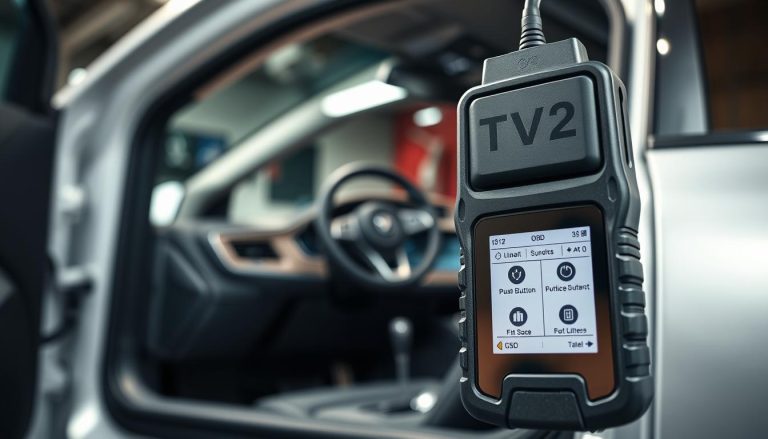
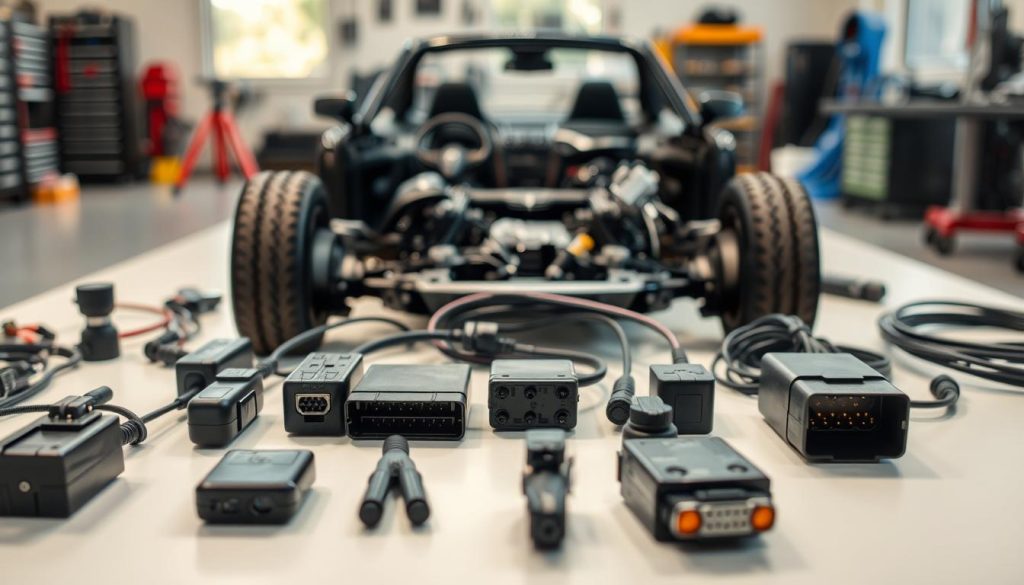
Effective diagnosis of VTR issues involves using the right tools and following established procedures. This includes using a scan tool to monitor engine performance, inspecting VTR system components for wear or damage, and performing tests to verify the system’s operation.
When to Seek Professional Assistance
If you’re unsure about diagnosing or repairing VTR issues, it’s essential to seek help from a qualified mechanic. They have the necessary expertise and equipment to accurately diagnose and fix complex problems.
Impact of VTR Failure on Vehicle Operation
VTR failure can significantly impact your vehicle’s operation, leading to reduced performance, decreased fuel efficiency, and potentially causing engine damage. Prompt diagnosis and repair are crucial to prevent these issues.
Key takeaways: Diagnosing VTR issues requires a systematic approach, involving check engine codes, diagnostic tools, and potentially seeking professional help. Understanding the impact of VTR failure on vehicle operation highlights the importance of prompt and effective troubleshooting.
VTR Technology: A Key to Enhanced Vehicle Performance
Understanding VTR technology is crucial for car owners who seek to optimize their vehicle’s performance, fuel efficiency, and overall driving experience. As discussed throughout this article, VTR systems play a vital role in modern vehicles, offering numerous benefits, including improved fuel economy, increased power and torque, and reduced emissions.
A comprehensive VTR summary highlights its significance in automotive technology, providing insights into its core components, functionality, and maintenance requirements. By grasping the fundamentals of VTR, car owners can better appreciate the intricacies of their vehicle’s engine and make informed decisions regarding its upkeep and performance enhancement.
As automotive technology continues to evolve, staying informed about advancements in VTR systems and other related technologies is essential for maximizing vehicle potential. With this knowledge, car owners can harness the full potential of their vehicle’s VTR system, enjoying a more efficient, powerful, and environmentally friendly driving experience.
FAQ
What does VTR stand for in automotive terms?
VTR stands for Variable Timing and Response, a technology used in modern vehicles to optimize engine performance.
How does VTR impact fuel economy?
VTR improves fuel economy by adjusting the timing of engine valves to optimize fuel consumption, resulting in better mileage and reduced emissions.
What are the common signs of VTR system failure?
Common signs of VTR system failure include decreased engine performance, rough idling, and check engine lights related to VTR issues.
Can I maintain my vehicle’s VTR system myself?
Yes, car owners can perform DIY maintenance on VTR components, such as cleaning or replacing faulty sensors, but it’s recommended to consult a professional for complex repairs.
How does VTR affect power and torque optimization?
VTR optimizes power and torque by adjusting engine valve timing to provide the best possible performance at different engine speeds.
What are the environmental benefits of VTR technology?
VTR technology reduces emissions by optimizing engine performance, resulting in lower environmental impact and compliance with emissions regulations.
Are there differences in VTR implementation between domestic and foreign automotive manufacturers?
Yes, different manufacturers implement VTR technology in various ways, with some using proprietary systems and others adopting industry-standard approaches.
What diagnostic tools are used to troubleshoot VTR issues?
Diagnostic tools such as scan tools and multimeters are used to troubleshoot VTR issues, helping technicians identify and repair problems.
How often should I maintain my vehicle’s VTR system?
It’s recommended to follow the manufacturer’s maintenance schedule for VTR system maintenance, typically performed during routine engine maintenance.