Discovering damage on your rental car can quickly turn a smooth trip into a stressful situation. Whether you’ve just noticed a dent after parking or you’ve been involved in an accident, knowing exactly what steps to take can save you time, money, and unnecessary headaches. This comprehensive guide walks you through the immediate actions to take, explains your insurance options, and provides strategies to protect yourself from unfair charges.
With rental car companies often charging premium rates for repairs and additional fees, being prepared and knowledgeable about the damage claim process is your best defense. Let’s explore the essential steps and solutions you need to navigate rental car damage situations confidently.
Immediate Steps to Take When Rental Car Damage Occurs
Document all damage thoroughly with clear photos from multiple angles
When you discover damage to your rental car, your immediate actions can significantly impact the outcome of your claim. Follow these critical first steps:
- Ensure safety first – If the damage resulted from an accident, make sure everyone is safe and move to a secure location if possible.
- Document everything thoroughly – Take detailed photos and videos of all damage from multiple angles. Include close-ups and wider shots that show the damage in context.
- Note the time and location – Record exactly when and where you discovered the damage, as this information will be crucial for your report.
- Contact the rental company immediately – Don’t wait until you return the vehicle. Call their customer service line (usually found on your rental agreement or in the glove compartment).
- File a police report if necessary – For accidents, theft, or vandalism, contact local police and obtain an official report.
Pro Tip: Use your smartphone’s timestamp feature when taking photos to provide evidence of when the damage was documented. This can be crucial if there’s any dispute about when the damage occurred.
How to Properly Inspect a Rental Car Before and After Your Rental Period
One of the most effective ways to protect yourself from unfair damage charges is to thoroughly inspect the rental car both before you drive off the lot and before you return it.
Pre-Rental Inspection Checklist
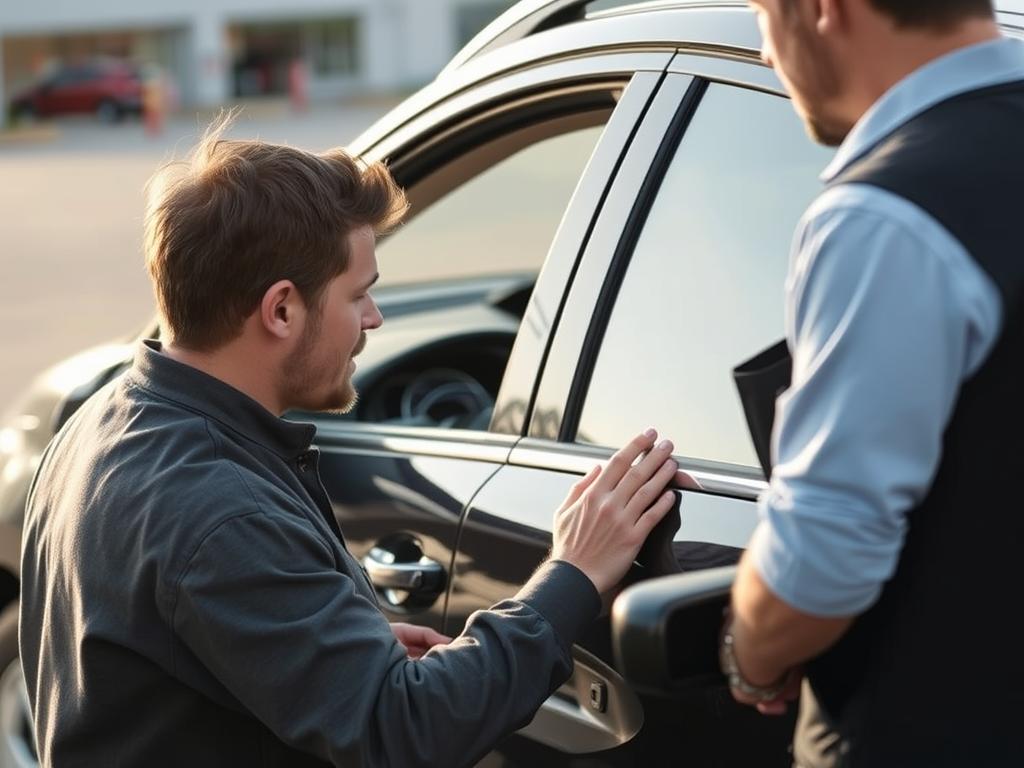
- Exterior Check – Walk around the entire vehicle looking for dents, scratches, chips, or other damage. Pay special attention to bumpers, doors, and wheel wells.
- Glass and Lights – Inspect all windows, mirrors, headlights, and taillights for cracks or chips.
- Tires and Wheels – Check tire tread and pressure. Look for damage to wheel rims or hubcaps.
- Interior Condition – Examine seats, dashboard, floor mats, and trunk for stains, tears, or other damage.
- Operational Test – Test all lights, signals, wipers, locks, windows, and other controls.
Post-Rental Inspection Process
Before returning the vehicle, perform the same thorough inspection. This gives you an opportunity to document any new damage that occurred during your rental period before the rental company identifies it.
“Always insist that a rental company representative inspects the car with you upon return and provides written confirmation that the vehicle was returned without new damage.”
Documentation Best Practices
- Take date and time-stamped photos/videos
- Capture the vehicle from all angles
- Get close-ups of any existing damage
- Record the odometer reading
- Save all inspection documents provided
Common Areas Often Missed
- Undercarriage and rooftop
- Inside wheel wells
- Door edges and hinges
- Trunk interior and spare tire area
- Dashboard controls and displays
Understanding Rental Car Insurance Options
Navigating rental car insurance options can be confusing, but understanding your coverage is essential for protecting yourself financially in case of damage.
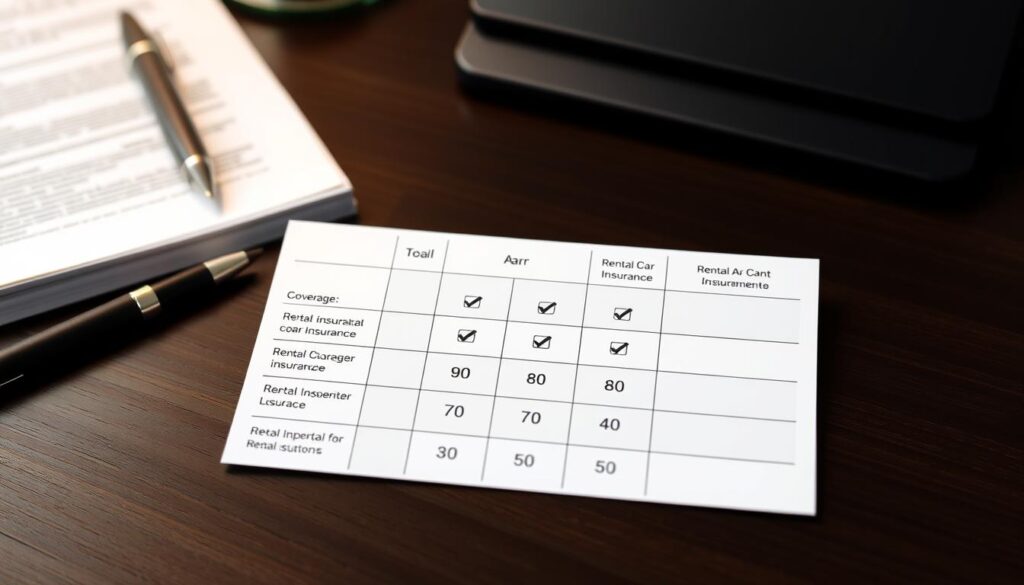
Types of Rental Car Coverage
| Coverage Type | What It Covers | Typical Cost | Who Provides It |
| Collision Damage Waiver (CDW)/Loss Damage Waiver (LDW) | Waives your responsibility for damage to the rental vehicle | $15-30 per day | Rental car company |
| Supplemental Liability Insurance | Covers damage you cause to others’ property or injuries | $10-15 per day | Rental car company |
| Personal Auto Insurance Extension | Same coverage as your personal policy | No additional cost | Your auto insurance provider |
| Credit Card Rental Coverage | Usually covers collision damage (secondary coverage) | No additional cost | Credit card issuer |
| Third-Party Rental Insurance | Similar to CDW/LDW but often more comprehensive | $7-12 per day | Independent insurance providers |
Important Coverage Considerations
What’s Usually Excluded
- Tire damage
- Windshield chips and cracks
- Interior damage
- Undercarriage damage
- Loss of use charges
- Administrative fees
Primary vs. Secondary Coverage
Primary coverage pays first, while secondary coverage only kicks in after your primary insurance is exhausted. Most credit card coverage is secondary, meaning you’ll still need to file with your personal auto insurance first, potentially affecting your rates.
Some premium credit cards offer primary coverage, which can be extremely valuable as it prevents claims on your personal policy.
Important: If you’re relying on credit card coverage, you must decline the rental company’s CDW/LDW and charge the entire rental to that card. Always call your credit card company before your trip to verify coverage details and requirements.
Step-by-Step Process for Filing a Rental Car Damage Claim
If damage occurs despite your best precautions, knowing how to navigate the claim process can save you significant time and money.
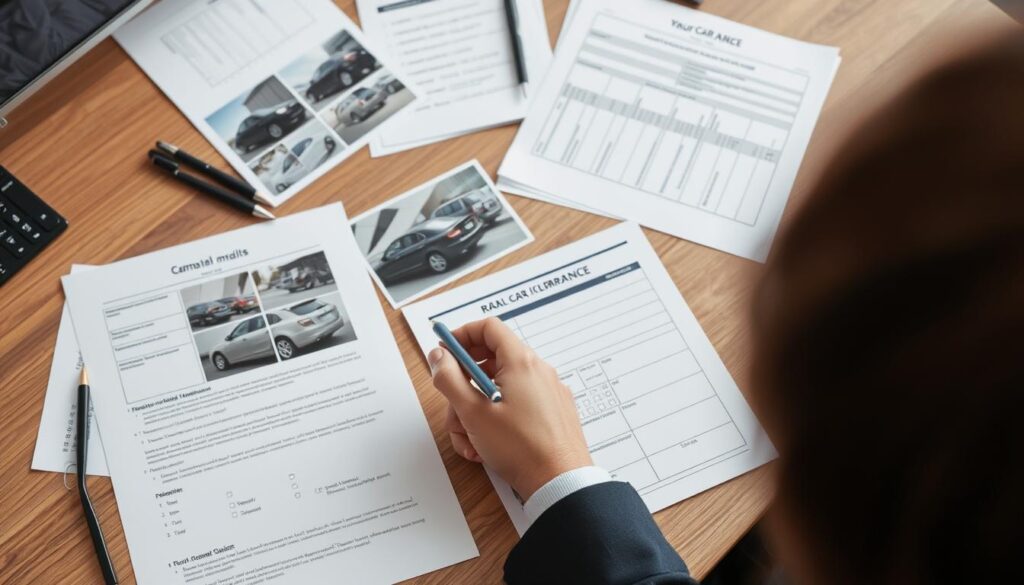
Report the damage immediately
Contact the rental company as soon as you discover any damage. Most companies have a 24-hour helpline. Delay in reporting can be used against you during the claim process.
Document everything thoroughly
Take detailed photos and videos of the damage. Get the names and contact information of any rental company representatives you speak with, along with reference numbers for your reports.
Complete the rental company’s accident/damage report
Fill out all required forms completely and accurately. Request copies of all documentation for your records.
File a police report if necessary
For accidents, theft, or vandalism, an official police report is often required. Get a copy of this report for your records.
Notify your insurance provider
If you’re using personal auto insurance or credit card coverage, contact them promptly to initiate a claim. They’ll guide you through their specific requirements.
Submit all documentation
Provide all required documentation to both the rental company and your insurance provider, including:
- Photos and videos of damage
- Rental agreement
- Accident/damage report
- Police report (if applicable)
- Pre-rental inspection form
- Names and contact information of witnesses (if applicable)
Follow up regularly
Keep track of your claim’s progress by following up with both the rental company and your insurance provider. Document all communications.
Warning: Never sign a blank damage form or agree to charges without seeing an itemized repair estimate. Rental companies sometimes inflate repair costs or charge for pre-existing damage.
How to Dispute Unfair Damage Charges
Rental car companies sometimes assess questionable damage charges. Knowing how to effectively dispute these charges can save you hundreds or even thousands of dollars.
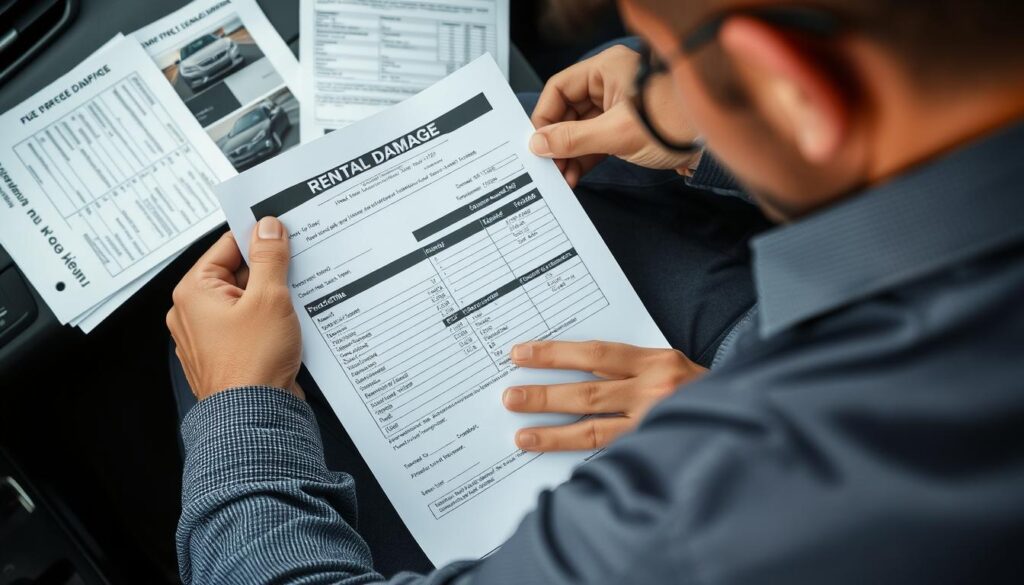
Common Unfair Charging Practices
- Charging for pre-existing damage that wasn’t properly documented
- Inflated repair costs that exceed market rates
- Excessive “loss of use” fees without proof the vehicle couldn’t be rented
- Administrative fees that are disproportionate to actual administrative costs
- Charging for normal wear and tear such as minor scuffs or small chips
Effective Dispute Strategies
Documentation Is Your Best Defense
- Pre and post-rental photos/videos
- Copy of the initial vehicle condition report
- Names of employees who assisted you
- Timestamps showing when damage was reported
- Independent repair estimates (if possible)
Dispute Process Steps
- Request itemized repair estimates
- Challenge any charges for pre-existing damage
- Question excessive “loss of use” charges
- Dispute administrative fees if unreasonable
- Escalate to management if necessary
“Always request written documentation of all charges and don’t be afraid to escalate your dispute to higher management levels. Many unfair charges are dropped when customers show they’re knowledgeable and persistent.”
Sample Dispute Letter Template
Your Name
Your Address
Your Phone Number
Your Email
[Date]
[Rental Company Name]
[Rental Company Address]
Re: Dispute of Damage Charges for Rental Agreement #[Number]
Dear [Rental Company Name],
I am writing to dispute the damage charges of $[amount] applied to my credit card on [date] for my rental from [pickup date] to [return date].
These charges are not valid because [specific reason for dispute, e.g., “the damage was pre-existing and noted on my initial inspection” or “the repair costs are significantly inflated beyond reasonable market rates”].
I have attached the following documentation to support my position: [list all supporting documents].
Please review this information and remove these improper charges from my account within 14 days. If I do not hear from you by [date], I will [next steps, such as “dispute the charge with my credit card company” or “file a complaint with the Better Business Bureau”].
Sincerely,
[Your Name]
Understanding Your Legal Rights as a Rental Car Customer
Rental car customers have specific legal protections that vary by location. Understanding these rights is crucial when dealing with damage claims and disputes.
Key Legal Protections
Federal Protections (US)
- Truth in Lending Act – Protects against unauthorized credit card charges
- Fair Credit Billing Act – Allows you to dispute incorrect charges
- Magnuson-Moss Warranty Act – Governs warranties on consumer products
- Federal Trade Commission Act – Prohibits unfair or deceptive practices
State-Specific Protections
Many states have additional consumer protection laws specifically addressing rental car practices. For example, California’s Rental Car Damage Waiver Law limits a renter’s liability for damage in certain circumstances.
Check with your state’s consumer protection agency for specific regulations in your area.
Your Right to Dispute Credit Card Charges
Under the Fair Credit Billing Act, you have the right to dispute unauthorized or incorrect charges on your credit card within 60 days of receiving your statement. This is often the most effective recourse against unfair rental car damage charges.
- Notify your credit card company in writing about the disputed charge
- Include all supporting documentation
- The credit card company must acknowledge your dispute within 30 days
- They must resolve the dispute within two billing cycles (maximum 90 days)
- During the investigation, you don’t have to pay the disputed amount
Important: While your dispute is being investigated, the rental car company may send your account to collections. Inform any collection agency that the charge is being disputed under the Fair Credit Billing Act, which should halt collection activities until the dispute is resolved.
When to Seek Legal Assistance
Consider consulting with an attorney if:
- You’re being charged for significant damage you didn’t cause
- The rental company is threatening legal action against you
- Your credit card dispute was unsuccessful
- The damage charges are affecting your credit score
- You believe the rental company has engaged in fraudulent practices
Preventive Measures to Avoid Rental Car Damage Issues
The best way to handle rental car damage is to prevent it from becoming an issue in the first place. These proactive strategies can help you avoid problems before they occur.

Before You Rent
- Research the rental company’s reputation for damage claims and customer service
- Understand your existing insurance coverage from personal auto policies and credit cards
- Consider purchasing additional coverage if your existing protection has gaps
- Read the rental agreement thoroughly before signing, paying special attention to damage policies
- Check if your credit card offers primary rental coverage to avoid claims on your personal insurance
During the Rental Period
Safe Driving Practices
- Familiarize yourself with the vehicle before driving
- Be extra cautious in unfamiliar areas
- Park in well-lit, secure locations
- Avoid tight parking spaces and narrow roads
- Be mindful of vehicle height for garage clearance
Regular Checks
- Inspect the vehicle daily for new damage
- Document any changes immediately
- Report even minor issues to the rental company
- Keep all documentation organized and accessible
- Take photos after parking in public areas

When Returning the Vehicle
- Return during business hours when staff can inspect the car with you
- Allow extra time for the return process so you’re not rushed
- Conduct your own thorough inspection before handing over the keys
- Take final condition photos and videos as evidence
- Request a signed return receipt stating the car was returned without damage
Pro Tip: Some rental locations have poor lighting in their return areas, making it difficult to properly inspect the vehicle. Use your smartphone flashlight to thoroughly check the car’s condition, especially if returning at night.
Real-Life Rental Car Damage Scenarios and Resolutions
Learning from others’ experiences can help you navigate your own rental car damage situations more effectively. Here are real-world scenarios and their resolutions.
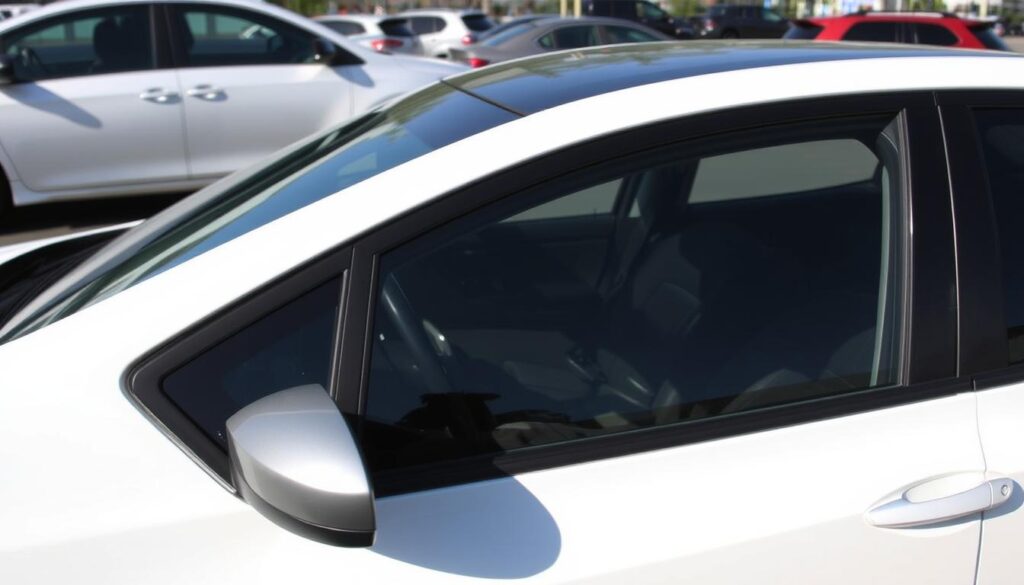
Case Study 1: The Mysterious Door Dent
Situation:
Michael returned his rental car and was later charged $800 for a door dent that he hadn’t noticed. The rental company claimed he was responsible since the damage wasn’t noted on the pre-rental inspection form.
Actions Taken:
- Michael had taken comprehensive photos before and after his rental
- He compared the photos and confirmed the dent wasn’t visible in his pre-rental images
- However, his post-rental photos showed a small dent that he hadn’t noticed
- He contacted his credit card company, which offered rental car coverage
- He submitted all documentation to his credit card’s benefits administrator
Resolution:
The credit card company’s coverage paid for the damage, saving Michael from the $800 charge. This case highlights the importance of both thorough documentation and understanding your credit card benefits.
Case Study 2: The Windshield Chip Dispute
Situation:
Sarah was charged $350 for a small windshield chip that the rental company discovered upon return. She was certain the chip wasn’t there when she picked up the car but had no proof.
Actions Taken:
- Sarah had declined the rental company’s insurance, assuming her personal auto policy would cover damages
- She discovered her personal policy had a $500 deductible, making it impractical for this claim
- She requested the rental company’s documentation of the pre-rental inspection
- The company couldn’t provide clear evidence that the windshield was chip-free at pickup
- Sarah disputed the charge with her credit card company under the Fair Credit Billing Act
Resolution:
The credit card company sided with Sarah and reversed the charge since the rental company couldn’t prove the damage occurred during her rental period. This case demonstrates the importance of knowing your rights to dispute unfair charges.
Case Study 3: The Undercarriage Damage Claim
Situation:
David rented an SUV for a camping trip and was charged $1,200 for undercarriage damage upon return. The rental company claimed he must have driven off-road, violating the rental agreement.
Actions Taken:
- David had purchased the rental company’s collision damage waiver (CDW)
- He provided GPS records showing he stayed on paved roads throughout his trip
- He pointed out that the damage could have occurred from driving over a pothole on a regular road
- He requested the company honor the CDW he had purchased
- When they refused, he filed a complaint with the state attorney general’s consumer protection division
Resolution:
After the attorney general’s office contacted the rental company, they agreed to honor the CDW and waived all charges. This case shows the value of both purchasing appropriate coverage and knowing which authorities can help with disputes.
Frequently Asked Questions About Rental Car Damage

Am I responsible for rental car damage that wasn’t my fault?
Yes, you’re generally responsible for any damage that occurs during your rental period, regardless of fault, unless you have purchased a collision damage waiver (CDW) or have coverage through other means. This includes damage from weather events, vandalism, or hit-and-run incidents while the car is parked.
However, if another identified driver caused the damage, you can provide their insurance information to the rental company, who may pursue them directly for compensation.
What is considered “normal wear and tear” versus chargeable damage?
Normal wear and tear typically includes:
- Minor scuffs on bumpers
- Light scratches under 1-2 inches that don’t penetrate the paint
- Small stone chips in the windshield (under 1/4 inch)
- Slight wear on upholstery and carpets
Chargeable damage usually includes:
- Dents of any size
- Scratches that penetrate the paint
- Cracked or broken glass
- Damaged wheels or tires
- Stains or burns on upholstery
Standards vary by rental company, so always check your rental agreement for specific definitions.
Can rental companies charge me without providing repair estimates?
Legally, rental companies should provide itemized charges for repairs, but practices vary. Many companies use predetermined damage matrices that assign standard costs to specific types of damage rather than obtaining actual repair quotes.
You have the right to request detailed documentation of all charges. If the company refuses to provide this information, you can use this as grounds for disputing the charges with your credit card company.
What is “loss of use” and do I have to pay it?
“Loss of use” is a charge rental companies impose to compensate for revenue lost while the damaged vehicle is being repaired and cannot be rented. Whether you’re responsible for this charge depends on:
- Your rental agreement (most include this liability)
- Your insurance coverage (some policies cover loss of use, many don’t)
- State laws (some states limit or regulate loss of use charges)
You can often challenge these charges by requesting fleet utilization records to prove the company actually lost rental opportunities. Many companies cannot or will not provide this documentation, which can be grounds for disputing the charge.
How long do I have to dispute rental car damage charges?
Time limits for disputes vary by situation:
- Credit card disputes: 60 days from the statement date under the Fair Credit Billing Act
- Direct disputes with rental companies: Varies by company policy, typically 30-90 days
- Insurance claims: Usually 30 days, but check your policy
- Small claims court: Statute of limitations varies by state (typically 1-6 years)
It’s best to act immediately when you receive charges you believe are incorrect. The longer you wait, the more difficult it becomes to gather evidence and successfully dispute the charges.
Helpful Resources and Contact Information
These resources can provide additional assistance when dealing with rental car damage issues.
Consumer Protection Agencies
| Agency | Services Provided | Contact Information |
| Federal Trade Commission (FTC) | Handles complaints about deceptive business practices | www.ftc.gov/complaint 1-877-FTC-HELP |
| Consumer Financial Protection Bureau (CFPB) | Assists with credit card billing disputes | www.consumerfinance.gov/complaint 1-855-411-2372 |
| State Attorney General’s Office | Enforces state consumer protection laws | www.naag.org/find-my-ag |
| Better Business Bureau (BBB) | Mediates disputes between consumers and businesses | www.bbb.org/file-a-complaint 1-703-276-0100 |
| American Car Rental Association | Industry association that may assist with serious complaints | www.acraorg.com/contact |
Helpful Websites and Tools
Insurance Resources
- Insurance Information Institute – Comprehensive information about rental car insurance options
- National Association of Insurance Commissioners – State-specific insurance information
- Card Benefits – Database of credit card rental car coverage benefits
Consumer Advocacy
- Consumer Action – Free educational resources and complaint assistance
- Consumer Reports Car Rental Guide – Independent reviews and advice
- Elliott Advocacy – Executive contacts for major rental companies
Mobile Apps for Rental Car Documentation
- Record360 – Specialized app for documenting rental condition with time-stamped photos
- Car Rental Checklist – Guided inspection process with customizable checklists
- Google Photos – Automatically backs up photos with timestamps and location data
- Evernote – Organize rental documents, photos, and notes in one place
- TripIt Pro – Tracks all travel details including rental information
Conclusion: Protecting Yourself from Rental Car Damage Issues
Dealing with rental car damage doesn’t have to be a stressful experience. By taking proactive steps before, during, and after your rental period, you can significantly reduce your risk of unexpected charges and disputes.

Remember these key takeaways:
- Documentation is your best protection – Always thoroughly inspect and document the vehicle’s condition before and after your rental
- Understand your coverage options – Know what protection you have through personal insurance, credit cards, or rental company offerings
- Report damage immediately – Don’t wait to notify the rental company about any issues
- Keep all paperwork – Maintain organized records of all rental documents, communications, and damage reports
- Know your rights – Familiarize yourself with consumer protection laws and dispute procedures
With proper preparation and knowledge, you can confidently handle any rental car damage situation that arises. The resources and strategies in this guide will help you protect yourself financially and resolve issues efficiently if damage does occur.