The car cigarette lighter has an interesting story. It was once a standard feature in almost every vehicle. Today, most new cars no longer include them. This shift happened gradually over several decades. Understanding when and why this change occurred helps explain broader trends in automotive design and society.
This article explores the complete timeline of cigarette lighters in cars. You will learn about their origins, peak popularity, and eventual decline. We also cover what replaced them and whether any vehicles still include traditional lighters today.
The Origin and Rise of Car Cigarette Lighters
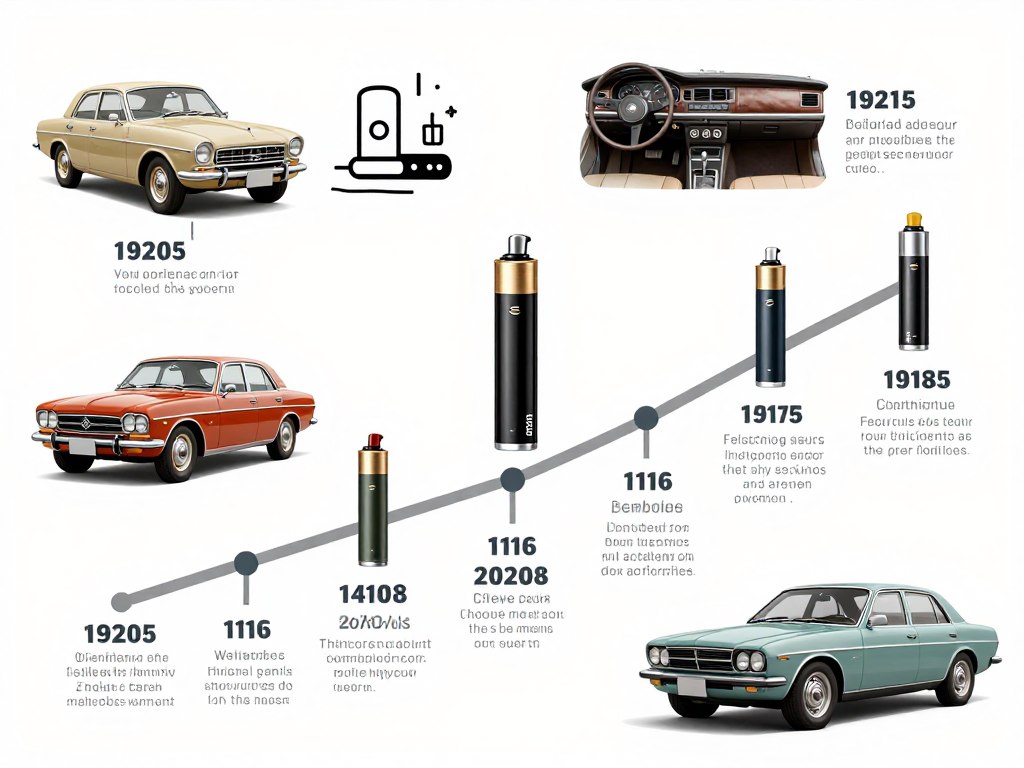
The cigarette lighter first appeared in cars during the early 1920s. Initially, it was an optional accessory for luxury vehicles. As smoking became more socially acceptable, demand grew significantly. By the 1950s, most American car manufacturers included cigarette lighters as standard equipment.
The design remained fairly consistent for decades. A heating element sits inside a socket in the dashboard. When you press the lighter plug into the socket, electricity heats the coil. After a few seconds, the element becomes hot enough to light cigarettes. The lighter then pops out with a distinctive click.
Peak Popularity in the Mid-20th Century
During the 1960s and 1970s, cigarette lighters reached their peak. Nearly every car included at least one lighter socket. Many luxury vehicles featured multiple sockets for passenger convenience. The dashboard ashtray complemented this accessory perfectly.
Automakers viewed these features as essential. Smoking while driving was extremely common. The cigarette lighter became as expected as a steering wheel or radio. Its presence reflected cultural attitudes toward smoking at the time.
Standard Features Era
- Nearly 100% of vehicles included cigarette lighters by 1960
- Multiple sockets available in premium models
- Ashtrays integrated into door panels and dashboards
- Considered essential equipment by manufacturers
Design Characteristics
- Chrome-plated finish for aesthetic appeal
- 12-volt power system compatibility
- Automatic pop-out mechanism when heated
- Universal socket design across brands
Factors Leading to the Decline of Cigarette Lighters
Several factors contributed to the decline of cigarette lighters in cars. Health concerns about smoking emerged in the 1980s. Medical research linked cigarettes to serious health problems. Public awareness campaigns highlighted these risks. Society’s attitude toward smoking began shifting dramatically.
Government regulations also played a role. Many jurisdictions banned smoking in enclosed public spaces. While private vehicles remained exempt, the cultural shift was clear. Parents became more conscious about secondhand smoke exposure to children in cars.
Technological Advancement and Changing Needs
The rise of mobile devices changed everything. Cell phones, GPS units, and portable music players became common in the 1990s. These devices needed power while on the road. The 12-volt cigarette lighter socket proved perfect for this purpose.
Manufacturers recognized this shift in function. The socket remained valuable even as smoking declined. However, the actual lighter element itself became less necessary. This realization led to a significant design change.
Health Awareness
- Surgeon General warnings increased
- Secondhand smoke concerns grew
- Anti-smoking campaigns gained traction
Technology Shift
- Mobile phones required charging
- GPS devices needed power
- Portable electronics became common
Cost Reduction
- Eliminating lighters saved money
- Socket alone sufficient for power needs
- Simplified dashboard design
Economic Considerations
Automakers constantly seek ways to reduce costs. The cigarette lighter element itself added expense. As demand for actual lighting decreased, manufacturers questioned its necessity. Removing it saved a few dollars per vehicle. Multiplied across millions of cars, this represented significant savings.
Timeline: When Manufacturers Stopped Including Cigarette Lighters
The phase-out happened gradually. Different manufacturers made changes at different times. No single year marks when all cigarette lighters disappeared from cars. Instead, the transition occurred over approximately two decades.
Early 1990s: The Beginning
Some manufacturers began making cigarette lighters optional around 1992. Budget vehicles were first to drop them. The socket remained, but the actual lighter element was no longer included. Customers could purchase a lighter separately if desired.
High-end luxury vehicles continued including lighters throughout the 1990s. These brands marketed themselves as providing every amenity. However, even luxury automakers noticed declining usage.
2000-2010: Widespread Discontinuation
The 2000s saw accelerated change. Major manufacturers like Ford, General Motors, and Chrysler began eliminating cigarette lighters from most models. By 2005, fewer than 30% of new vehicles included them as standard equipment.
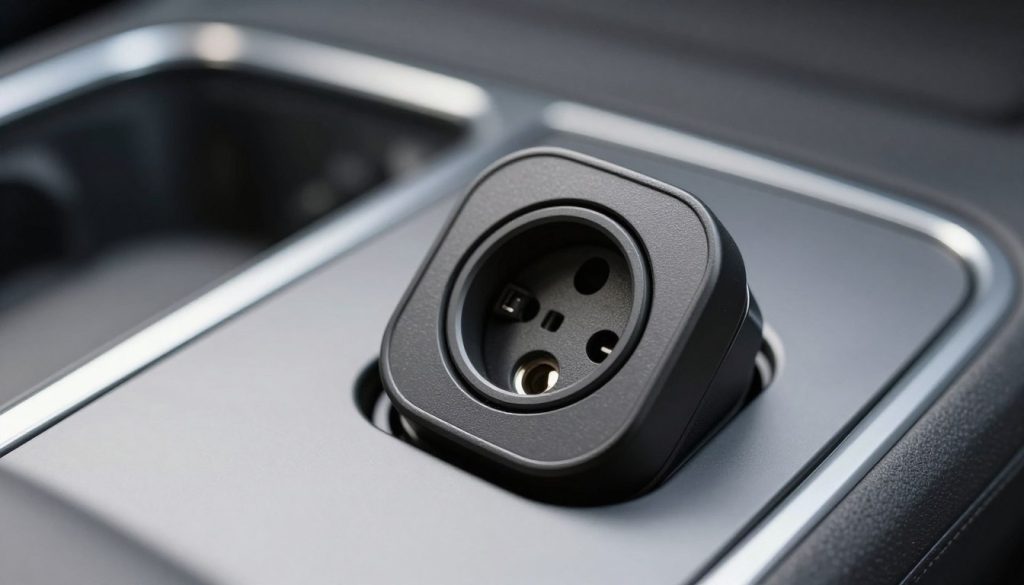
The power outlet socket remained universal. Manufacturers simply stopped installing the removable lighter plug. This approach maintained functionality for charging devices while eliminating the smoking accessory.
Key Transition Years by Manufacturer
- 1994: Chrysler makes lighters optional on select models
- 2000: Ford begins phasing out lighters in compact cars
- 2003: General Motors drops lighters from most SUV models
- 2006: Toyota reduces lighter inclusion across lineup
- 2008: Honda eliminates lighters from most vehicles
- 2010: Majority of mainstream brands no longer include lighters as standard
Need a Replacement Cigarette Lighter for Your Classic Car?
If you own an older vehicle or want to restore a classic car’s original functionality, quality replacement cigarette lighters are still available. Modern reproductions match vintage designs while meeting current safety standards.
2010-Present: Rare Exception
By 2010, cigarette lighters had become rare in new vehicles. Today, very few models include them. When present, they appear primarily in commercial vehicles or specific markets where smoking remains more prevalent.
The term “cigarette lighter socket” persists in common language. However, manufacturers now call them “12V power outlets” or “accessory sockets” in official documentation. This terminology reflects their modern purpose.
The Transition to Alternative Features
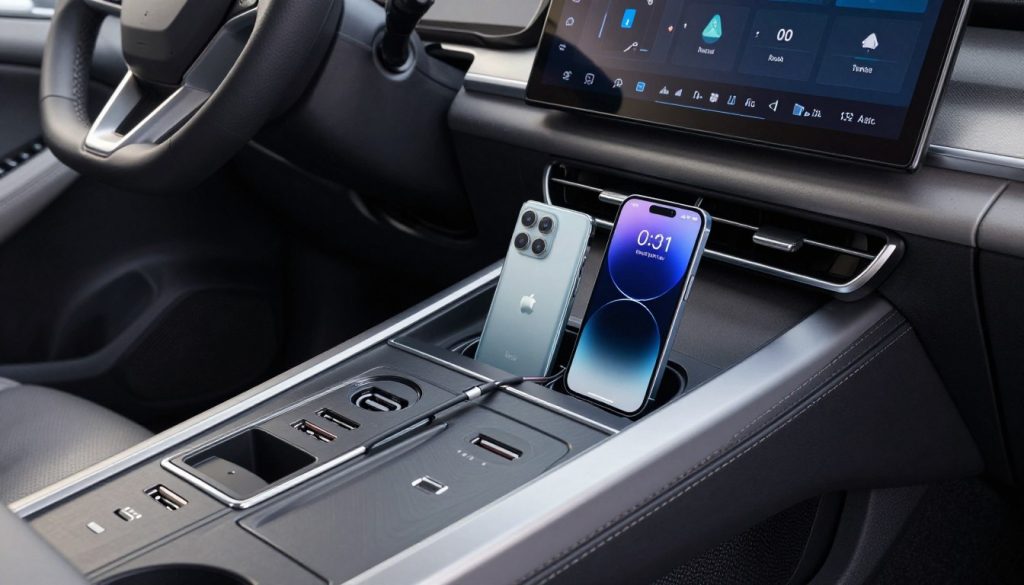
As cigarette lighters disappeared, new features took their place. The 12V socket remained incredibly useful. Its standardized design allowed for countless accessories. Manufacturers recognized the socket’s value beyond its original smoking purpose.
12V Power Outlet Evolution
The socket design stayed consistent even as its name changed. This consistency proved valuable. Accessories designed decades ago still work in modern vehicles. The 12V standard became universal across the automotive industry.
Today’s power outlets serve multiple functions. You can plug in phone chargers, dash cameras, tire inflators, and portable coolers. The original socket design accommodated this evolution perfectly. Its robust construction handles various power demands.
Common 12V Accessories Today
- USB charging adapters for smartphones and tablets
- Dash cameras for security and insurance purposes
- GPS navigation devices for travel
- Portable air compressors for tire emergencies
- Car vacuum cleaners for interior maintenance
- Heated blankets for cold weather comfort
- Portable refrigerators for road trips
- FM transmitters for music streaming
USB Port Integration
Modern vehicles now include built-in USB ports. These appeared first in luxury cars around 2005. By 2015, USB ports became standard in most vehicles. They provide convenient charging without requiring adapter accessories.
The integration of USB ports marked another step away from cigarette lighters. These ports deliver appropriate power for devices directly. They eliminate the need for 12V-to-USB adapters. Most new cars now feature multiple USB ports throughout the cabin.
USB Technology Progression in Vehicles
USB-A (2005-2018)
- First generation in cars
- 5V, 1-2A charging power
- Suitable for basic devices
Fast Charging (2015-Present)
- Higher amperage output
- 2.4A or greater capacity
- Faster device charging
USB-C (2018-Present)
- Reversible connector design
- Up to 100W power delivery
- Charges laptops and tablets
Cultural and Regulatory Influences
Cultural shifts played a major role in cigarette lighter elimination. The decline of smoking as a social norm changed automotive design priorities. What was once considered standard became obsolete.
Anti-Smoking Campaigns Impact
Public health campaigns throughout the 1990s and 2000s reduced smoking rates significantly. Particularly among younger demographics, smoking became less common. As new car buyers increasingly were non-smokers, demand for cigarette lighters plummeted.
Schools and health organizations educated people about smoking dangers. This education created generational change. Younger drivers never expected cigarette lighters in their vehicles. Automakers responded to this demographic shift.
Regulatory Environment
While no specific regulations banned cigarette lighters in cars, related policies influenced their decline. Workplace smoking bans expanded throughout the 2000s. Some jurisdictions prohibited smoking in vehicles with minors present.
These regulations reflected changing societal values. Automakers aligned their products with these values. Eliminating cigarette lighters became part of promoting healthier vehicle environments.
Smoking Rate Decline Statistics
According to the CDC, adult smoking rates in the United States dropped from approximately 42% in 1965 to around 14% by 2019. This dramatic decrease directly influenced automotive accessory decisions by manufacturers.
Upgrade Your Car with Modern Power Solutions
Modern 12V power adapters and multi-port USB chargers transform your existing cigarette lighter socket into a versatile charging station. Keep all your devices powered during any journey with reliable accessories designed for today’s technology.
Current Status: Do Any Vehicles Still Include Cigarette Lighters?
Today, traditional cigarette lighters are extremely rare in new vehicles. The vast majority of manufacturers have completely discontinued them. However, the story is not quite over.
Exceptions in Modern Vehicles
Some commercial vehicles still include cigarette lighters. Work trucks and fleet vehicles occasionally feature them. These vehicles serve markets where smoking remains more prevalent. The inclusion targets specific customer preferences.
Certain international markets also see higher cigarette lighter availability. Countries with higher smoking rates may have more vehicles equipped with lighters. Manufacturers sometimes customize features based on regional markets.
Where You Might Still Find Them
- Commercial work trucks and vans
- Some heavy-duty pickup models
- Specialty or custom-ordered vehicles
- Certain international market vehicles
- Classic car restorations
- Aftermarket accessory installations
Modern Standard Instead
- 12V power outlet sockets without lighter element
- Multiple USB-A charging ports
- USB-C ports with power delivery
- Wireless charging pads
- Dedicated device docking stations
- Integrated infotainment connectivity
Aftermarket Options
If you want a cigarette lighter in your modern car, aftermarket options exist. You can purchase universal cigarette lighter plugs. These fit standard 12V power outlets. Installation is simple and requires no special tools.
Aftermarket lighters vary in quality. Premium options use better materials and heating elements. Cheaper versions may not last long. When selecting an aftermarket lighter, check customer reviews and product specifications carefully.
Considerations for Aftermarket Lighters
- Verify compatibility with your vehicle’s 12V socket design
- Check amperage rating matches your power outlet capacity
- Look for automatic shut-off safety features
- Read reviews regarding heating time and reliability
- Ensure proper fit to avoid loose connections
- Consider illuminated models for nighttime visibility
The Future of Vehicle Power Accessories
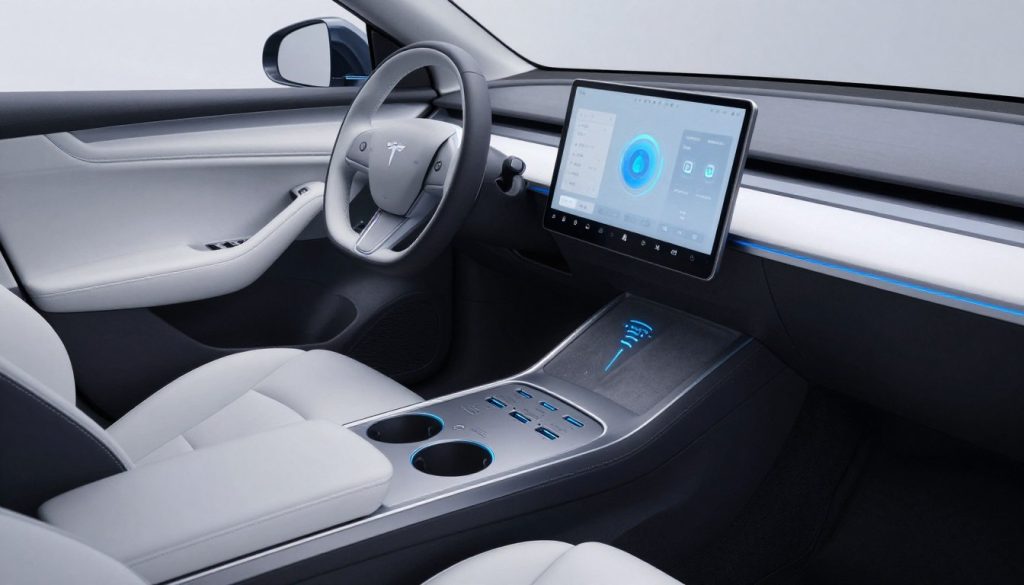
Vehicle power systems continue evolving. The cigarette lighter socket itself may eventually disappear. USB ports and wireless charging are becoming the new standard. Electric vehicles particularly embrace these modern approaches.
Emerging Power Technologies
Wireless charging pads are appearing in more vehicles. These eliminate cables entirely for compatible devices. Simply place your phone on the pad for automatic charging. This convenience represents the next evolution in vehicle power accessories.
Higher-wattage USB-C ports now support laptop charging. Some electric vehicles feature household-style AC outlets. These developments continue the trend away from the traditional 12V cigarette lighter socket design.
Current Trends
- Wireless charging integration
- USB-C power delivery
- Multiple charging zones
- Smart power management
Near Future
- Universal wireless charging
- AC household outlets
- Bidirectional power flow
- Solar-assisted charging
Long-term Vision
- Complete wireless ecosystem
- AI-managed power distribution
- Vehicle-to-device integration
- Elimination of physical ports
Electric Vehicle Impact
Electric vehicles are changing power accessory design. These cars have large battery capacities. They can support higher power draws for accessories. Some EVs function as mobile power stations for camping or emergency backup.
The shift to electric vehicles may finally retire the 12V cigarette lighter socket entirely. New electrical architectures in EVs do not require this legacy design. However, many EVs still include 12V sockets for accessory compatibility during the transition period.
Conclusion
Cigarette lighters began disappearing from cars during the 1990s. The phase-out accelerated through the 2000s. By 2010, very few new vehicles included them as standard equipment. Today, they are essentially extinct in consumer automobiles.
Multiple factors drove this change. Declining smoking rates, health awareness, technological advancement, and cost considerations all played roles. The socket remained while the lighter element itself became unnecessary.
Modern vehicles now focus on charging electronic devices rather than lighting cigarettes. USB ports, wireless charging, and higher-capacity power outlets serve today’s needs. This evolution reflects broader changes in society and technology over the past three decades.
While traditional cigarette lighters are gone from most cars, the legacy socket design persists. Its standardization created lasting value beyond its original purpose. As vehicles continue evolving, even this familiar socket may eventually give way to entirely new power delivery methods.