The Automatic Emergency Braking (AEB) system is a critical safety feature in modern vehicles, designed to prevent or mitigate collisions by automatically applying the brakes when a potential crash is detected.
When the AEB light blinks, it indicates a problem with the system that needs immediate attention. Ignoring this warning can compromise vehicle safety and potentially lead to accidents.
Understanding the AEB system and addressing issues promptly is crucial for maintaining vehicle safety. This guide will walk you through diagnosing and fixing the problem, ensuring your vehicle’s safety features are functioning correctly.
Key Takeaways
- Understanding the importance of the AEB system in vehicle safety.
- Recognizing the implications of a blinking AEB light.
- Steps to diagnose issues with the AEB system.
- Methods to fix problems with the AEB system.
- The significance of maintaining vehicle safety features.
Understanding the AEB System and Its Warning Light
Understanding the AEB system and its warning light is essential for vehicle owners to ensure their safety on the road. The Automatic Emergency Braking (AEB) system is a sophisticated safety feature designed to prevent or mitigate collisions.
What is Automatic Emergency Braking (AEB)?
Automatic Emergency Braking (AEB) is an advanced safety feature that automatically applies the vehicle’s brakes when it detects an imminent collision. This system uses a combination of cameras, radar, and sensors to monitor the road ahead and detect potential hazards.
How the AEB System Works in Your Vehicle
The AEB system operates by continuously monitoring the vehicle’s surroundings. When a potential collision is detected, it alerts the driver. If the driver fails to respond, the system automatically applies the brakes to prevent or mitigate the impact.

The Importance of AEB Warning Lights
The AEB warning light is a critical indicator of the system’s status. If the light is illuminated or blinking, it signifies a potential issue with the AEB system that requires attention. Drivers should consult their vehicle’s manual or contact a professional to diagnose the problem.
Safety Implications of a Malfunctioning AEB System
A malfunctioning AEB system can have serious safety implications, as it may fail to prevent or mitigate collisions. Therefore, it is crucial to address any issues promptly to maintain the system’s effectiveness and ensure vehicle safety.
Why is My AEB Light Blinking? Common Causes and Symptoms
The Automatic Emergency Braking (AEB) system’s warning light can be triggered by various factors, ranging from simple obstructions to complex system malfunctions. Understanding these causes is crucial for diagnosing and fixing the issue.
Sensor Obstructions and Damage
One of the primary reasons for a blinking AEB light is sensor obstruction or damage. The AEB system relies on cameras and radar sensors to detect potential collisions.
Camera and Radar Sensor Issues
Camera and radar sensors are critical components of the AEB system. If these sensors are obstructed by dirt, debris, or damaged in any way, it can trigger the warning light. Regular cleaning and inspection can help prevent such issues.
Bumper and Grille Damage
Damage to the bumper or grille can also affect the AEB system’s functionality. Since these areas often house the sensors, any damage can impair their ability to detect obstacles accurately.

Electrical System Issues
Electrical system issues are another common cause of a blinking AEB light. Problems within the electrical system can disrupt the functioning of the AEB system.
Wiring Problems and Loose Connections
Wiring problems or loose connections can interfere with the AEB system’s operation. It’s essential to check the wiring and connections for any signs of damage or wear.
Battery-Related Issues
Battery-related issues, such as a weak or dying battery, can also impact the AEB system. Ensuring that your vehicle’s battery is in good condition is vital.
Software Malfunctions
Like any other advanced technology, the AEB system relies on sophisticated software. Software malfunctions or glitches can cause the AEB light to blink.
Weather-Related Interference
Weather conditions, such as heavy rain, snow, or fog, can sometimes interfere with the AEB system’s sensors, leading to a blinking warning light. While this is often temporary, it’s crucial to ensure that the system is functioning correctly once the weather improves.
Step-by-Step Diagnostic Process for a Blinking AEB Light
Diagnosing a blinking AEB light can be a straightforward process if you have the right tools and follow a systematic approach. The Automatic Emergency Braking (AEB) system is a critical safety feature in modern vehicles, and a blinking light indicates a potential issue that needs to be addressed.
Tools Needed for DIY Diagnosis
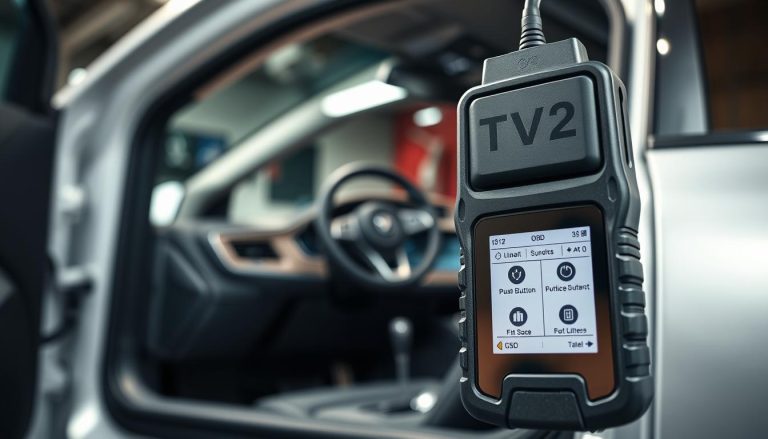
Before you start diagnosing the issue, it’s essential to have the right tools. You’ll need an OBD-II scanner to read error codes related to the AEB system. Other useful tools include a multimeter for checking electrical circuits and a cleaning kit for sensors.
- OBD-II scanner
- Multimeter
- Sensor cleaning kit
- Basic toolkit (screwdrivers, pliers, etc.)
Initial Visual Inspection
The first step in diagnosing a blinking AEB light is to perform a visual inspection. Check the front sensors and cameras for any obstructions or damage.
Checking Front Sensors and Cameras
Inspect the front sensors and cameras for dirt, debris, or damage. Clean the sensors and cameras if necessary, as obstructions can cause the AEB system to malfunction.
Inspecting Wiring and Connections
Check the wiring and connections related to the AEB system. Look for signs of wear, damage, or corrosion, and repair or replace as needed.
Using OBD-II Scanner to Read Error Codes
An OBD-II scanner is a crucial tool for diagnosing AEB issues. Connect the scanner to your vehicle’s OBD-II port and read the error codes related to the AEB system.
| Error Code | Description | Possible Cause |
|---|---|---|
| C1000 | AEB system malfunction | Sensor obstruction or damage |
| C1001 | AEB sensor fault | Sensor failure or wiring issue |
| C1002 | AEB camera fault | Camera damage or software issue |
Testing Sensor Functionality
After reading the error codes, test the functionality of the AEB sensors. Use a multimeter to check the electrical circuits and ensure that the sensors are working correctly.
Diagnosing Different Vehicle Makes
The diagnostic process may vary depending on the vehicle’s make. Here are some common issues to look out for in different vehicle makes:
Common Issues in American Vehicles
American vehicles, such as those made by Ford and General Motors, may have specific issues related to the AEB system. Check for software updates and sensor calibration issues.
Common Issues in Asian and European Models
Asian and European vehicles, such as those made by Toyota and Volkswagen, may have different AEB system configurations. Look for issues related to sensor alignment and camera calibration.
By following these steps, you can diagnose the issue with your AEB light and take corrective action. Remember to consult your vehicle’s repair manual for specific instructions and guidelines.
How to Fix Common AEB System Problems
Fixing AEB issues requires a systematic approach, starting with understanding the root cause of the blinking AEB light. Once you’ve diagnosed the problem, you can proceed with the appropriate repairs.
Cleaning Obstructed Sensors
One of the most common issues with AEB systems is obstructed sensors. Dirt, debris, or ice can block the sensors, causing the system to malfunction.
Proper Cleaning Techniques
To clean the sensors, use a soft cloth and a mild detergent. Avoid using harsh chemicals or abrasive materials that could damage the sensors.
Recommended Cleaning Products
For more stubborn dirt or grime, consider using a specialized automotive sensor cleaning product. These products are designed to be safe for the sensors and effective at removing contaminants.
Resetting the AEB System
Sometimes, simply resetting the AEB system can resolve the issue. This can be done through a battery disconnect or using diagnostic tools.
Battery Disconnect Method
Disconnecting the battery can reset the system, but be aware that this may also reset other vehicle settings. Check your owner’s manual for guidance.
Using Diagnostic Tools for Reset
For a more precise reset, use an OBD-II scanner. These tools can communicate with your vehicle’s computer to clear error codes and reset the AEB system.
Addressing Electrical Issues
Electrical problems, such as loose connections or damaged wiring, can also cause AEB system malfunctions.
Fixing Loose Connections
Inspect the wiring and connections related to the AEB system. Tightening loose connections can often resolve the issue.
Replacing Damaged Wiring
If you find damaged wiring, it may need to be replaced. This is a task that may require professional assistance, especially if you’re not familiar with automotive electrical systems.
Software Updates and Recalibration
Like any computer system, the AEB system may require software updates or recalibration to function correctly.
Dealer vs. DIY Updates
While some software updates can be done DIY with the right tools, others may require a visit to a dealership or a professional mechanic.
Sensor Recalibration Process
Recalibrating the AEB sensors is a precise process that may involve specialized equipment. It’s essential to follow the manufacturer’s instructions or seek professional help.
When to Seek Professional Help for AEB System Issues
While some AEB system issues can be resolved through DIY methods, certain problems necessitate professional intervention. Understanding when to seek help is crucial for maintaining your vehicle’s safety features.
Signs of Complex AEB System Failures
Complex failures in the AEB system can manifest through persistent warning lights, unusual noises, or the system’s failure to engage when necessary. If you notice any of these signs, it’s time to consult a professional.
Finding a Qualified Technician
To find a qualified technician, look for certifications from reputable automotive organizations. They should have experience with your vehicle’s make and AEB system.
Expected Costs for Professional AEB Repairs
Repair costs can vary widely depending on the nature of the issue and your vehicle’s make. Here’s a breakdown of potential costs:
| Service | Average Cost |
|---|---|
| AEB Sensor Cleaning | $100-$200 |
| AEB System Software Update | $200-$500 |
| Replacement of AEB Components | $500-$1000 |
Driving Safely While Awaiting Repairs
To drive safely with a malfunctioning AEB system, maintain a safe distance from other vehicles and be prepared to intervene manually.
Preventive Maintenance to Avoid Future AEB Issues
Regularly cleaning the AEB sensors and ensuring the system’s software is up-to-date can help prevent future issues.
Conclusion
A functional Automatic Emergency Braking (AEB) system is crucial for vehicle safety. As discussed, a blinking AEB light can indicate various issues, from sensor obstructions to software malfunctions. Regular AEB system maintenance is essential to ensure this safety feature operates correctly.
By following the diagnostic steps outlined, vehicle owners can identify and potentially fix AEB system problems. However, complex issues may require professional assistance. Seeking help from a qualified technician can prevent further complications and ensure the AEB system functions as intended.
In
conclusion
, prioritizing AEB system maintenance is vital for vehicle safety. By staying proactive and addressing AEB issues promptly, drivers can significantly reduce the risk of accidents, enhancing overall road safety.
FAQ
What does it mean when my AEB light is blinking?
A blinking AEB light typically indicates a malfunction or issue with the Automatic Emergency Braking system, which could be caused by sensor obstructions, electrical system issues, or software malfunctions.
Can I drive my vehicle with a blinking AEB light?
While you may be able to drive your vehicle, it’s not recommended as the AEB system is a critical safety feature. A malfunctioning AEB system can increase the risk of accidents.
How do I diagnose the issue with my AEB system?
Diagnosing AEB system issues involves a step-by-step process, including initial visual inspections, using an OBD-II scanner to read error codes, and testing sensor functionality.
Can I fix AEB system problems on my own?
Some issues, such as cleaning obstructed sensors or resetting the system, can be done DIY. However, complex problems may require professional assistance from a qualified technician.
How much does it cost to repair AEB system issues?
The cost of repairs varies depending on the nature of the issue, the make and model of your vehicle, and labor costs. It’s best to consult a qualified technician for an accurate estimate.
What are some common causes of AEB system malfunctions?
Common causes include sensor obstructions or damage, electrical system issues, software glitches, and weather-related interference.
How can I prevent future AEB system issues?
Regular maintenance, such as checking and cleaning sensors, updating software, and addressing electrical issues promptly, can help prevent future AEB system problems.
Are AEB system issues covered under warranty?
It depends on the manufacturer’s warranty and the age and mileage of your vehicle. Check your owner’s manual or consult with a dealership or qualified technician to determine if your issue is covered.