Experiencing vibrations while driving can be a concerning issue for many Jeep owners. The unsettling feeling of the vehicle shaking can be attributed to various factors, ranging from simple maintenance oversights to more complex mechanical problems.
A vibrating Jeep can be caused by issues such as unbalanced tires, misaligned wheels, or problems with the drivetrain. Identifying the root cause is crucial for effective repair and ensuring a smooth driving experience.
Key Takeaways
- Common causes of Jeep vibration include unbalanced tires and misaligned wheels.
- Drivetrain issues can also contribute to the shaking.
- Regular maintenance can help prevent vibration problems.
- Proper diagnosis is key to effective Jeep repair.
- Addressing the issue promptly ensures a safer driving experience.
Understanding Jeep Vibration Problems
Understanding the root cause of Jeep shaking is crucial for maintaining vehicle performance and safety. Jeep vibration problems can manifest in various ways, from slight tremors to intense shaking, and can be triggered by a multitude of factors.
How to Identify Different Types of Jeep Shaking
Identifying the type of shaking your Jeep is experiencing is the first step towards diagnosing the issue. Shaking can occur when hitting a bump, during acceleration, or while idling. Each scenario can point to different potential causes.
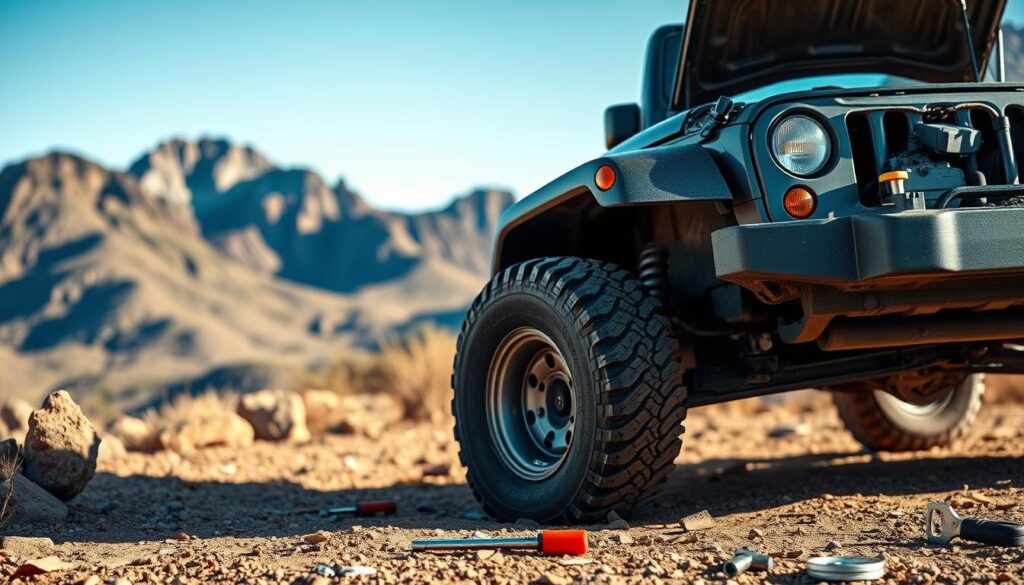
Impact of Vibrations on Vehicle Performance and Safety
Vibrations can significantly impact your Jeep’s performance and safety. Excessive vibration can lead to premature wear on parts, decreased fuel efficiency, and potentially hazardous driving conditions if left unchecked.
Jeep Models Most Prone to Shaking Issues
While any Jeep can experience vibration issues, certain models are more prone to these problems due to their design or common issues reported by owners. The table below summarizes some of the most common models and their associated vibration issues.
| Jeep Model | Common Vibration Issues |
|---|---|
| Wrangler | Often reported issues with wheel balance and tire wear. |
| Grand Cherokee | Some owners report vibrations related to drivetrain components. |
| Cherokee | Vibrations sometimes associated with suspension system problems. |
By understanding the specific challenges associated with different Jeep models, owners can take proactive steps to diagnose and address vibration issues, ensuring their vehicle remains in optimal condition.
Why is My Jeep Shaking When I Drive?: Causes & Fixes
Understanding why your Jeep is shaking when you drive is crucial for identifying the root cause and applying the appropriate fix. The causes can be diverse, ranging from simple issues that can be fixed at home to complex problems requiring professional mechanical attention.
Tire and Wheel Issues
Tire and wheel problems are among the most common causes of Jeep shaking. These issues can lead to an unbalanced drive, resulting in vibrations felt throughout the vehicle.
Unbalanced or Damaged Tires
Unbalanced tires can cause significant vibrations, especially at higher speeds. Similarly, damaged tires, whether from wear or road hazards, can lead to shaking. Regular tire balancing and inspections can help mitigate these issues.
Wheel Alignment Problems
Improper wheel alignment can cause uneven tire wear, leading to vibrations. Ensuring that your Jeep’s wheels are properly aligned is essential for smooth driving.
Bent or Damaged Rims
Bent or damaged rims can also cause vibrations due to the imbalance they create. Inspecting your rims for damage and having them repaired or replaced when necessary is crucial.
Suspension System Problems
The suspension system plays a critical role in your Jeep’s stability and comfort. Issues within this system can lead to shaking or vibrations.
Worn Ball Joints and Tie Rods
Worn ball joints and tie rods can cause loose or erratic steering, leading to vibrations. Regular inspection and replacement of these parts when worn are vital.
Damaged Control Arms
Control arms help maintain the proper position of the wheels. When they are damaged, it can lead to instability and vibrations.
Track Bar and Stabilizer Issues
The track bar and stabilizer are crucial for maintaining axle alignment and stability. Problems with these components can result in shaking or loss of control.
Drivetrain Complications
Drivetrain issues can also cause significant vibrations. The drivetrain is responsible for transferring power to the wheels, and any imbalance or malfunction can lead to shaking.
U-Joint and CV Joint Failures
U-joints and CV joints are critical for smooth power transfer. When they fail, it can cause severe vibrations, especially during acceleration.
Driveshaft Imbalance
An imbalanced driveshaft can cause significant vibrations. Ensuring that the driveshaft is properly balanced is essential.
Transfer Case and Differential Problems
Issues with the transfer case or differentials can lead to vibrations due to improper power distribution. Regular maintenance of these components is necessary.
In conclusion, Jeep shaking can be caused by a variety of factors including tire and wheel issues, suspension system problems, and drivetrain complications. Identifying the specific cause is key to applying the correct fix.
Diagnosing Jeep Vibration Issues
Jeep vibration problems can be challenging to diagnose, but several methods can help pinpoint the issue. Understanding the cause of the vibration is crucial for applying the correct fix.
Speed-Related Diagnosis: When and How the Shaking Occurs
The speed at which your Jeep shakes can provide significant clues about the source of the problem. For instance, vibrations that occur at specific speeds may indicate issues with the tires or wheels, such as imbalance or misalignment.
Using a speed-related diagnosis involves paying attention to when the shaking starts, how it changes with speed, and whether it persists or stops at certain speeds. This information can guide you toward the likely cause.
Visual Inspection Techniques for Jeep Owners
A visual inspection is a straightforward yet effective method for diagnosing Jeep vibration issues. Start by checking the tires for uneven wear, damage, or signs of imbalance.
Inspect the suspension and steering components for wear or damage. Look for any signs of leakage in the shocks or struts, and check the condition of the belts and other drivetrain components.
Using Vibration Patterns to Identify Specific Problems
Vibrations can manifest in different patterns, such as shaking, wobbling, or pulsating. Each pattern can be associated with specific issues. For example, a wobbling sensation in the steering wheel may indicate a problem with the front wheels or steering system.
| Vibration Pattern | Possible Cause |
|---|---|
| Shaking at high speeds | Tire imbalance or wheel misalignment |
| Wobbling in the steering wheel | Front wheel or steering system issues |
| Pulsating during acceleration | Drivetrain or transmission problems |
Professional Diagnostic Methods and Equipment
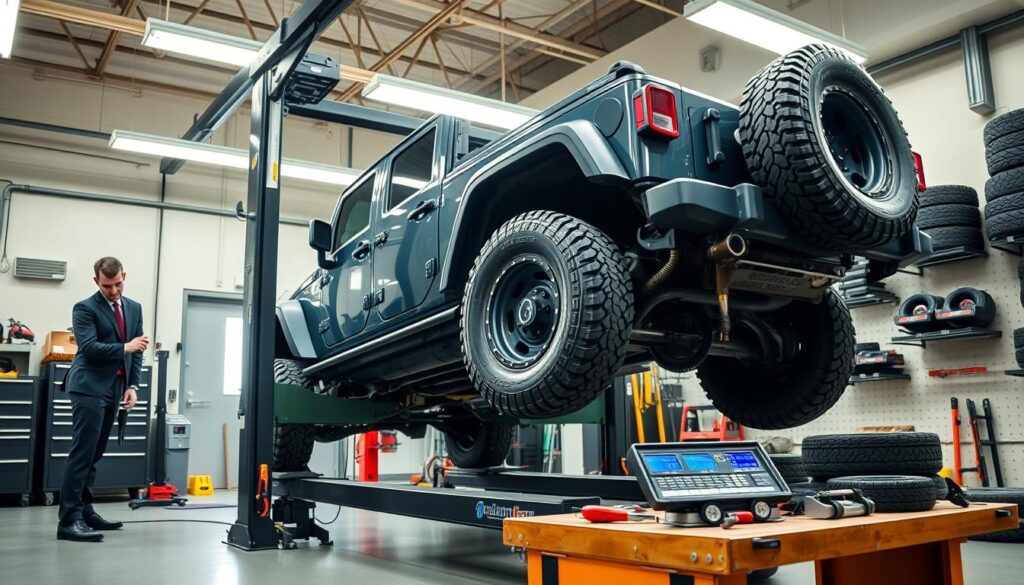
While DIY methods can be helpful, professional diagnostic methods offer more precise and reliable results. Mechanics use specialized equipment, such as wheel balancers and alignment machines, to diagnose and fix vibration issues accurately.
As one mechanic noted, “Using the right diagnostic tools is crucial for identifying the root cause of vibration problems in Jeeps, ensuring that the repair is effective and long-lasting.”
Step-by-Step Repair Solutions
Vibration problems in Jeeps can be daunting, but with the right repair solutions, they can be effectively addressed. The key is to identify the source of the vibration and apply the appropriate fix.
DIY Fixes for Common Vibration Sources
Many Jeep owners can resolve vibration issues on their own by performing some basic maintenance tasks. Here are some DIY fixes to consider:
Tire Balancing and Rotation Procedures
One of the most common causes of vibration is unbalanced or misaligned tires. Tire balancing involves adjusting the weight distribution of the tires to ensure they rotate smoothly. Regular tire rotation also helps maintain even tread wear, reducing the likelihood of vibrations.
Checking and Replacing Worn Suspension Components
Worn-out suspension components can cause significant vibrations. Inspecting parts like shocks, struts, and bushings regularly and replacing them when necessary can help mitigate this issue.
Driveline Maintenance Techniques
The driveline is another critical area that, when neglected, can lead to vibrations. Ensuring that driveshafts and universal joints are in good condition and properly lubricated is essential for smooth operation.
Professional Repairs: What to Expect
While DIY fixes can resolve some vibration issues, more complex problems may require professional attention. Here’s what to expect from professional repairs:
Specialized Jeep Alignment Services
Professional alignment services use advanced equipment to ensure your Jeep’s wheels are perfectly aligned, eliminating vibrations caused by misalignment.
Drivetrain Rebuilds and Replacements
In cases where driveline components are severely damaged, a drivetrain rebuild or replacement may be necessary. This involves replacing worn-out parts with new ones to restore smooth operation.
Comprehensive Suspension Overhauls
A comprehensive suspension overhaul involves inspecting and replacing all worn suspension components. This can significantly reduce vibrations and improve overall vehicle performance.
Cost Breakdown for Different Repair Options
The cost of repairs can vary widely depending on the nature of the issue and the repair method chosen. Here’s a general breakdown:
- Tire balancing and rotation: $50-$100
- Suspension component replacement: $200-$500 per component
- Driveline maintenance: $100-$300
- Professional alignment services: $100-$200
- Drivetrain rebuilds/replacements: $500-$2000
- Comprehensive suspension overhauls: $1000-$3000
Understanding these costs can help Jeep owners budget for necessary repairs and make informed decisions about their vehicle’s maintenance.
Preventing Future Jeep Shaking Issues
Proactive maintenance and informed driving practices are crucial in preventing future Jeep shaking issues. By understanding the causes of vibration problems and taking steps to mitigate them, Jeep owners can enjoy a smoother, safer driving experience.
Essential Maintenance Schedule for Jeep Vehicles
Regular maintenance is key to preventing Jeep shaking issues. This includes routine tire rotations, balancing, and alignment checks. Additionally, ensuring that the suspension and steering components are in good condition can help minimize vibrations. For more information on diagnosing vibration issues, you can refer to our detailed guide on why your Jeep might be swaying side to.
Selecting Appropriate Tires and Wheels for Your Jeep
Choosing the right tires and wheels for your Jeep is vital in preventing shaking issues. The correct tire size and type can significantly impact the vehicle’s stability and vibration levels. Jeep owners should consult their owner’s manual or speak with a professional to determine the most suitable tires and wheels for their specific model.
Impact of Lift Kits and Modifications on Vehicle Stability
Lift kits and other modifications can affect a Jeep’s stability and potentially lead to shaking issues if not installed correctly. It’s essential to choose reputable installers and ensure that any modifications are done with the vehicle’s overall performance in mind.
Off-Road Driving Techniques to Minimize Component Stress
Off-road driving can be strenuous on a Jeep’s components, potentially leading to increased vibration issues. By adopting smooth driving techniques, such as avoiding extreme speeds and abrupt turns, Jeep owners can minimize the stress on their vehicle’s components.
By following these guidelines and maintaining a proactive approach to vehicle maintenance, Jeep owners can significantly reduce the likelihood of experiencing shaking issues in the future.
Conclusion
Understanding the causes and fixes of Jeep shaking when driving is crucial for maintaining vehicle performance and safety. The issues can stem from various sources, including tire and wheel problems, suspension system complications, and drivetrain issues.
By identifying the specific cause of the shaking, Jeep owners can apply the appropriate fix, whether it’s a DIY solution or a professional repair. Regular maintenance, proper tire selection, and careful driving techniques can help prevent future shaking issues.
A summary of the causes and fixes reveals that addressing Jeep shaking requires a comprehensive approach, involving diagnosis, repair, and prevention. By following the steps outlined in this article, Jeep owners can ensure a smoother driving experience and maintain their vehicle’s overall health.
FAQ
What are the common causes of Jeep shaking when driving?
Common causes include tire and wheel issues, suspension system problems, and drivetrain complications, such as unbalanced or damaged tires, worn ball joints and tie rods, and U-joint and CV joint failures.
How can I identify the type of shaking my Jeep is experiencing?
You can identify the type of shaking by observing when it occurs, such as during acceleration, braking, or at specific speeds, and by performing a visual inspection to look for signs of wear or damage on the tires, wheels, and suspension components.
Can I fix Jeep vibration issues on my own?
Yes, some common issues can be fixed through DIY methods, such as tire balancing and rotation, checking and replacing worn suspension components, and performing driveline maintenance techniques.
What are the benefits of professional diagnostic methods for Jeep vibration issues?
Professional diagnostic methods can provide a more accurate diagnosis of the issue, using specialized equipment to identify the root cause of the vibration, and can help prevent misdiagnosis and unnecessary repairs.
How can I prevent future Jeep shaking issues?
Preventing future issues can be achieved by maintaining an essential maintenance schedule, selecting the right tires and wheels, understanding the impact of lift kits and modifications, and practicing off-road driving techniques that minimize component stress.
What are the most prone Jeep models to shaking issues?
Certain Jeep models, such as the Wrangler and Grand Cherokee, are more prone to shaking issues due to their design and common modifications, such as lift kits.
How do I know if my Jeep’s shaking is related to a drivetrain issue?
If your Jeep’s shaking is related to a drivetrain issue, it may be accompanied by other symptoms, such as unusual noises, vibrations during acceleration or deceleration, or difficulty shifting gears.
Can wheel alignment problems cause Jeep shaking?
Yes, wheel alignment problems can cause Jeep shaking, as misaligned wheels can lead to uneven tire wear and vibrations.
What is the cost breakdown for different repair options for Jeep vibration issues?
The cost of repairs can vary depending on the cause and the type of repair needed, such as tire balancing, suspension component replacement, or driveline maintenance, and can range from a few hundred to several thousand dollars.