The Cub Cadet is a reliable lawn tractor, but sometimes, its reverse function may fail, causing inconvenience to the user. Understanding the troubleshooting process for this issue is crucial for maintaining the efficiency of your equipment.
When the reverse function on your Cub Cadet fails, it can disrupt your lawn care routine. Fortunately, resolving this issue often involves simple fixes that can be addressed through basic troubleshooting steps.
In this article, we’ll explore the common reasons behind a Cub Cadet’s failure to reverse and provide the top fixes to get your lawn tractor back in operation.
Key Takeaways
- Understanding the causes of reverse function failure in Cub Cadet.
- Basic troubleshooting steps to diagnose the issue.
- Simple fixes to resolve the reverse function problem.
- Maintenance tips to prevent future issues.
- When to seek professional help for complex problems.
Understanding Your Cub Cadet’s Reverse Function
To diagnose and fix reverse problems on your Cub Cadet, it’s crucial to comprehend its operational mechanics. The reverse function is an essential feature that allows for efficient maneuvering and lawn maintenance.
How the Reverse System Works on Cub Cadet Mowers
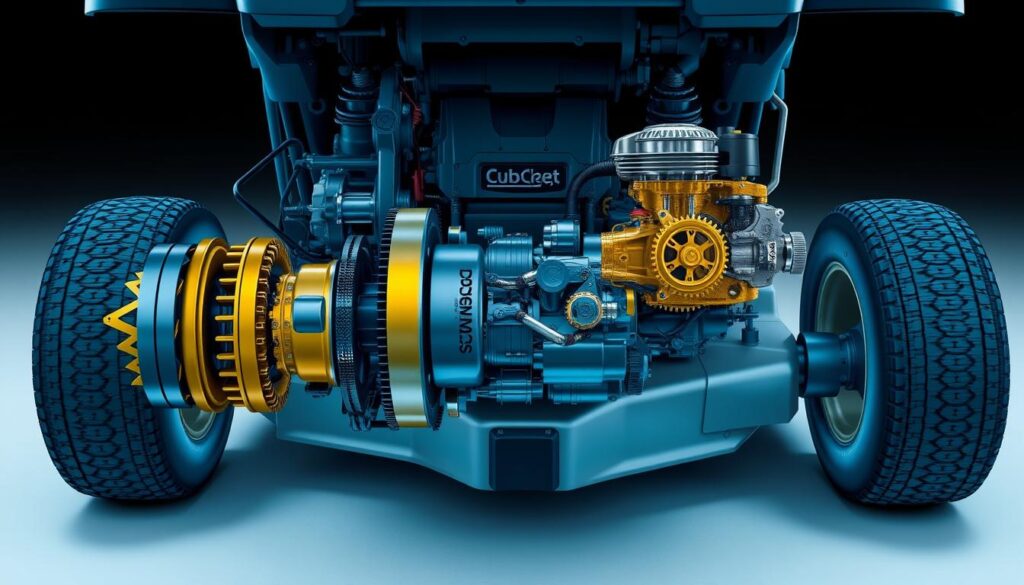
The Cub Cadet reverse system is designed to provide smooth transitions between forward and reverse motions. This is achieved through a complex interplay of mechanical and hydraulic components. The system is typically hydrostatic, allowing for variable speed control and precise maneuverability.
Key components include the hydrostatic transmission, drive belt, and reverse safety switch. Understanding how these components interact is vital for effective troubleshooting.
Signs Your Cub Cadet Has Reverse Problems
Identifying reverse problems early can prevent further damage and reduce repair costs. Common signs include:
- Failure to engage reverse gear
- Unusual noises when operating in reverse
- Slipping or hesitation when reversing
Recognizing these symptoms allows you to take prompt action and potentially avoid more extensive repairs.
Tools Needed for Troubleshooting
To effectively troubleshoot the Cub Cadet reverse system, you’ll need a set of basic tools, including:
- Socket set
- Pliers and punch
- Multimeter (for electrical checks)
Having the right troubleshooting tools on hand will streamline the diagnostic process and help you identify issues more efficiently.
Top 5 Reasons Your Cub Cadet Won’t Reverse (And How to Fix It)
Cub Cadet reverse problems can be frustrating, but understanding the top reasons behind them can simplify the repair process. When your Cub Cadet lawn mower fails to reverse, it’s essential to diagnose the issue accurately to apply the correct fix.
Overview of Common Reverse Problems
The top 5 reasons your Cub Cadet won’t reverse often include issues with the transmission, drive belt, reverse safety switch, shift linkage, and hydrostatic transmission. Each of these components plays a crucial role in the mower’s ability to reverse.
| Issue | Description | Potential Fix |
|---|---|---|
| Transmission Problems | Faulty transmission can prevent reverse functionality | Inspect and repair or replace transmission |
| Drive Belt Issues | A broken or worn-out drive belt can halt reverse operation | Replace the drive belt |
| Reverse Safety Switch | A malfunctioning safety switch can prevent reversing | Test and replace the safety switch if necessary |
| Shift Linkage Problems | Improperly adjusted or damaged shift linkage can affect reverse gear | Adjust or replace the shift linkage |
| Hydrostatic Transmission Issues | Problems with the hydrostatic transmission can impact reverse functionality | Inspect and repair or replace hydrostatic transmission |
Diagnostic Approach Before Repairs
Before attempting any repairs, it’s crucial to diagnose the issue accurately. Start by checking the basics, such as ensuring the mower is in the correct gear and that the reverse safety switch is functioning properly. A systematic diagnostic approach will help identify the root cause efficiently.
Safety Precautions When Working on Your Mower
Safety should always be your top priority when working on your Cub Cadet mower. Ensure the mower is turned off and the parking brake is engaged before starting any repairs. Additionally, wearing protective gear, such as gloves and safety glasses, can prevent injuries.
By understanding the common issues that can cause your Cub Cadet to fail reversing and following a systematic diagnostic approach, you can efficiently identify and fix the problem. Always prioritize safety to ensure a safe and effective repair process.
Transmission and Drive System Issues
When your Cub Cadet mower fails to reverse, the issue often lies within the transmission and drive system, requiring a thorough examination. The transmission is a critical component that enables the mower to move forward and backward. Problems within this system can arise from various sources, including worn-out parts, improper maintenance, or manufacturing defects.
Identifying Transmission Problems
To diagnose transmission issues, start by checking for any signs of leakage or damage. Inspect the transmission case and surrounding areas for any oil leaks or worn-out seals. Additionally, listen for unusual noises when operating the mower, as grinding or whining sounds can indicate internal transmission problems.
Common signs of transmission problems include:
- Slipping or hesitation between gears
- Noisy operation
- Leaking fluid
- Difficulty shifting gears
Drive Belt Inspection and Replacement
The drive belt plays a crucial role in transmitting power from the engine to the transmission. Over time, the belt can wear out or become damaged, leading to issues with the mower’s ability to reverse.
To inspect the drive belt:
- Locate the drive belt and inspect it for cracks, frays, or excessive wear.
- Check the belt tension and adjust it according to the manufacturer’s specifications.
- If the belt is damaged, replace it with a new one that matches the original specifications.
Hydrostatic Transmission Troubleshooting
Cub Cadet mowers often feature hydrostatic transmissions, which provide smooth and variable speed control. However, these transmissions can be prone to issues such as air in the system or low fluid levels.
Checking Fluid Levels
Ensure the hydrostatic transmission fluid level is at the recommended level. Low fluid levels can cause the transmission to malfunction, leading to issues with reversing.
Purging Air from the System
Air trapped in the hydrostatic transmission system can cause problems with the mower’s ability to reverse. To purge the system, follow the manufacturer’s instructions for bleeding the transmission.
Step-by-Step Repair Guide
Repairing transmission and drive system issues on your Cub Cadet mower involves a systematic approach. Start by identifying the specific problem, then follow the manufacturer’s instructions for repair or replacement of the faulty components.
| Problem | Diagnosis | Repair |
|---|---|---|
| Transmission leakage | Inspect seals and case for damage | Replace damaged seals or transmission case |
| Drive belt wear | Inspect belt for cracks or frays | Replace drive belt with a new one |
| Hydrostatic transmission issues | Check fluid levels and purge air from the system | Top off fluid as needed and bleed the system |
“Regular maintenance is key to preventing transmission and drive system issues on your Cub Cadet mower. By staying on top of routine checks and repairs, you can ensure your mower continues to operate smoothly and efficiently.”
Electrical and Safety Switch Malfunctions
Electrical and safety switch malfunctions are common reasons why your Cub Cadet mower may not reverse properly. The reverse function is controlled by a complex system that includes safety switches designed to prevent accidents. Understanding how these components work and how to diagnose issues is crucial for getting your mower back in operation.
Reverse Safety Switch Location and Function
The reverse safety switch is typically located near the transmission or under the seat of your Cub Cadet mower. Its primary function is to interrupt the power supply to the mower blades when the mower is in reverse, enhancing safety. To locate the switch on your specific model, consult your owner’s manual or manufacturer’s instructions.
Testing Switch Connectivity
To diagnose issues with the reverse safety switch, you’ll need to test its connectivity. Use a multimeter to check for continuity across the switch terminals. If there’s no continuity when the switch is activated, it may be faulty and require replacement.
- Disconnect the battery to prevent accidental starts.
- Remove the switch wiring connector.
- Set your multimeter to the ohms setting.
- Touch the multimeter leads to the switch terminals.
Bypass Options (When Appropriate)
In some cases, bypassing the safety switch may be necessary for testing purposes. However, this should be done with caution and in accordance with the manufacturer’s guidelines. Bypassing safety features can lead to accidents.
Wiring Harness Inspection
A thorough inspection of the wiring harness is essential for identifying any damage or wear that could be causing electrical malfunctions. Look for signs of fraying, cuts, or corrosion on the wires.
Finding Damaged Connections
Inspect all connections within the wiring harness for signs of damage or corrosion. Clean or replace any damaged components to restore proper function.
Proper Wire Repair Techniques
When repairing damaged wires, use appropriate techniques to ensure durability and safety. This includes using the correct gauge wire, soldering connections, and applying heat shrink insulation.
- Strip the damaged wire ends.
- Solder the connection, ensuring a strong bond.
- Apply heat shrink insulation to protect the connection.
By following these steps and understanding the electrical and safety switch components of your Cub Cadet mower, you can effectively diagnose and repair issues related to the reverse function.
Mechanical Problems Affecting Reverse Gear
When your Cub Cadet mower fails to reverse, it’s often due to underlying mechanical problems that need to be addressed. These issues can range from simple adjustments to more complex repairs, but identifying the root cause is crucial for an effective fix.
Shift Linkage Adjustment Procedures
The shift linkage is a critical component in the operation of your Cub Cadet’s transmission. Over time, it can become misaligned or worn, affecting the mower’s ability to shift into reverse.
Identifying Misalignment
To identify if the shift linkage is misaligned, inspect the linkage for any signs of wear or damage. Check if the linkage is properly connected to the transmission and the shift lever. Misalignment can often be corrected by adjusting the linkage.
Making Proper Adjustments
To adjust the shift linkage, start by loosening the bolts that hold the linkage in place. Carefully move the linkage until it’s properly aligned with the transmission and shift lever. Tighten the bolts securely once the adjustment is made. It’s essential to test the reverse gear after making adjustments to ensure it’s functioning correctly.
Brake Pedal and Reverse Interlock System
The brake pedal and reverse interlock system are safety features designed to prevent the mower from moving when the brake is applied. However, if this system malfunctions, it can prevent the mower from reversing. Inspect the interlock system for any issues, such as faulty wiring or misaligned components.
Gear Selector Issues and Solutions
Problems with the gear selector can also affect the reverse gear. If the gear selector is worn or damaged, it may not engage the reverse gear properly. Inspecting and replacing the gear selector if necessary can resolve this issue.
Preventative Maintenance Tips
Regular maintenance is key to preventing mechanical problems with your Cub Cadet mower. This includes regularly checking and lubricating moving parts, inspecting for wear and damage, and addressing any issues promptly. By following these preventative maintenance tips, you can reduce the likelihood of encountering problems with the reverse gear.
Conclusion
Troubleshooting a Cub Cadet that won’t reverse involves understanding the top 5 common issues and their fixes. By identifying the root cause, whether it’s related to the transmission, electrical system, or mechanical components, you can apply the appropriate repair.
Cub Cadet repair often requires a systematic approach, starting with a thorough inspection of the mower’s systems. A troubleshooting summary highlights the importance of checking the transmission, drive belt, and safety switches.
Regular maintenance is key to preventing reverse gear problems. By following the outlined diagnostic and repair steps, you can get your Cub Cadet mower functioning properly again.
FAQ
What are the common reasons my Cub Cadet won’t reverse?
Common issues include transmission problems, drive belt wear, hydrostatic transmission faults, electrical or safety switch malfunctions, and mechanical problems affecting the reverse gear.
How do I troubleshoot the reverse function on my Cub Cadet?
Start by checking the transmission fluid levels, inspecting the drive belt, and testing the reverse safety switch. Consult your owner’s manual for specific guidance on troubleshooting procedures.
Can I bypass the reverse safety switch on my Cub Cadet?
Bypassing the reverse safety switch is not recommended, as it is a critical safety feature. Instead, test the switch connectivity and inspect the wiring harness for damage.
How do I adjust the shift linkage on my Cub Cadet?
To adjust the shift linkage, identify any misalignment and make proper adjustments according to the manufacturer’s instructions.
What maintenance tasks can help prevent reverse gear issues on my Cub Cadet?
Regular maintenance tasks include checking transmission fluid levels, inspecting the drive belt, and ensuring proper wire connections.
What are the signs that my Cub Cadet has reverse problems?
Signs of reverse problems include difficulty engaging reverse, unusual noises when attempting to reverse, or the mower failing to move in reverse.
How do I purge air from the hydrostatic transmission system?
Consult your owner’s manual for specific instructions on purging air from the hydrostatic transmission system, as the process may vary depending on the model.
Can I repair the wiring harness on my Cub Cadet myself?
Yes, you can repair the wiring harness by finding damaged connections and using proper wire repair techniques.