Properly wiring a US plug is crucial for safe and efficient electrical connections. Types A and B plugs are commonly used in the United States, and understanding how to wire them correctly is essential for homeowners and electricians alike.
A wiring guide can simplify the process, ensuring that electrical devices are connected correctly and safely. This article provides a comprehensive, step-by-step guide on US plug wiring, focusing on the specific requirements for Types A and B plugs.
Key Takeaways
- Understand the differences between Types A and B US plugs.
- Learn the correct wiring configuration for safe electrical connections.
- Follow a step-by-step guide for wiring US plugs.
- Ensure compliance with US electrical standards.
- Identify common mistakes to avoid in US plug wiring.
Understanding US Plug Types A and B
The United States primarily uses two types of electrical plugs: Type A and Type B, each with distinct specifications and uses. Understanding these differences is crucial for ensuring electrical safety and compatibility.
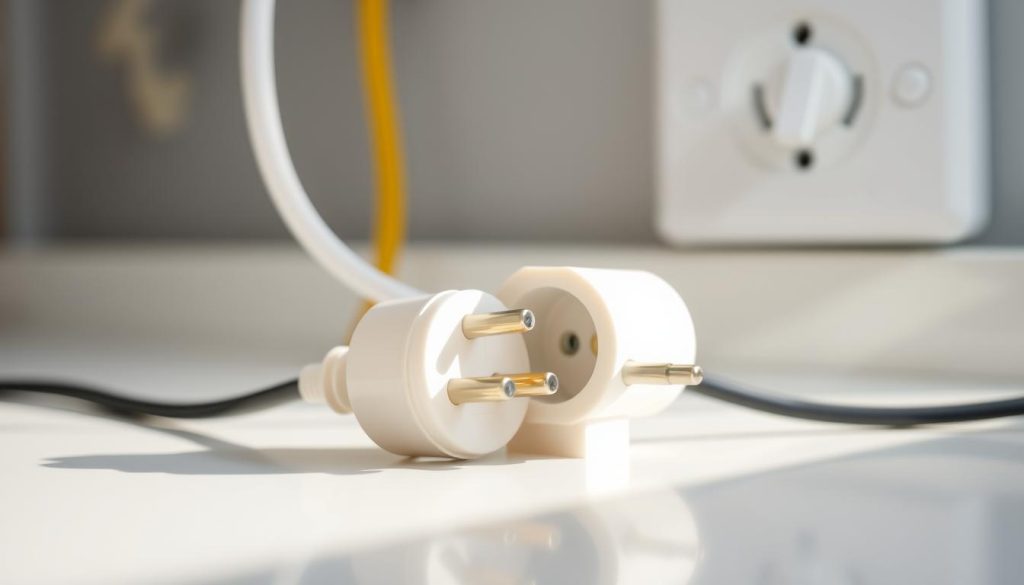
Type A Plug Specifications and Uses
Type A plugs are characterized by two parallel flat prongs and are rated for 15 amps. They are commonly used in household appliances and are compatible with most standard electrical outlets.
Type B Plug Specifications and Uses
Type B plugs have three prongs: two parallel flat prongs and a grounding prong. They are also rated for 15 amps but offer enhanced safety due to the grounding feature, which protects against electrical shock.
Electrical Ratings and Standards
Both Type A and Type B plugs adhere to the standards set by UL (Underwriters Laboratories) and are designed to meet the National Electrical Code (NEC) requirements. They are rated for 125 volts and are suitable for use in a variety of applications, from household lighting to appliance wiring.
The key differences between Type A and Type B plugs lie in their safety features and applications. While Type A plugs are sufficient for many household needs, Type B plugs offer additional protection against electrical shock, making them a safer choice for high-power devices.
- Type A Plugs: Two prongs, 15 amps, 125 volts.
- Type B Plugs: Three prongs, 15 amps, 125 volts, with grounding for enhanced safety.
Safety Precautions Before Wiring
Safety should always be the top priority when dealing with electrical wiring, and there are several key precautions to take before beginning the process. Ensuring a safe working environment is crucial to prevent accidents and electrical shock.
Essential Safety Equipment
When working with electrical systems, it’s vital to use essential safety equipment to protect yourself from potential hazards. This includes insulated gloves to prevent electrical shock and safety glasses to protect your eyes from debris. Using the right safety gear significantly reduces the risk of injury.
Electrical Safety Guidelines
Following electrical safety guidelines is critical to ensuring a safe working environment. This involves understanding how to handle wires safely, avoiding overloading circuits, and keeping the workspace clean and dry. Adhering to these guidelines helps prevent electrical accidents.
Disconnecting Power Sources
Before starting any wiring work, it’s essential to disconnect power sources to prevent electrical shock. This involves switching off the main power supply and verifying that it’s safe to work on the electrical system. A step-by-step guide to safely disconnecting power includes:
- Identifying the main circuit breaker or fuse box
- Switching off the power supply
- Verifying the absence of voltage using a multimeter
Tools and Materials Needed for Wiring US Plugs
Before diving into the wiring process, it’s essential to gather the necessary tools and materials for a safe and efficient installation. Having the right equipment not only ensures a professional result but also minimizes the risk of electrical hazards.
Required Tools Checklist
To start wiring a US plug, you’ll need a few basic tools. These include:
- A screwdriver (preferably a flathead screwdriver)
- Wire strippers
- Needle-nose pliers
- A utility knife or wire cutters
- A multimeter (optional but recommended for testing)
Selecting the Right Plug Components
Choosing the correct plug components is crucial for a successful wiring project. This includes selecting the appropriate type of plug (Type A or B) and ensuring that it matches your electrical needs. Consider the electrical rating and the material of the plug.
Wire Gauge and Type Considerations
The wire gauge and type are critical factors in wiring a US plug. The gauge of the wire should be appropriate for the intended use, with 14-gauge wire being a common choice for many household applications. The type of wire (e.g., copper or aluminum) should also be considered, with copper being more commonly used due to its conductivity.
| Wire Gauge | Common Use | Amperage Rating |
|---|---|---|
| 14-gauge | Household appliances, lighting | 15A |
| 12-gauge | Higher power appliances | 20A |
How To Wire A US Plug (Type A and Type B)
Understanding how to wire a US plug, whether it’s Type A or Type B, is essential for any electrical project. Both types are widely used in the United States, and knowing the difference is crucial for safety and functionality.
Preparing the Electrical Cord
Before you start wiring, you need to prepare the electrical cord. This involves stripping the outer insulation to expose the inner wires. Use a wire stripper to remove about 2 inches of the outer jacket. Be careful not to damage the inner wires.
Wiring a Type A Plug (Step-by-Step)
Wiring a Type A plug involves connecting the hot and neutral wires to the correct terminals. Here’s how to do it:
Identifying Hot and Neutral Wires
The hot wire is usually black or red, while the neutral wire is white. Identify these wires carefully to avoid any mistakes.
Connecting to Terminals
Connect the hot wire to the brass terminal and the neutral wire to the silver terminal. Make sure the connections are secure.
Securing the Assembly
Once the wires are connected, secure the assembly by tightening the screws. Ensure that the wires are not touching any other components.
| Wire Color | Terminal Type | Connection |
|---|---|---|
| Black/Red | Brass | Hot |
| White | Silver | Neutral |
Wiring a Type B Plug (Step-by-Step)
Wiring a Type B plug is similar to Type A, but it includes an additional ground wire. Here’s the step-by-step process:
Identifying Hot, Neutral, and Ground Wires
In addition to the hot and neutral wires, a Type B plug has a ground wire, which is usually green or bare copper. Identify all three wires correctly.
Terminal Connections
Connect the hot wire to the brass terminal, the neutral wire to the silver terminal, and the ground wire to the green terminal. Ensure all connections are tight and secure.
Final Assembly and Strain Relief
After making the connections, assemble the plug and ensure that the wires are secured with strain relief to prevent damage.
| Wire Color | Terminal Type | Connection |
|---|---|---|
| Black/Red | Brass | Hot |
| White | Silver | Neutral |
| Green/Bare Copper | Green | Ground |
By following these steps, you can safely and effectively wire both Type A and Type B US plugs. Always double-check your work to ensure safety and compliance with electrical standards.
Testing and Troubleshooting Your Wired Plug
After successfully wiring your US plug, the next crucial step is to test and troubleshoot it to ensure safe and proper functioning. This process involves a series of checks to verify that your plug is working correctly and safely.
Visual Inspection Checklist
Begin by conducting a visual inspection of your wired plug. Check for any signs of damage or wear on the plug and its components. Ensure all connections are secure and that there are no loose wires. Verify that the plug is properly assembled, with all parts securely in place.
- Check for any visible signs of damage or burn marks on the plug.
- Ensure the cord is not damaged or frayed near the plug.
- Verify that all screws are tightened securely.
Using a Multimeter to Test Connections
A multimeter is a valuable tool for testing the electrical connections within your plug. Set the multimeter to the continuity or resistance setting to check for any breaks in the wiring. Touch the multimeter probes to the appropriate points on the plug to test for continuity.
Key steps to test connections:
- Test continuity between the wire ends and the corresponding pins.
- Check for any unexpected connections or shorts between pins.
Common Wiring Problems and Solutions
Despite careful wiring, issues can still arise. Common problems include loose connections, incorrect wiring, and damaged components. Refer to the table below to identify and resolve common wiring issues.
| Problem | Symptoms | Solution |
|---|---|---|
| Loose Connections | Intermittent operation, overheating | Tighten all connections and ensure secure wiring. |
| Incorrect Wiring | No power, incorrect voltage readings | Double-check wiring against the plug’s wiring diagram. |
| Damaged Components | Visible damage, burning smells | Replace damaged components with new ones. |
Wiring US Plugs Safely and Effectively
Properly wiring a US plug is crucial for ensuring the safe operation of electrical devices. By following the step-by-step guide outlined in this article, you can confidently wire Type A and Type B plugs, adhering to essential electrical safety standards.
Electrical safety is paramount when working with US plug wiring. Always disconnect power sources before starting work and use the correct tools and materials as specified in the wiring guide. This attention to detail will help prevent electrical shocks and ensure your devices function correctly.
For more information on electrical safety and wiring practices, you can refer to resources that provide detailed guides on related topics, such as selecting the right fusible links for alternators, which is crucial for automotive electrical systems.
By applying the knowledge gained from this wiring guide, you can ensure your electrical devices are safe, functional, and compliant with US electrical standards. This not only protects your equipment but also contributes to a safer electrical environment.
FAQ
What are the main differences between Type A and Type B US plugs?
Type A plugs have two parallel flat prongs and are non-grounding, while Type B plugs have two parallel flat prongs and a grounding prong, providing an additional safety feature.
What is the correct wire gauge for wiring a US plug?
The correct wire gauge depends on the specific application and the device being powered. Typically, 14-gauge or 16-gauge wire is used for most household devices.
How do I identify the hot, neutral, and ground wires when wiring a US plug?
The hot wire is usually black or red, the neutral wire is white, and the ground wire is green or bare copper. It’s essential to verify the wire colors and configurations for your specific device or circuit.
What safety precautions should I take when wiring a US plug?
Always disconnect the power source before starting work, use insulated gloves and safety glasses, and ensure the workspace is well-lit and free from distractions.
Can I use a multimeter to test the connections after wiring a US plug?
Yes, a multimeter can be used to test the connections and ensure they are correct and safe. It can help identify any issues or shorts in the wiring.
What are some common wiring problems and their solutions?
Common issues include loose connections, incorrect wire gauge, and improper grounding. Solutions involve tightening connections, using the correct wire gauge, and ensuring proper grounding.
Are there specific electrical standards that US plugs must adhere to?
Yes, US plugs must comply with standards set by organizations such as UL (Underwriters Laboratories) and the National Electric Code (NEC), ensuring safety and compatibility.
What tools are necessary for wiring a US plug?
Essential tools include wire strippers, a screwdriver, and a multimeter. Having the right tools helps ensure the job is done correctly and safely.