An exhaust manifold leak can turn a smooth, quiet ride into a noisy, inefficient headache. That ticking sound when you start your engine or the smell of exhaust fumes in the cabin are telltale signs of this common but serious issue. Left unaddressed, an exhaust manifold leak can reduce engine performance, decrease fuel efficiency, and even pose health risks from toxic fumes entering your vehicle.
Whether you’re looking for a quick fix to get you to the repair shop or planning a complete DIY repair, this guide covers everything you need to know about exhaust manifold leak repair. We’ll walk through both temporary and permanent solutions, with clear step-by-step instructions for each approach.
What Is an Exhaust Manifold Leak?
The exhaust manifold connects directly to your engine’s cylinder head, collecting exhaust gases from multiple cylinders and directing them into the exhaust system. When a leak develops, these hot gases escape before reaching the catalytic converter and muffler.
Leaks typically occur in three main areas:
- Between the manifold and cylinder head (gasket failure)
- Cracks in the manifold itself (often due to heat stress)
- At connection points between the manifold and exhaust pipes
Common Symptoms of an Exhaust Manifold Leak
- Loud ticking or hissing noise, especially when starting a cold engine
- Decreased engine performance and acceleration
- Reduced fuel efficiency
- Check engine light illumination
- Smell of exhaust fumes inside the vehicle
- Excessive heat in the engine compartment
- Visible exhaust residue around the manifold area
- Failed emissions test
Safety Warning: Exhaust leaks can allow carbon monoxide to enter your vehicle’s cabin. If you smell exhaust fumes while driving, open your windows immediately and have the vehicle inspected as soon as possible.
Temporary Exhaust Manifold Leak Repairs
Sometimes you need a quick fix to get your vehicle to a repair shop or to buy time before a more permanent repair. These temporary solutions can help manage the problem in the short term.
Exhaust Repair Tape/Bandage Method
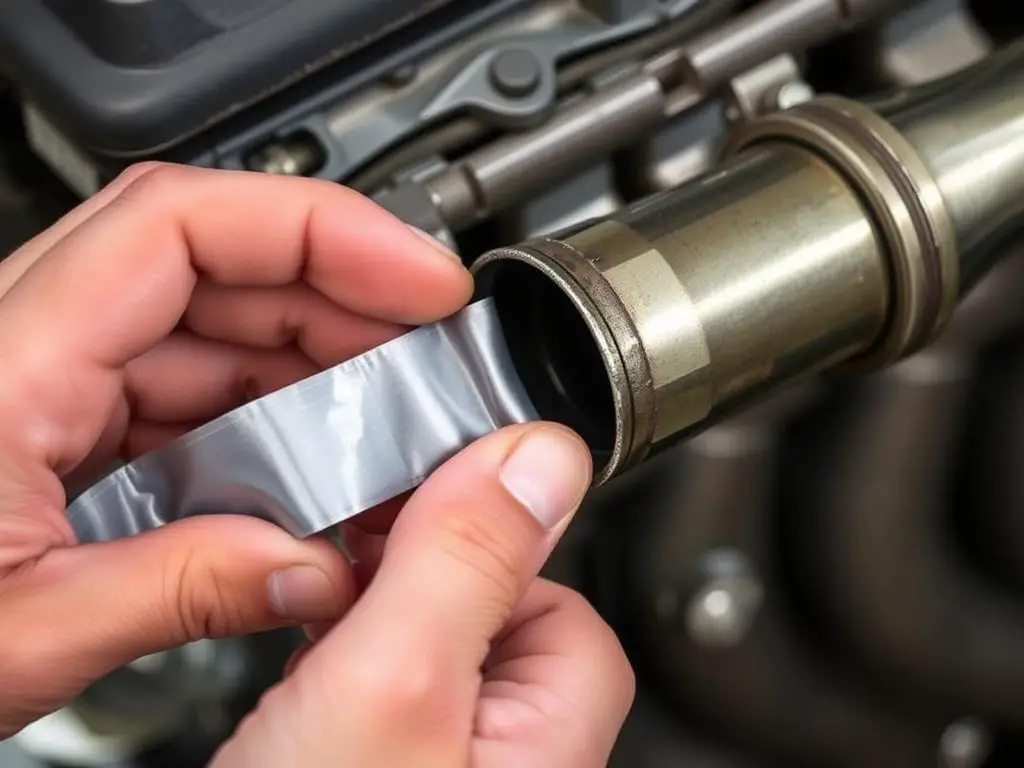
Exhaust repair tape is a fiberglass-based wrap that can temporarily seal small leaks. It’s relatively easy to apply and can last for several weeks to months depending on driving conditions.
Application Process:
- Ensure the engine is completely cool before beginning
- Clean the leaking area thoroughly with a wire brush to remove dirt and loose rust
- Apply the tape by wrapping it tightly around the leak, overlapping by at least 1 inch on each side
- Continue wrapping until you’ve used 3-4 layers of tape
- Secure the end of the tape with the included metal clamp or wire
High-Temperature Epoxy/Sealant Method
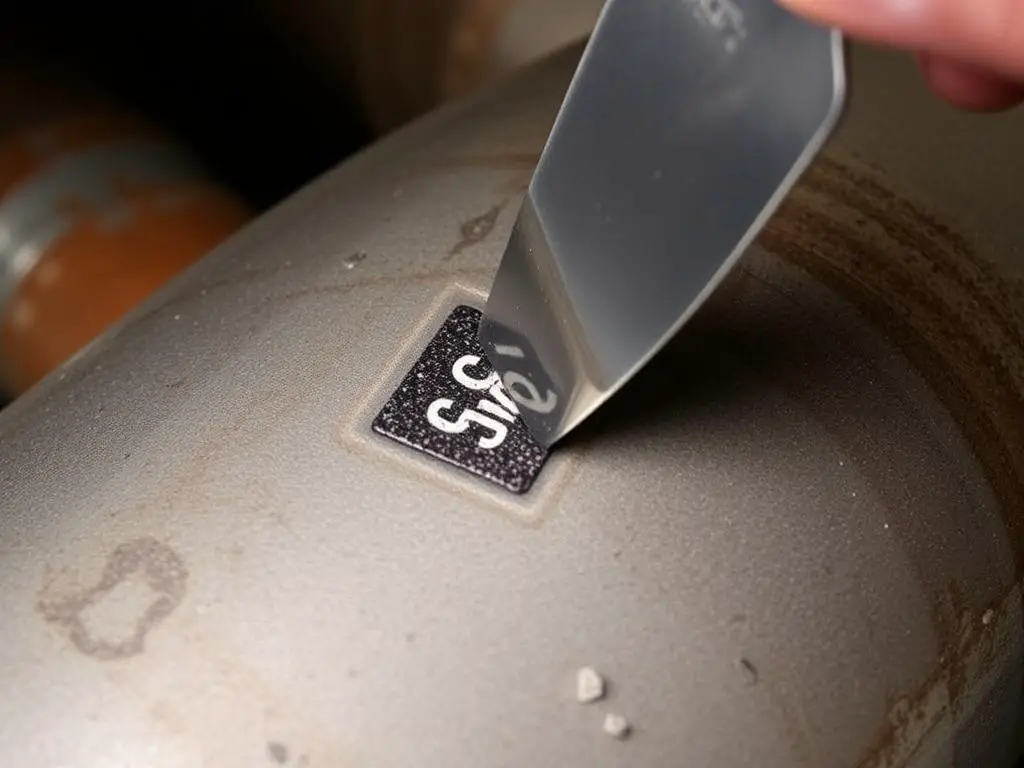
High-temperature epoxy or exhaust sealant can be effective for small cracks or gaps in the manifold. These products are designed to withstand the extreme heat of the exhaust system.
Application Process:
- Allow the engine to cool completely
- Clean the leak area thoroughly with a degreaser and wire brush
- Mix the epoxy according to manufacturer instructions (if two-part)
- Apply the epoxy directly to the crack or leak, building up slightly above the surface
- Allow to cure fully according to product instructions (typically 24 hours) before starting the engine
When Temporary Fixes Are Appropriate
Good For:
- Getting your vehicle to a repair shop safely
- Buying time before a scheduled repair
- Very small leaks in accessible areas
- Older vehicles where cost of permanent repair exceeds value
Not Suitable For:
- Long-term repair solution
- Large cracks or severe gasket failures
- Leaks near flammable components
- When exhaust fumes are entering the cabin
Expected Duration: Temporary fixes typically last from a few days to a few months, depending on the severity of the leak, driving conditions, and the quality of the repair materials used.
Safety Precautions for Temporary Repairs
- Always work on a cool engine – Allow at least 2 hours after operation for cooling
- Use proper protection – Wear gloves, eye protection, and long sleeves
- Ensure proper ventilation – Work in a well-ventilated area to avoid inhaling fumes
- Check for flammable materials – Keep repair materials away from fuel lines and electrical components
- Test carefully – After repair, start the engine briefly to check for immediate failures before longer operation
Permanent Exhaust Manifold Leak Repairs
For a lasting solution, permanent repairs address the root cause of the leak rather than just sealing it temporarily. These repairs require more time and skill but provide a reliable fix.
Complete Manifold Replacement Guide
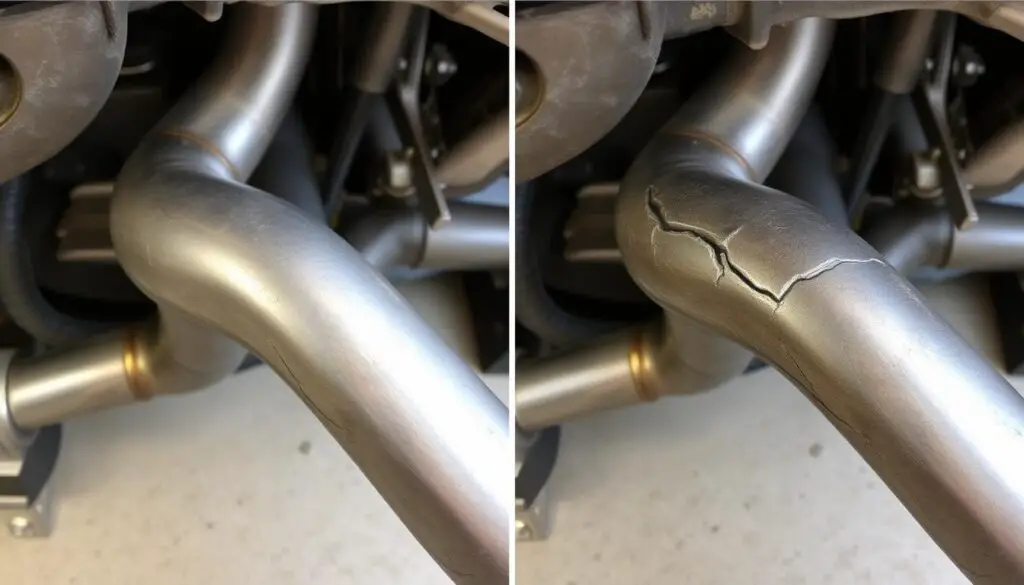
When an exhaust manifold has severe cracks or warping, complete replacement is often the best solution. This involves removing the old manifold and installing a new one with fresh gaskets.
Tools and Materials Needed:
- Socket set and ratchet
- Torque wrench
- Penetrating oil
- Gasket scraper
- Wire brush
- New exhaust manifold
- New manifold gaskets
- New manifold bolts/studs (recommended)
- High-temperature anti-seize compound
- Safety equipment (gloves, goggles)
Step-by-Step Replacement Process:
- Preparation: Ensure the engine is completely cool. Disconnect the negative battery terminal.
- Access the manifold: Remove any components blocking access to the exhaust manifold (heat shields, air intake, etc.).
- Disconnect exhaust pipe: Loosen and remove the bolts connecting the exhaust pipe to the manifold.
- Remove oxygen sensors: If present, carefully unplug and remove any oxygen sensors from the manifold.
- Remove manifold bolts: Working in reverse of the torque sequence (typically from the outside in), loosen and remove the manifold bolts.
- Remove old manifold: Carefully lift off the old manifold and set aside.
- Clean mating surfaces: Use a gasket scraper and wire brush to thoroughly clean all mating surfaces on the cylinder head.
- Install new gaskets: Place new gaskets on the cylinder head, ensuring proper alignment with bolt holes.
- Position new manifold: Carefully place the new manifold onto the gaskets.
- Install and torque bolts: Apply anti-seize compound to the threads and install bolts, tightening in the correct sequence to manufacturer specifications.
- Reconnect components: Reinstall oxygen sensors, reconnect the exhaust pipe, and replace any removed components.
- Test: Start the engine and check for leaks or unusual noises.
Professional Welding Repair Options
For cast iron manifolds with cracks, professional welding can be a cost-effective alternative to replacement. This specialized process requires proper equipment and expertise.
Important: Cast iron welding is not a typical DIY repair. It requires specialized equipment, preheating of the manifold, and specific welding techniques. For best results, seek a professional with experience in exhaust manifold repair.
Professional welding typically involves:
- Removing the manifold from the vehicle
- Thoroughly cleaning and preparing the crack area
- Preheating the manifold to prevent further cracking
- Welding with appropriate nickel-based rod for cast iron
- Controlled cooling to prevent stress
- Grinding and finishing the repair area
New Gasket Installation Process
If your leak is occurring at the gasket between the manifold and cylinder head, replacing just the gasket may solve the problem without needing to replace the entire manifold.
Tools and Materials Needed:
- Socket set and ratchet
- Torque wrench
- Penetrating oil
- Gasket scraper
- Wire brush
- New manifold gaskets
- New manifold bolts (recommended)
- High-temperature anti-seize compound
Step-by-Step Gasket Replacement:
- Follow steps 1-6 from the manifold replacement process to remove the manifold
- Carefully clean both the manifold and cylinder head mating surfaces with a gasket scraper and wire brush
- Inspect the manifold for warping or damage – if found, replacement is recommended
- Place the new gasket(s) on the cylinder head, ensuring proper alignment
- Carefully reposition the manifold onto the new gaskets
- Apply anti-seize compound to new bolts and install in the correct sequence
- Torque bolts to manufacturer specifications, working from the center outward
- Reconnect all components and test for leaks
When to Choose Permanent vs. Temporary Solutions
| Factor | Temporary Fix | Permanent Repair |
| Time Available | 1-2 hours | 4-8+ hours |
| Skill Level | Beginner | Intermediate to Advanced |
| Tools Required | Basic hand tools | Comprehensive socket set, torque wrench |
| Durability | Days to months | Years |
| Leak Severity | Minor leaks only | All leak types |
| Vehicle Value | May be sufficient for older vehicles | Recommended for newer/valuable vehicles |
Cost Comparison: Temporary vs. Permanent Solutions
| Repair Method | DIY Cost | Professional Cost | Durability |
| Exhaust Repair Tape | $10-$30 | $50-$100 | Weeks to months |
| High-Temp Epoxy/Sealant | $15-$40 | $75-$150 | Months |
| Gasket Replacement | $30-$100 | $200-$500 | Years |
| Manifold Replacement | $150-$500+ | $500-$1,200+ | Vehicle lifetime |
| Professional Welding | Not recommended | $200-$400 | Years |
Make the Right Investment
While temporary fixes cost less upfront, permanent repairs provide better long-term value and prevent recurring issues.
When to Seek Professional Mechanic Assistance
While many exhaust manifold repairs can be DIY projects, certain situations call for professional assistance:
Seek Professional Help When:
- Broken or rounded bolts/studs – Extraction requires specialized tools and expertise
- Warped manifold or cylinder head – Requires precision machining to correct
- Cracked cast iron manifold – Professional welding provides the best results
- Limited access in engine bay – Some vehicles require lifting or partial engine disassembly
- Check engine light related to oxygen sensors – May require diagnostic equipment
- Vehicle under warranty – DIY repairs may void coverage
Pro Tip: When seeking professional help, ask if they have experience with your specific vehicle make and model. Some exhaust manifolds are notoriously difficult to access on certain engines.
Post-Repair Testing and Verification
After completing any exhaust manifold repair, proper testing is essential to ensure the leak is fully resolved:
- Visual inspection: With the engine running, look for any signs of exhaust gases escaping (may appear as heat waves)
- Sound test: Listen for any ticking or hissing sounds, particularly when the engine is cold
- Smoke test: For thorough verification, a professional smoke test can identify even small leaks
- Test drive: Pay attention to engine performance, unusual sounds, and any smell of exhaust
- Check engine light: If the light was on due to the leak, it should clear after repair (may require reset)
Important: If you detect any signs of continued leakage after repair, address them immediately. Even small leaks can worsen quickly under the high heat and pressure of the exhaust system.
Conclusion: Choosing the Right Exhaust Manifold Leak Repair
Addressing an exhaust manifold leak promptly is essential for your vehicle’s performance, efficiency, and your safety. While temporary fixes can get you out of a bind, permanent repairs provide lasting solutions that prevent recurring issues.
Consider these key factors when deciding on your repair approach:
- Leak severity: Minor leaks may be candidates for temporary fixes, while significant leaks require permanent solutions
- Vehicle value and age: Newer or more valuable vehicles warrant proper permanent repairs
- Your mechanical skills: Be honest about your abilities and the complexity of the repair
- Time constraints: Factor in not just repair time but also potential wait time for parts
- Budget considerations: While temporary fixes cost less upfront, they may lead to more expenses over time
Remember that exhaust leaks don’t just affect performance—they can impact your health through carbon monoxide exposure. When in doubt, consult with a professional mechanic who can properly diagnose and repair your exhaust manifold leak.
Need Help With Your Exhaust Manifold Repair?
Whether you’re tackling the job yourself or seeking professional assistance, having the right parts makes all the difference.