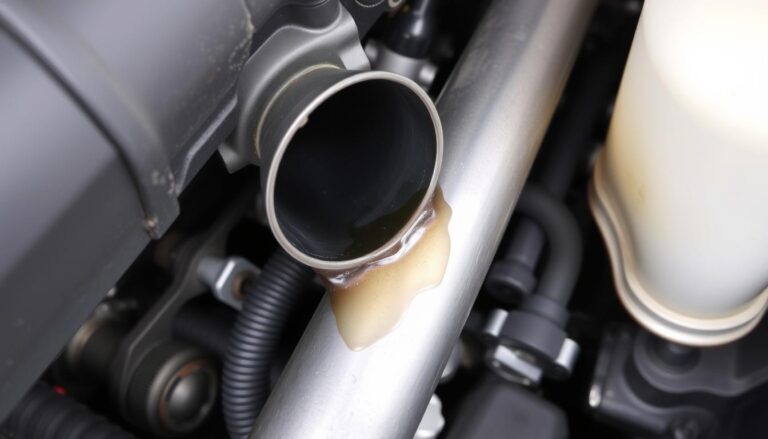
Your vehicle’s transmission is a complex system that relies on proper fluid levels to function correctly. Transmission fluid serves as a lubricant, coolant, and hydraulic medium that enables smooth gear shifting and protects internal components from wear. When your transmission is overfilled by 1 quart, it can disrupt this delicate balance and potentially lead to serious problems.
This guide will help you understand why overfilling happens, recognize the symptoms, and safely correct the issue before it causes damage to your transmission.
Common Causes of Transmission Overfill
Understanding how your transmission became overfilled by 1 quart is the first step in preventing future issues. Here are the most common reasons this happens:
- Misreading the Dipstick: The most frequent cause of overfilling is misinterpreting the dipstick markings. Many transmissions have separate markings for “hot” and “cold” fluid levels, and checking at the wrong temperature can lead to overfilling.
- Improper Checking Procedure: Failing to follow the correct procedure when checking fluid levels. This includes not running the engine, not cycling through all gears, or checking on an uneven surface.
- Partial Drain Refills: Adding a full quart after a partial fluid drain or filter change without accounting for the fluid that remained in the system.
- Incorrect Fluid Type: Using the wrong type of transmission fluid can affect viscosity and volume, potentially leading to overfill conditions.
- Estimation Errors: Simply guessing how much fluid to add rather than checking levels incrementally during refilling.
Symptoms and Risks of an Overfilled Transmission
When your transmission has 1 quart too much fluid, it can manifest through several warning signs. Recognizing these symptoms early can help prevent more serious damage.
Warning Signs to Watch For
- Fluid Leaks: Excess pressure may force fluid past seals, creating puddles under your vehicle.
- Erratic Shifting: You might notice delayed or rough gear changes, or the transmission slipping between gears.
- Unusual Noises: Whining, buzzing, or humming sounds can indicate fluid foaming or aeration.
- Overheating: Your temperature gauge may show higher readings as the transmission struggles to function properly.
- Burning Smell: Overheated transmission fluid has a distinctive burnt odor.
Potential Damage from Overfilling
- Fluid Foaming: When rotating parts churn through excess fluid, it creates foam that reduces lubrication effectiveness.
- Increased Pressure: Too much fluid creates excess pressure that can damage seals and gaskets.
- Hydraulic Lock: In severe cases, excess fluid can prevent proper hydraulic function.
- Seal Failure: Prolonged pressure on transmission seals can cause them to blow out or leak.
- Overheating: The transmission works harder, generating excessive heat that breaks down fluid and damages components.
“Automatic transmissions are very susceptible to damage from overfill. This occurs because auto transmission fluid expands a lot. The problem it can create is blowing the seals, like where the torque converter rides.”
How to Fix an Overfilled Transmission
Removing excess transmission fluid requires care and precision. Follow these steps to safely bring your fluid level back to the proper range without damaging your transmission.
Safety Warning: Always work on a cool engine to avoid burns. Transmission fluid can be extremely hot after driving. Wait at least 30 minutes after turning off your engine before beginning this procedure.
Method 1: Dipstick Tube Extraction (Recommended)
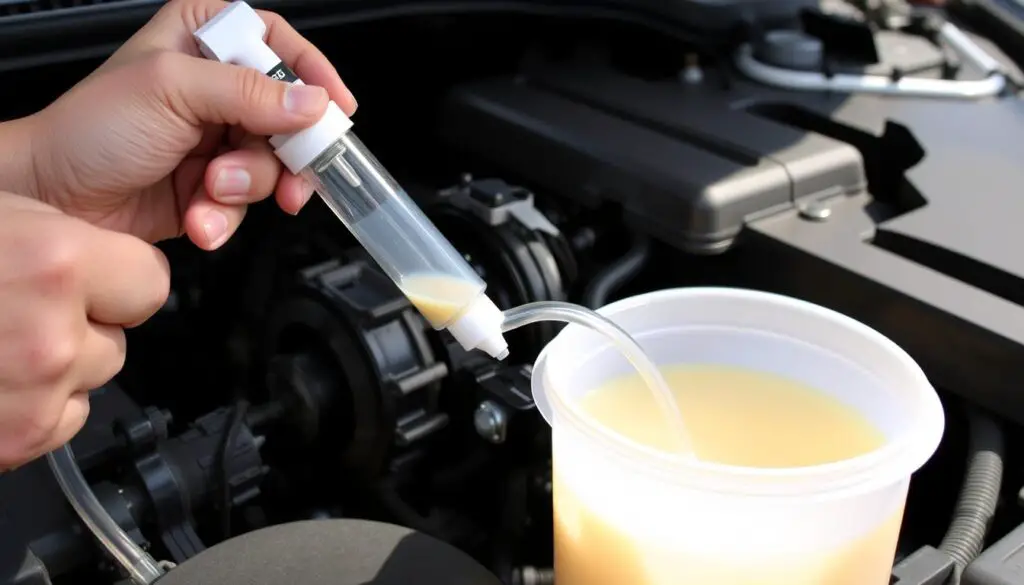
- Gather Your Tools: You’ll need clean plastic tubing (about 1/4 inch diameter), a hand pump or turkey baster, a fluid catch pan, and clean rags.
- Prepare Your Vehicle: Ensure your car is parked on level ground with the engine off and cool. Apply the parking brake.
- Locate the Dipstick: Remove the transmission dipstick and set it aside on a clean surface.
- Insert the Tubing: Feed the plastic tubing down the dipstick tube. Aim to insert it about 8-12 inches deep.
- Extract the Fluid: Use your pump or turkey baster to create suction and draw out small amounts of fluid (about 1/4 quart at a time).
- Check the Level: After each extraction, wipe the dipstick clean, reinsert it fully, remove it, and check the new fluid level.
- Repeat if Necessary: Continue this process until the fluid level shows at the “FULL” mark when hot, or between the “ADD” and “FULL” marks when cold.
Method 2: Drain Plug Method (Alternative)
- Locate the Drain Plug: Some transmissions have a drain plug on the pan. Position a catch pan underneath.
- Loosen Slightly: Using the appropriate wrench, loosen the plug just enough to allow a slow drip.
- Monitor Carefully: Let a small amount drain (approximately 1/4 quart), then retighten the plug.
- Check the Level: Start the engine, shift through all gears, then check the fluid level with the dipstick.
- Repeat if Needed: Continue this process until you reach the proper level.

Method 3: Transmission Line Method (For Experienced DIYers)
- Locate the Cooler Lines: Find where the transmission cooler lines connect to the radiator.
- Prepare for Fluid: Position your catch pan under the connection point.
- Disconnect the Return Line: Carefully loosen the fitting on the return line (the line that flows from the radiator back to the transmission).
- Start the Engine Briefly: Have a helper start the engine for just a few seconds to allow some fluid to drain out.
- Reconnect Quickly: Shut off the engine and reconnect the line securely.
- Check the Level: Verify the fluid level with the dipstick.
Important: This method requires quick action and should only be attempted if you’re comfortable working with transmission components. Fluid will flow immediately when the engine starts, so be prepared.
How to Properly Check Transmission Fluid Levels
To prevent future overfilling, it’s essential to know the correct procedure for checking your transmission fluid level.
- Engine Running: For most vehicles, the engine should be running when checking transmission fluid.
- Warm Up First: Drive the vehicle for about 15-20 minutes to bring the transmission to operating temperature.
- Park on Level Ground: An uneven surface will give inaccurate readings.
- Shift Through All Gears: With your foot on the brake, cycle through all gear positions, pausing briefly in each one.
- Return to Park or Neutral: Check your owner’s manual to determine whether to check in Park or Neutral.
- Remove and Wipe: Pull the dipstick out, wipe it clean with a lint-free cloth, and reinsert it fully.
- Check the Level: Remove again and observe where the fluid line falls on the dipstick markings.
- Note the Condition: Healthy transmission fluid should be clear red or pink, not brown, black, or foamy.
Pro Tip: The difference between “ADD” and “FULL” marks on most transmission dipsticks represents about 1 pint (0.5 quart) of fluid. This helps you estimate how much to add or remove.
Prevention Tips for the Future
- Add Incrementally: When refilling, add fluid in small amounts (1/4 quart) and check the level between additions.
- Use the Correct Fluid: Always use the transmission fluid type specified in your owner’s manual.
- Measure What You Remove: When draining fluid, measure how much comes out so you know exactly how much to put back in.
- Check Temperature: Be aware of whether you’re checking the fluid hot or cold, and use the appropriate markings.
- Keep Records: Note how much fluid your transmission takes during changes for future reference.
- Use a Funnel: Always use a clean funnel with a narrow spout when adding fluid through the dipstick tube.
- Regular Checks: Make checking your transmission fluid part of your routine maintenance, especially after service.
- Consider a Drain Plug: If your transmission pan doesn’t have one, consider having a drain plug installed to make future fluid adjustments easier.
When to Seek Professional Help
While removing excess transmission fluid is often a manageable DIY task, there are situations where professional assistance is recommended:
- If you’ve already experienced symptoms like slipping gears or unusual noises
- If you notice metal particles or a burnt smell in the fluid
- If you’re uncomfortable performing the procedure yourself
- If you have a newer vehicle with a complex transmission system
- If the overfill has existed for an extended period (weeks or months)
An overfilled transmission by 1 quart is a serious concern that should be addressed promptly. By following the steps outlined in this guide, you can safely correct the fluid level and prevent potential damage to your transmission. Remember that proper maintenance and attention to detail when checking and adding fluid will help you avoid this issue in the future.
Frequently Asked Questions
How long can I drive with my transmission overfilled by 1 quart?
You should address an overfilled transmission as soon as possible. While some vehicles might not show immediate symptoms, continuing to drive with an overfilled transmission increases the risk of damage to seals, gaskets, and internal components. The excess fluid creates pressure and can cause foaming, both of which reduce the transmission’s ability to function properly.
Will an overfilled transmission throw a check engine light?
Not immediately or directly. However, if the overfill causes operational issues like slipping or overheating, it may eventually trigger transmission-related fault codes that can illuminate the check engine light. Modern vehicles with more sophisticated sensors might detect abnormal pressure or temperature conditions sooner.
Is it better to have slightly too much or too little transmission fluid?
Neither is ideal, but slightly under-filled is generally considered less immediately damaging than overfilled. An under-filled transmission may experience inadequate lubrication and cooling, while an overfilled one faces pressure issues and fluid foaming. Always aim for the correct level as specified by your vehicle manufacturer.
Can I mix different types of transmission fluid when adjusting the level?
No, you should always use the same type of transmission fluid that’s already in your system. Mixing different types can cause chemical incompatibilities that affect performance and potentially damage your transmission. If you’re unsure what type is currently in use, consult your owner’s manual or a professional technician.