Owning a luxury car requires focus, especially when a dash alert appears suddenly. Knowing the meaning of this alert remains vital for long-term car health. This specific indicator often indicates emissions issues or bad sensors.
Ignoring these signs might cause expensive repairs later on. Our guide covers the Porsche service engine soon light for US owners. We examine common triggers plus helpful solutions.
You will find clarity about your dash warnings. Follow our advice for keeping your car in top shape. Expert staff suggest checking fuel caps first.
A loose seal causes many warnings. Sensors check systems every second. Modern tools identify codes quickly.
This process saves time plus reduces stress. Great machines require expert care. Staying informed helps prevent broken parts.
Pros recommend fast action. Keep your machine performing well. Having a German car is a fun experience.
Driving well requires steady checks. Every part plays a big role. Owners deserve peace of mind.
Key Takeaways
- Dash alerts require swift responses.
- Check fuel caps before seeking repairs.
- Sensors frequently detect minor faults.
- Professional scans pinpoint exact failures.
- Ignoring warnings risks mechanical damage.
- Regular checkups prolong vehicle life.
1. Porsche Service Engine Soon Light: Meaning and What to Do
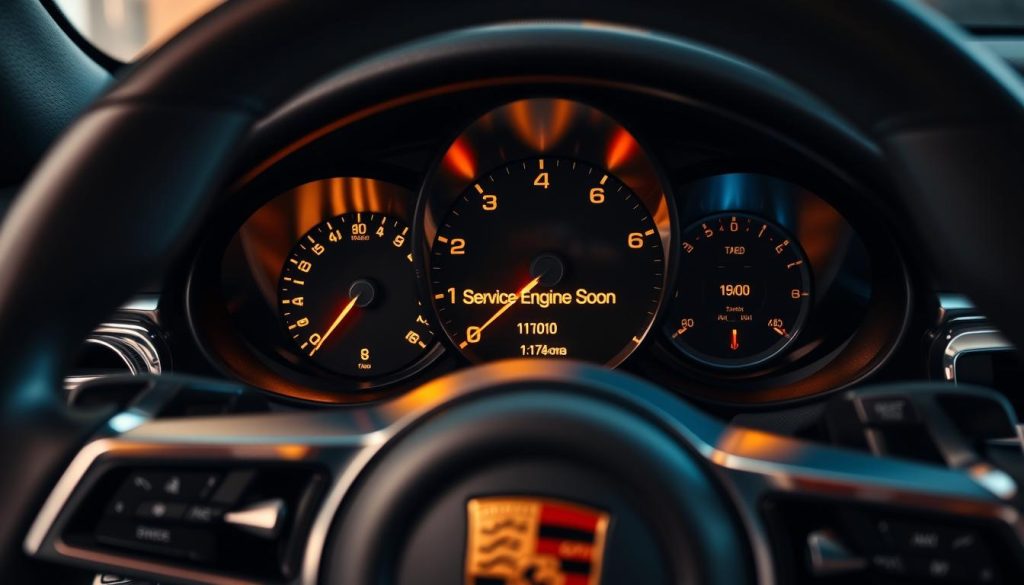
The illumination of the “Service Engine Soon” light on your Porsche’s dashboard is a signal that requires attention and understanding. This warning light is part of your vehicle’s onboard diagnostics system, designed to alert you to potential issues that may need maintenance or repair.
What This Warning Light Indicates in Your Porsche
The “Service Engine Soon” light indicates that there’s a problem or fault detected by your Porsche’s engine control unit (ECU). This could range from a minor issue, such as a loose gas cap, to a more significant problem, like a malfunctioning sensor or a catalytic converter issue. It’s crucial to understand that this light is not necessarily an emergency but rather a precautionary measure to prevent further damage or complications.
Service Engine Soon vs. Check Engine Light
Many Porsche owners are often confused between the “Service Engine Soon” and “Check Engine” lights. While both are related to the engine and its performance, they serve different purposes:
- The “Check Engine” light typically signifies a more urgent problem that requires immediate attention, such as engine misfires or critical system failures.
- The “Service Engine Soon” light, on the other hand, is generally less urgent and may indicate a need for routine maintenance or a less critical repair.
Understanding the difference is vital to assessing the urgency level and deciding the appropriate course of action.
Urgency Level: Can You Continue Driving
When the “Service Engine Soon” light appears, it’s natural to wonder if you can continue driving your Porsche. The answer depends on several factors, including the light’s color and whether it’s steady or flashing, as well as any noticeable changes in your vehicle’s performance.
Key considerations include:
- If the light is steady and not accompanied by other warning signs, you may continue driving cautiously to a service center.
- If the light is flashing or accompanied by symptoms like loss of power, unusual noises, or vibrations, it’s advisable to pull over and seek assistance immediately.
Assessing the urgency level correctly is crucial to prevent potential damage to your Porsche and ensure your safety on the road.
2. Common Causes of the Service Engine Soon Light in Porsche Vehicles
The “Service Engine Soon” light in Porsche vehicles can be triggered by a variety of issues, ranging from minor to severe problems. This warning light is part of the vehicle’s onboard diagnostics system, designed to alert the driver to potential problems that need attention. Understanding the common causes of this light can help Porsche owners identify and address issues promptly.
Oxygen Sensor Failures
One of the common causes of the “Service Engine Soon” light is oxygen sensor failures. The oxygen sensor measures the amount of oxygen in the exhaust gases and provides this information to the engine control unit (ECU). A faulty oxygen sensor can lead to incorrect fuel-to-air ratio, decreased fuel efficiency, and increased emissions. Replacing a faulty oxygen sensor is typically a straightforward process, but it requires proper diagnosis to identify the faulty sensor.
Mass Air Flow Sensor Malfunctions
The Mass Air Flow (MAF) sensor is another critical component that can trigger the “Service Engine Soon” light if it malfunctions. The MAF sensor measures the amount of air entering the engine and helps the ECU calculate the correct amount of fuel to inject. A dirty or faulty MAF sensor can cause issues such as poor engine performance, hesitation, and decreased fuel efficiency. Cleaning or replacing the MAF sensor can often resolve these issues.
Catalytic Converter Problems
Catalytic converter problems are a more serious issue that can cause the “Service Engine Soon” light to illuminate. The catalytic converter is responsible for reducing harmful emissions by converting pollutants into less harmful substances. A failing catalytic converter can lead to decreased engine performance, increased emissions, and potentially cause damage to other components. Diagnosing catalytic converter issues often requires specialized equipment and expertise.
Loose or Damaged Gas Cap
A loose or damaged gas cap is a simple but common cause of the “Service Engine Soon” light. The gas cap helps maintain the fuel system’s pressure and prevents fuel vapors from escaping. A loose or damaged gas cap can trigger the light due to the perceived leak in the fuel system. Tightening or replacing the gas cap is a simple and cost-effective solution.
Spark Plug and Ignition System Issues
Issues with the spark plugs and ignition system can also trigger the “Service Engine Soon” light. Worn out or fouled spark plugs can cause misfires, leading to decreased engine performance and potentially damaging the catalytic converter. Regular maintenance of the spark plugs and ignition system is crucial to prevent these issues and ensure optimal engine performance.
3. Immediate Steps to Take When the Light Appears
Upon noticing the “Service Engine Soon” light on your Porsche, it’s crucial to adopt a methodical approach to identify the cause and determine the best course of action. This systematic approach will help you address the issue effectively and safely.
Step 1: Check and Tighten Your Gas Cap
A loose or damaged gas cap is a common cause for the “Service Engine Soon” light to appear. Check your gas cap to ensure it is tightened properly. If you find any damage, consider replacing it as soon as possible. This simple check can potentially resolve the issue without needing further diagnostic procedures.
Step 2: Assess Vehicle Performance and Drivability
Next, assess your vehicle’s performance and drivability. Pay attention to any changes in how your Porsche is running. Are there any noticeable issues with acceleration, idling, or overall engine performance? Assessing these factors can provide valuable insights into whether the issue is minor or more serious.
Step 3: Look for Additional Warning Lights or Symptoms
In addition to the “Service Engine Soon” light, check your dashboard for any other warning lights or unusual symptoms. The presence of other lights, such as the “Check Engine” light, or symptoms like unusual noises or vibrations, can indicate a more complex problem that requires immediate attention.
Step 4: Decide Whether to Continue Driving or Pull Over
Based on your observations from the previous steps, decide whether it’s safe to continue driving your Porsche or if you should pull over. If you notice significant performance issues or other warning lights, it’s advisable to pull over and seek assistance to avoid potential damage to your vehicle.
By following these steps, you can make an informed decision about how to proceed when the “Service Engine Soon” light appears, ensuring your safety and the longevity of your Porsche.
4. How to Diagnose the Problem Yourself
Empowering yourself with diagnostic knowledge can help you tackle the Service Engine Soon light issue in your Porsche. Diagnosing the problem early can prevent minor issues from becoming major repairs.
Using an OBD-II Scanner on Your Porsche
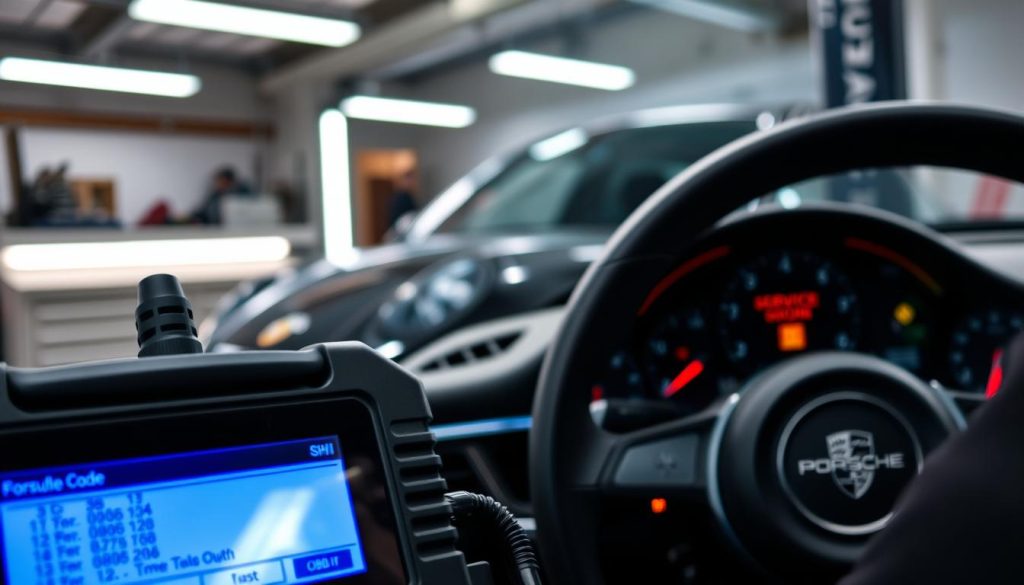
An OBD-II scanner is a valuable tool for diagnosing issues indicated by the Service Engine Soon light. It connects to your Porsche’s onboard diagnostics system, providing crucial information about the problem.
To use an OBD-II scanner: Simply plug it into the OBD-II port, usually found under the steering column, and follow the device’s instructions to retrieve Porsche diagnostic trouble codes.
Interpreting Diagnostic Trouble Codes
Once you have the diagnostic trouble codes from your OBD-II scanner, the next step is to interpret them. These codes are standardized and can be found in the OBD-II code database or through online resources.
Understanding these codes is crucial as they directly point to the issue affecting your Porsche. For example, a code related to the oxygen sensor indicates a potential problem with the sensor.
Performing a Visual Inspection Under the Hood
A visual inspection under the hood can reveal potential issues that might not be immediately apparent through diagnostic codes alone. Look for signs of wear, damage, or leaks.
Check the condition of belts, hoses, and connections to ensure they are in good condition and properly secured.
Monitoring Performance Through Your Dashboard Display
Your Porsche’s dashboard display provides valuable information about its performance and any issues it might be experiencing. Monitor parameters such as engine temperature, oil pressure, and other vital signs.
Any unusual readings or warnings on your dashboard can give you clues about what’s causing the Service Engine Soon light to appear.
5. When to Seek Professional Help for Your Porsche
Understanding when to seek professional help for your Porsche’s service engine soon light can save you time and money. While some issues may be resolved with simple checks, others require the expertise of a professional mechanic.
Warning Signs That Require Immediate Professional Attention
Certain symptoms indicate that you should seek immediate professional help. These include:
- Unusual noises from the engine or exhaust system
- Loss of power or difficulty accelerating
- Vibrations or rough idling
- Unusual smells, such as burning fuel or oil
If you experience any of these symptoms, it’s crucial to have your Porsche inspected by a professional as soon as possible.
Choosing Between Porsche Dealership and Independent Specialists
When deciding where to take your Porsche for repairs, you have two primary options: a Porsche dealership or an independent specialist. Both have their advantages.
| Service Provider | Advantages | Disadvantages |
|---|---|---|
| Porsche Dealership | Factory-trained technicians, genuine Porsche parts, warranty coverage | Generally more expensive, may have less flexibility in scheduling |
| Independent Specialist | Often more affordable, personalized service, flexible scheduling | May not have access to the latest Porsche diagnostic tools, varying quality of parts |
Consider your priorities and the specific needs of your Porsche when making your decision.
What Happens During a Professional Diagnostic Session
During a professional diagnostic session, the mechanic will typically:
- Connect your Porsche to a specialized diagnostic tool to retrieve any trouble codes
- Perform a visual inspection of the engine and other relevant components
- Conduct tests to identify the root cause of the issue
- Provide a detailed report of their findings and recommend necessary repairs
Expected Repair Costs for Common Porsche Issues
Repair costs for Porsche vehicles can vary widely depending on the nature of the issue and the model of your car. Here are some estimated costs for common repairs:
| Repair | Estimated Cost |
|---|---|
| Oxygen sensor replacement | $200-$500 |
| Mass air flow sensor replacement | $300-$600 |
| Catalytic converter replacement | $1,000-$3,000 |
Following your Porsche maintenance schedule can help prevent some of these costly repairs. Additionally, addressing minor issues promptly can prevent them from becoming major problems.
6. Preventing Future Service Engine Soon Light Activations
To keep your Porsche running smoothly and prevent future ‘Service Engine Soon’ light activations, it’s crucial to adopt a proactive maintenance approach. This involves a combination of regular checks, using the right materials, and addressing issues promptly.
Following Your Porsche’s Recommended Maintenance Schedule
Adhering to the recommended maintenance schedule is vital for the longevity and health of your Porsche. This schedule, outlined in your owner’s manual, includes routine services such as oil changes, tire rotations, and brake pad replacements. By following this schedule, you can identify and address potential issues before they become major problems.
Using Premium Fuel and Genuine Porsche Oil
Using the right fuel and oil is essential for maintaining your Porsche’s performance and preventing engine issues. Premium fuel is designed to meet the high standards of Porsche engines, reducing the risk of engine knock and maintaining fuel efficiency. Similarly, genuine Porsche oil is formulated to provide the optimal lubrication and protection for your engine’s components.
Regular Inspection of Critical Engine Components
Regular inspections can help identify potential issues before they lead to the ‘Service Engine Soon’ light coming on. Critical components to inspect include:
- Spark plugs and ignition coils
- Oxygen sensors and mass air flow sensors
- Catalytic converter and exhaust system
- Belts and hoses for signs of wear
Addressing Minor Problems Before They Become Major Repairs
Minor issues, if left unaddressed, can escalate into major repairs that may trigger the ‘Service Engine Soon’ light. It’s essential to address any unusual noises, vibrations, or performance issues promptly. A table summarizing the importance of timely repairs is provided below:
| Issue | Potential Consequence if Unaddressed | Benefit of Timely Repair |
|---|---|---|
| Unusual engine noises | Major engine damage | Prevents costly repairs |
| Vibrations while driving | Wheel bearing or suspension damage | Maintains vehicle stability and safety |
| Decreased fuel efficiency | Increased fuel costs and potential engine damage | Maintains optimal fuel efficiency and engine health |
By following these preventive measures, you can significantly reduce the likelihood of the ‘Service Engine Soon’ light appearing on your Porsche’s dashboard, ensuring a smoother and more enjoyable driving experience.
7. Conclusion
Understanding the Porsche service engine soon light is crucial for maintaining your vehicle’s performance and longevity. This warning light can indicate a range of issues, from minor problems like a loose gas cap to more serious concerns such as oxygen sensor failures or catalytic converter problems.
By following the steps outlined in this article, you can diagnose and address the issue promptly. Regular maintenance, including following the recommended maintenance schedule and using premium fuel and genuine Porsche oil, can help prevent future activations of the service engine soon light.
When faced with this warning, assessing your vehicle’s performance and drivability is essential. If you’re unsure about the severity of the issue or how to proceed, seeking professional help from a Porsche dealership or independent specialist is advisable.
Stay proactive about your Porsche’s maintenance to ensure it continues to deliver the performance and luxury experience you expect. By doing so, you’ll be able to enjoy your vehicle to its full potential while minimizing the risk of costly repairs down the line.
FAQ
What is the primary difference between the Service Engine Soon light and the Check Engine Light in a Porsche?
While often used interchangeably, the Service Engine Soon light typically alerts the driver to upcoming scheduled maintenance or minor emissions fluctuations. In contrast, the Check Engine Light (CEL) usually indicates a specific fault within the engine management system. In many modern Porsche models, both lights serve to notify you that the OBD-II system has detected a parameter outside of normal operating ranges.
Can I continue driving my Porsche if the Service Engine Soon light stays illuminated?
If the light is steady and the vehicle feels normal, you can generally continue driving to your destination or a service center. However, if the light is flashing, this indicates a severe engine misfire that could cause permanent damage to the catalytic converter. In such cases, you should pull over and seek professional assistance immediately to avoid a major repair.
Why does a loose gas cap trigger a warning light on my dashboard?
The Porsche fuel system is a sealed evaporative emissions environment. A loose or damaged gas cap allows fuel vapors to escape, which the sensors detect as a leak. This is one of the most common and least expensive causes for the Service Engine Soon light. Always ensure the cap is tightened until it clicks.
How do I use an OBD-II scanner to identify the problem?
You can plug a diagnostic tool, such as those manufactured by Bosch or Autel, into the OBD-II port located under the driver’s side dashboard. The scanner will provide Diagnostic Trouble Codes (DTC). By interpreting these codes, you can determine if the issue stems from an oxygen sensor failure, a mass air flow (MAF) sensor malfunction, or an ignition problem.
Is it better to visit a Porsche dealership or an independent specialist for diagnostics?
A Porsche Dealership provides the advantage of factory-trained technicians and specialized PIWIS diagnostic software. However, reputable independent specialists are often more cost-effective for vehicles out of warranty. Both options should use Genuine Porsche Parts to ensure the longevity and performance of your vehicle.
How often should I replace spark plugs to avoid ignition system issues?
To maintain peak performance in models like the Porsche 911 or Panamera, you should follow the recommended maintenance schedule, which typically suggests spark plug replacement every 30,000 to 40,000 miles, depending on the model and driving conditions. Worn plugs can lead to misfires, triggering the engine light and reducing fuel efficiency.
What role does fuel quality play in preventing engine light activations?
Porsche high-performance engines require premium fuel with a high octane rating to prevent engine knocking and carbon buildup. Using lower-grade fuels can lead to oxygen sensor fouling and decreased engine efficiency, eventually triggering the Service Engine Soon light. Additionally, using Genuine Porsche Oil like Mobil 1 ensures proper lubrication of all critical engine components.