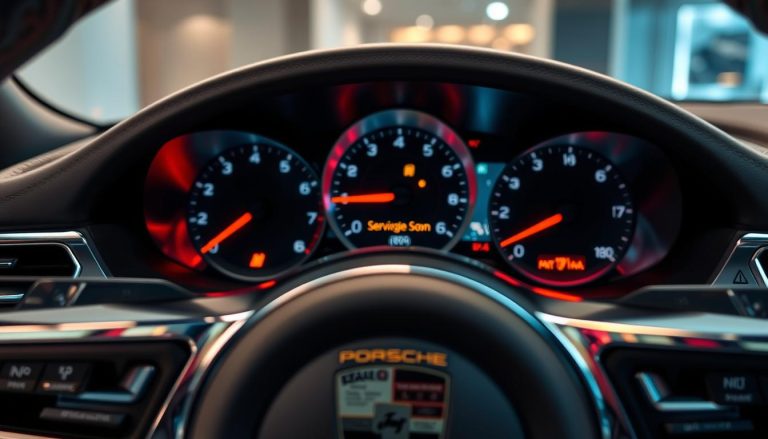
Seeing a bright symbol on your dashboard often causes immediate stress for drivers in the United States. This specific Porsche warning light serves as a general notification for various vehicle systems requiring your attention. It might signal something minor like a loose gas cap or a more urgent mechanical failure.
Understanding the triangle with exclamation mark helps maintain the peak performance of your luxury sports car. Ignoring these messages can lead toward costly repairs or safety risks while driving. This guide provides a clear path identifying the root cause of the indicator so you can restore your vehicle quickly.
Modern German engineering uses complex sensors monitoring every component. When these sensors detect a fault, they trigger visual cues protecting the engine. Staying informed about your car’s health ensures a safe driving experience on every trip.
Taking action early prevents small glitches from becoming massive headaches. Most owners find that basic diagnostic tools offer fast answers without visiting a mechanic immediately.
Key Takeaways
- Identify the specific meaning of the dash icon.
- Check common triggers like loose fuel caps.
- Use an OBD-II scanner for precise error codes.
- Address warning lights quickly avoiding engine damage.
- Maintain regular service intervals for vehicle health.
Understanding the Porsche Triangle Warning Light
The triangle warning light on your Porsche is an important safety feature that alerts you to various potential problems. This warning light is designed to grab your attention and prompt you to take necessary actions to ensure your vehicle’s continued safe operation.
What the Triangle with Exclamation Mark Indicates
The triangle with an exclamation mark is a generic warning symbol that can indicate a range of issues with your Porsche. It is not specific to one system but rather serves as a general alert that something requires attention. The meaning can vary depending on the context in which it appears, including the color of the light and any accompanying messages on the dashboard.
Common issues associated with this warning include:
- Tire pressure monitoring system (TPMS) malfunctions
- Brake system issues
- Porsche Stability Management (PSM) system errors
- Electronic control unit (ECU) faults
Which Porsche Models Display This Warning
The triangle with exclamation mark warning can appear on various Porsche models, including the 911, Boxster, Cayman, Macan, and Cayenne. The specific models that may display this warning are not limited to these, as the feature is common across many Porsche vehicles equipped with advanced safety and stability systems.
| Porsche Model | Common Issues Triggering the Warning |
|---|---|
| 911 | TPMS malfunctions, Brake system issues |
| Boxster/Cayman | PSM system errors, ECU faults |
| Macan/Cayenne | Tire pressure issues, Stability control malfunctions |
Color Variations and Their Meanings
The color of the triangle warning light can provide crucial information about the severity of the issue. Red typically indicates a critical problem that requires immediate attention, such as a significant brake system fault. Yellow or amber colors usually signify a less critical issue but still warrant investigation and possible repair, such as a TPMS malfunction.
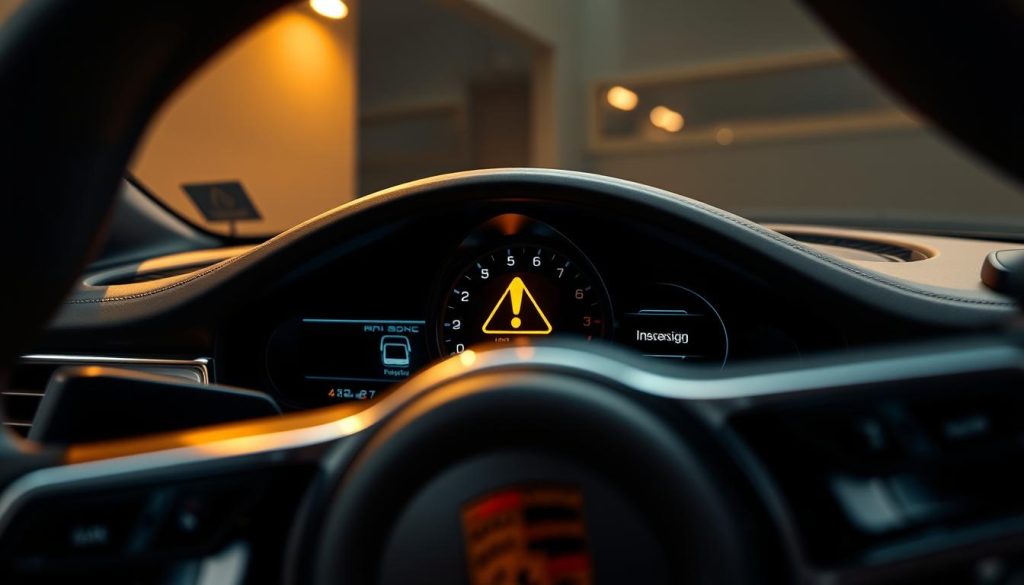
Understanding the color and context of the triangle warning light is essential for determining the appropriate response. Always refer to your Porsche’s owner’s manual for specific guidance on warning light interpretations.
Porsche Triangle with Exclamation: What It Means and How to Fix It
The Porsche Triangle with Exclamation warning light is a critical indicator that requires immediate attention to ensure vehicle safety. This warning is associated with various systems in your Porsche, and understanding its implications is vital for maintaining your vehicle’s performance and safety.
The appearance of the Triangle with Exclamation mark on your dashboard signifies a potential issue that could be related to several key systems. To effectively address this warning, it’s essential to understand the primary system failures that could trigger it.
Primary System Failures Associated with This Warning
Several critical systems in your Porsche could be linked to the Triangle with Exclamation warning. These include:
- Tire Pressure Monitoring System (TPMS) malfunctions: Incorrect tire pressure can trigger this warning.
- Brake system issues: Problems with the brake system, including low brake fluid levels, can activate this indicator.
- Porsche Stability Management (PSM) system errors: Faults in the PSM system, which is crucial for vehicle stability, can also trigger the warning.
- Electronic Control Unit (ECU) faults: Issues with the ECU, which controls various engine and vehicle functions, may be indicated by this warning.
Understanding these potential causes is the first step in diagnosing and fixing the issue.
How the Warning Relates to Vehicle Safety Systems
The Triangle with Exclamation warning is directly related to the safety systems of your Porsche. It indicates a potential compromise in the vehicle’s ability to operate safely. For instance, a malfunctioning TPMS could lead to underinflated tires, which can affect handling and increase the risk of a tire blowout.
The warning is an indicator that one or more of these safety-critical systems may not be functioning correctly. Therefore, it’s crucial to investigate the cause promptly.
Understanding Warning Priority Levels
Porsche vehicles often have a multi-level warning system to indicate the severity of the issue. The Triangle with Exclamation warning can appear in different colors or be accompanied by other indicators to signify its priority level.
| Warning Color | Priority Level | Description |
|---|---|---|
| Yellow/Amber | Caution | Indicates a potential issue that should be checked soon. |
| Red | Warning | Signifies a serious issue that requires immediate attention. |
Recognizing the priority level of the warning is essential for determining the appropriate response. A red warning, for example, demands immediate action to ensure safety.
Common Causes of the Triangle Warning Light
The Triangle warning light on your Porsche can be triggered by a variety of issues, ranging from simple malfunctions to complex system failures. Identifying the root cause is essential for applying the correct fix and ensuring your vehicle’s optimal performance and safety.
Tire Pressure Monitoring System Malfunctions
One of the common causes of the Triangle warning light is a malfunction in the Tire Pressure Monitoring System (TPMS). The TPMS is designed to monitor the air pressure in your tires and alert you if the pressure falls below the recommended level. TPMS malfunctions can occur due to faulty sensors, incorrect tire pressure, or system calibration issues.
- Faulty TPMS sensors that need replacement
- Incorrect tire pressure that requires adjustment
- TPMS system calibration issues that need resetting
Brake System Issues and Low Brake Fluid
Brake system issues, including low brake fluid levels, can also trigger the Triangle warning light. The brake system is critical for your vehicle’s safety, and any issues with it should be addressed promptly.
- Check the brake fluid level and top it up if necessary
- Inspect the brake pads and rotors for wear
- Look for any signs of leaks in the brake system
Porsche Stability Management System Errors
The Porsche Stability Management (PSM) system is designed to enhance your vehicle’s stability and traction. Errors within this system can cause the Triangle warning light to appear. PSM system errors can be due to various factors, including sensor malfunctions or software glitches.
- Faulty sensors that need replacement or recalibration
- Software issues that require updating or resetting
- System malfunctions that need professional diagnosis
Electronic Control Unit Faults
Electronic Control Unit (ECU) faults are another potential cause of the Triangle warning light. The ECU is responsible for controlling various aspects of your vehicle’s performance, and any faults in it can lead to warning lights and potentially affect your vehicle’s operation.
ECU faults can be diagnosed using specialized equipment and may require software updates or replacement of the ECU in some cases.
Immediate Steps When the Warning Light Appears
The appearance of the Triangle with Exclamation warning light on your Porsche’s dashboard demands prompt attention to maintain vehicle safety. This warning indicates a potential issue that needs to be addressed to prevent any further complications or risks.
Safety Precautions to Take While Driving
When the Triangle with Exclamation warning light illuminates, the first step is to remain calm and assess the situation. Reduce your speed and avoid making any sudden maneuvers that could exacerbate the problem. It’s crucial to be aware of your surroundings and keep an eye on other dashboard warning lights or unusual vehicle behavior.
If the light is steady, it typically indicates a less urgent issue, but it’s still important to have it checked as soon as possible. However, if the light is flashing, it signifies a more serious problem that requires immediate attention.
Finding a Safe Location to Stop
Once you’ve assessed the situation, the next step is to find a safe location to pull over and stop. Look for a flat, stable surface away from traffic. Turn off the engine and engage the parking brake. This will help prevent any potential risks or further damage to the vehicle.
Initial Visual Inspection Checklist
Before attempting to diagnose the issue, perform an initial visual inspection. Check the dashboard for any other warning lights that might be illuminated. Look for obvious signs of issues such as low tire pressure, brake fluid leaks, or loose connections.
- Check tire pressures and look for signs of tire damage.
- Inspect the brake fluid level and condition.
- Verify that all lights and signals are functioning correctly.
Determining If It’s Safe to Continue Driving
After conducting the initial visual inspection, you need to determine if it’s safe to continue driving your Porsche to a service center or if it should be towed. If you’re unsure about the severity of the issue or if the vehicle is not running smoothly, it’s advisable to seek professional assistance to avoid any potential risks.
Consider the vehicle’s behavior and any additional warning signs. If you notice any unusual noises, vibrations, or performance issues, it’s best to err on the side of caution and have your Porsche checked by a professional as soon as possible.
Step-by-Step Diagnostic Process
Diagnosing the Porsche Triangle warning light requires a systematic approach to identify the root cause of the issue. This involves a series of checks that help narrow down the possible causes and ultimately lead to a resolution.
Step 1: Check All Tire Pressures and Tire Condition
The first step is to check all tire pressures and ensure they are at the recommended levels. Underinflated tires can trigger the Triangle warning light. It’s also crucial to inspect the tire condition for any signs of damage or excessive wear.
- Check tire pressure when the tires are cold.
- Compare the pressure to the recommended levels found on the tire information placard or in the owner’s manual.
- Inspect tires for signs of damage, such as cuts, bulges, or uneven wear.
Step 2: Inspect Brake Fluid Level and Quality
Low brake fluid levels or contaminated brake fluid can cause the Triangle warning light to illuminate. Checking the brake fluid is a straightforward process that can help identify potential issues.
- Locate the brake fluid reservoir under the hood.
- Check the fluid level against the minimum and maximum marks on the reservoir.
- Inspect the fluid color; it should be clear or slightly yellow. Dark or dirty fluid may indicate contamination.
Step 3: Connect an OBD-II Scanner and Read Fault Codes
Using an OBD-II scanner is a critical step in diagnosing the Triangle warning light. This tool can read fault codes stored in the vehicle’s onboard computer, providing valuable insights into the issue.
To use an OBD-II scanner:
- Locate the OBD-II port under the steering column.
- Connect the scanner to the port.
- Follow the scanner’s instructions to read the fault codes.
Step 4: Test Porsche Stability Management Functions
The Porsche Stability Management (PSM) system plays a crucial role in vehicle stability and safety. Testing the PSM functions can help determine if it’s contributing to the Triangle warning light.
- Ensure the vehicle is on a level surface.
- Start the engine and let it run for a few minutes.
- Test the PSM system by driving the vehicle and checking for any unusual behavior.
Step 5: Check Battery Voltage and Connections
A weak battery or corroded connections can cause a variety of issues, including the illumination of the Triangle warning light. Checking the battery voltage and connections is an essential diagnostic step.
- Use a multimeter to check the battery voltage.
- Inspect the battery terminals for signs of corrosion or wear.
- Clean or replace the terminals as necessary.
Step 6: Review Additional Dashboard Warning Messages
Other dashboard warning messages can provide clues about the cause of the Triangle warning light. Reviewing these messages can help identify related issues or potential causes.
- Take note of any other warning lights that are illuminated.
- Consult the owner’s manual or a repair manual to understand the meaning of these lights.
- Address any related issues that are identified.
DIY Fixes for Common Triangle Warning Light Issues
Porsche’s triangle warning light can be triggered by a variety of issues, some of which can be resolved with DIY fixes. Understanding these fixes can help you address the problem efficiently and safely.
Correcting Tire Pressure and Resetting TPMS
One common cause of the triangle warning light is a malfunction in the Tire Pressure Monitoring System (TPMS). To fix this, first, check your tire pressures and adjust them according to the manufacturer’s recommendations. After correcting the tire pressure, you may need to reset the TPMS.
- Check tire pressures when the tires are cold.
- Use a tire pressure gauge to ensure accuracy.
- Refer to your Porsche’s manual for the correct reset procedure for the TPMS.
Topping Up Brake Fluid Safely
Low brake fluid levels can also trigger the triangle warning light. To address this, check your brake fluid level and top it up if necessary. Ensure you use the correct type of brake fluid as specified in your Porsche’s manual.
- Locate the brake fluid reservoir under the hood.
- Check the level against the minimum and maximum marks.
- Add the recommended brake fluid type if the level is low.
Clearing Temporary Electronic Fault Codes
Sometimes, the triangle warning light can be triggered by temporary electronic glitches. Clearing these fault codes can resolve the issue.
- Use an OBD-II scanner to read and clear fault codes.
- Follow the scanner’s instructions for clearing codes.
- Restart your Porsche to see if the warning light persists.
Resetting the Porsche Stability Management System
The Porsche Stability Management (PSM) system can sometimes cause the triangle warning light to appear. Resetting the PSM system may resolve the issue.
To reset the PSM system, follow these steps:
- Turn off the engine and wait for a few minutes.
- Restart the engine and check if the warning light is still on.
- If the light persists, consult your Porsche’s manual for specific reset instructions.
Safety Warnings for DIY Repairs
Important Safety Considerations: When performing DIY repairs, ensure you follow safety guidelines to avoid injury or further damage to your vehicle.
- Always refer to your Porsche’s manual for specific instructions.
- Wear protective gear such as gloves and safety glasses.
- If you’re unsure about any procedure, consider consulting a professional mechanic.
When to Seek Professional Porsche Service
The Porsche triangle with exclamation mark warning light can be a cause for concern, and knowing when to seek professional help is crucial. While some issues can be resolved through DIY fixes, others require the attention of a professional mechanic, especially when it comes to complex systems unique to Porsche vehicles.
Critical Warning Signs Requiring Immediate Professional Attention
Certain warning signs indicate that your Porsche needs immediate professional attention. These include:
- Persistent or recurring warning lights despite attempts to reset or fix the issue
- Unusual noises or vibrations accompanying the warning light
- Loss of vehicle stability or control
- Brake system malfunctions indicated by the warning light
If you experience any of these symptoms, it’s essential to seek professional Porsche service without delay to ensure your safety on the road.
Complex Issues That Need Specialized Porsche Diagnostics
Porsche vehicles are equipped with advanced technology, including the Porsche Stability Management (PSM) system. Issues related to these complex systems often require specialized diagnostics that are only available through professional Porsche service centers.
Some complex issues that may necessitate professional diagnostics include:
- Faults in the electronic control unit (ECU)
- Malfunctions in the Tire Pressure Monitoring System (TPMS)
- Problems with the brake system that are not immediately apparent
What to Expect During Professional Service
When you take your Porsche to a professional service center for the triangle warning light issue, you can expect a thorough diagnostic process. This typically involves:
- Connecting your vehicle to a specialized OBD-II scanner to read fault codes
- Inspecting critical systems such as brakes, tire pressure, and stability management
- Performing tests to identify the root cause of the warning light
Professional technicians will provide a detailed report of their findings and recommend necessary repairs.
Estimated Repair Costs for Common Triangle Warning Causes
The cost of repairs for issues causing the triangle warning light can vary widely depending on the underlying cause. Here is a summary of estimated costs for common issues:
| Issue | Estimated Cost |
|---|---|
| Tire Pressure Monitoring System (TPMS) Reset | $50 – $200 |
| Brake Fluid Top-Up or Replacement | $100 – $300 |
| Porsche Stability Management System Calibration | $200 – $500 |
| Electronic Control Unit (ECU) Diagnosis and Repair | $300 – $1,000 |
It’s essential to get a detailed estimate from your service provider before proceeding with repairs.
Conclusion
Understanding the Porsche Triangle with Exclamation warning light is crucial for maintaining vehicle safety and performance. This warning light can indicate a range of issues, from tire pressure monitoring system malfunctions to brake system problems and electronic control unit faults.
By following the step-by-step diagnostic process outlined in this article, Porsche owners can identify and address the underlying causes of the warning light. Whether it’s correcting tire pressure, topping up brake fluid, or resetting the Porsche Stability Management System, taking prompt action can prevent further damage and ensure the vehicle remains safe to drive.
For complex issues that require specialized diagnostics, seeking professional Porsche service is recommended. By being proactive and addressing the Porsche warning light promptly, owners can maintain their vehicle’s performance, safety, and overall value.
FAQ
What does the yellow triangle with an exclamation mark signify on my Porsche dashboard?
Is it safe to continue driving if the triangle warning light turns red?
Which Porsche models are equipped with this specific warning light system?
How does the Porsche Stability Management (PSM) system trigger the triangle light?
Can a failing battery cause multiple warning lights, including the exclamation triangle?
What should I check first when the triangle light appears during a drive?
Do I need a specific tool to clear the Porsche triangle warning light?
How does low brake fluid impact the master warning system?
Can I reset the Porsche Stability Management system myself?
What are the estimated costs for repairing a Porsche triangle warning light issue?
FAQ
What does the yellow triangle with an exclamation mark signify on my Porsche dashboard?
The yellow triangle is a master warning indicator that appears on the Porsche Multi-Function Display to alert the driver of a non-critical fault or a status update. This often accompanies messages regarding Tire Pressure Monitoring System (TPMS) updates, low fuel levels, or minor electronic glitches that do not require an immediate engine shutdown but necessitate inspection.
Is it safe to continue driving if the triangle warning light turns red?
No, a red triangle with an exclamation mark indicates a high-priority system failure that could compromise vehicle safety or cause engine damage. If this light appears in your Porsche 911 or Cayenne, you should find a safe location to pull over immediately. This color typically relates to critical issues such as a total brake system failure, engine overheating, or a loss of oil pressure.
Which Porsche models are equipped with this specific warning light system?
This diagnostic warning system is standard across the modern Porsche lineup, including the Porsche 718 Cayman, Boxster, Macan, Panamera, and the all-electric Porsche Taycan. While the interface may vary slightly between analog and digital clusters, the symbol remains a universal indicator of system status.
How does the Porsche Stability Management (PSM) system trigger the triangle light?
The Porsche Stability Management (PSM) system uses a network of sensors, including Bosch wheel speed sensors and steering angle sensors, to maintain traction. If the system detects a malfunction in these components or a communication error on the CAN Bus, the triangle warning will illuminate to notify the driver that electronic stability aids may be disabled.
Can a failing battery cause multiple warning lights, including the exclamation triangle?
Yes, Porsche vehicles are highly sensitive to voltage fluctuations. If your AGM battery is nearing the end of its lifespan or the terminal connections are loose, the Electronic Control Unit (ECU) may register “ghost” faults, triggering the triangle warning. Testing the battery voltage is a primary step in the diagnostic process.
What should I check first when the triangle light appears during a drive?
Your first step should be to check the Multi-Function Display for a specific text message accompanying the icon. If no message is clear, perform a visual inspection of your tires—checking for a puncture in your Michelin or Pirelli performance tires—and verify that your Brembo brake fluid reservoir is filled to the appropriate level.
Do I need a specific tool to clear the Porsche triangle warning light?
While simple TPMS alerts can often be reset through the onboard vehicle settings menu, persistent faults require an OBD-II scanner. For deep-level diagnostics and to clear manufacturer-specific codes, a professional-grade tool like the Porsche Integrated Workshop Information System (PIWIS) is often necessary to communicate with the car’s specialized sub-systems.
How does low brake fluid impact the master warning system?
Low brake fluid is a serious safety concern that triggers the master warning. If the sensor in the reservoir detects a drop in level, it sends a signal to the ECU. You should only top up with factory-approved fluids, such as Mobil 1 or Porsche Brake Fluid DOT 4, and immediately inspect the system for leaks in the lines or calipers.
Can I reset the Porsche Stability Management system myself?
In some cases, a temporary PSM error can be cleared by restarting the vehicle or performing a “lock-to-lock” steering wheel calibration (turning the wheel fully left and then fully right while stationary). However, if the light persists, it indicates a hardware fault that requires professional calibration at a Porsche Center or an authorized specialist.
What are the estimated costs for repairing a Porsche triangle warning light issue?
Repair costs vary significantly based on the root cause. A simple tire pressure adjustment is free, whereas replacing a TPMS sensor may cost between $150 and $300. More complex repairs, such as replacing a faulty ECU or a PSM control module, can range from $1,500 to over $4,000 depending on the model and labor rates.