Nothing disrupts peace quite like a malfunctioning car alarm in the middle of the night. When your Porsche alarm system won’t stop sounding, knowing the proper deactivation methods becomes essential. This comprehensive guide walks you through multiple approaches to turn off your Porsche alarm system, from simple key fob operations to advanced troubleshooting techniques. Whether you’re dealing with a false alarm, a drained battery, or a persistent anti-theft alarm siren that won’t quit, these proven methods will help you regain control of your vehicle’s security features quickly and safely.
Understanding Your Porsche Alarm System Components
Modern Porsche vehicles integrate sophisticated alarm systems with multiple components working together. The anti-theft alarm siren serves as the primary audible warning device, while sensors monitor doors, hood, trunk, and interior movement. Understanding these components helps you diagnose issues effectively.
The Porsche alarm system typically includes an alarm horn, control module, door sensors, motion detectors, and the central locking system. Models like the Porsche Macan and Cayenne Hybrid feature advanced tracking capabilities that connect to the Security Operations Centre through the My Porsche app.
The control module serves as the system’s brain, processing signals from various sensors. When triggered, it activates the alarm siren and can send notifications to your smartphone if equipped with Porsche Connect services. The system monitors for unauthorized entry, glass breakage, towing attempts, and battery disconnection.
Your vehicle’s alarm system draws minimal power in standby mode but remains vigilant around the clock. The integration with your key fob allows for convenient arming and disarming, while backup systems ensure security even if the primary battery fails.
Important: The Porsche alarm system operates independently from the vehicle’s main electrical system to prevent theft through battery disconnection. This design means that simply disconnecting the battery may not immediately silence the alarm siren.
Standard Key Fob Deactivation Method
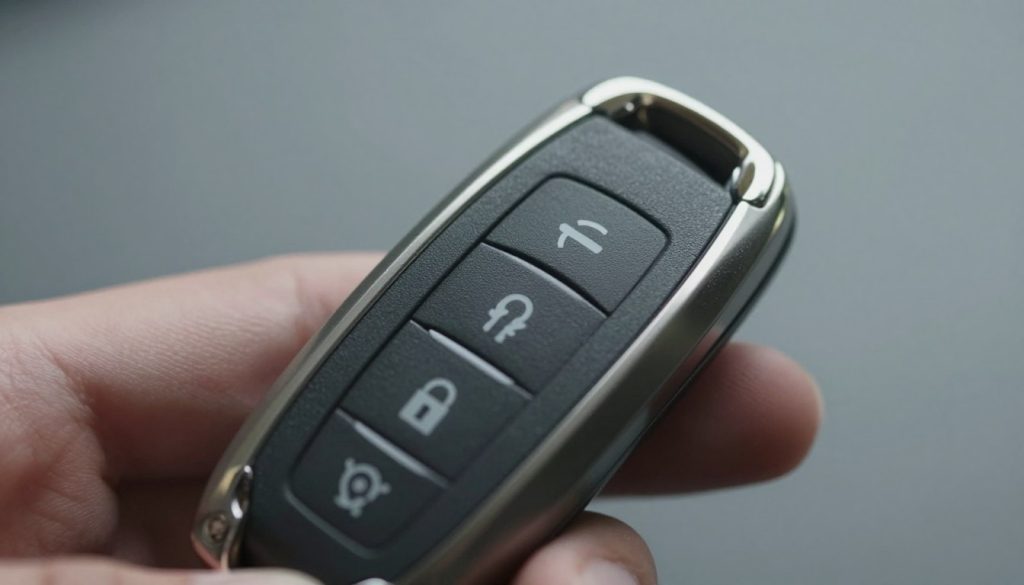
The most straightforward way to turn off your Porsche alarm system involves using your key fob correctly. This method works for the majority of alarm situations and should always be your first attempt when the alarm sounds.
Step-by-Step Key Fob Procedure
- Press the unlock button on your key fob once firmly. The alarm should deactivate immediately, and the vehicle’s lights will flash to confirm receipt of the signal.
- If the alarm continues, press the lock button once, wait three seconds, then press unlock again. This sequence can reset the alarm system’s trigger state.
- Stand closer to the vehicle if the initial attempts fail. Key fob range can be affected by interference from other electronic devices or low battery in the fob itself.
- Try using your spare key fob if available. A weak battery in your primary fob may prevent proper communication with the alarm system.
- After successfully deactivating the alarm, open the door within 30 seconds to prevent the system from rearming automatically.
Key Fob Battery Considerations
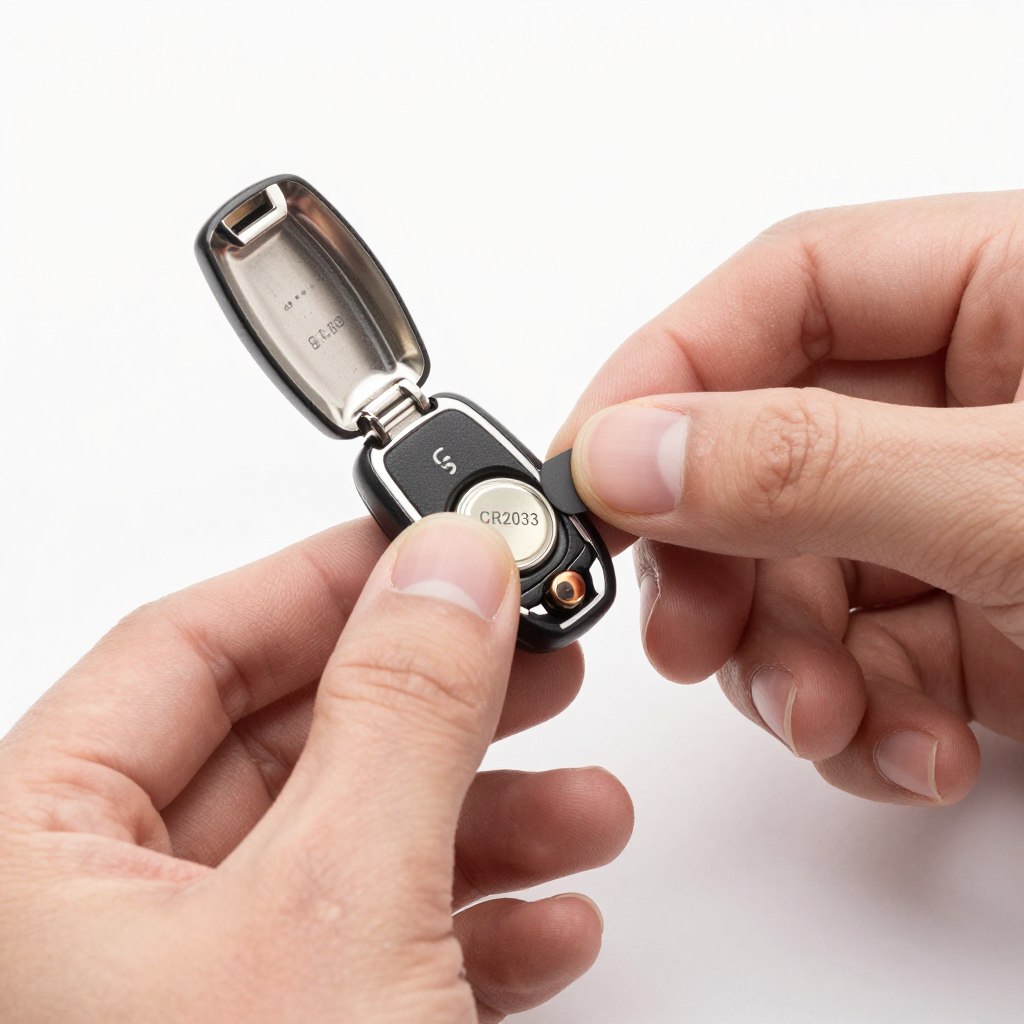
A weak key fob battery is one of the most common causes of alarm system issues. The fob may still unlock your doors but lack sufficient power to communicate properly with the anti-theft alarm system. Replace the battery (typically CR2032 for most Porsche models) if you notice reduced range or inconsistent response.
After battery replacement, you may need to resynchronize the key fob with your vehicle. Consult your owner’s manual for the specific synchronization procedure for your model year and Porsche alarm system variant.
Access Modern Alarm Management Tools
Upgrade your Porsche security experience with the My Porsche app. Manage your alarm system remotely, receive real-time notifications, and control security features from your smartphone. Compatible with 2016+ models equipped with Porsche Connect.
Manual Override and Emergency Procedures
When electronic methods fail, manual override procedures become necessary. These techniques prove invaluable when dealing with a dead key fob battery, electronic malfunction, or when you need to access the vehicle urgently while the alarm sounds.
Physical Key Entry Method
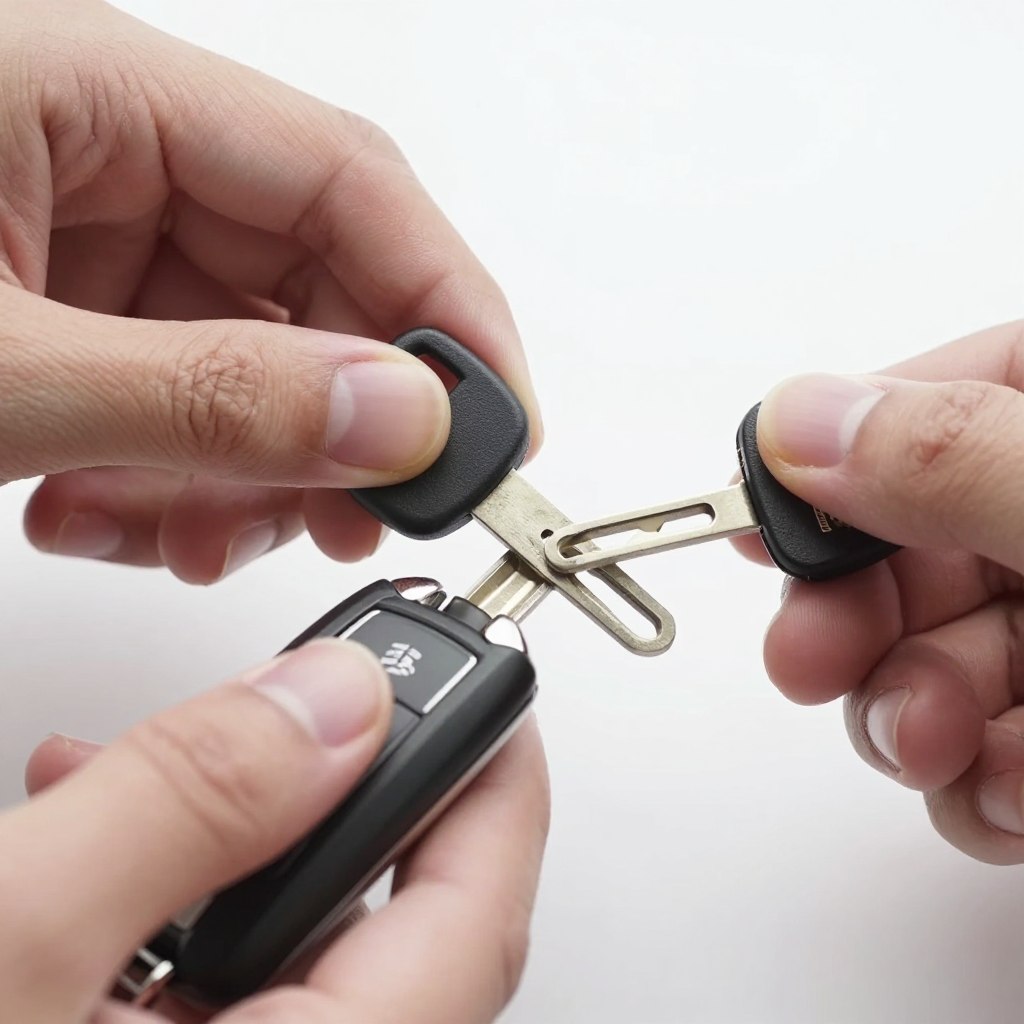
Most Porsche key fobs contain a removable physical key blade. Locate the release button or slide mechanism on your key fob and extract this emergency key. You’ll find a keyhole concealed beneath a cover on the driver’s door handle.
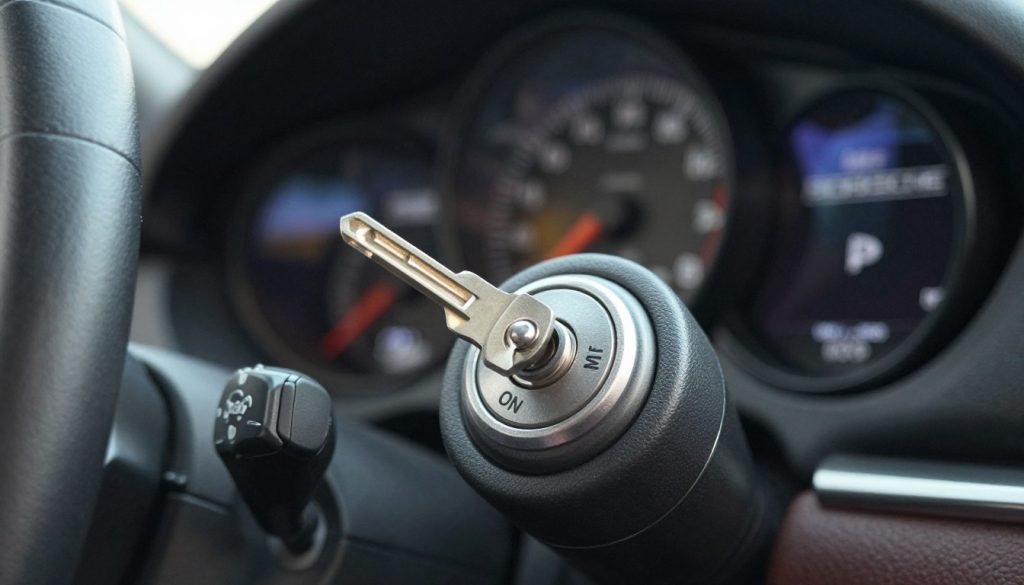
Insert the physical key and turn to unlock the door. Be prepared for the alarm to sound loudly when you open the door using this method. Once inside, immediately insert the key into the ignition and turn to the “On” position (don’t start the engine yet). This action should deactivate the alarm system within a few seconds.
Ignition Disarm Procedure
- Sit in the driver’s seat and close all doors to minimize the alarm’s sound impact on your surroundings.
- Insert the key into the ignition (or place the key fob in the designated holder for keyless ignition systems).
- Turn the key to the “On” position without starting the engine. Wait for the dashboard lights to illuminate fully.
- Hold this position for 10-15 seconds. The alarm system recognizes the authorized key and should deactivate.
- If the alarm persists, start the engine. The running engine typically overrides any active alarm signals.
- Allow the engine to run for at least one minute before attempting to turn it off and exit the vehicle.
Safety Note: If your alarm frequently triggers without cause or won’t deactivate through standard methods, discontinue attempts and seek professional assistance. Repeated override attempts may damage sensitive electronic components or mask underlying security system failures that require expert diagnosis.
For urgent situations where you cannot deactivate your Porsche alarm system and need immediate assistance, emergency automotive services can dispatch a qualified technician to your location. This service proves especially valuable during nighttime hours or in unfamiliar areas where the persistent alarm horn creates significant disturbance.
Advanced Troubleshooting for Persistent Alarms
When standard deactivation methods fail to silence your anti-theft alarm, systematic troubleshooting helps identify the root cause. Persistent alarm issues often indicate sensor malfunctions, wiring problems, or control module errors that require methodical diagnosis.
Common Alarm Trigger Causes
Sensor Malfunctions
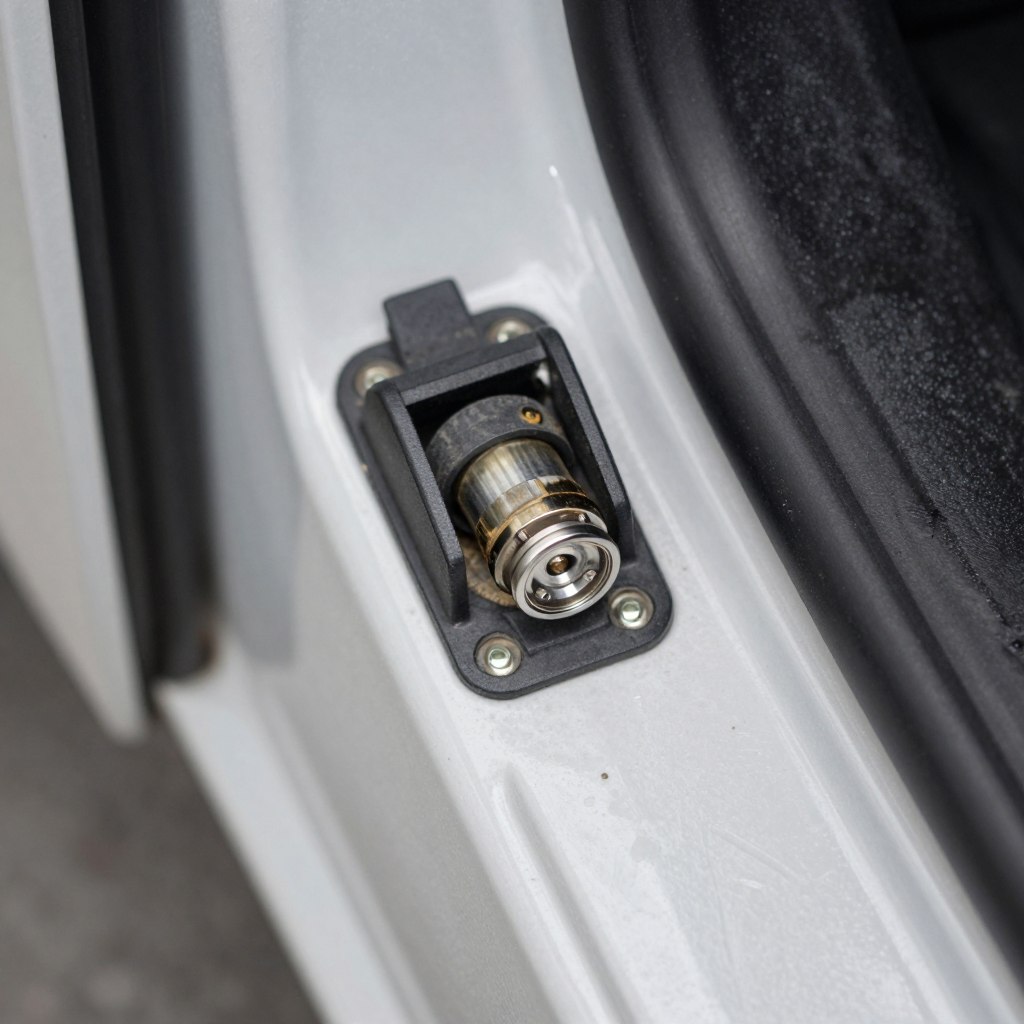
Door, hood, and trunk sensors can fail due to corrosion, physical damage, or misalignment. A sensor stuck in the “open” position continuously signals a breach, triggering the alarm repeatedly.
Test each sensor by observing which action triggers the alarm. If opening a specific door always activates the system, that sensor likely requires cleaning, adjustment, or replacement.
Wiring Issues
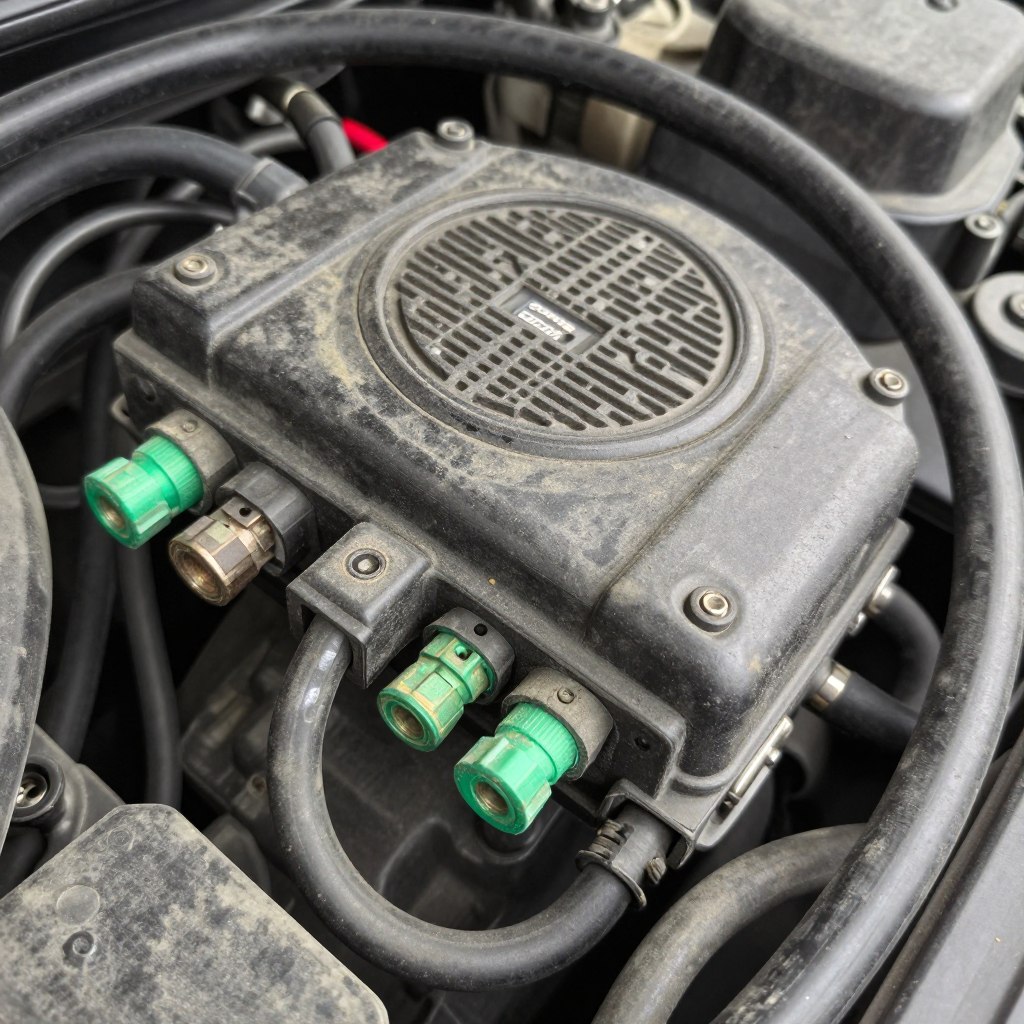
Damaged or corroded wiring creates false signals that the control module interprets as security breaches. Water intrusion, rodent damage, or age-related deterioration commonly affect alarm system wiring.
Inspect visible wiring for signs of damage, particularly around the alarm siren, door jambs, and hood area. Look for chewed insulation, green corrosion on connectors, or exposed copper wire.
Low Battery Voltage
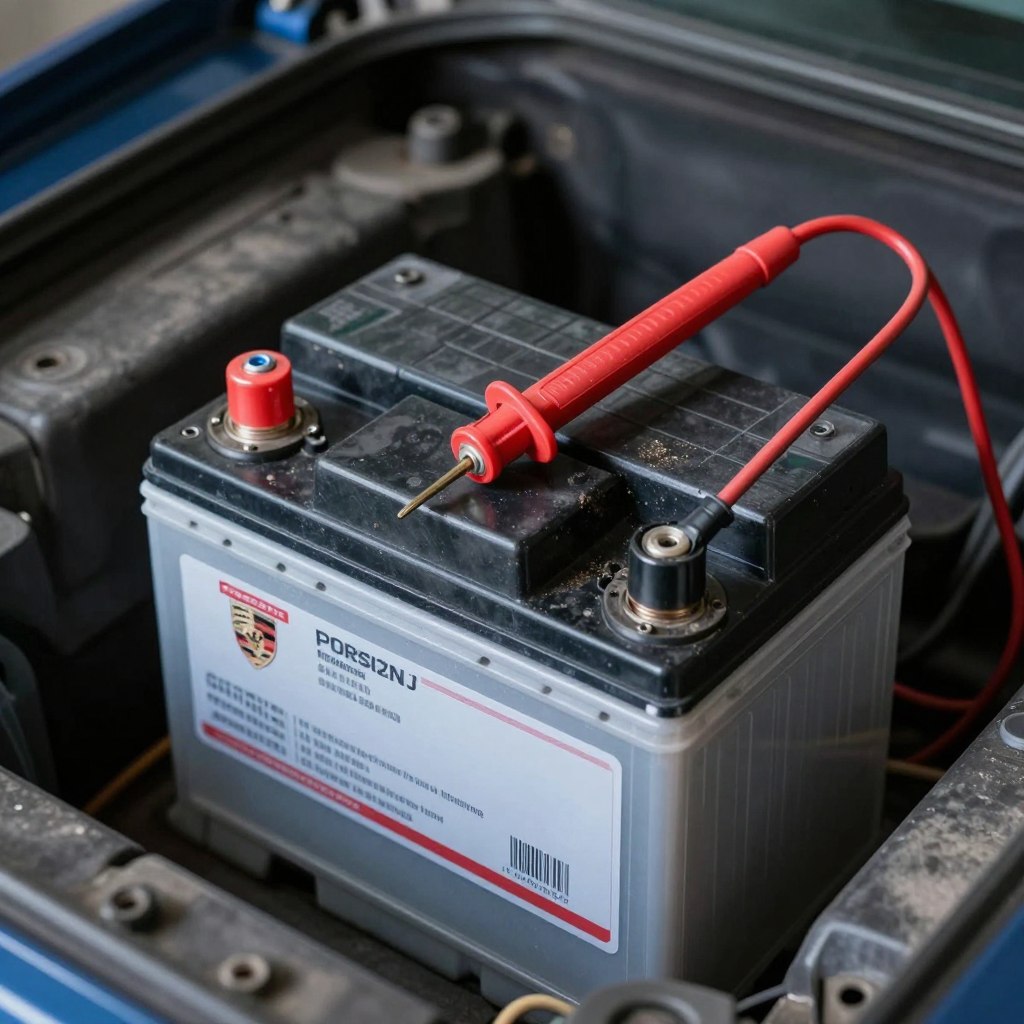
The alarm system becomes hypersensitive when the vehicle battery voltage drops below optimal levels. Small voltage fluctuations that normally wouldn’t trigger the system can cause false alarms when the battery is weak.
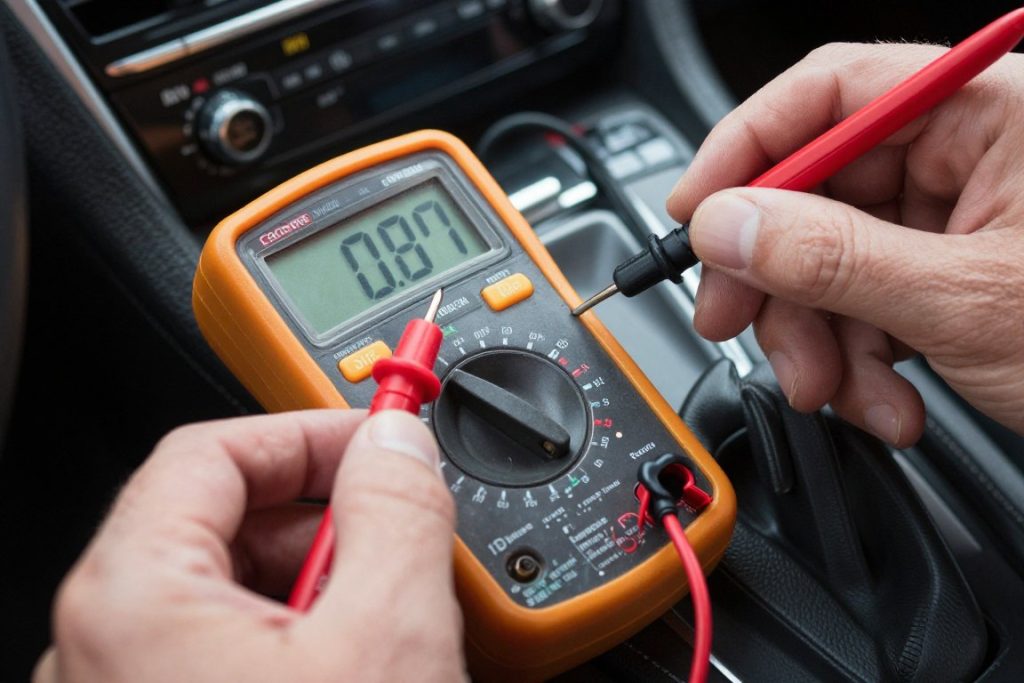
Have your battery tested if alarms occur frequently, especially during cold weather. A battery showing less than 12.4 volts when the vehicle is off may cause erratic alarm behavior.
Systematic Diagnostic Approach
- Document when the alarm triggers. Note time of day, weather conditions, and any specific actions that preceded activation. Patterns often reveal the cause.
- Check all entry points. Ensure doors, hood, and trunk close properly and latch completely. Worn latches can create intermittent contact that triggers the system.
- Clean all sensor contact points. Use electrical contact cleaner on door jamb sensors, hood switch, and trunk latch sensor. Corrosion prevents proper circuit completion.
- Inspect the alarm horn and anti-theft alarm siren. These components can fail internally, causing continuous activation regardless of the control module’s commands.
- Test battery voltage with the engine off. Voltage should read 12.6V or higher for a healthy battery. Below 12.4V indicates charging issues or battery replacement needs.
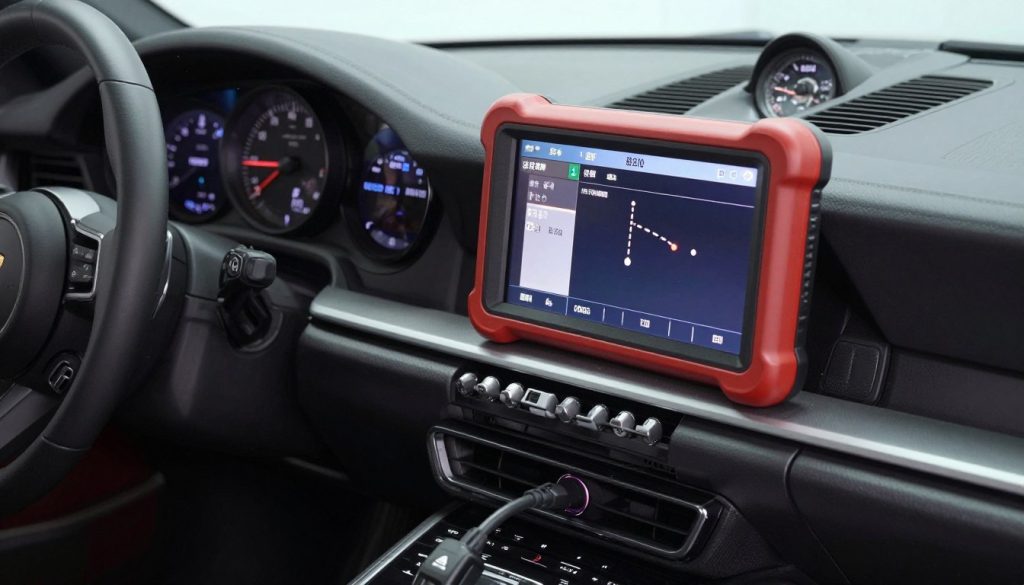
- Check for diagnostic trouble codes. A professional scan tool can read codes stored in the alarm control module that indicate specific sensor or circuit faults.
Pro Tip: If your Porsche Macan or other model equipped with the My Porsche app shows alarm system errors, the app often displays specific fault information that helps pinpoint the problem. Check the app’s vehicle status section for security system alerts before beginning physical diagnostics.
Component Testing Procedures
Testing individual alarm system components requires methodical isolation. Disconnect one sensor at a time and observe whether the alarm behavior changes. This process identifies which component causes the malfunction without replacing parts unnecessarily.
For models with Porsche Connect services, the system can be temporarily disabled through the My Porsche app when visiting a workshop. This feature prevents false alarms during maintenance while preserving your security settings.
Always reconnect components immediately after testing. An open sensor circuit may prevent the alarm from functioning when you need it, leaving your vehicle vulnerable to actual theft.
| Symptom | Likely Cause | Diagnostic Test | Solution |
| Alarm triggers when opening specific door | Faulty door sensor or wiring | Test sensor continuity with multimeter | Clean or replace door sensor |
| Alarm sounds randomly without trigger | Control module fault or low battery | Check battery voltage and scan codes | Charge battery or replace control module |
| Alarm won’t deactivate with key fob | Key fob battery or receiver issue | Try spare key fob, check fob battery | Replace fob battery or repair receiver antenna |
| Alarm triggers only in cold weather | Weak battery or cold-sensitive sensor | Load test battery, check voltage drop | Replace battery, insulate sensor connections |
| Alarm siren continues after deactivation | Stuck alarm horn relay or faulty siren | Listen for relay clicking, inspect siren | Replace alarm siren or control module |
Model-Specific Alarm Deactivation Procedures
Different Porsche models incorporate varying alarm system architectures. Understanding your specific model’s configuration ensures you follow the most effective deactivation procedure for your vehicle.
Porsche Macan Alarm System
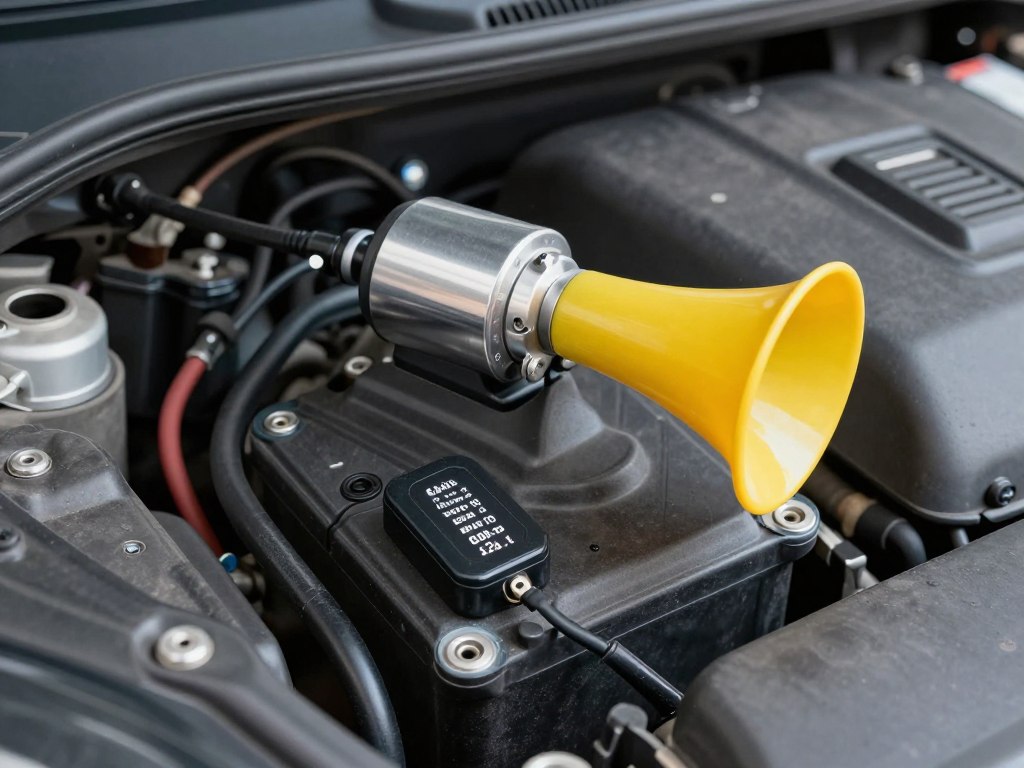
The Porsche Macan features an integrated alarm system with motion sensors, tilt detection, and glass breakage monitoring. The alarm siren mounts in the left front wheel well area, accessible by removing the inner fender liner.
To disable the interior motion sensor (useful when leaving pets or children in the vehicle briefly), press the lock button on the key fob twice within three seconds. The hazard lights flash three times to confirm that the interior monitoring is deactivated for that lock cycle.
Macan models from 2015 onwards use part number 95B951097B for the alarm horn and PAB951605 for the main siren component. These parts interchange across model years with minimal variation.
Porsche Cayenne and Cayenne Hybrid
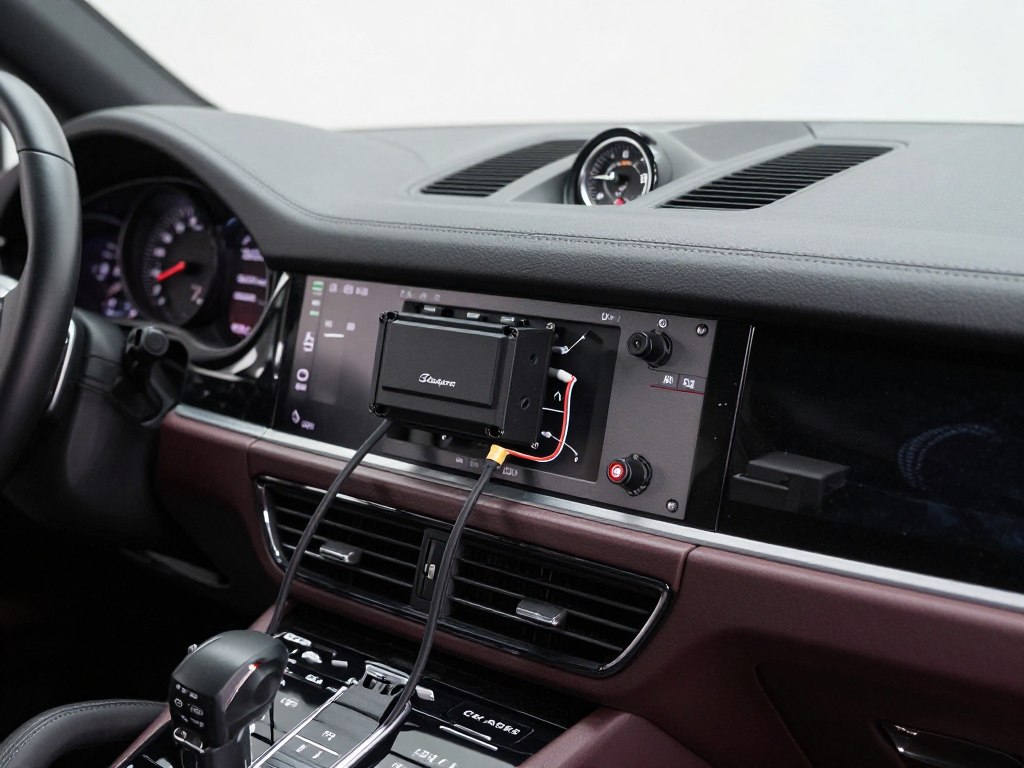
Cayenne models employ dual-zone alarm monitoring with separate sensors for the cabin and cargo area. The system can trigger independently if either zone detects intrusion, helping you identify which area caused the alarm.
For Cayenne Hybrid models, the alarm system integrates with the high-voltage battery management system. Never attempt to disconnect the 12V battery while the alarm sounds, as this can create fault codes in the hybrid system that require dealer-level reset procedures.
The Cayenne’s alarm control module communicates with up to 16 different sensors simultaneously. This complexity makes professional diagnosis worthwhile when troubleshooting persistent issues, as multiple sensor faults can create confusing symptom patterns.
911, Panamera, and Sport Models
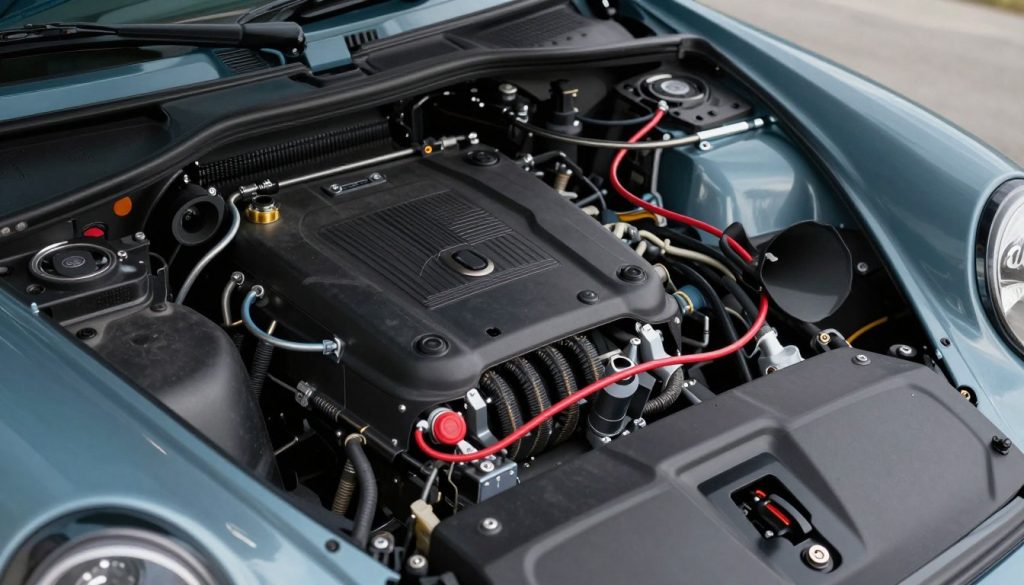
Sports models including the 911 Turbo, Boxster Spyder, and Cayman incorporate tilt sensors that detect when the vehicle is being lifted (such as during tow truck theft attempts). These sensors can trigger false alarms if the vehicle is parked on an unstable surface or if suspension settles overnight.
Panamera hybrid models from 2017 onwards include GPS tracking as standard equipment when equipped with Porsche Connect. The Security Operations Centre can track your vehicle’s location if stolen, even after the alarm has been forcibly deactivated. This system operates independently of the audible alarm and provides recovery assistance through law enforcement coordination.
Standard Features
All current Porsche models include these alarm system components as standard equipment:
- Perimeter monitoring (doors, hood, trunk)
- Interior motion detection
- Tilt sensor (detects lifting/towing)
- Battery backup siren
- Key fob panic button
- Automatic rearming after 30 seconds
Optional Upgrades
Enhanced security features available through Porsche Connect services:
- GPS vehicle tracking
- Remote alarm management via app
- Security Operations Centre monitoring
- Push notifications for alarm events
- Silent tracking mode for theft recovery
- Geofencing alerts
Maintenance Schedule
Keep your alarm system functioning reliably with regular maintenance:
- Replace key fob battery annually
- Clean sensor contacts every 6 months
- Test alarm function monthly
- Inspect wiring during service intervals
- Update software when available
- Check siren operation during battery service
Common Part Numbers
Reference these part numbers when ordering replacement components:
- 95B951097B – Macan alarm horn
- PAB951605 – Universal alarm siren
- 958907064J – Control module (Macan)
- 8T1951285 – Siren mount bracket
- PAF015082 – Mounting hardware
- 1K0951605C – Alternate siren (Cayenne)
Preventing False Alarms and System Maintenance
Proactive maintenance prevents most alarm system issues before they create problems. Regular care extends component life and ensures your security system functions reliably when you need protection from theft.
Essential Maintenance Tasks
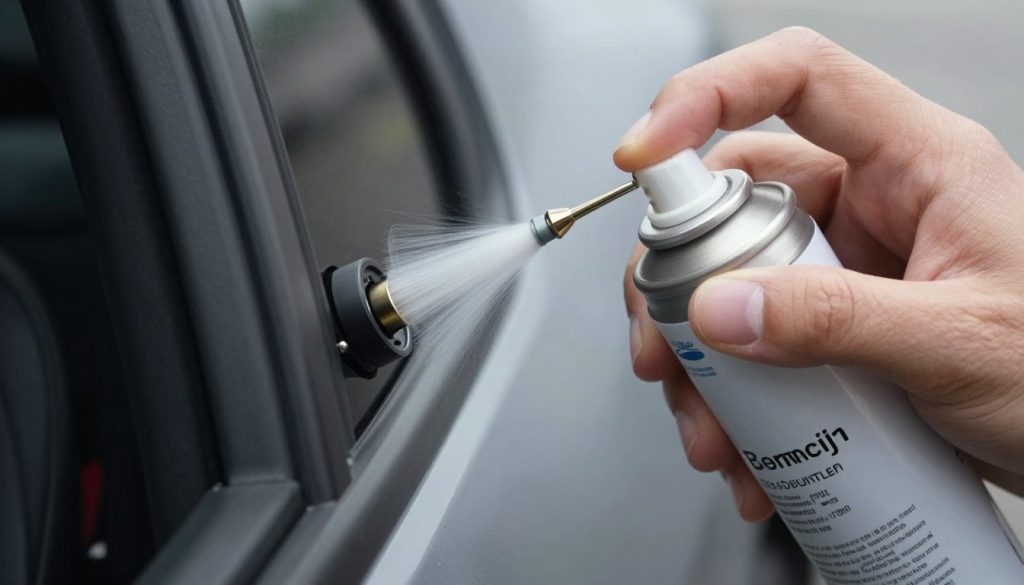
- Clean all sensor contacts quarterly. Use electrical contact cleaner on door jamb switches, hood latch sensor, and trunk switch. These exposed components accumulate dirt and moisture that creates false triggers.
- Lubricate moving parts annually. Apply silicone-based lubricant to door latches, hood mechanism, and trunk hinges. Smooth operation ensures sensors properly detect open/closed states.
- Test the complete system monthly. Arm the alarm and trigger it intentionally by opening a door. Verify that the alarm horn sounds properly and that deactivation works with your key fob.
- Inspect wiring during routine service. Look for signs of rodent damage, corrosion, or chafing where wires pass through body panels. Address any damage immediately to prevent system failure.
- Replace the vehicle battery proactively. Don’t wait for battery failure. Most batteries last 4-6 years, but weak batteries cause alarm system irregularities months before complete failure.
- Update software when available. Porsche periodically releases alarm system software updates that improve reliability and add features. Have these installed during regular service visits.
Environmental Considerations

Environmental factors significantly impact alarm system reliability. Extreme temperature changes, high humidity, and exposure to salt air accelerate component deterioration and increase false alarm frequency.
Park in covered, climate-controlled spaces when possible. This single practice extends the life of all electronic components, including the sensitive alarm control module and sensors. If garage parking isn’t available, consider a car cover that shields electronics from direct weather exposure.
Coastal environments pose particular challenges. Salt air causes rapid corrosion of electrical connections. Owners in these areas should increase cleaning frequency to every two months and apply dielectric grease to all electrical connectors to prevent corrosion.
Seasonal Considerations
Summer Precautions
- High temperatures can cause sensor drift, increasing sensitivity
- Interior heat buildup may trigger motion sensors erroneously
- Battery voltage fluctuates more in extreme heat
- Disable interior sensors when parking in direct sunlight
- Consider a reflective windshield cover to reduce cabin temperatures
- Check battery condition before summer road trips
Winter Challenges
- Cold weather reduces battery capacity by up to 40%
- Ice can prevent doors from fully closing, triggering alarms
- Metal contraction may cause intermittent sensor contact
- Moisture freezing in connectors creates circuit problems
- Ensure battery is fully charged before cold weather arrives
- Clear ice from all entry points before attempting to arm alarm
Long-Term Storage Procedures
When storing your Porsche for extended periods (more than two weeks), special alarm system considerations apply. The alarm system continues drawing power even when the vehicle sits unused, potentially draining the battery over time.
- Connect a battery maintainer to prevent voltage drop during storage. These devices keep the battery fully charged without overcharging, ensuring the alarm system has adequate power.
- Disable interior motion sensors if storing the vehicle where rodents may be present. Movement inside the cabin will trigger false alarms repeatedly.
- Lock the vehicle but don’t arm the alarm if storage exceeds 30 days. This prevents repeated alarm activations if temperature changes or settling causes sensor fluctuations.
- Document the alarm system’s operational state before storage. Test all functions to establish a baseline for comparison when returning the vehicle to service.
- Upon returning to service, inspect all entry points and test each sensor individually before relying on the alarm for security.
Did You Know? The Porsche Car Security Package available through Porsche Connect includes 24/7 monitoring by a Security Operations Centre. When your alarm triggers, they receive immediate notification and can contact you or dispatch assistance. This service adds a professional layer of protection beyond the standard alarm system’s audible deterrent.
When to Seek Professional Alarm System Service
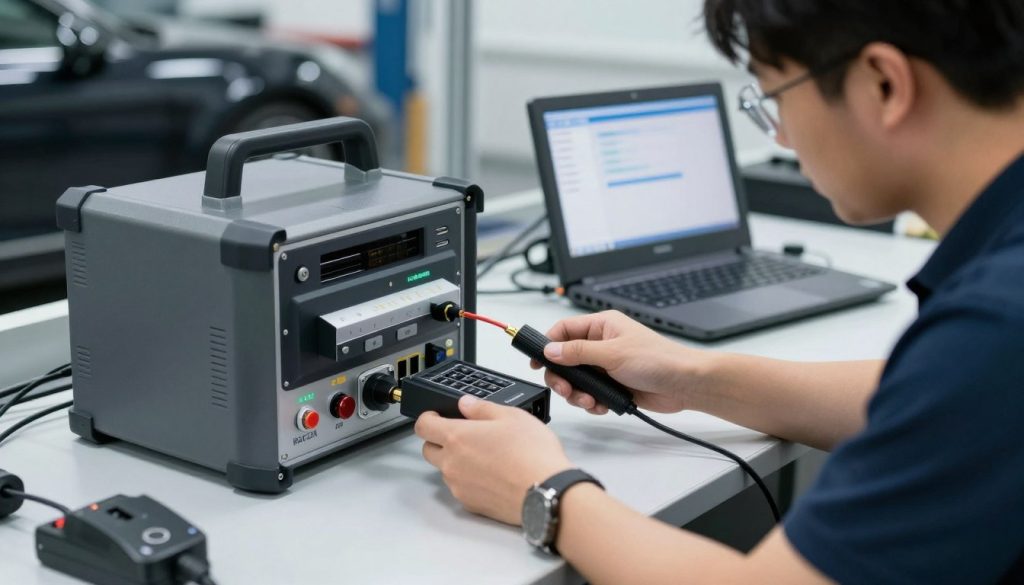
While many alarm issues respond to DIY troubleshooting, certain situations require professional diagnostic equipment and expertise. Recognizing when to seek help prevents further damage and ensures your security system functions correctly.
Indicators for Professional Diagnosis
Electrical System Errors
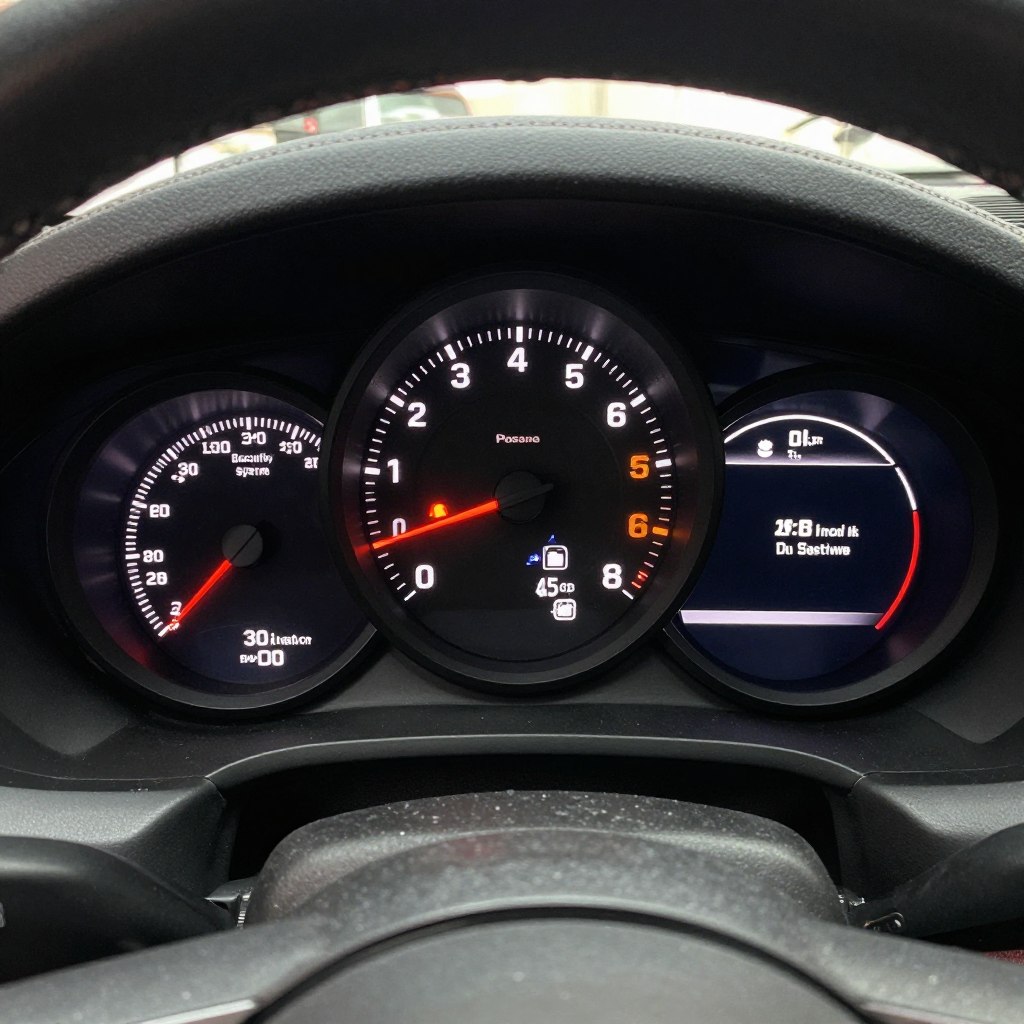
Multiple warning lights on the dashboard alongside alarm issues indicate complex electrical problems. The control module may have detected faults that require scan tool diagnosis to identify properly.
Professional technicians access fault codes that reveal specific circuit failures, sensor malfunctions, or module communication errors invisible to DIY diagnosis.
Water Damage
If you’ve experienced water intrusion in the vehicle, the alarm control module may have sustained damage. These modules contain sensitive electronics that fail unpredictably after exposure to moisture.
Professional service includes proper module replacement, wiring inspection, and programming to ensure all security features function correctly after water damage repair.
Communication Failures
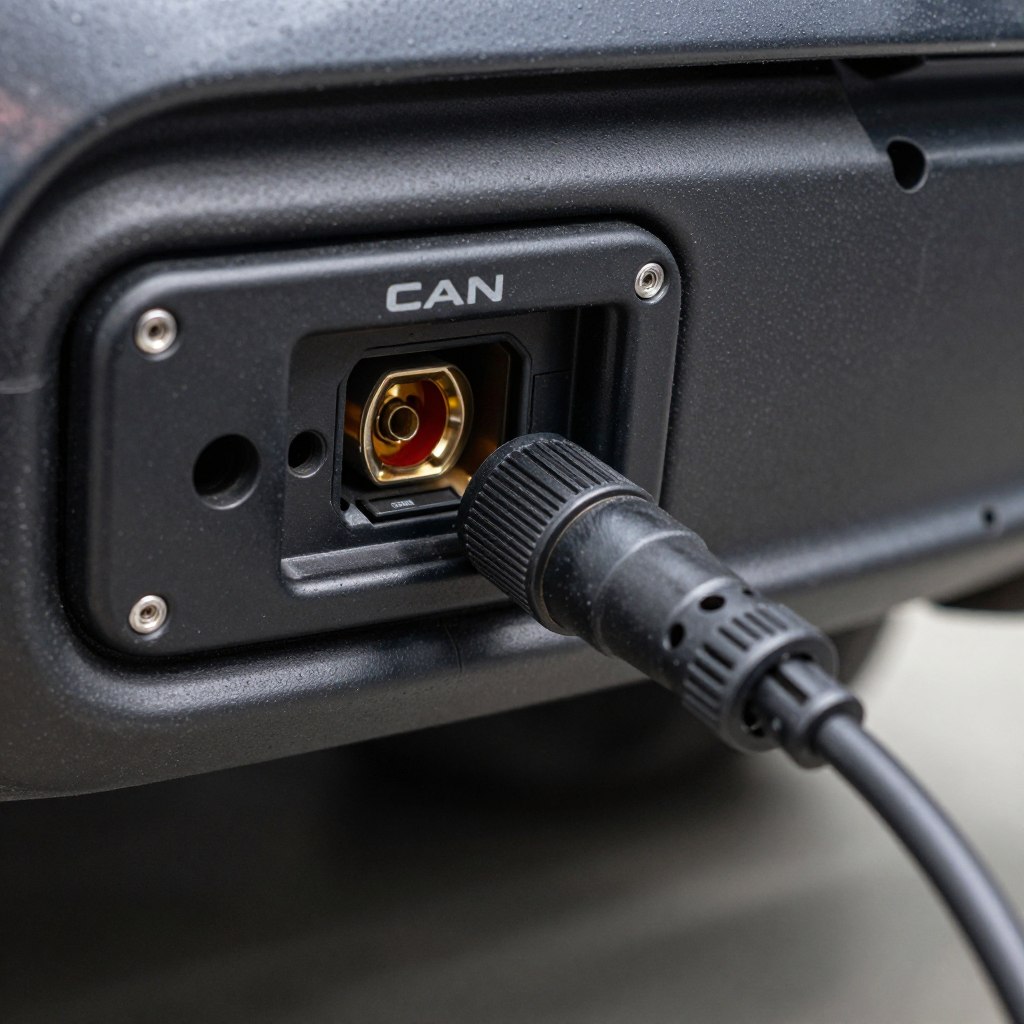
Modern Porsche vehicles use CAN bus communication between modules. If the alarm system can’t communicate with other vehicle systems, only dealer-level diagnostic equipment can identify the network failure point.
Attempting repairs without proper diagnostics may create additional problems in interconnected systems like the keyless entry or immobilizer.
Choosing the Right Service Provider
Authorized Porsche Dealer Benefits
- Factory-trained technicians with model-specific expertise
- Access to latest software updates and technical bulletins
- Genuine OEM parts guaranteed for proper fit and function
- Warranty protection for repairs on newer vehicles
- Specialized diagnostic equipment for all Porsche systems
- Direct access to Porsche technical support for complex issues
Independent Specialist Considerations
- Often lower labor rates than dealer service departments
- May offer more flexible scheduling and faster turnaround
- Personal service with dedicated attention to your vehicle
- Verify they have Porsche-specific diagnostic equipment
- Check for certifications and Porsche experience
- Ensure they use genuine or OEM-equivalent parts
Important: Modifications to the alarm system or using non-genuine parts may void your vehicle warranty and can compromise security effectiveness. Always consult authorized service providers for warranty-covered vehicles, and document any work performed for insurance purposes.
Cost Considerations for Professional Service
| Service Type | Typical Time | Estimated Cost Range | When Needed |
| Basic diagnostic scan | 30-60 minutes | $100-$200 | Persistent issues after DIY troubleshooting |
| Sensor replacement (single) | 45-90 minutes | $150-$350 | Confirmed sensor failure at specific location |
| Alarm siren replacement | 1-2 hours | $400-$700 | Continuous alarm horn sound or no sound |
| Control module replacement | 2-3 hours | $600-$1,200 | Multiple system failures or water damage |
| Complete system diagnosis | 2-4 hours | $300-$600 | Intermittent or multiple unexplained issues |
| Wiring harness repair | 2-5 hours | $400-$1,000 | Confirmed wiring damage or corrosion |
These estimates reflect typical costs at authorized Porsche dealers in the United States as of 2024. Independent specialists may charge 20-40% less for labor while maintaining quality standards. Always request written estimates before authorizing repair work, and ask about warranty coverage for parts and labor.