Modern vehicles, especially high-performance cars like Porsche, rely heavily on sophisticated electronic systems to manage engine performance. The Digital Motor Electronics (DME) system is crucial for ensuring optimal engine operation. However, when the DME system fails, it can lead to a range of problems that affect the vehicle’s overall performance and reliability.
Recognizing the symptoms of DME failure early on is vital for preventing further damage and costly repairs. Issues with the DME system can manifest in various ways, including engine misfires, decreased performance, and erratic behavior. For those familiar with similar issues in other luxury vehicles, understanding DME failure symptoms is key to maintaining their Porsche’s health.
Key Takeaways
- Early detection of DME failure symptoms is crucial for preventing further damage.
- DME system issues can lead to engine misfires and decreased performance.
- Regular maintenance is essential for identifying potential problems early.
- Understanding DME failure symptoms can help Porsche owners avoid costly repairs.
- Recognizing the signs of DME failure can ensure the longevity of the vehicle.
Understanding Your Porsche’s DME System
Understanding the Digital Motor Electronics (DME) system is essential for any Porsche owner, as it directly impacts the vehicle’s performance. The DME system is a sophisticated computer that controls and monitors various aspects of the engine, ensuring optimal performance, efficiency, and reliability.
What Is the Digital Motor Electronics (DME) Unit?
The Digital Motor Electronics (DME) unit is a computerized engine control system that manages and regulates various engine functions, including fuel injection, ignition timing, and emissions control. It is essentially the brain of the engine, making real-time adjustments to optimize performance and efficiency.
The DME unit receives data from numerous sensors throughout the vehicle, allowing it to make informed decisions about engine operation. This complex system is designed to provide a balance between power, efficiency, and emissions compliance.
The Role of DME in Your Porsche’s Performance
The DME system plays a crucial role in maintaining your Porsche’s performance by continuously monitoring and adjusting engine parameters. It ensures that the engine operates within optimal parameters, providing the best possible balance between power and efficiency.
A properly functioning DME system is essential for maintaining the high-performance characteristics of your Porsche. It enables the engine to produce the desired level of power while minimizing emissions and maintaining fuel efficiency.
Common Causes of DME Failure in Porsche Vehicles
DME failure can be caused by a variety of factors, including electrical system malfunctions, software issues, and environmental factors such as moisture and heat. Understanding these potential causes can help Porsche owners take preventive measures to minimize the risk of DME failure.
- Electrical surges or voltage fluctuations can damage the DME unit.
- Software glitches or outdated software can lead to DME malfunction.
- Exposure to extreme temperatures or moisture can compromise DME functionality.
Porsche DME Failure Symptoms: Common Signs to Watch Out For
Identifying the symptoms of DME failure in your Porsche is crucial for preventing further damage and costly repairs. The Digital Motor Electronics (DME) system is a sophisticated component that controls various aspects of your vehicle’s performance. When it fails, it can manifest in several ways, making it essential to recognize the warning signs early.
Overview of Primary Warning Signs
Some common symptoms of DME failure include:
- Illumination of the check engine light
- Engine stalling or failure to start
- Poor engine performance and reduced power
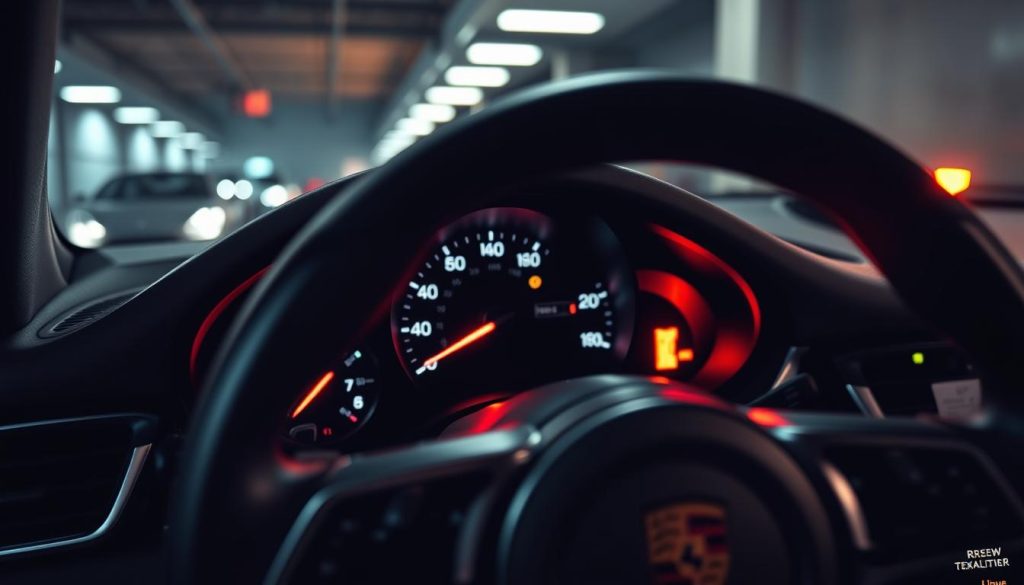
- Erratic or faulty dashboard gauges
- Unusual or unexplained error messages
For a more detailed understanding of dashboard warning lights, you can refer to our guide on Porsche dashboard symbols and meanings.
How DME Symptoms Differ Across Porsche Models
DME failure symptoms can vary across different Porsche models due to differences in their engine management systems and software. For instance:
| Porsche Model | Common DME Failure Symptoms |
|---|---|
| 911 | Engine stalling, check engine light |
| Boxster | Poor engine performance, faulty gauges |
| Cayman | Unusual error messages, reduced power |
Why Early Detection Matters for Your Porsche
Early detection of DME failure symptoms is critical because it allows for timely intervention, potentially saving you from more severe problems and expensive repairs. Ignoring these signs can lead to further damage to your Porsche’s engine and other components, resulting in costly fixes.
Prompt diagnosis and repair can help maintain your Porsche’s performance and longevity.
Engine Starting and Stalling Issues
When your Porsche experiences difficulties starting or stalls unexpectedly, it could be a sign of DME failure, a critical component in modern Porsche vehicles. The Digital Motor Electronics (DME) system plays a vital role in managing your engine’s performance, and any malfunction can lead to various operational issues.
Hard Starting or No-Start Conditions
One of the most common indicators of DME failure is hard starting or a no-start condition. If your Porsche struggles to start or fails to start altogether, it may be due to the DME’s inability to properly manage fuel injection and ignition timing. This issue can be particularly frustrating, especially if it occurs frequently or under specific conditions.
Random Stalling During Operation
Random stalling is another symptom that could point to DME failure. If your Porsche’s engine stalls while driving, it can be dangerous and is often a sign of an underlying issue with the DME system. This stalling can occur at any time, whether you’re idling or driving at high speeds, and may be accompanied by other warning signs such as dashboard lights or unusual noises.
Engine Cranks But Won’t Fire
In some cases, the engine may crank but fail to fire, indicating a problem with the ignition or fuel system, both of which are controlled by the DME. This issue can be particularly puzzling as it suggests that while the starter motor and battery are functioning, there’s a deeper problem preventing the engine from running.
Sudden Loss of Power While Driving
A sudden loss of power while driving is a serious symptom that warrants immediate attention. This could be due to DME failure causing improper fuel injection, ignition timing issues, or other performance-related problems. It’s crucial to diagnose the cause promptly to avoid potential safety hazards.
| Symptom | Possible Cause | Recommended Action |
|---|---|---|
| Hard Starting or No-Start | DME failure affecting fuel injection and ignition timing | Diagnostic scan to check DME fault codes |
| Random Stalling | DME malfunction causing irregular engine operation | Monitor dashboard warning lights and perform a DME system check |
| Engine Cranks But Won’t Fire | Issue with ignition or fuel system controlled by DME | Inspect ignition and fuel system components, check DME functionality |
| Sudden Loss of Power | DME failure affecting engine performance | Immediate diagnostic scan, potentially replace DME if faulty |
Understanding these symptoms and their potential causes is crucial for diagnosing and addressing DME-related issues in your Porsche. By recognizing the signs early, you can take proactive steps to maintain your vehicle’s performance and safety.
Dashboard Warning Lights and Error Messages
Understanding the dashboard warning lights and error messages is crucial for diagnosing DME issues in Porsche vehicles. These visual cues can provide early warnings of potential problems, allowing for timely intervention.
Check Engine Light Patterns and Behavior
The check engine light is a primary indicator of issues within your Porsche’s engine management system, including the DME. Different patterns and behaviors of this light can signal various problems. For instance, a steady light may indicate a less urgent issue, while a flashing light often signifies a more serious problem that requires immediate attention.
Key behaviors to watch for include:
- A light that remains on constantly
- A light that flashes or blinks
- A light that illuminates only under certain conditions, such as when the engine is cold or when accelerating
Multiple Warning Lights Illuminating Simultaneously
When multiple warning lights appear at the same time, it can indicate a more complex issue or a fault that affects multiple systems. This could be related to the DME system, electrical issues, or other critical engine management problems.
Common combinations include:
- Check engine light along with the temperature warning light, potentially indicating an overheating issue related to DME failure
- Check engine light with the oil pressure light, suggesting a problem that could be linked to DME malfunction
Porsche-Specific DME Fault Codes
Porsche vehicles use specific fault codes to help diagnose issues with the DME system. Understanding these codes is essential for accurate diagnosis and repair.
| Fault Code | Description | Potential Cause |
|---|---|---|
| P0601 | Internal Control Module Memory Check Sum Error | DME software issue or hardware failure |
| P0603 | Internal Control Module Keep Alive Memory (KAM) Error | Power supply issue to the DME or internal fault |
| P0606 | ECM/PCM Processor Fault | DME processor malfunction |
These fault codes can be read using a compatible OBD-II scanner, providing valuable information for diagnosing DME-related issues.
Performance and Power Delivery Problems
A failing DME system can significantly impact your Porsche’s performance, leading to issues such as delayed throttle response and reduced power output. When the DME system is not functioning correctly, it can cause a range of problems that affect the overall driving experience.
Noticeable Power Loss and Reduced Performance
One of the primary indicators of DME failure is a noticeable decrease in your Porsche’s power and performance. This can manifest as sluggish acceleration or a general feeling of lethargy when driving. If you find that your vehicle is not responding as expected, it may be a sign that the DME system is compromised.
Throttle Response Delay and Hesitation
A delay in throttle response or hesitation when accelerating is another common symptom of DME failure. This can be particularly concerning as it affects the vehicle’s ability to accelerate smoothly and respond to driver input. The delayed throttle response can make the vehicle feel unresponsive and can be a safety concern in certain driving situations.
Limp Mode Engagement
In many cases, a failing DME system can cause the vehicle to enter limp mode, a safety feature designed to prevent further damage by limiting engine performance. Limp mode can significantly restrict your Porsche’s power output, making it difficult to drive normally. This is often accompanied by warning lights on the dashboard.
Misfiring and Rough Idle Conditions
Misfiring and rough idling are additional symptoms that can occur when the DME system fails. These issues can lead to a rough engine idle or the engine misfiring, particularly when idling or under load. Such conditions not only affect performance but can also lead to further engine damage if not addressed promptly.
| Symptom | Description | Possible Cause |
|---|---|---|
| Noticeable Power Loss | Reduced acceleration and performance | DME system failure affecting fuel injection or ignition timing |
| Throttle Response Delay | Hesitation or delay when accelerating | DME not processing throttle input correctly |
| Limp Mode Engagement | Restricted engine performance to prevent damage | DME system failure triggering limp mode |
| Misfiring and Rough Idle | Engine misfires or rough idling | DME failure affecting fuel injection or ignition |
Electrical and Sensor-Related Symptoms
Electrical and sensor-related problems are common indicators of DME failure in Porsches. The Digital Motor Electronics (DME) system plays a crucial role in managing various aspects of the vehicle’s performance, including fuel injection, ignition timing, and engine speed. When the DME system begins to fail, it can trigger a range of symptoms that affect the electrical and sensor systems.
Fuel System and Gauge Irregularities
One of the signs of DME failure is irregularities in the fuel system and gauges. This can manifest as inaccurate fuel level readings, erratic fuel pressure, or issues with the fuel pump. For instance, the fuel gauge may fluctuate wildly or stick at a particular level, making it difficult to determine the actual fuel quantity.
Additionally, problems with the fuel system can lead to decreased engine performance, hesitation, or stalling. It’s essential to address these issues promptly to avoid further damage to the engine and other components.
Erratic Tachometer and Speedometer Readings
Erratic readings on the tachometer and speedometer are another symptom of DME failure. The tachometer may jump erratically or fail to register engine speed correctly, while the speedometer may provide incorrect vehicle speed readings. These irregularities can be unsettling and may indicate a problem with the DME’s ability to accurately monitor and control engine functions.
Failed Communication with Diagnostic Tools
A failing DME system can also disrupt communication with diagnostic tools. Mechanics may find it challenging to establish a connection with the vehicle’s onboard computer, making it difficult to diagnose issues. This can lead to prolonged repair times and increased costs.
Intermittent Electrical Component Malfunctions
Intermittent malfunctions of electrical components are another common symptom of DME failure. This can include issues with lights, wipers, or other accessories that are controlled by the vehicle’s electrical system. In some cases, these malfunctions may be intermittent, making it challenging to diagnose the root cause.
In conclusion, electrical and sensor-related symptoms are critical indicators of DME failure in Porsche vehicles. By recognizing these signs, owners can take proactive steps to address the issue and prevent further damage to their vehicle.
Diagnosing DME Issues in Your Porsche
A thorough diagnosis is crucial for addressing DME-related issues in Porsche vehicles. The Digital Motor Electronics (DME) system plays a vital role in your car’s performance, and diagnosing issues with it requires a systematic approach.
Step 1: Perform an OBD-II Diagnostic Scan
The first step in diagnosing DME issues is to perform an OBD-II diagnostic scan. This scan helps identify any trouble codes stored in your Porsche’s onboard computer, providing valuable insights into potential problems.
- Connect an OBD-II scanner to your Porsche’s diagnostic port.
- Follow the scanner’s instructions to retrieve any stored trouble codes.
- Record the codes and consult your owner’s manual or a repair database for their meanings.
Step 2: Conduct a Visual Inspection of the DME Unit
After scanning for trouble codes, the next step is to visually inspect the DME unit. This involves checking for signs of physical damage or wear.
Checking for Water Damage and Corrosion
Inspect the DME unit for any signs of water damage or corrosion. Moisture can severely impact the DME’s functionality, so it’s crucial to check for any water ingress or corrosion on the connectors and circuitry.
Inspecting Electrical Connections
Ensure that all electrical connections to the DME unit are secure and free from corrosion. Loose or corroded connections can cause intermittent faults or complete system failure.
Step 3: Test DME Functionality with Professional Equipment
For a more in-depth diagnosis, it’s recommended to test the DME’s functionality using professional equipment. This step may require the assistance of a qualified mechanic or a Porsche specialist.
- Use a Porsche-specific diagnostic tool to test the DME’s operation.
- Monitor the DME’s performance under various operating conditions.
Step 4: Evaluate Repair Versus Replacement Options
Once you’ve diagnosed the issue with your Porsche’s DME, you’ll need to decide whether to repair or replace the unit. This decision depends on the nature and severity of the problem.
- Assess the cost of repair versus replacement.
- Consider the age and overall condition of your Porsche.
- Consult with a Porsche specialist to determine the best course of action.
Preventing DME Failures and Maintenance Tips
To keep your Porsche running smoothly, it’s essential to understand how to prevent DME failures. The Digital Motor Electronics (DME) system plays a critical role in your vehicle’s performance, and neglecting its maintenance can lead to costly repairs.
Maintaining Your Porsche’s Electrical System
A well-maintained electrical system is crucial for preventing DME failures. Ensure that all electrical connections are clean and secure. Regularly inspect the wiring and connectors for signs of wear or damage. Corrosion on electrical components can lead to DME malfunction, so it’s vital to address any issues promptly.
Additionally, avoid overloading your Porsche’s electrical system with aftermarket accessories, as this can put unnecessary strain on the DME unit. If you must install new components, ensure they are compatible with your vehicle’s electrical system.
Protecting the DME from Moisture and Heat
Moisture and heat are two primary enemies of your Porsche’s DME system. Ensure that the DME unit is properly sealed and protected from environmental elements. Regularly check the DME enclosure for signs of moisture intrusion, and address any issues immediately.
High temperatures can also damage the DME unit. Park your Porsche in shaded areas whenever possible, and avoid extreme temperatures. If you live in an area with high humidity, consider using a dehumidifier in your garage.
Battery Health and Voltage Stability
A healthy battery is essential for maintaining voltage stability, which is critical for the proper functioning of the DME system. Regularly check your Porsche’s battery voltage and ensure that it is within the recommended range.
Voltage fluctuations can damage the DME unit, so it’s crucial to address any battery-related issues promptly. Consider having your battery tested regularly, especially if your Porsche is more than a few years old.
Regular Software Updates and System Checks
Porsche regularly releases software updates for the DME system to improve performance and address potential issues. Ensure that your Porsche’s software is up to date by checking with your local dealership or using Porsche’s online resources.
Regular system checks can also help identify potential issues before they become major problems. Have your Porsche’s DME system checked during routine maintenance visits to catch any potential issues early.
Conclusion
Recognizing the symptoms of DME failure is crucial to maintaining your Porsche’s performance and preventing costly repairs. By understanding the common signs of DME failure, you can take proactive steps to ensure your vehicle’s longevity.
Regular Porsche DME maintenance is essential to preventing DME failure. This includes maintaining your Porsche’s electrical system, protecting the DME from moisture and heat, and ensuring battery health and voltage stability.
By following these tips and staying vigilant, you can help prevent DME failure and ensure a long-lasting and high-performance driving experience. Implementing DME failure prevention strategies will not only save you money but also enhance your overall driving experience.
Stay proactive in maintaining your Porsche’s health, and enjoy the thrill of driving a high-performance vehicle for years to come.
FAQ
What are the common symptoms of Porsche DME failure?
Common symptoms include engine starting and stalling issues, dashboard warning lights, performance and power delivery problems, and electrical and sensor-related symptoms.
How can I diagnose DME issues in my Porsche?
Diagnosing DME issues involves performing an OBD-II diagnostic scan, conducting a visual inspection of the DME unit, testing DME functionality with professional equipment, and evaluating repair versus replacement options.
What causes DME failure in Porsche vehicles?
Common causes of DME failure include water damage, corrosion, electrical surges, software issues, and hardware malfunctions.
Can I prevent DME failures in my Porsche?
Yes, you can prevent DME failures by maintaining your Porsche’s electrical system, protecting the DME from moisture and heat, ensuring battery health and voltage stability, and performing regular software updates and system checks.
What are the signs of DME failure in different Porsche models?
While the symptoms can vary across models, common signs include check engine light patterns, multiple warning lights illuminating simultaneously, and Porsche-specific DME fault codes.
How does DME failure affect my Porsche’s performance?
DME failure can cause noticeable power loss, throttle response delay, limp mode engagement, misfiring, and rough idle conditions, ultimately affecting your Porsche’s overall performance and reliability.
What is the role of the DME unit in my Porsche’s engine?
The DME unit controls various engine functions, including fuel injection, ignition timing, and engine speed, playing a critical role in your Porsche’s performance and efficiency.
Can a faulty DME unit cause my Porsche to stall or not start?
Yes, a faulty DME unit can cause engine starting and stalling issues, including hard starting or no-start conditions, random stalling during operation, and engine cranks but won’t fire.