When a Porsche coolant leak occurs without the engine overheating, it can be puzzling for car owners. Understanding the underlying cooling system issues is crucial to addressing the problem effectively.
The cooling system in a Porsche is designed to regulate engine temperature. A leak in this system can lead to various complications, including damage to the engine and other components. Identifying the cause of the leak and implementing the appropriate solution is vital.
This article will explore the common causes of coolant leaks in Porsche vehicles and provide insights into the effective solutions. By understanding these factors, Porsche owners can take proactive steps to maintain their vehicle’s health.
Key Takeaways
- Understanding the causes of a coolant leak is essential for effective troubleshooting.
- Cooling system issues can lead to significant engine damage if not addressed.
- Porsche owners can take proactive measures to prevent coolant leaks.
- Identifying the leak’s source is crucial for applying the correct solution.
- Regular maintenance can help mitigate cooling system problems.
Understanding Coolant Leaks in Porsche Vehicles
Coolant leaks in Porsche vehicles can be puzzling, especially when they’re not accompanied by overheating. To grasp why this happens, it’s essential to understand how the Porsche cooling system works.
How the Porsche Cooling System Works
The Porsche cooling system is designed to regulate engine temperature, ensuring optimal performance and preventing damage. It consists of several key components, including the radiator, water pump, thermostat, and coolant hoses. These parts work together to circulate coolant through the engine, absorbing heat and dissipating it through the radiator.
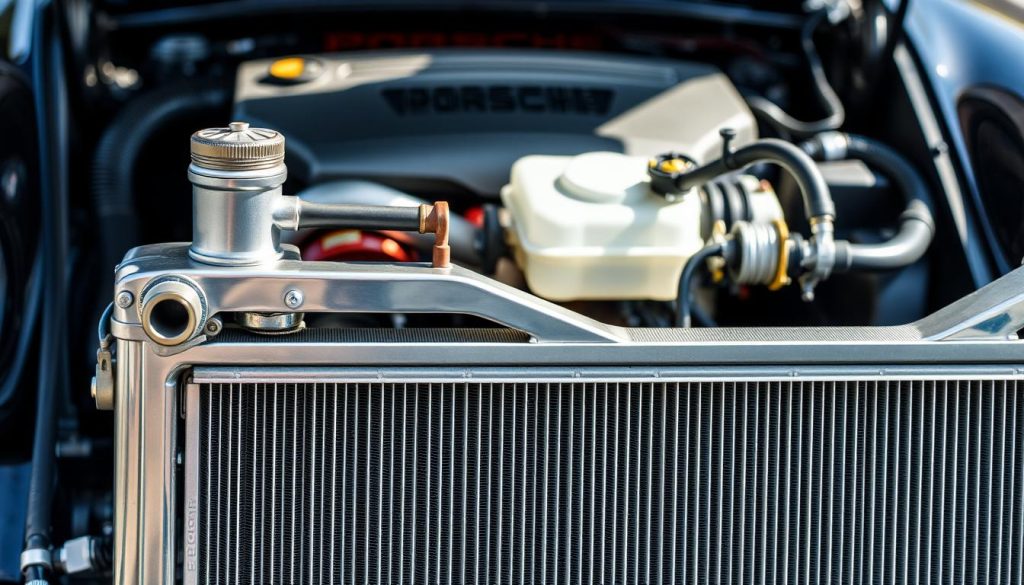
The system’s efficiency relies on the integrity of its components and their connections. Any deterioration or failure can lead to coolant leaks. For instance, a similar issue can occur in other vehicles, highlighting the importance of regular maintenance.
Why Coolant Leaks Can Occur Without Overheating
Coolant leaks don’t always result in immediate overheating because the cooling system is designed with redundancy and can often compensate for minor leaks. However, this doesn’t mean the issue should be ignored, as prolonged coolant loss can eventually lead to overheating and engine damage.
Several factors can contribute to coolant leaks without overheating, including the system’s ability to maintain pressure, the presence of coolant reserve tanks, and the vehicle’s ability to adjust engine parameters to compensate for the loss.
Model-Specific Considerations (911, Cayenne, Panamera, Macan)
Different Porsche models have unique aspects to their cooling systems. For example, the 911 and Cayenne models have distinct radiator and coolant hose configurations. Understanding these differences is crucial for diagnosing and repairing coolant leaks.
| Porsche Model | Cooling System Characteristics | Common Leak Areas |
|---|---|---|
| 911 | Dual radiator setup for enhanced cooling | Radiator hoses, water pump |
| Cayenne | High-performance cooling for SUV demands | Coolant hoses, radiator |
| Panamera | Advanced thermostat for optimal engine temperature | Thermostat housing, expansion tank |
| Macan | Compact cooling system for efficient performance | Water pump, coolant pipes |
By understanding the specifics of your Porsche model’s cooling system, you can better identify potential leak sources and take corrective action.
Common Causes of Porsche Leaking Coolant but Not Overheating
tag, adhering to the specified guidelines and requirements.
Diagnosing Coolant Leaks in Your Porsche
Identifying a coolant leak in your Porsche involves several steps, from visual inspections to advanced diagnostic techniques. Diagnosing the issue correctly is crucial for effective repairs and to prevent further damage to your vehicle.
Required Tools and Safety Precautions
Before starting the diagnosis, it’s essential to gather the necessary tools and take the required safety precautions. You’ll need a set of basic tools like wrenches, pliers, and screwdrivers, as well as some specialized equipment such as a cooling system pressure tester and UV dye.
Safety first: Always ensure the engine is cool before beginning any inspection or repair. Wear protective gloves and eyewear to prevent injury from sharp edges or chemical splashes.
Step-by-Step Visual Inspection Process
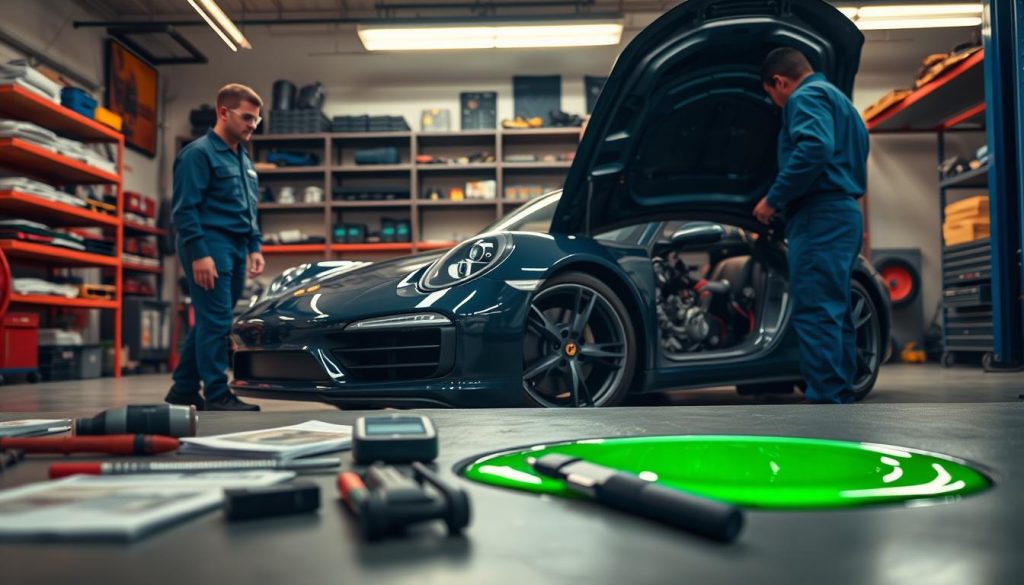
A thorough visual inspection is the first step in diagnosing a coolant leak. Start by checking the coolant level and looking for signs of leakage around the radiator, hoses, water pump, and thermostat housing.
- Inspect the radiator and condenser for any signs of damage or corrosion.
- Check the hoses and connections for deterioration or loose fittings.
- Examine the water pump for leaks or signs of wear.
- Look for coolant residue around the thermostat housing and expansion tank.
Pressure Testing the Cooling System
If the visual inspection doesn’t reveal the source of the leak, the next step is to perform a pressure test on the cooling system. This involves using a pressure tester to pressurize the system and then listening for the sound of escaping air or coolant.
Tip: Pressure testing can help identify leaks that are not visible during a visual inspection, especially in complex areas like the engine block or head gasket.
Using UV Dye to Locate Hidden Leaks
For leaks that are difficult to detect, using UV dye can be an effective method. The dye is added to the coolant, and then a UV light is used to inspect the cooling system for signs of leakage.
This method is particularly useful for identifying small or hidden leaks that might not be apparent through visual inspection or pressure testing alone.
DIY and Professional Repair Solutions
When dealing with a Porsche coolant leak, it’s crucial to consider both DIY and professional repair options. The choice between these approaches depends on the severity of the leak, your mechanical aptitude, and the resources available.
Temporary Fixes for Emergency Situations
In emergency situations, a temporary fix can help you get back on the road. One common temporary solution is using a coolant leak sealant. However, it’s essential to note that this is not a permanent fix and can sometimes cause more harm by clogging other parts of the cooling system.
- Coolant Leak Sealants: These products can temporarily stop or reduce the leak.
- Topping Off Coolant: Regularly checking and topping off the coolant level can help manage the issue until a proper repair can be made.
For more information on managing coolant leaks, you can refer to resources that discuss similar issues, such as the cost of BMW head gasket replacement, which can provide insights into the complexities of cooling system repairs.
Step-by-Step Guide for Common DIY Repairs
For those comfortable with DIY repairs, addressing a coolant leak can be a manageable task. Here’s a step-by-step guide for common repairs:
- Identify the Leak Source: Use a visual inspection or pressure testing to locate the leak.
- Gather Necessary Tools and Parts: Depending on the source of the leak, you may need replacement hoses, gaskets, or other parts.
- Replace Damaged Components: Follow the manufacturer’s instructions to replace the damaged parts.
- Refill Coolant: Use the correct type and amount of coolant as specified in your Porsche’s manual.
- Test the System: Pressure test the cooling system to ensure the leak is fixed.
When to Seek Professional Porsche Service
While DIY repairs can be cost-effective, there are situations where seeking professional Porsche service is advisable. If the leak is significant, or you’re not comfortable with the repair, it’s best to consult a professional.
- Complex Leaks: Leaks that are difficult to diagnose or require specialized tools.
- Warranty Concerns: If your Porsche is still under warranty, using a professional service can ensure that the repair is covered.
Cost Expectations for Different Repairs
The cost of repairing a coolant leak in a Porsche can vary widely depending on the nature of the leak and the type of repair needed.
| Repair Type | Estimated Cost |
|---|---|
| DIY Repair (Parts Only) | $50-$500 |
| Professional Service (Labor + Parts) | $200-$2,000 |
Understanding these costs can help you plan and budget for the necessary repairs, ensuring your Porsche is back to optimal performance.
Conclusion
Understanding and addressing coolant leaks is crucial for maintaining the performance and longevity of your Porsche. As discussed, coolant leaks can occur due to various reasons, including deteriorated hoses, water pump failure, and radiator damage, without necessarily causing the engine to overheat.
Regular cooling system maintenance is essential to prevent future issues. This includes inspecting the cooling system for signs of leaks, checking the condition of hoses and connections, and ensuring the coolant level is adequate. By doing so, you can identify potential problems early and avoid costly repairs down the line.
Whether you’re a seasoned Porsche owner or new to the brand, staying on top of your vehicle’s cooling system maintenance will help ensure it continues to run smoothly. For complex issues or if you’re unsure about how to proceed, seeking professional Porsche service is always recommended.