When your luxury vehicle refuses to start despite having power, it can be both frustrating and puzzling. Understanding the basics of your car’s electrical and ignition systems is crucial in identifying the potential causes and solutions.
Initial troubleshooting steps can help you diagnose the issue. Common problems that might lead to this situation include issues with the battery, starter motor, or ignition switch. Exploring these potential causes will guide you toward resolving the problem.
Key Takeaways
- Check the battery condition and connections.
- Inspect the starter motor for potential faults.
- Examine the ignition switch for any signs of wear or damage.
- Consider consulting a professional mechanic for complex issues.
- Regular maintenance can help prevent such problems.
Understanding Why Your Porsche Has Power But Won’t Start
If your Porsche is receiving power but not starting, you’re likely dealing with a complex issue that requires a systematic approach to diagnose and repair. The first step in resolving this problem is to understand what “has power” means in the context of your vehicle.
What “Has Power” Actually Means in Your Porsche
When we say your Porsche “has power,” it means that the electrical system is functioning to some extent. This is typically indicated by dashboard lights turning on, accessories working, and possibly even the radio or other electronics operating. However, despite these signs of life, the engine refuses to crank or start. This situation can be puzzling, especially for those unfamiliar with automotive diagnostics.
Common Symptoms: Dashboard Lights, Accessories, But No Engine Crank
Common symptoms of this issue include dashboard lights illuminating, interior lights turning on, and accessories like the windshield wipers or power windows functioning. Yet, when you attempt to start the engine, nothing happens. There’s no crank, no sign of life from the engine. This scenario is often associated with a problem that lies within the electrical or starting system of your Porsche, which may require professional Porsche repair services.
Differentiating Between No Crank and Crank With No Start
It’s crucial to differentiate between a “no-crank” situation and a “crank with no start” scenario. In a no-crank situation, the engine doesn’t turn over when you try to start it. In contrast, a crank with no start means the engine turns over but fails to ignite or run. Understanding this distinction is vital for car won’t start troubleshooting, as it guides the diagnostic process towards the root cause of the problem.
By recognizing these symptoms and understanding the nuances between different starting issues, you’re better equipped to tackle the problem. Whether it involves checking the battery, examining the starter motor, or delving into more complex automotive diagnostics, a methodical approach will help you identify and potentially fix the issue.
Check the Battery and Electrical System
Troubleshooting a Porsche that has power but won’t start begins with examining the battery and electrical system. A thorough inspection can help identify potential issues that might be preventing your vehicle from starting.
Testing Battery Voltage and Charge Level
To start, you’ll need to test the battery voltage and charge level. This can be done using a multimeter, which measures the voltage across the battery terminals. A fully charged battery should read around 12.6 volts. If the voltage is significantly lower, it may indicate a discharged or faulty battery.
Steps to test battery voltage:
- Set the multimeter to DC voltage (20V range).
- Connect the positive lead to the positive terminal and the negative lead to the negative terminal.
- Take a reading and compare it to the expected voltage.
Inspecting Battery Terminals and Cable Connections
Corrosion or loose connections at the battery terminals can prevent your Porsche from starting. Inspect the terminals and cables for any signs of wear or corrosion. Clean the terminals with a wire brush if necessary, and ensure all connections are secure.
Tips for inspecting terminals:
- Look for signs of corrosion or wear.
- Clean terminals with a wire brush.
- Tighten any loose connections.
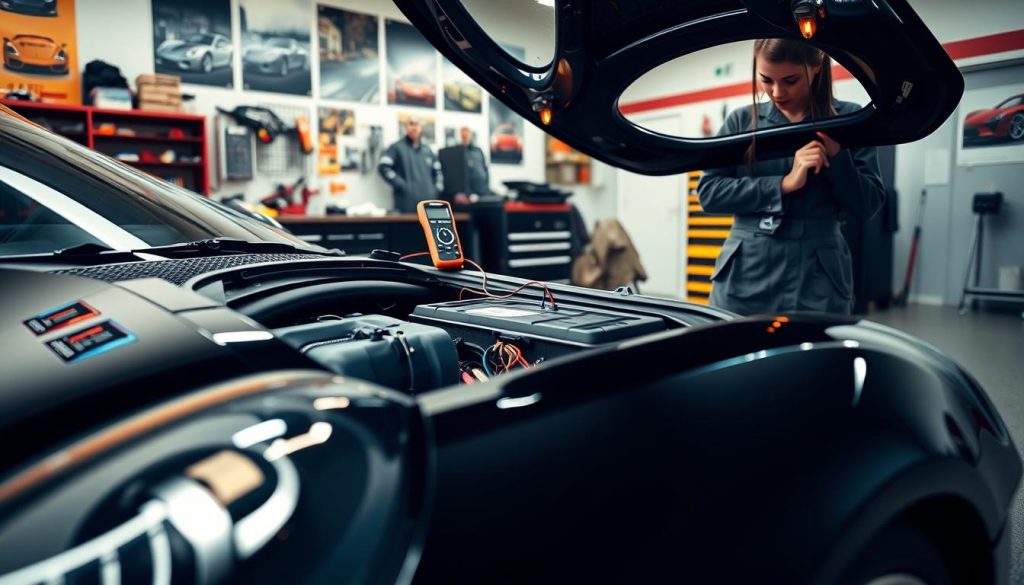
Understanding Battery Age and Environmental Factors
Battery age and environmental conditions can significantly impact performance. Older batteries may not hold a charge as well, while extreme temperatures can affect battery efficiency. Consider these factors when diagnosing issues.
Using Jump Starting as a Diagnostic Method
Jump starting your Porsche can be a useful diagnostic tool. If the vehicle starts with a jump start, it may indicate a battery or charging system issue. However, if it doesn’t start, the problem might lie elsewhere in the electrical system.
| Symptom | Possible Cause | Action |
|---|---|---|
| Low Battery Voltage | Discharged or faulty battery | Charge or replace the battery |
| Corrosion on Terminals | Wear and tear, environmental factors | Clean the terminals |
| No Start with Jump Start | Issue with electrical system or starter motor | Consult a professional mechanic |
Diagnose Starter Motor and Ignition Components
When your Porsche has power but won’t start, diagnosing the starter motor and ignition components is crucial. These systems are vital for the engine to turn over and start running. A faulty starter motor or issue with the ignition components can leave you stranded, but identifying the problem can be straightforward with the right approach.
Identifying Starter Motor Failure Symptoms
The starter motor is responsible for turning the engine over when you turn the key or press the ignition button. Symptoms of a failing starter motor include a clicking sound when you try to start the car, or nothing happening at all. In some cases, you might hear a grinding noise, indicating a mechanical issue with the starter motor.
Common signs of starter motor failure:
- Clicking or grinding noises when attempting to start the engine
- No response when turning the key or pressing the ignition button
- Intermittent starting issues
Testing Starter Relay, Solenoid, and Related Fuses
The starter relay and solenoid play critical roles in the starting circuit. The relay acts as a switch that activates the solenoid, which then engages the starter motor. Testing these components involves checking the voltage at the relay and solenoid when you try to start the car, and inspecting the related fuses for any signs of damage or wear.
Steps to test the starter relay and solenoid:
- Check the fuse related to the starting circuit
- Use a multimeter to test voltage at the relay and solenoid
- Inspect wiring and connections for damage or corrosion
Checking the Ignition Switch and Steering Lock
The ignition switch and steering lock are integral to the starting process. A faulty ignition switch might not send the proper signal to start the car, while a malfunctioning steering lock could prevent the wheel from turning, potentially disabling the starting circuit.
Inspecting the ignition switch and steering lock:
- Check for wear or damage on the ignition switch
- Ensure the steering lock is functioning correctly
- Test the wiring and connections between the ignition switch and the starting circuit
Troubleshooting Porsche Immobilizer and Key Fob Recognition
The Porsche immobilizer is a security feature designed to prevent unauthorized starting of the vehicle. Issues with the immobilizer or key fob recognition can prevent the car from starting. Troubleshooting involves checking the key fob battery, ensuring the key fob is recognized by the system, and potentially reprogramming the key fob.
Steps to troubleshoot the immobilizer and key fob:
- Check and replace the key fob battery if necessary
- Test the key fob’s proximity to the immobilizer system
- Consider reprogramming the key fob if it’s not being recognized
Porsche Won’t Start But Has Power? Troubleshooting Tips to Get It Going Again
If your Porsche is not starting despite having power, a step-by-step guide can help you diagnose the issue. The process involves checking various components and systems to identify the root cause of the problem.
Step 1: Verify Fuel System Operation
The first step is to verify that your Porsche’s fuel system is operating correctly. This involves several checks:
Listen for Fuel Pump Activation
When you turn the ignition on, you should hear the fuel pump activate. It’s a humming noise coming from the rear of the vehicle. If you don’t hear this noise, it could indicate a problem with the fuel pump or its electrical circuit. For more information on troubleshooting fuel system issues, you can refer to resources like automotive troubleshooting guides.
Check Fuel Level and Fuel Quality
Ensure that your Porsche has sufficient fuel. Sometimes, the fuel gauge might not accurately reflect the fuel level. Additionally, bad or contaminated fuel can cause starting issues. Consider checking the fuel quality or using a fuel injector cleaner if necessary.
Inspect Fuel Pump Relay and Fuse
The fuel pump relay and fuse are critical components in the fuel system’s electrical circuit. A faulty relay or a blown fuse can prevent the fuel pump from operating. Check these components and replace them if necessary.
Step 2: Test the Crankshaft Position Sensor
The crankshaft position sensor (CPS) plays a crucial role in engine timing. A faulty CPS can prevent your Porsche from starting. You can use a multimeter to test the sensor’s resistance or consult a professional mechanic for assistance.
Step 3: Examine Ground Connections and Main Wiring Harness
Poor ground connections or damage to the main wiring harness can cause starting issues. Inspect the ground straps and wiring for any signs of damage or corrosion. Clean or replace them as needed.
Step 4: Check the Neutral Safety Switch or Clutch Position Sensor
For automatic Porsches, the neutral safety switch prevents the engine from starting unless the transmission is in Park or Neutral. For manual transmissions, the clutch position sensor ensures the clutch is fully depressed. Check these sensors and adjust or replace them if necessary.
Step 5: Scan for Engine Control Unit Fault Codes
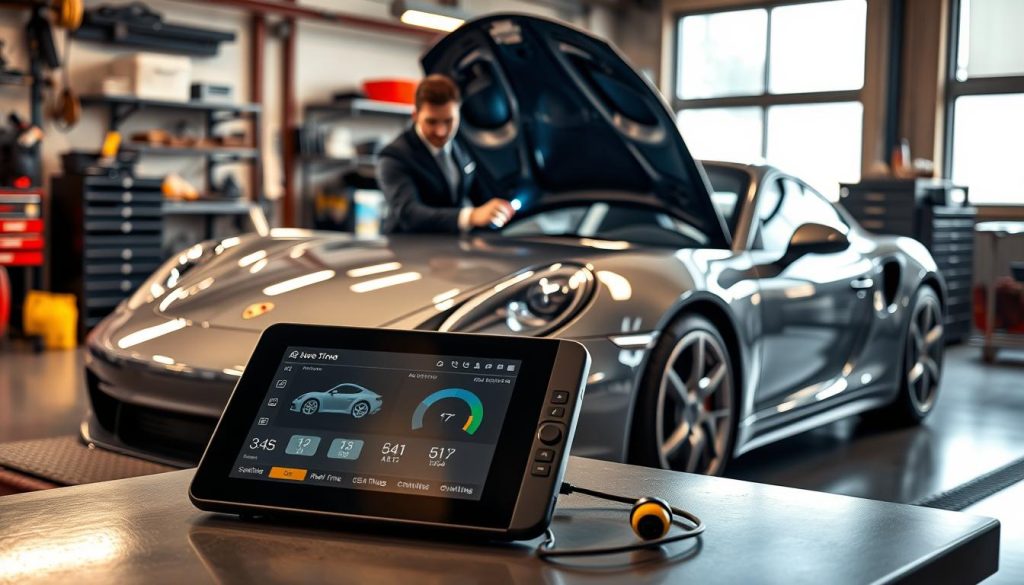
Modern Porsches are equipped with sophisticated engine management systems. Scanning for fault codes using a compatible scan tool can provide valuable insights into the problem. Look for codes related to the fuel system, ignition, or sensor malfunctions.
Step 6: When to Contact a Professional Porsche Technician
If you’ve gone through these steps and your Porsche still won’t start, it’s time to consult a professional. A certified Porsche technician has the necessary expertise and equipment to diagnose and repair complex issues. Don’t hesitate to seek help when needed.
Conclusion
Troubleshooting a Porsche that won’t start but has power requires a systematic approach. By checking the battery and electrical system, diagnosing starter motor and ignition components, and following step-by-step troubleshooting tips, you can identify and possibly fix the issue.
Understanding the potential causes and following the outlined steps empowers Porsche owners to tackle such problems effectively. For complex issues, knowing when to seek professional help is crucial. Porsche repair specialists can provide expert assistance, ensuring your vehicle is back on the road safely and efficiently.
By applying these troubleshooting tips, Porsche owners can minimize downtime and ensure their vehicle is running smoothly. Whether you’re dealing with a minor issue or a more complex problem, a systematic approach to troubleshooting is key to getting your Porsche back up and running.
FAQ
What does it mean when my Porsche has power but won’t start?
When your Porsche has power but won’t start, it means the electrical system is functioning to some extent, as evidenced by dashboard lights and operational accessories, but the engine won’t crank or start.
How do I test the battery voltage and charge level in my Porsche?
To test the battery voltage and charge level, use a multimeter to measure the voltage across the battery terminals. A fully charged battery should read around 12.6 volts.
What are the symptoms of starter motor failure in a Porsche?
Symptoms of starter motor failure include a clicking sound when turning the key, no sound at all, or the starter motor engaging but not turning the engine over.
How do I troubleshoot issues with my Porsche’s immobilizer and key fob recognition?
To troubleshoot immobilizer and key fob issues, check the key fob battery, try re-pairing the key fob, and scan for fault codes using a Porsche-compatible scan tool.
What should I check first when my Porsche won’t start but has power?
First, verify the fuel system’s operation by listening for fuel pump activation, checking fuel levels and quality, and inspecting the fuel pump relay and fuse.
When should I contact a professional Porsche technician for assistance?
Contact a professional Porsche technician if you’re unsure about any aspect of the troubleshooting process, or if you’ve completed the steps and still can’t identify or fix the issue.
Can jump starting be used as a diagnostic method for my Porsche?
Yes, jump starting can be used as a diagnostic tool to identify potential issues within the electrical system, such as a dead battery or faulty starter motor.
How do I check the crankshaft position sensor in my Porsche?
To check the crankshaft position sensor, use a multimeter to test its resistance and voltage output, or consult a Porsche-compatible scan tool to monitor its performance.
What is the role of the neutral safety switch or clutch position sensor in my Porsche’s starting system?
The neutral safety switch or clutch position sensor prevents the engine from starting unless the transmission is in neutral or the clutch is fully disengaged, ensuring safety and proper starting functionality.